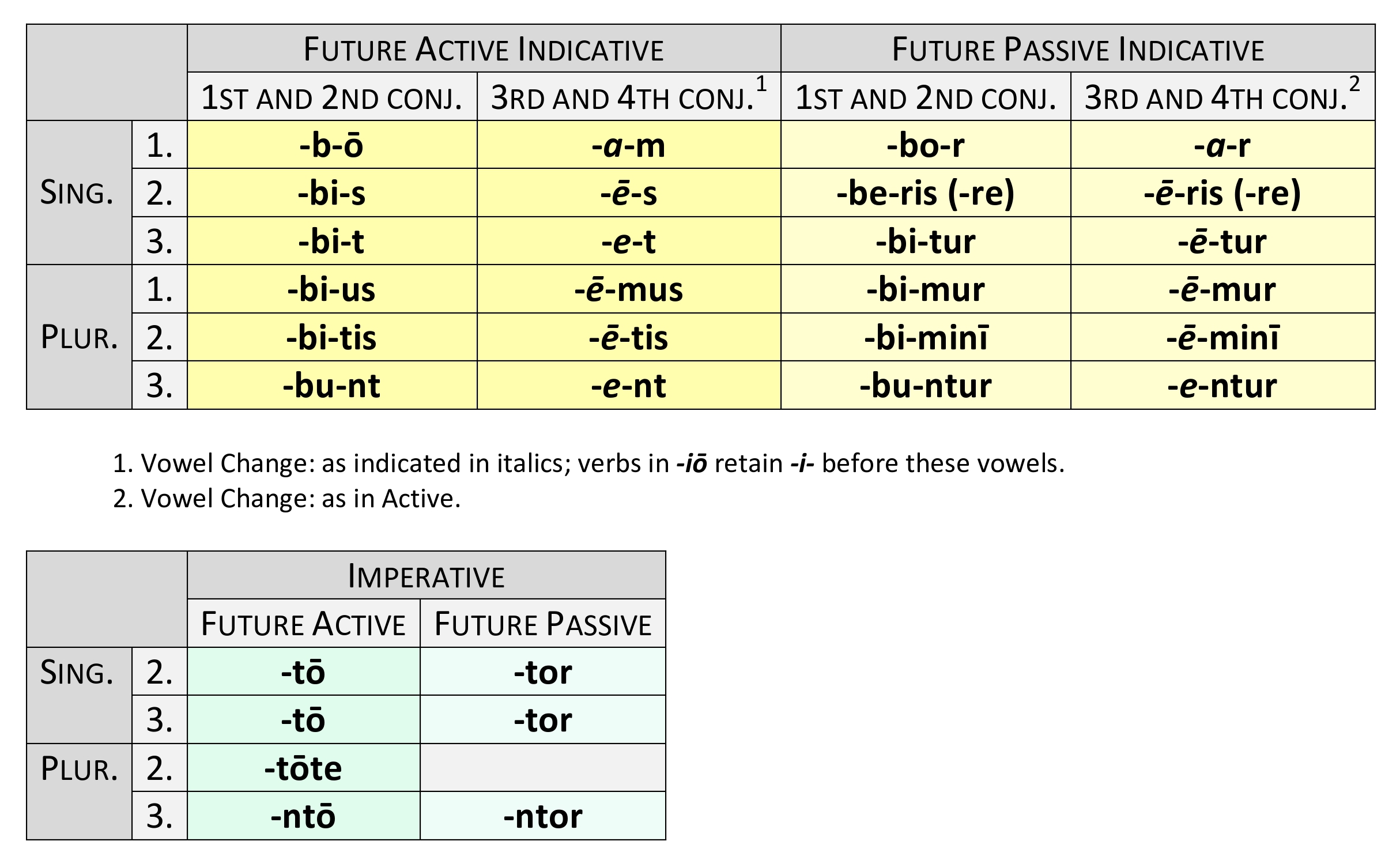
The Latin passive perfect system describes completed actions performed upon a subject by an external agent. Unlike the active voice, which uses a single-word synthetic form, the passive perfect is a periphrastic construction consisting of the perfect passive participle (PPP) combined with the appropriate present tense form of the verb esse (to be). This structure allows for precise expression of past actions that maintain relevance to the present.
Understanding the Periphrastic Nature of the Passive Perfect
In Latin grammar, the term "periphrastic" refers to a construction where a meaning is expressed using multiple words rather than a single inflected form. While the active voice in the perfect system is synthetic (e.g., amavi, "I loved"), the passive voice requires two distinct parts: the perfect passive participle and the auxiliary verb esse.
The perfect passive participle is a verbal adjective. Because it functions like an adjective, it must agree with the subject of the sentence in gender, number, and case. In the passive perfect system, the subject is typically in the nominative case, meaning the participle must always be nominative. If the subject is masculine singular, the participle will end in -us; if feminine singular, it ends in -a; if neuter singular, it ends in -um. The plural forms (-i, -ae, -a) follow the same rules of agreement.
The auxiliary verb esse acts as the indicator of the subject’s person and number. When you say amatus sum (I have been loved), the sum dictates that the speaker is first-person singular, while amatus identifies the speaker’s gender as masculine.
Construction and Morphology
To construct the passive perfect correctly, you must first master the principal parts of a Latin verb. The fourth principal part is the perfect passive participle (e.g., amatus, -a, -um for the verb amare).
Once you have identified the fourth principal part, follow these steps:
- Select the correct form of the participle based on the subject.
- Pair it with the present tense of sum, esse.
- Ensure grammatical agreement.
Table of Passive Perfect Inflection (First Conjugation, amare)
| Person | Singular | Plural |
|---|---|---|
| 1st | amatus/a sum (I have been loved) | amati/ae sumus (We have been loved) |
| 2nd | amatus/a es (You have been loved) | amati/ae estis (You have been loved) |
| 3rd | amatus/a/um est (He/she/it has been loved) | amati/ae/a sunt (They have been loved) |
This structure is highly consistent across all four conjugations. The only variable is the formation of the participle itself, which depends on the root of the verb and its conjugation group.

The Role of the Agent in Passive Sentences
When translating from active to passive voice, the subject of the active sentence becomes the agent in the passive sentence. In Latin, the way you express this agent depends on whether the actor is a person or an instrument.
If the agent is a person or a living entity performing the action, use the preposition a or ab followed by the ablative case. This is known as the Ablative of Agent. For example: Amatus ab amica est (He was loved by his girlfriend).
If the agent is an inanimate object or a force of nature—something that does not act with intent—use the ablative case without a preposition. This is called the Ablative of Means. For example: Urbs ferro capta est (The city was captured by iron/the sword). Distinguishing between these two is critical for syntactical accuracy, as confusing them can lead to an unnatural-sounding sentence that misrepresents the nature of the action.
Distinguishing the Perfect, Pluperfect, and Future Perfect
The passive system does not stop at the perfect tense. To move from the perfect (completed) to the pluperfect (past perfect), you change the auxiliary verb from the present tense to the imperfect tense of esse.
- Perfect Passive: Amatus sum (I have been loved / I was loved)
- Pluperfect Passive: Amatus eram (I had been loved)
- Future Perfect Passive: Amatus ero (I will have been loved)
Understanding these shifts is essential for maintaining correct sequence of tenses in prose. While the perfect passive often emphasizes the state resulting from a past action, the pluperfect moves the timeline further into the past, providing background context for primary actions.
Common Mistakes and Troubleshooting
Students often fall into the trap of confusing the passive perfect system with the "deponent" verb system. Deponent verbs are verbs that look passive in form but function with an active meaning. For example, hortatus sum does not mean "I have been encouraged"; it means "I have encouraged."
Another common error involves the agreement of the participle. In complex sentences, the subject may be distant from the verb. Ensure you check the subject's gender, number, and case before finalizing the participle's ending. If you are writing about a group of mixed-gender subjects, remember the standard Latin rule: the masculine plural takes precedence.
If you find yourself struggling with a translation, break the phrase down into its constituent parts. Identify the auxiliary verb first—it will tell you the person, number, and tense. Then, look for the participle. If you cannot find a participle in the nominative case, check if the sentence is perhaps a different mood or if you have misidentified the main verb.
Semantic Nuance: Result vs. Action
The passive perfect often carries a dual meaning in Latin. It can express the action itself (the process of being loved) or the state that exists as a result of that action.
- Porta clausa est can mean "The door was closed" (action, it happened at a specific moment) or "The door is (in a state of having been) closed."
Context is the only way to resolve this ambiguity. When reading classical texts, look for the surrounding narrative. If the text describes a sequence of events, interpret it as an action. If the text describes a setting or a character's circumstances, interpret it as a state.
Frequently Asked Questions
1. Can the passive perfect be used with intransitive verbs?
Generally, no. Because the passive voice requires an object to be moved into the subject position, intransitive verbs (verbs that do not take a direct object) usually cannot be made passive. There are rare exceptions in idiomatic expressions, but as a rule, focus on transitive verbs when constructing these forms.
2. Is the passive perfect only used in the indicative mood?
No, the passive perfect system also exists in the subjunctive mood. In the subjunctive, the auxiliary verb esse becomes sim, sis, sit (for the perfect subjunctive) or essem, esses, esset (for the pluperfect subjunctive). The usage rules for the participle remain identical.
3. Does the passive perfect participle always agree with the subject?
Yes, in the passive periphrastic construction, the participle must be in the nominative case to agree with the subject. There is no scenario in this specific construction where the participle would be in the accusative or ablative case, as those would indicate different grammatical functions.
4. How do I know if I should use "a" or "ab"?
The choice between a and ab is purely phonetic. Use a before words beginning with a consonant, and use ab before words beginning with a vowel or the letter 'h'. This is a stylistic preference to make the Latin flow more naturally when read aloud.
Strategic Next Actions for Learners
To internalize the passive perfect system, begin by transcribing short, simple sentences from a Latin reader. Identify every passive verb you encounter, break it down into its participle and auxiliary components, and label the person and number.
Next, practice turning active sentences into passive ones. Take a sentence like Magister discipulos laudat (The teacher praises the students) and attempt to transform it into the perfect passive: Discipuli a magistro laudati sunt (The students have been praised by the teacher). By performing this exercise regularly, you will stop viewing the participle and the auxiliary as two separate words and begin recognizing them as a singular, cohesive grammatical unit.
Image Gallery
Select an image to open it in a new tab.
Ingrid Bjornson
Global Cyber Policy and Regulation Analyst
