What to Do When Rawhide Gets Mushy: Dog Safety, Digestive Risks, and Alternatives
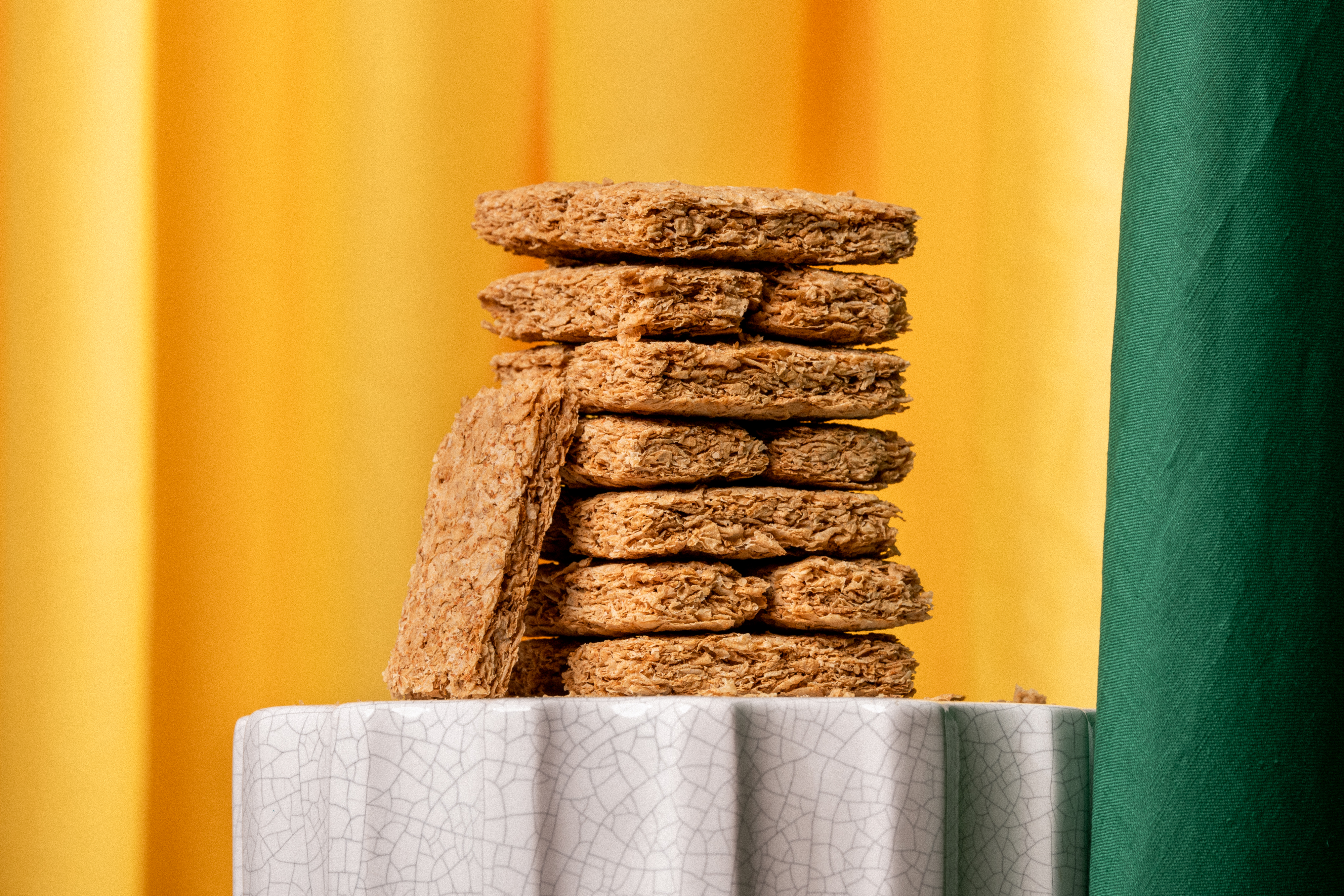
When a dog chews on a rawhide treat, exposure to saliva and mechanical pressure causes the dried leather to hydrate, soften, and turn into a slippery, mushy mass. Softened rawhide poses significant choking and gastrointestinal blockage hazards because dogs often swallow large, gooey chunks whole. Pet owners should confiscate mushy rawhide immediately and transition to fully digestible chewing alternatives.
Why Rawhide Turns Mushy When Chewed
Rawhide is not a dried meat product; it is an uncurried hide derived from the inner layer of cattle or horse skins. During manufacturing, the hide undergoes chemical processing to split the grain layer (used for leather goods) from the inner collagen layer. This inner layer is bleached, washed, shaped into rolls or bones, and dried into a hard, rigid state.
When a dog gnaws on rawhide, several physical and chemical changes occur:
- Hydration of Collagen Fibers: Rawhide consists primarily of dense collagen fibers. As warm canine saliva penetrates the dry hide, the tight protein networks expand and absorb moisture.
- Mechanical Breakdown: Persistent chewing breaks the structural integrity of the outer layers, turning the once-hard hide into a soft, sticky paste or gelatinous gel on the surface.
- Loss of Structural Rigidity: Once saturated, the hide loses its stiffness. Instead of flaking off into small crumbs, it stretches into rubbery, pliable ribbons or large mushy globs.
Many dog owners assume that a treat becoming soft means it is becoming easier to digest. However, soft or mushy rawhide is merely hydrated leather. Hydration changes its texture, but it does not make the collagen matrix instantly soluble in stomach acid.
Is Mushy Rawhide Dangerous for Dogs? Key Health Risks
While chewing is a natural, stress-relieving behavior for dogs, mushy rawhide introduces severe health and safety risks. Veterinarians frequently treat emergency cases stemming from rawhide consumption.
- Hard Rawhide Chew
- Chewing & Saliva
- Mushy, Rubbery Hide
- Swallowed Whole
- Airway / Esophageal Blockage
- Gastrointestinal (GI) Obstruction
- Foreign Body Swelling
- Airway / Esophageal Blockage
- Gastrointestinal (GI) Obstruction
- Swallowed Whole
- Mushy, Rubbery Hide
- Chewing & Saliva
1. Choking and Esophageal Airway Obstruction
As rawhide becomes mushy, it gets coated in thick saliva, making it exceptionally slippery. Dogs often attempt to gulp down pieces once they feel soft enough to compress. Because mushy rawhide is pliable yet tough, large chunks can easily lodge in the pharynx (back of the throat) or become stuck in the esophagus.
Unlike hard bones, which may slide down or stay stuck as a rigid object, a mushy piece of rawhide can contour to the airway, creating a partial or complete seal that blocks oxygen flow.
2. Gastrointestinal (GI) Obstruction
If a dog swallows a large, mushy chunk of rawhide, the piece travels to the stomach. Canine stomach acid breaks down animal proteins, but large, dense pieces of hide digest very slowly.
If the chunk passes out of the stomach into the small intestine before breaking down, it can cause a life-threatening intestinal obstruction. Inside the intestinal tract, hydrated rawhide can absorb additional fluid, swelling further and expanding against intestinal walls. This cuts off localized blood flow (ischemia) and causes tissue necrosis or intestinal perforation.
3. Bacterial Contamination and Chemical Residues
Rawhide manufacturing involves extensive chemical processing. Hides are treated with solutions containing hydrogen peroxide, sodium sulfide, or lime to strip hair and fat. Trace amounts of chemicals, preservatives, or artificial flavorings can remain on the hide.
Furthermore, once rawhide becomes damp and mushy from saliva, it becomes an ideal breeding ground for bacteria such as Salmonella and E. coli. If a dog chews a rawhide bone over several days, allowing it to dry out and soften repeatedly, bacterial counts can multiply significantly, posing risks to both the pet and human family members who handle the chew.

Step-by-Step Response: What to Do When Your Dog's Rawhide Becomes Soft
If you notice your dog chewing a rawhide bone down to a soft, gummy mass, take immediate action to prevent accidental ingestion.
- Confiscate the Chew: Trade with a high-value treat
- Oral Inspection: Check roof of mouth, teeth, & throat
- Dispose Safely: Throw directly into a secure trash bin
- Monitor & Observe: Watch for vomiting, lethargy, or pain
Step 1: Safely Confiscate the Chew
Do not reach directly into a dog's mouth if they have a history of resource guarding, as sudden movements may cause the dog to gulp the mushy piece down quickly. Instead:
- Offer a high-value alternative treat (such as a piece of cooked chicken or a favorite toy) to trade.
- Once the dog drops the rawhide to take the alternative, remove the rawhide immediately.
Step 2: Inspect the Mouth and Throat
If your dog permits safe handling, open their mouth gently to inspect the soft palate, the roof of the mouth, and between the back molars. Gummy rawhide frequently gets wedged across the upper arch of the mouth or wrapped around back teeth, causing irritation and distress.
Step 3: Dispose of the Used Rawhide Safely
Throw the mushy rawhide piece directly into an outdoor trash container or a covered indoor bin. Do not leave damp rawhide lying on floors or dog beds where it can gather household debris and breed bacteria.
Step 4: Monitor for Signs of Internal Obstruction
If you suspect your dog swallowed a sizeable chunk of mushy rawhide before you could retrieve it, monitor the animal closely for the next 24 to 72 hours.
Recognizing Signs of Rawhide Obstruction or Distress
Intestinal blockages caused by rawhide pieces require rapid veterinary intervention. If your dog exhibits any of the following clinical signs after chewing or swallowing rawhide, contact an emergency veterinary hospital immediately:
- Persistent Retching or Gagging: The dog attempts to vomit but produces nothing, or only clears clear mucus.
- Repeated Vomiting: Inability to keep food or water down.
- Abdominal Pain or Distension: The dog adopts a "play bow" stance (front legs down, rear end up) to relieve stomach pressure, whines when touched, or has a rigid, swollen abdomen.
- Lethargy and Depression: Uncharacteristic withdrawal, reluctance to move, or weak responses.
- Loss of Appetite (Anorexia): Refusal to eat food or drink water.
- Changes in Stool: Straining to defecate, diarrhea, or a complete absence of bowel movements.
Note: This article provides educational information and is not a substitute for professional veterinary diagnosis or treatment. Always consult a licensed veterinarian if you suspect your pet has swallowed a foreign object.
Comparing Rawhide with Safer Chewing Alternatives
Dog owners seeking safe chewing options should look for products that offer appropriate durability while remaining easily digestible in the gastrointestinal tract.
| Chew Type | Digestibility | Durability | Choking/Blockage Risk | Dental Health Benefit | Best Suited For |
|---|---|---|---|---|---|
| Traditional Rawhide | Very Low | High | High (when mushy/swallowed) | Low (abrasive risk) | Not Recommended |
| Collagen Chews | High | Moderate to High | Low to Moderate | Moderate | All Dog Breeds |
| Bully Sticks (Beef Pizzle) | High | Moderate | Moderate (end pieces) | Moderate to High | Moderate Chewers |
| Yak Cheese (Himalayan) | Moderate | High | Moderate (end pieces) | High | Aggressive Chewers |
| Durable Rubber Toys | N/A (Non-edible) | Very High | Low (if sized correctly) | High (massages gums) | Power Chewers |
| VOHC Dental Chews | High | Low to Moderate | Low | High (clinically tested) | Daily Dental Care |
Detailed Breakdown of Alternatives
1. Bovine Collagen Chews
Collagen chews are made from the corium layer of cattle skin, which contains concentrated collagen peptides. Unlike rawhide, collagen is processed in a way that allows canine stomach digestive enzymes to break down the material rapidly. Collagen chews soften as the dog chews, but they disintegrate predictably into digestible peptides rather than forming dangerous, non-digestible gummy sheets.
2. Bully Sticks (Beef Pizzle)
Bully sticks are 100% natural, single-ingredient beef muscle chews. They are highly digestible and offer an excellent outlet for a dog's natural chewing drive. Because they soften gradually under saliva, they provide natural dental scraping to remove plaque.
- Safety Tip: Use a safety device or bully stick holder that clamps onto the end of the stick to prevent your dog from swallowing the final two-inch nub.
3. Yak Cheese / Himalayan Hard Chews
Made from fermented yak and cow milk, salt, and lime juice, these chews are dense, long-lasting, and fully edible. As the dog gnaws, tiny flakes break off.
- Safety Tip: When the chew is worked down to a small end piece, place it in the microwave for 30–45 seconds. It will puff up into a crunchy, easily digestible cheese treat, eliminating the choking hazard.
4. Heavy-Duty Rubber Toys (e.g., KONG Standard or Extreme)
For power chewers who destroy natural products quickly, non-toxic natural rubber toys represent the safest alternative. These toys are designed to withstand significant jaw pressure without breaking into swallowable pieces.
- Usage Tip: Fill rubber toys with wet dog food, plain Greek yogurt, or canned pumpkin, and freeze them overnight to create a long-lasting, safe chewing challenge.
5. VOHC-Approved Dental Chews
The Veterinary Oral Health Council (VOHC) tests and certifies pet dental products for their efficacy in reducing plaque and tartar build-up. VOHC-accepted chews are engineered to break apart safely in the stomach, minimizing any risk of esophageal or intestinal impaction.
How Rawhide Is Manufactured: Why It Behaves This Way
Understanding how rawhide is produced helps clarify why it poses unique risks compared to standard meat-based treats.
Splitting Hide: Inner split separated from grain
Chemical Bath: Lime & hydrogen peroxide wash
Shaping/Gluing: Folded, rolled, or knot-tied
Dehydration: Dried to hard, rigid state
Split-Skin Separation: Cattle hides from slaughterhouses are transported to tanneries. The outer layer of the hide is split away for shoe, car seat, and clothing leather. The inner layer is retained for lower-grade leather or pet products.
Chemical Washing: The inner hide is washed in chemical solutions (often lime or sodium sulfide) to strip hair, fat, and tissue. It is then bleached using hydrogen peroxide to achieve a clean white appearance.
Forming and Binding: The damp hides are cut into strips, rolled, twisted into artificial bones, or pressed into shapes. Some low-cost manufacturers use industrial adhesives to hold pressed rawhide scraps together.
Drying and Flavoring: The shaped hides are dried thoroughly until hard and brittle. Flavors (such as artificial beef or chicken coating) may be sprayed on top to entice dogs.
Because this manufacturing process removes natural fat, blood vessels, and soft tissue, it leaves behind an artificial structural matrix composed almost entirely of bound collagen fibers. When rehydrated by saliva, these fibers do not dissolve; they simply stretch, expanding into the mushy texture that pet owners observe. For more information on pet food safety standards and treat warnings, consult the U.S. Food and Drug Administration (FDA) Animal & Veterinary Division.
Best Practices for Chewing Safety and Supervision
Chewing is vital for a dog’s mental health, reducing anxiety and stimulating the release of endorphins. You can provide safe chewing experiences by following key rules:
1. Always Supervise Chewing Sessions
Never give a dog a natural chew, rawhide, or long-lasting treat when leaving them unattended home alone. Watch how your dog interacts with the chew and intervene before the product breaks down into unsafe, mushy pieces.
2. Follow the "Thumbnail Test"
When selecting a hard chew, press your thumbnail firmly into the surface. If the material offers slight give, it is less likely to fracture teeth. If it is as hard as a rock (like natural bones, hooves, or solid nylon toys), it carries a risk of causing tooth fractures (especially to the upper carnassial teeth).
3. Match the Chew Size to the Dog
Select chews that are significantly larger than your dog's mouth. A chew designed for a Yorkie should never be given to a Golden Retriever, as larger dogs can swallow small chews whole without chewing them down first.
4. Limit Session Length
Limit chewing sessions to 15–20 minutes at a time. This prevents excess saliva from turning the chew into an overly wet mass, reduces jaw fatigue, and prevents stomach upset caused by ingesting large quantities of rich treat materials all at once.
Frequently Asked Questions
Why does rawhide turn sticky and mushy when my dog chews it?
Rawhide turns sticky and mushy because it is made of dense, dehydrated animal collagen. When exposed to warm saliva and mechanical chewing, the protein fibers absorb liquid and hydrate, causing the material to swell, soften, and become rubbery rather than dissolving completely.
Can a dog digest a mushy piece of swallowed rawhide?
A dog’s stomach acid can slowly hydrolyze small, flaked pieces of rawhide, but it struggles to digest large, swallowable chunks. Swallowed mushy rawhide often stays intact for long periods in the gastrointestinal tract, where it can swell further and cause dangerous intestinal blockages.
What should I do if my dog is choking on a soft rawhide chew?
If your dog is choking, struggling to breathe, or pawing at their mouth, seek emergency veterinary assistance immediately. If it is safe to do so without getting bitten, carefully open the dog's mouth and perform a finger sweep to clear visible debris from the back of the mouth, taking care not to push the object deeper down the throat.
Are rawhides labeled "digestible" safer for dogs?
"Digestible rawhide" or "no-rawhide" treats are typically made from alternative ingredients like collagen, cornstarch, rice flour, or real meat. These products are engineered to break down faster in the canine digestive system than traditional hide products, making them significantly safer options.
What is the safest chew for a dog that chews very aggressively?
For aggressive chewers, high-durability, non-toxic natural rubber toys (such as KONG Extreme) are generally the safest option. Frozen, food-stuffed rubber toys satisfy the urge to chew for extended periods without posing the choking or blockage risks associated with edible hides.
Final Guidance for Pet Owners
If your dog’s rawhide chew has turned into a soft, mushy, or gummy mass, take it away immediately. The temporary entertainment value of a rawhide bone does not outweigh the real risks of choking, esophageal obstruction, or surgical bowel blockages.
Transition your pet to safer, fully digestible options such as bovine collagen chews, size-appropriate bully sticks equipped with safety holders, or durable, frozen rubber enrichment toys. By supervising all chew sessions and choosing digestible products, you protect your dog's dental and gastrointestinal health while fulfilling their natural instinct to chew.
Image Gallery
Select an image to open it in a new tab.

Celine Dubois
Contemporary Living and Global Arts Columnist
