The Reality of Wealth Accumulation: Assessing the Feasibility of Getting Rich in a Day
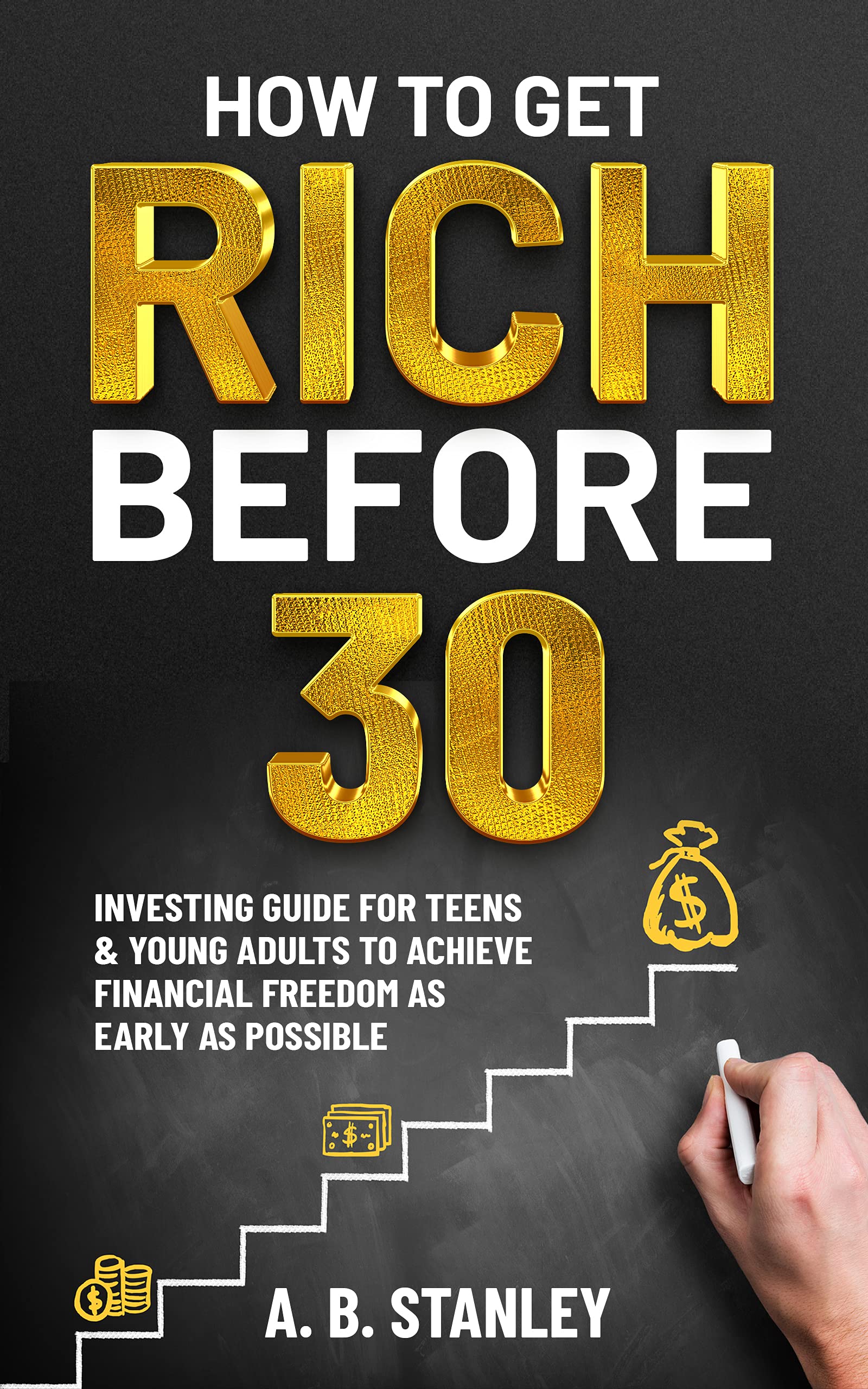
"Getting rich in a day" is a phrase often associated with high-risk speculation, lottery-style outcomes, or predatory financial schemes. There is no legitimate, repeatable, or safe method to generate significant wealth within a twenty-four-hour period through traditional labor, stable investment, or business ownership. Sustainable financial growth relies on compound interest, strategic asset allocation, and long-term value creation rather than instantaneous liquidity events.
The Mechanics of Wealth vs. Income
To understand why the concept of "getting rich in a day" is inherently incompatible with financial safety, one must distinguish between income and wealth. Income is the cash flow generated by labor or capital over time. Wealth is the net accumulation of assets—cash, investments, property, and businesses—minus liabilities.
Most individuals who appear to have "become rich overnight" are typically the beneficiaries of a long-term process that reached a point of realization within a single day. For example, an entrepreneur whose company is acquired may receive their wealth in a single transaction, but that event is the result of years of product development, market testing, and infrastructure building. The "day" is simply the realization event for years of stored equity.
Why "Get Rich Quick" Schemes Are Inherently Unsafe
The promise of rapid wealth acquisition—common in online advertising, high-yield investment programs (HYIPs), and volatile cryptocurrency trading—almost invariably involves extreme risk or fraud. Safety in finance is defined by the preservation of principal and the predictability of returns. Any system promising guaranteed, exponential growth within a 24-hour window violates the fundamental law of risk-reward ratios.
Common Indicators of Financial Hazards
- The Promise of Guaranteed Returns: Markets, by definition, contain risk. Any entity guaranteeing a high return in a short timeframe is likely operating a Ponzi scheme, where new investor funds are used to pay off existing investors.
- Pressure to Act Immediately: High-pressure sales tactics are designed to bypass critical thinking. If an opportunity requires you to deposit money immediately to "lock in" a rate, it is a hallmark of fraud.
- Lack of Transparency: Legitimate investment vehicles are registered with financial authorities such as the Securities and Exchange Commission (SEC) in the United States or the Financial Conduct Authority (FCA) in the United Kingdom. If an entity cannot provide audited financials or regulatory registration details, it is unsafe.
- Complexity Obfuscation: Fraudsters often use technical jargon to make a scheme sound sophisticated. If you cannot explain how the entity makes its money, you should not entrust it with your capital.
Comparative Financial Approaches
Understanding the difference between high-risk speculation and sound financial growth is essential for protecting your net worth.
| Method | Risk Profile | Time Horizon | Predictability |
|---|---|---|---|
| High-Yield Speculation | Extreme | Daily | None |
| Equity Market Investing | Moderate/High | 5–30 Years | Statistical |
| High-Yield Savings (HYSA) | Very Low | Immediate | Guaranteed |
| Career Skill Advancement | Low | 1–5 Years | High |
The Role of Volatility and Leverage
Some individuals attempt to "get rich in a day" through day trading, options, or high-leverage positions. While these methods can theoretically produce large gains, they are mathematically tilted against the individual investor. Leverage acts as a double-edged sword; it amplifies both gains and losses. In a 24-hour window, the probability of a "margin call"—a demand from a broker to deposit more money to cover losses—is high.
For the vast majority of retail participants, the volatility of these markets results in the depletion of capital rather than the creation of wealth. Professional traders who achieve success in short-term markets typically employ sophisticated algorithms, massive capital reserves, and institutional-grade infrastructure that are not accessible to the average individual.
Building Sustainable Wealth Safely
Since "getting rich in a day" is not a viable strategy, safety is found in the application of time-tested principles. Building wealth safely involves three primary pillars:
1. Optimization of Human Capital
Your primary asset is your ability to earn an income. The most reliable way to increase your net worth in the early stages is to invest in high-value skills that are difficult to automate or outsource. The "interest" on the time you spend learning a specialized trade or profession often yields a higher daily rate of return than speculative day trading.
2. Disciplined Asset Allocation
Wealth is rarely built by picking the "next big thing." It is built by owning a diversified portfolio of productive assets. By utilizing low-cost index funds or ETFs (Exchange Traded Funds), investors participate in the growth of the broader economy. This approach eliminates the risk of an individual company failure and aligns the investor with the historical upward trajectory of global markets.
3. Risk Mitigation and Insurance
True wealth includes the ability to weather financial shocks. Safety is maintained by keeping a liquid emergency fund that covers three to six months of expenses. This prevents the need to liquidate long-term investments during market downturns, which is the most common reason retail investors fail to accumulate lasting wealth.
Practical Steps for Financial Growth in 2026
If you are looking to improve your financial position today, shift your focus from "getting rich" to "getting ahead." The following steps represent the industry standard for financial health:
- Audit Your Cash Flow: Review your expenses to identify areas where capital is leaking. The money saved through budget optimization is immediate, 100% return capital that can be redirected toward debt repayment or investment.
- Prioritize Debt Liquidation: High-interest debt (such as credit card balances) carries an effective annual percentage rate that often exceeds any safe, short-term investment. Paying off a 20% interest debt is equivalent to a guaranteed 20% return on your money.
- Automate Contributions: Use automated transfers to move a portion of your income into tax-advantaged accounts (such as 401(k)s or IRAs in the U.S.). This removes the emotional component of investing and enforces consistent, long-term participation.
Frequently Asked Questions
Is it possible to win the lottery or hit a jackpot to get rich in a day? While mathematically possible, it is not a "safe" or "reliable" method of wealth creation. The odds of winning a major lottery jackpot are typically in the tens or hundreds of millions to one. Relying on such events constitutes gambling, not financial planning, and carries a near-100% probability of total capital loss over time.
Are there any safe, short-term investment products? There are short-term financial instruments like Treasury Bills (T-bills) or Certificates of Deposit (CDs), but these provide conservative, incremental interest rather than life-changing wealth. They are safe and provide liquidity, but they are tools for capital preservation rather than rapid wealth generation.
What should I do if I am approached with an opportunity to "make money fast"? Cease all communication and decline the offer immediately. Verify if the individual or company is registered with your national financial regulatory body. If they are not, or if they promise high returns with "zero risk," report them to your local consumer protection or securities regulatory agency.
Why do some influencers claim they get rich in a day? Many individuals who claim to make large sums in a single day are often selling courses, coaching, or "signals" to others. They are monetizing the desire for quick wealth rather than generating wealth through the methods they promote. The most profitable part of their business model is the marketing of the idea itself, not the underlying trading or business strategy.
How long does it realistically take to build significant wealth? For most individuals, building significant wealth is a process spanning five to twenty years. It involves a combination of consistent saving, market participation, and the compounding effect of interest. It is a slow, methodical process that prioritizes stability over speed.
Recommendation
If your financial situation feels urgent, avoid the trap of seeking a one-day solution. Instead, focus on an immediate audit of your current assets and liabilities. If you have high-interest debt, resolve to pay it down using the "debt avalanche" method, which targets the highest interest rates first. Redirect the capital saved from interest payments into a diversified, low-fee investment account. This provides a quantifiable, safe, and logical path toward long-term wealth that is far more reliable than any "get rich in a day" scheme.

Image Gallery
Select an image to open it in a new tab.


Mateo Castillo
Decentralized Finance and E-Payments Strategist
