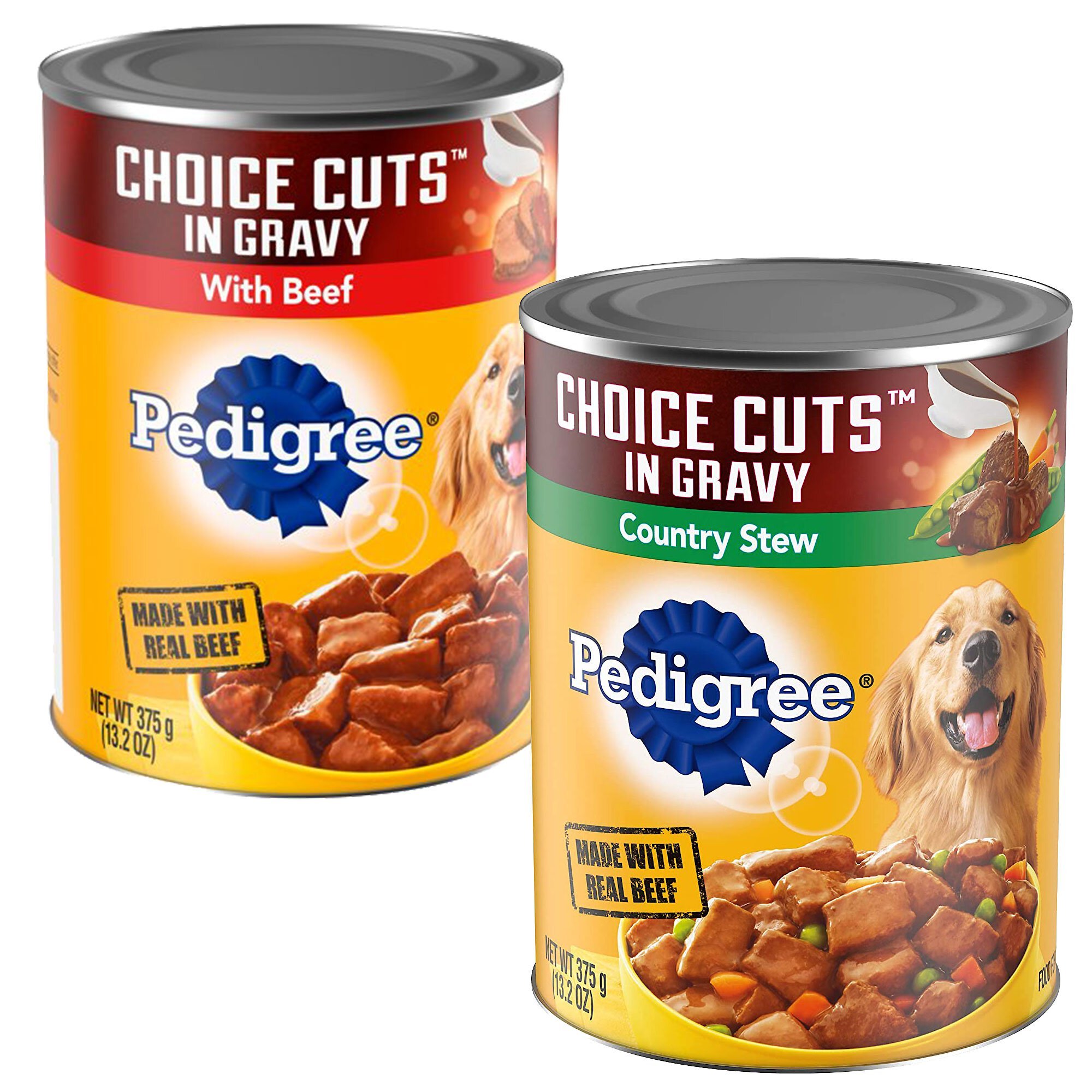
Cheap canned dog food can be a good, nutritionally complete choice for your dog, provided the label includes an Association of American Feed Control Officials (AAFCO) statement confirming it is formulated for complete and balanced nutrition. While low-cost wet foods often rely on animal by-products and plant-based thickeners, they still offer essential hydration, high palatability, and core nutrients required for canine health.
Disclaimer: This article is intended for informational and educational purposes only and does not constitute veterinary medical advice. Always consult a licensed veterinarian or a board-certified veterinary nutritionist before making significant changes to your pet’s diet, especially if your dog has pre-existing health conditions.
Understanding Price vs. Quality in Canned Dog Food
When evaluating dog food, the word "cheap" often carries negative connotations. Many pet owners assume that lower prices automatically equate to unsafe or nutritionally void ingredients. However, the retail price of canned dog food is shaped by multiple factors beyond the raw nutritional quality of what is inside the can.
Manufacturing costs, packaging materials, shelf-life stabilization, freight weight, marketing budgets, and brand positioning all influence final retail pricing. Wet dog food inherently costs more to produce and ship per calorie than dry kibble because it contains up to 80% water. Consequently, when a manufacturer produces a budget-friendly canned food, they typically reduce costs by streamlining supply chains, using widely available agricultural co-products, or leveraging high-volume production rather than sacrificing essential nutritional baselines.
Understanding how to read pet food labels and evaluate ingredients allows pet owners to distinguish between affordable, nutritionally adequate meals and products that may not meet their dog's specific biological needs.
The Role of AAFCO Standards and Nutritional Adequacy
The single most critical checkpoint when considering any lower-cost dog food is the nutritional adequacy statement established under guidelines from the Association of American Feed Control Officials (AAFCO). This statement, printed on the back or side of the can, indicates whether the food provides complete and balanced nutrition or if it is intended only for intermittent or supplemental feeding.
| AAFCO Adequacy Statement Types |
|---|
| 1. Complete and Balanced for Growth & Reproduction (Puppies / Pregnant) |
| 2. Complete and Balanced for Adult Maintenance (Adult Dogs 1-7 years) |
| 3. Complete and Balanced for All Life Stages (Puppies & Adults) |
| 4. Supplemental / Intermittent Feeding Only (Treats / Toppers) |
If a budget canned dog food is labeled as "complete and balanced" for your dog's specific life stage, it has met established minimum nutrient profiles for protein, fat, vitamins, and minerals. Regulatory oversight from agencies such as the U.S. Food and Drug Administration (FDA) ensures that pet foods must be safe to consume and accurately labeled.
While an inexpensive canned food may rely on different protein sources than a boutique or premium brand, an AAFCO-compliant budget formula will prevent clinical nutritional deficiencies in healthy adult dogs.
Converting Wet Food Metrics: Dry Matter Basis
To accurately assess the nutrient content of wet food, pet owners must account for moisture. Wet foods usually list protein at around 8% to 10% on the label, compared to 20% to 30% in dry kibble. This difference is due to water weight, not a lack of actual protein.
To compare wet food to dry food, convert the label metrics to a Dry Matter Basis (DMB) using the following formula:
$$\text{Dry Matter %} = 100 - \text{Moisture %}$$
$$\text{Nutrient (DMB)} = \left( \frac{\text{Guaranteed Nutrient %}}{\text{Dry Matter %}} \right) \times 100$$
For example, if a canned food contains 8% crude protein and 78% moisture:
- Calculate the dry matter: $100 - 78 = 22%$ dry matter.
- Calculate protein on a dry matter basis: $(8 / 22) \times 100 = 36.36%$ protein.
On a dry matter basis, that 8% protein wet food actually delivers over 36% protein—often higher than standard dry kibbles.
What Ingredients Are Actually in Budget Wet Dog Food?
Budget canned dog foods balance cost and nutrition by selecting functional ingredients that provide required amino acids, fatty acids, and carbohydrates without relying on premium cuts of meat.
- Water / Broth: Essential moisture foundation
- Animal By-Products: Nutrient-dense organs/tissue
- Grains / Starches: Digestible carbohydrate base
- Gums / Binders: Gelatinous texture & stability
- Vitamin Mix: Balanced micro-nutrition balance
Animal By-Products and Named Organ Meats
One of the most common ways budget manufacturers lower costs is by utilizing animal by-products. Despite popular consumer misconceptions, official feed definitions specify that clean organ meats—such as liver, kidneys, lungs, and spleen—are classified within by-product categories.
Organ meats are rich in vitamins A and B, iron, trace minerals, and essential amino acids. In many respects, liver and kidney offer higher micronutrient density than muscle meat alone. However, budget foods may sometimes list generic terms like "meat by-products" rather than specifying the source animal (such as "chicken liver" or "beef by-products"). While generic labeling allows manufacturers to swap ingredients based on market prices, the underlying nutrient profile remains regulated.
Plant Proteins and Grains
To reach target protein levels affordably, low-cost wet foods frequently blend animal proteins with plant-derived protein concentrates, such as wheat gluten, corn gluten meal, or soy protein isolate. These ingredients help create texture (such as "chunks in gravy") while supplying protein. While dogs can digest cooked plant proteins effectively, plant sources lack the complete amino acid profile of animal tissues, which is why manufacturers supplement these formulas with synthesized amino acids like methionine or taurine.
Gums, Binders, and Thickeners
Canned dog foods require binding agents to maintain a consistent texture, suspend chunks in broth, and prevent separation during cooking and shelf storage. Common binding agents include:
- Guar Gum: Derived from guar beans; acts as a natural thickener and soluble fiber.
- Xanthan Gum: Produced through carbohydrate fermentation; stabilizes ingredient suspension.
- Cassia Gum: Plant-derived resin used for firm gel creation.
- Carrageenan: Extracted from red seaweeds; used to create smooth jellies and pastes.
While carrageenan has faced scrutiny in pet nutrition circles due to concerns regarding gastrointestinal inflammation, food-grade carrageenan remains approved for use in pet food under federal guidelines. Dogs sensitive to specific gums may experience soft stools, but these binders are generally safe for the broader canine population.
Key Advantages of Cheap Canned Dog Food
For many households, budget canned food is not just an affordable choice—it offers distinct health and behavioral advantages over dry kibble alone.
Hydration Support: ~75-80% water content aids kidney/bladder health
High Palatability: Rich aromas appeal to picky or aging dogs
Soft Texture: Ideal for missing teeth, dental pain, or seniors
Satiety Control: High volume with lower caloric density per meal
Superior Hydration: Chronic mild dehydration can contribute to urinary tract issues and kidney stress. Canned food naturally supplies significant moisture, helping maintain fluid balance in dogs that rarely drink enough water from their bowls.
Enhanced Palatability: Wet food emits stronger aromas and possesses a meatier texture than dry kibble. This makes cheap canned food an effective option for picky eaters, senior dogs with diminished olfactory senses, or sick animals experiencing reduced appetite.
Ease of Consumption: Dogs suffering from periodontal disease, fractured teeth, or recent oral surgeries often struggle to chew hard kibble. Wet canned food requires minimal chewing, reducing discomfort during meals.
Weight Management via Volume Satiety: Because canned food is primarily water, a large volume of wet food contains fewer calories than an equivalent volume of dry kibble. Dogs on weight-loss plans often feel fuller when consuming wet food due to the sheer physical volume in their stomachs.
Potential Drawbacks and Considerations
While budget canned foods are nutritionally functional, pet owners should remain aware of potential limitations before relying on them exclusively.
Lower Caloric Density and Feeding Costs
Because canned food is mostly water, its caloric density per ounce is relatively low compared to kibble. A medium-to-large adult dog weighing 50 pounds may require 3 to 4 standard 13-ounce cans per day to meet their metabolic energy requirements.
While a single can might cost under $1.50, feeding multiple cans daily can make an exclusively wet diet more expensive over time than feeding a mid-tier dry kibble.
Variable Ingredient Sourcing
Budget pet food lines frequently utilize variable-formula processing. This means that while the Guaranteed Analysis remains constant to meet legal standards, the precise ratio of beef, chicken, or pork by-products may shift based on commodity market pricing. For dogs with severe food allergies or inflammatory bowel disease (IBD), these unannounced ingredient shifts can trigger digestive flare-ups or skin irritation.
Dental Health Considerations
A common belief is that dry kibble cleans a dog's teeth through mechanical scraping, while wet food accelerates tartar buildup. While kibble does not eliminate the need for routine dental care, wet food leaves soft residues around the gumline more readily. Dogs fed an exclusively canned diet require proactive dental hygiene, such as daily toothbrushing or approved dental chews, to prevent periodontal disease.
Comparison: Budget Canned vs. Premium Canned vs. Standard Kibble
The table below compares key operational, nutritional, and financial attributes across primary dog food formats to help you determine the right choice for your household.
| Characteristic / Metric | Budget Canned Dog Food | Premium Canned Dog Food | Standard Dry Kibble |
|---|---|---|---|
| Primary Protein Sources | Animal by-products, plant proteins, named meats | Named muscle meats, whole organs, single-source proteins | Meat meal, whole grains, plant proteins |
| Average Moisture Content | 75% – 82% | 75% – 78% | 8% – 12% |
| Caloric Density | Low (~300–400 kcal/can) | Moderate (~350–500 kcal/can) | High (~350–450 kcal/cup) |
| Preservative Type | Processing heat/canning seal (minimal chemical synthetic preservatives) | Processing heat/canning seal (minimal chemical synthetic preservatives) | Tocopherols (Vitamin E), rosemary extract, or synthetic antioxidants |
| Texture & Form | Loaf, pate, ground, gravy chunks | Whole cuts, stew, shredded meat in broth | Hard extruded pellets |
| Shelf Life (Opened) | 2–3 days (refrigerated) | 2–3 days (refrigerated) | several weeks (in airtight container) |
| Allergen Control | Lower (possible shared lines/variable protein sources) | Higher (often limited-ingredient or novel proteins) | Variable (depends on grain-free or limited-ingredient status) |
| Cost per 1,000 Calories | Moderate to High | High to Very High | Low to Moderate |
Busting Common Myths About Cheap Wet Dog Food
Myth 1: "By-Products Are Unsafe Scrap Material"
Fact: Regulatory standards enforced by pet food authorities explicitly define animal by-products as clean parts of slaughtered animals, including nutrient-dense organs like lungs, kidneys, liver, and spleens. They do not include hair, horns, teeth, or hoofs. Organ meats provide vital nutrients, including B vitamins, iron, and essential fatty acids.
Myth 2: "Canned Food Doesn't Contain Real Meat"
Fact: Most budget canned foods list water, meat by-products, chicken, or beef within their top three ingredients. Thermal processing during the canning process sterilizes the contents inside sealed metal cans, allowing manufacturers to preserve real animal tissue without heavy synthetic chemical preservatives.
Myth 3: "Grain-Free Budget Wet Food Is Always Better"
Fact: Grain-inclusive budget wet foods utilizing rice, barley, or oats often provide easily digestible carbohydrates and healthy soluble fibers. Unless a veterinarian has diagnosed your dog with a specific grain sensitivity, grain-inclusive budget foods are completely safe and medically appropriate. Guidelines from the World Small Animal Veterinary Association (WSAVA) emphasize focusing on overall nutrient balance rather than marketing trends such as grain-free claims.
How to Safely Feed and Transition to Budget Canned Food
Introducing a new canned food too quickly can upset your dog's digestive system, leading to loose stools, gas, or vomiting. Follow this systematic approach when changing diets:
- Days 1-3: 75% Current Food + 25% New Canned Food
- Days 4-6: 50% Current Food + 50% New Canned Food
- Days 7-9: 25% Current Food + 75% New Canned Food
- Day 10+: 100% New Canned Food
Strategic Feeding Tips for Budget Optimization
- Use Canned Food as a "Topper": If feeding 100% canned food exceeds your monthly pet budget, mix 25% to 50% canned food with high-quality dry kibble. This approach delivers the aroma, texture, and hydration benefits of wet food while maintaining the affordability of kibble.
- Store Opened Cans Correctly: Once opened, wet food degrades quickly at room temperature. Cover opened cans with a plastic pet food lid or transfer the contents to an airtight glass container and refrigerate immediately. Consume within 48 to 72 hours.
- Serve at Room Temperature: Cold food taken straight from the refrigerator can cause stomach upset in sensitive dogs and reduces aromatic appeal. Warm refrigerated canned food in the microwave for 5 to 10 seconds (in a microwave-safe dish) before serving. Always test the temperature with your finger to prevent oral burns.
Frequently Asked Questions
Is cheap wet dog food better than cheap dry kibble?
Cheap wet dog food often provides higher moisture content and higher animal-based protein ratios on a dry-matter basis than budget dry kibble. The thermal canning process also eliminates the need for strong chemical preservatives. However, both formats are nutritionally adequate if they carry an AAFCO complete and balanced statement.
Does cheap canned dog food cause diarrhea?
A sudden switch to any new food can cause gastrointestinal distress and loose stools. Additionally, budget canned foods with high fat contents or rich gravy suspensions may trigger soft stools in dogs with sensitive stomachs. Transitioning gradually over 7 to 10 days minimizes this risk.
How long can canned dog food sit out in a bowl?
Once served, canned dog food should not sit at room temperature for more than 2 hours. Because of its high moisture content, wet food open to the air can quickly grow bacteria and attract insects. Discard any uneaten wet food left out past the 2-hour window.
Can I feed cheap adult canned food to a puppy?
No, unless the product label explicitly states that it is formulated for "Growth" or "All Life Stages." Puppies require higher concentrations of protein, phosphorus, and calcium to support skeletal and muscular development. Adult maintenance formulas do not provide adequate balanced nutrition for growing puppies.
Why does budget wet food look different from batch to batch?
Budget pet foods frequently adjust protein sourcing (e.g., changing the ratio of pork to beef by-products) based on market supply while remaining within legally declared nutrient ranges. Minor variations in color, consistency, and odor between batches are normal for commodity-sourced wet foods.
Final Recommendation: Making the Best Choice for Your Dog
Cheap canned dog food is a suitable and safe choice for healthy adult dogs, provided you select products featuring an AAFCO "Complete and Balanced" statement. Low-cost wet formulas excel at delivering vital hydration, appetizing flavor profiles, and accessible nutrition for dogs with dental difficulties or picky appetites.
To maximize your pet care budget without compromising digestive health:
- Verify the Label: Confirm the AAFCO nutritional adequacy statement matches your dog's life stage.
- Consider a Combined Diet: Mix canned food with dry kibble to balance hydration, dental engagement, and monthly costs.
- Monitor Your Dog's Health: Track your dog's coat quality, energy levels, stool consistency, and weight. If digestive upset occurs, consult your veterinarian to identify potential ingredient sensitivities.
Image Gallery
Select an image to open it in a new tab.


Simon Caldwell
Enterprise Technology and Systems Editor
