
The acronym UGI refers to UGI Corporation, a publicly traded holding company primarily engaged in the distribution and marketing of energy products and services. Headquartered in Pennsylvania, the company operates across the United States and Europe, specializing in natural gas, electricity, and liquefied petroleum gas (LPG) through various subsidiaries, most notably UGI Utilities, Inc.
The Corporate Structure and Identity of UGI
To understand what UGI is, one must distinguish between the parent corporation and its utility-based operating arms. UGI Corporation acts as a holding company, managing a diverse portfolio of energy businesses. Its reach is significant, impacting both residential consumers and commercial entities by providing the infrastructure and fuel necessary for heating, power generation, and industrial processes.
The organization is structured to manage risk and operational focus through distinct segments. While the parent company focuses on corporate governance, capital allocation, and strategic oversight, the actual delivery of services is executed through subsidiaries. For many homeowners and businesses in the Mid-Atlantic region, UGI is synonymous with their local natural gas or electric utility provider, which is legally defined as UGI Utilities, Inc.
Understanding this distinction is vital for customers. When you pay a utility bill, manage an account, or report an outage, you are engaging with the specific utility subsidiary, not the global corporate entity.
Core Operations: Natural Gas and Electricity
The primary utility operations of UGI center on the regulated distribution of natural gas and electricity. This is a highly regulated sector, meaning the rates, service territories, and safety standards are overseen by state-level commissions, such as the Pennsylvania Public Utility Commission (PUC).
Natural Gas Distribution
UGI Utilities, Inc. serves hundreds of thousands of customers by maintaining an extensive network of underground pipelines. This infrastructure is responsible for the safe transport of natural gas from transmission pipelines to residential and commercial meters.
Key aspects of these operations include:
- Infrastructure Maintenance: Monitoring and upgrading aging infrastructure to ensure leak prevention and supply reliability.
- Meter Reading and Billing: Managing monthly usage data to calculate consumption-based charges.
- Emergency Response: Maintaining 24/7 readiness to address gas leaks, line damage, and service interruptions.
Electric Service
In specific regions, UGI also operates as an electric distribution company. Much like its gas operations, this involves the management of substations, power lines, and transformers. The objective is to provide a reliable flow of electricity to end-users, ensuring that the grid remains stable even during periods of high demand or severe weather.
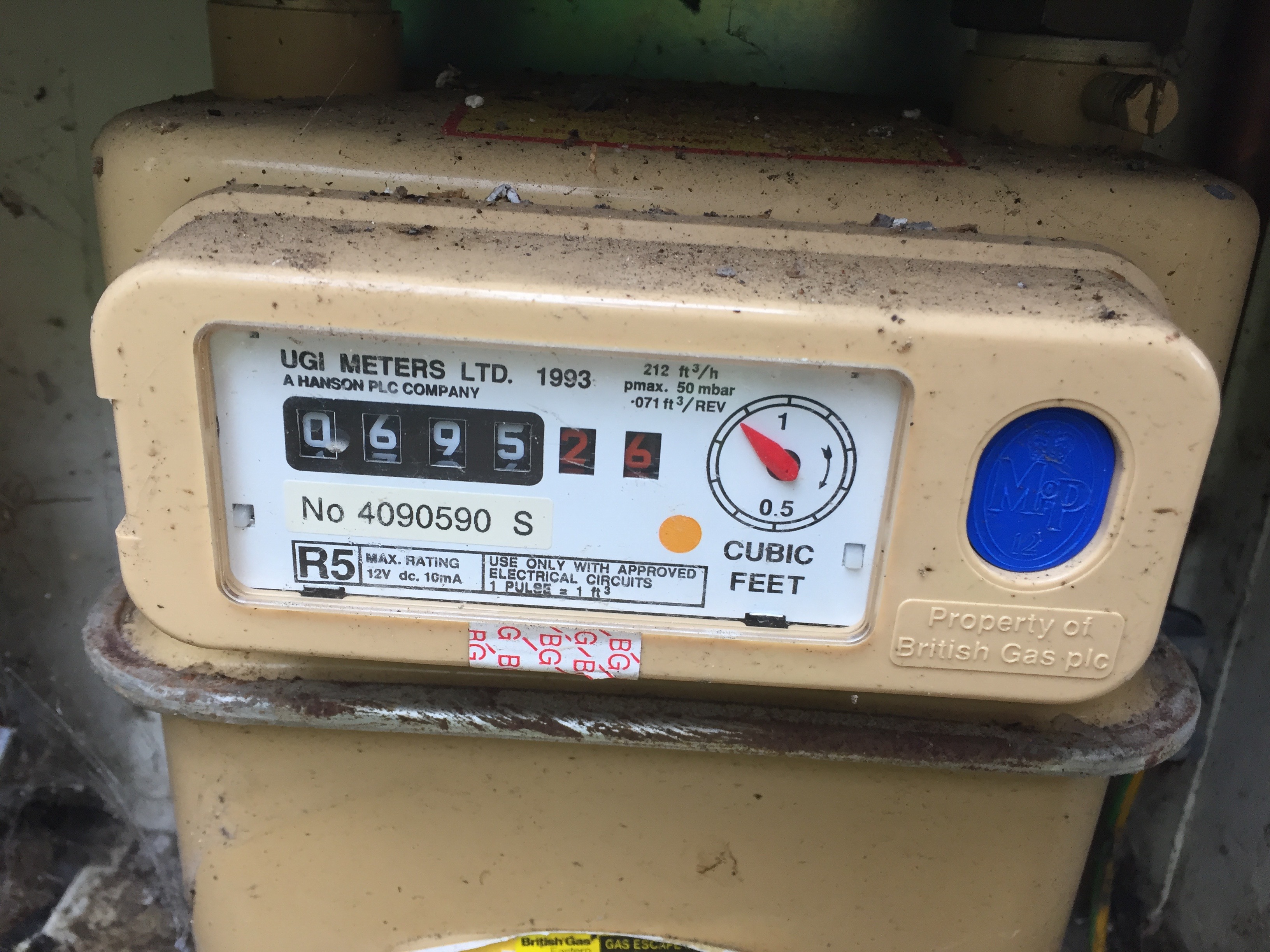
UGI Corporation and Global Energy Markets
Beyond the regulated utility side, UGI Corporation has a significant footprint in the global energy market, most notably through its subsidiary, AmeriGas, and its international LPG operations.
AmeriGas and LPG
AmeriGas is one of the largest retail propane marketers in the United States. Unlike regulated natural gas, which is delivered via pipe to the home, propane is typically delivered by truck to a storage tank located on the customer's property. This service model is common in rural or suburban areas where natural gas infrastructure is unavailable.
International Operations
UGI International operates across several European countries, providing LPG and other energy products. This segment of the business is driven by different market dynamics than the domestic utility sector. In Europe, the business focuses on energy efficiency, the transition to lower-carbon fuels, and maintaining competitive supply chains in a complex geopolitical landscape.
Comparison of UGI Service Types
To better understand the specific nature of your interaction with UGI, it is helpful to categorize the services provided. The following table highlights the primary differences between these business segments.
| Service Type | Delivery Method | Regulation Level | Typical Customer |
|---|---|---|---|
| Natural Gas Utility | Underground Pipeline | Highly Regulated | Residential/Commercial |
| Electric Utility | Power Lines/Grid | Highly Regulated | Residential/Commercial |
| Propane (AmeriGas) | Truck Delivery | Market-Based | Rural/Residential/Industrial |
| Midstream/Energy | Pipelines/Terminals | Contract-Based | Industrial/Wholesale |
Navigating Regulatory Compliance and Safety
As a utility provider, UGI is subject to stringent safety regulations. The safety of the public and the employees is the primary driver of the company’s operating procedures. In the event of a suspected gas leak, the company mandates specific protocols that every consumer should understand.
Reporting Gas Leaks
If a customer smells the distinct odor of mercaptan (the chemical added to natural gas to give it a rotten-egg scent), the instructions are universal across UGI service territories:
- Leave the area immediately. Do not attempt to locate the source of the leak.
- Do not use electrical switches. Creating a spark can ignite the gas.
- Move to a safe distance outside the building.
- Call the UGI emergency number or 911 once you are in a safe location.
Utility Reliability and Maintenance
Regulation requires that UGI conduct regular inspections of its distribution lines. These programs include leak surveys, atmospheric corrosion inspections, and cathodic protection testing. These procedures are meant to prevent incidents before they occur. Customers are often notified when work crews are in their area performing these routine safety checks.
Economic Impact and Consumer Costs
The cost of UGI services is heavily influenced by the wholesale market price of commodities (natural gas and electricity) and the cost of maintaining the infrastructure. Under the regulatory model, UGI is permitted to recover the reasonable costs of providing service, plus a regulated rate of return.
Rate Cases
When UGI requires an increase in revenue to cover infrastructure investments, it must file a "rate case" with the state utility commission. This process involves public hearings and administrative reviews, allowing consumer advocates and other stakeholders to voice concerns. As a consumer, you have the right to follow these proceedings through the commission’s public documentation portal.
Assistance Programs
Recognizing the impact of energy costs, UGI participates in various assistance programs designed to help low-to-moderate-income customers manage their bills. These often include:
- LIHEAP (Low Income Home Energy Assistance Program): A federal program administered at the state level.
- Budget Billing: A plan that levels out seasonal spikes in heating costs by spreading payments equally over the year.
- Customer Assistance Programs (CAP): Specialized programs that offer discounted rates or arrears forgiveness for eligible participants.
Frequently Asked Questions
Is UGI a government agency? No, UGI is a public company. While its utility operations are heavily regulated by government commissions to ensure fair pricing and safety, the company itself is a private, for-profit entity that reports to its shareholders.
How do I tell if my service is provided by UGI? Your monthly statement will clearly indicate the name of the utility. If you are a natural gas customer in the UGI service area, your bill will specifically identify UGI Utilities, Inc. If you use propane, your bill will likely come from AmeriGas.
Why does my bill fluctuate if my usage is the same? Utility bills often include a "Purchased Gas Cost" (PGC) or similar adjustment. This reflects the actual cost the company paid to purchase the energy on the wholesale market. Because these commodity prices change based on global supply and demand, the cost per unit of energy can shift month to month.
Can I switch to another energy supplier? In many states, including Pennsylvania, energy choice programs exist. This allows customers to shop for a different "supplier" of natural gas or electricity. However, UGI remains the "distributor"—they own the pipes and wires that deliver the energy to your home, and they remain responsible for emergency response and maintenance, regardless of which supplier you choose.
What should I do if I cannot pay my bill? Contact UGI’s customer service department immediately. Utility companies prefer to set up payment arrangements rather than disconnect service. Engaging early increases the likelihood of qualifying for payment plans or assistance programs before service is impacted.
Next Actions for Customers
If you are a resident or business owner within a UGI service area, your primary point of engagement should be the official UGI Utilities web portal.
- Verify your account: Ensure you are registered for online account access to track your consumption and view billing details.
- Review your supply choice: If your state allows, investigate energy choice options to ensure you are getting the best rate for your situation.
- Sign up for notifications: Opt into digital alerts for billing due dates or service interruptions to stay informed.
- Save the emergency contact: Keep the UGI emergency gas hotline number saved in your phone. Do not rely on finding it during a potential emergency.
By distinguishing between the global holding company and the local utility, and by understanding your rights as a consumer within a regulated energy market, you can better manage your energy costs and ensure a safe and reliable service experience.
Image Gallery
Select an image to open it in a new tab.


Simon Caldwell
Enterprise Technology and Systems Editor
