What Denomination Is Joyce Meyer? Her Ministry, Faith, and Beliefs
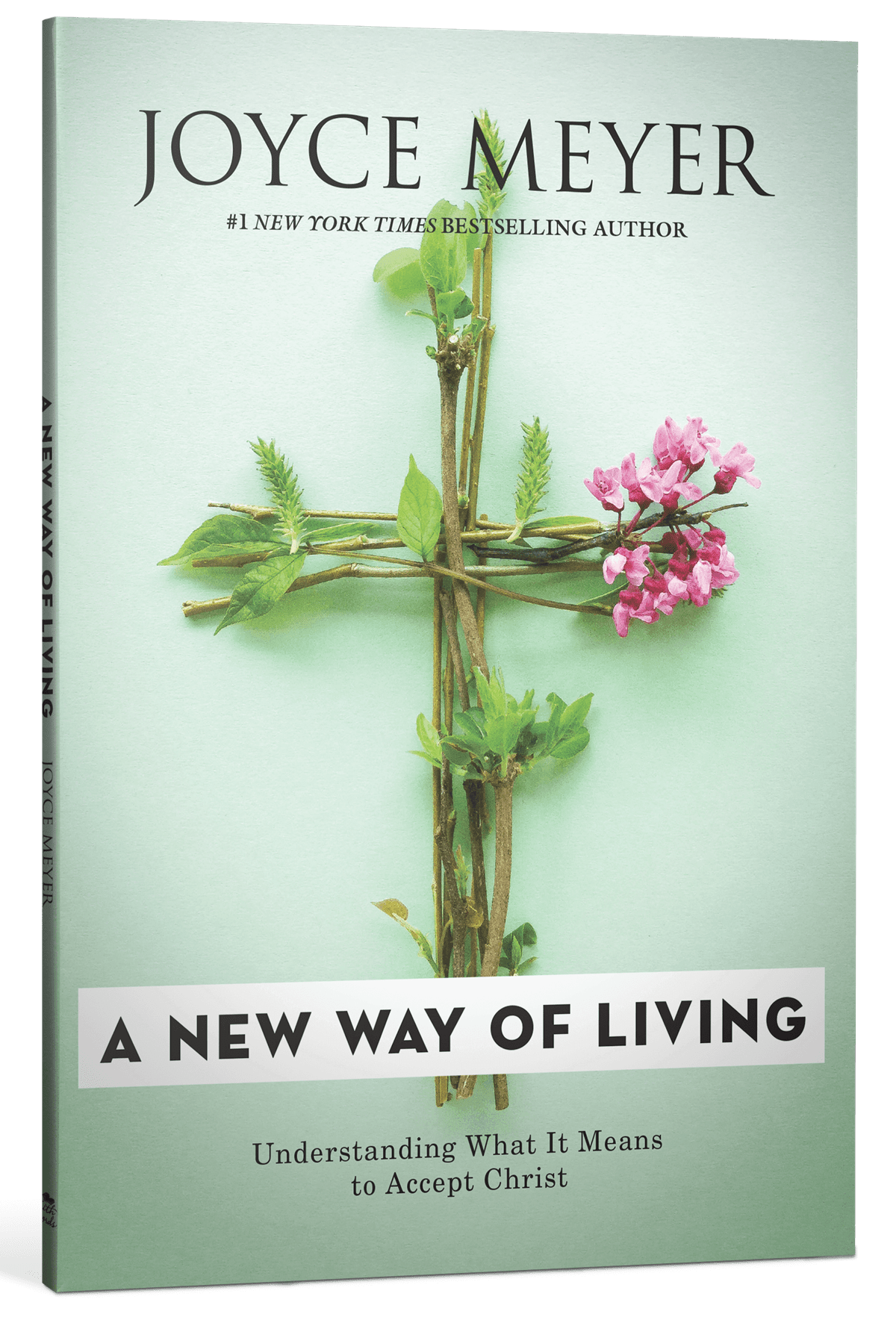
Joyce Meyer is a non-denominational Charismatic Evangelical Christian. Although raised in the Lutheran Church–Missouri Synod, she transitioned into non-denominational Christian ministry following a spiritual experience in 1976. Today, her global organization, Joyce Meyer Ministries, operates independently of any traditional church denomination, focusing on practical biblical teaching and charismatic theology.
Joyce Meyer’s Religious Background: From Lutheranism to Charismatic Ministry
Understanding Joyce Meyer’s current theological standing requires looking at her spiritual trajectory. Born Pauline Joyce Hutchison in St. Louis, Missouri, in 1943, Meyer spent her childhood and early adult years within the Lutheran tradition—specifically the Lutheran Church–Missouri Synod (LCMS).
The LCMS is a conservative Christian denomination grounded in traditional Lutheran confessions, emphasizing liturgical worship, sacramental theology, and liturgical order. However, Meyer’s spiritual direction shifted dramatically in 1976. According to her public statements and biographical accounts, Meyer experienced a profound personal encounter with God while driving to work, which she describes as being filled with the Holy Spirit—a core concept within Charismatic and Pentecostal traditions.
Lutheran Upbringing (LCMS) ➔ 1976 Charismatic Experience ➔ Life Christian Center (Fenton, MO) ➔ Joyce Meyer Ministries (Independent)
Following this experience, Meyer began hosting local Bible studies and joined Life Christian Center, a non-denominational, charismatic church in Fenton, Missouri. The church eventually ordained her as an associate pastor. Her popularity as a speaker grew rapidly, leading her to establish her own independent ministry, originally called Life in the Word, which later became Joyce Meyer Ministries.
What Is Non-Denominational Charismatic Christianity?
To understand where Joyce Meyer fits in the modern religious landscape, it helps to break down what it means to be a non-denominational Charismatic Christian.
1. Non-Denominational
A non-denominational church or ministry is not affiliated with a formal governing body, denomination, or traditional church hierarchy (such as the Southern Baptist Convention, the United Methodist Church, or the Presbyterian Church USA). Instead, non-denominational ministries:
- Maintain independent church governance and doctrinal statements.
- Choose their own leadership structure and financial oversight mechanisms.
- Focus on general Protestant Christian doctrines rather than denominational creeds.
2. Charismatic Movement
The Charismatic movement began in the mid-20th century, bringing Pentecostal emphasis on spiritual gifts into mainstream Protestant and Catholic churches, as well as independent ministries. Charismatic Christians emphasize:
- The Person and Power of the Holy Spirit: Believing that spiritual gifts described in the New Testament—such as healing, prophecy, speaking in tongues, and spiritual discernment—are active today.
- Experiential Faith: Encouraging a direct, personal, and emotional connection with God.
- Contemporary Worship: Utilizing modern music styles and dynamic preaching techniques rather than traditional liturgies.
Joyce Meyer combines these two traditions by operating an independent, non-denominational teaching organization that openly embraces charismatic expressions of faith, such as prayer for divine healing and the active present-day work of the Holy Spirit.
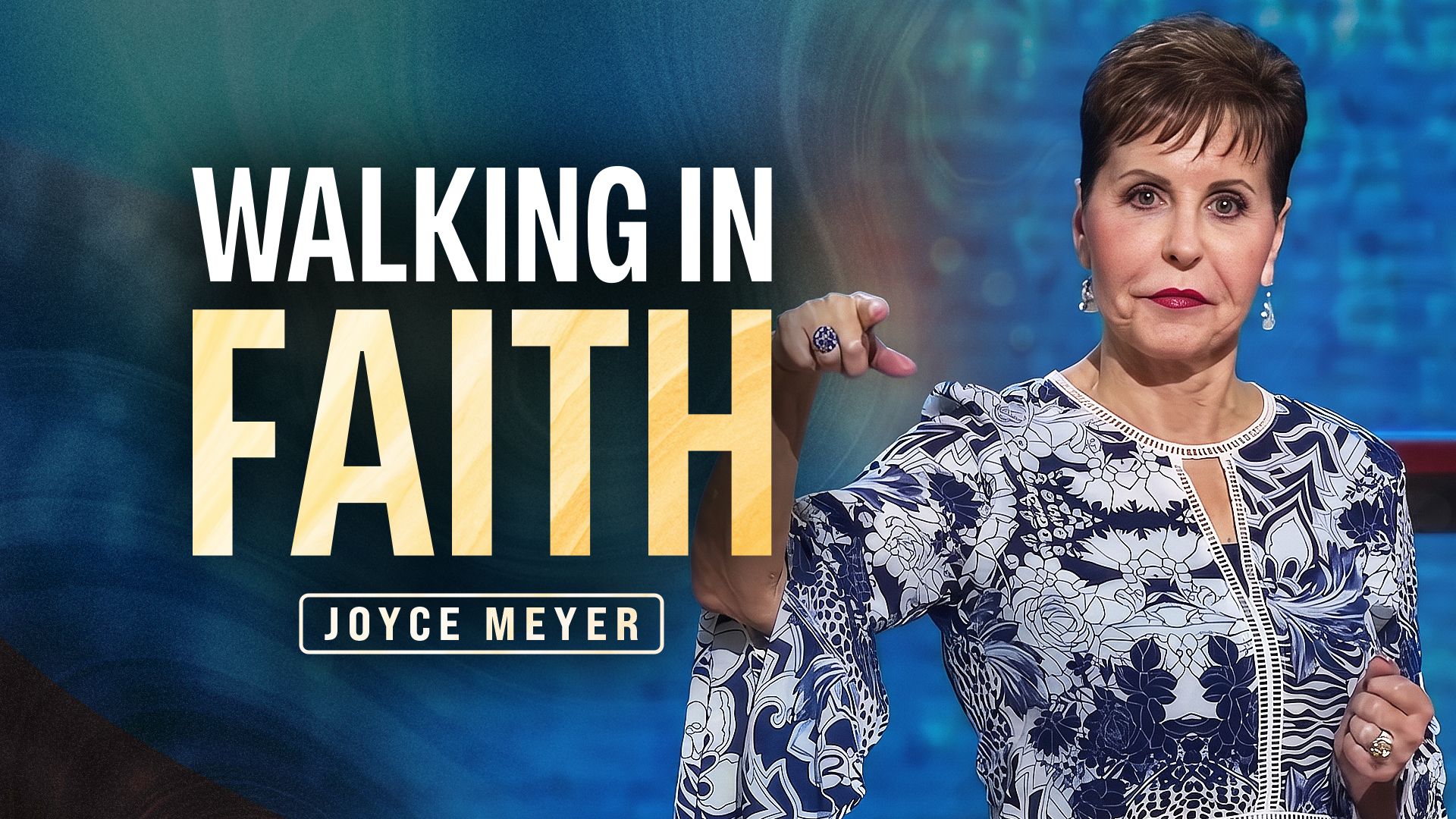
Core Theological Beliefs of Joyce Meyer Ministries
While Joyce Meyer does not preach under a specific denominational banner, her teachings align closely with mainstream Evangelical Christian theology combined with Charismatic themes. The essential doctrines taught by Joyce Meyer Ministries include:
The Authority of Scripture
Like most Evangelical Christians, Joyce Meyer holds a high view of the Bible, teaching that Scripture is the inspired, infallible Word of God. Her broadcasts, such as Enjoying Everyday Life, focus on applying biblical verses to personal challenges, emotional healing, and everyday decision-making.
Salvation Through Jesus Christ
Meyer teaches classical Protestant soteriology: salvation is by grace through faith in Jesus Christ alone, achieved through His death, burial, and resurrection. Her ministry regularly invites viewers and readers to make personal professions of faith in Christ.
The Holy Spirit and Present-Day Gifts
Central to Charismatic theology, Meyer teaches that God grants the Holy Spirit to empower believers for daily living. This includes belief in supernatural healing, spiritual restoration, and personal guidance from God.
Practical Christian Living
A defining characteristic of Meyer's teaching style is her focus on mindsets, mouth (speech), and attitudes. She frequently addresses topics such as overcoming anger, anxiety, abuse, guilt, and low self-esteem through biblical principles, self-discipline, and prayer.
Relationship with Word of Faith Teachings
Historically, Joyce Meyer has been associated with elements of the Word of Faith movement—a Christian movement that emphasizes the power of spoken words, faith-filled prayer, and divine promises of health and spiritual prosperity.
Over the years, theologians and media commentators have discussed her alignment with Word of Faith concepts:
- Positive Confession: Meyer emphasizes speaking God's Word over one's circumstances to affect mental, physical, and emotional change.
- Prosperity Theology: While early in her ministry Meyer preached messages close to traditional prosperity gospel ideas, in later years she publicly moderated her stance. She has acknowledged that financial wealth is not guaranteed solely through giving and has cautioned against excessive focus on material gain, emphasizing instead a holistic view of divine blessing that includes emotional peace, healthy relationships, and physical well-being.
Denominational Comparison: Joyce Meyer vs. Other Traditions
To clarify how Joyce Meyer’s ministry compares with established Christian traditions, the table below highlights key theological and structural distinctions across major streams of faith:
| Theological Area | Lutheran Church–Missouri Synod (Her Background) | Non-Denominational Charismatic (Joyce Meyer) | Mainline Evangelicalism | Traditional Word of Faith |
|---|---|---|---|---|
| Church Governance | Synodical hierarchy / Local congregational council | Independent board / Elder governance | Denominational synods or independent boards | Independent elder / Pastoral authority |
| View of Spiritual Gifts | Cessationist / Historical view of miraculous gifts | Continuationist (Gifts active today) | Varies (Continuationist or Cessationist) | Strong emphasis on miraculous gifts and healing |
| Style of Teaching | Liturgical, sacramental, catechism-focused | Practical, topical, charismatic, personal | Expositional, practical, topical | Declarative, faith-confession oriented |
| View of Wealth & Health | Cross-centered suffering; earthly blessings vary | Moderate emphasis on holistic blessing and stewardship | Stewardship emphasis; varied stances on prosperity | Strong focus on guaranteed physical health and wealth |
| Sacraments / Ordinances | Baptism and Eucharist as Means of Grace | Ordinances viewed as symbolic acts | Ordinances viewed as symbolic or sacramental | Ordinances viewed primarily as symbolic acts |
Ministry Structure, Governance, and Accountability
Because Joyce Meyer operates outside a traditional denomination, her ministry relies on independent institutional governance structures rather than denominational oversight boards.
Financial Accountability and ECFA Accreditation
Independent ministries often face questions regarding financial transparency, particularly given their scale. Joyce Meyer Ministries is an accredited member of the Evangelical Council for Financial Accountability (ECFA). ECFA accreditation requires member organizations to adhere to strict standards regarding financial management, board governance, fundraising integrity, and public disclosure.
Independent Board Governance ➔ Financial Audits ➔ ECFA Accreditation Standards ➔ Public Transparency Reports
Humanitarian Outreach: Hand of Hope
Rather than sending resources to denominational mission boards, Joyce Meyer Ministries manages its own international relief organization called Hand of Hope. Through Hand of Hope, the ministry funds:
- Global feeding programs and disaster relief efforts.
- Medical and dental clinics in underserved regions.
- Anti-human trafficking initiatives.
- Clean water well projects in developing nations.
This operational model allows non-denominational organizations to combine broadcast teaching with direct humanitarian aid under a single independent structure.
Frequently Asked Questions
Is Joyce Meyer a Baptist or Pentecostal minister?
Joyce Meyer is neither Baptist nor Pentecostal by formal denominational membership. While her practical, Bible-centered preaching appeals to many Baptists, her belief in the continuation of spiritual gifts aligns more closely with Pentecostal and Charismatic traditions. However, she remains strictly non-denominational.
Where was Joyce Meyer ordained?
Joyce Meyer was ordained as an associate pastor at Life Christian Center, an independent, non-denominational charismatic church located in Fenton, Missouri. Her ordination was conferred through the authority of that local congregation rather than a national denominational body.
What church does Joyce Meyer attend today?
Joyce Meyer and her family attend and support local non-denominational churches in the St. Louis, Missouri area, while also hosting services through her own ministry conferences and outreach events worldwide.
Does Joyce Meyer belong to the Southern Baptist Convention?
No, Joyce Meyer is not affiliated with the Southern Baptist Convention (SBC). SBC churches are governed by specific Baptist confessions of faith and do not typically endorse female lead pastors or Charismatic teachings on continuous miraculous gifts in the same manner as non-denominational charismatic ministries.
Is Joyce Meyer Ministries a recognized church?
Joyce Meyer Ministries operates primarily as a non-profit, non-denominational religious broadcast and outreach organization rather than a local parish church. It is registered as a 501(c)(3) religious organization in the United States.
Next Steps for Readers and Seekers
If you enjoy Joyce Meyer’s practical teaching style and are looking for a local church community that shares similar theological perspectives, consider these practical steps:
- Look for Non-Denominational or Charismatic Congregations: Seek local churches categorized as non-denominational, charismatic, or evangelical. Many belong to networks like the Association of Related Churches (ARC) or independent ministerial fellowships.
- Review Church Statements of Faith: Before joining a local church, read its published statement of faith on its website to verify its stance on Scripture, spiritual gifts, and church leadership structures.
- Evaluate Leadership Accountability: Ensure any non-denominational church or ministry you support has a clear system of elder leadership, transparent financial practices, and independent oversight.
Image Gallery
Select an image to open it in a new tab.


Celine Dubois
Contemporary Living and Global Arts Columnist
