Weather in the Dominican Republic in September: Climate, Rainfall, and Travel Planning
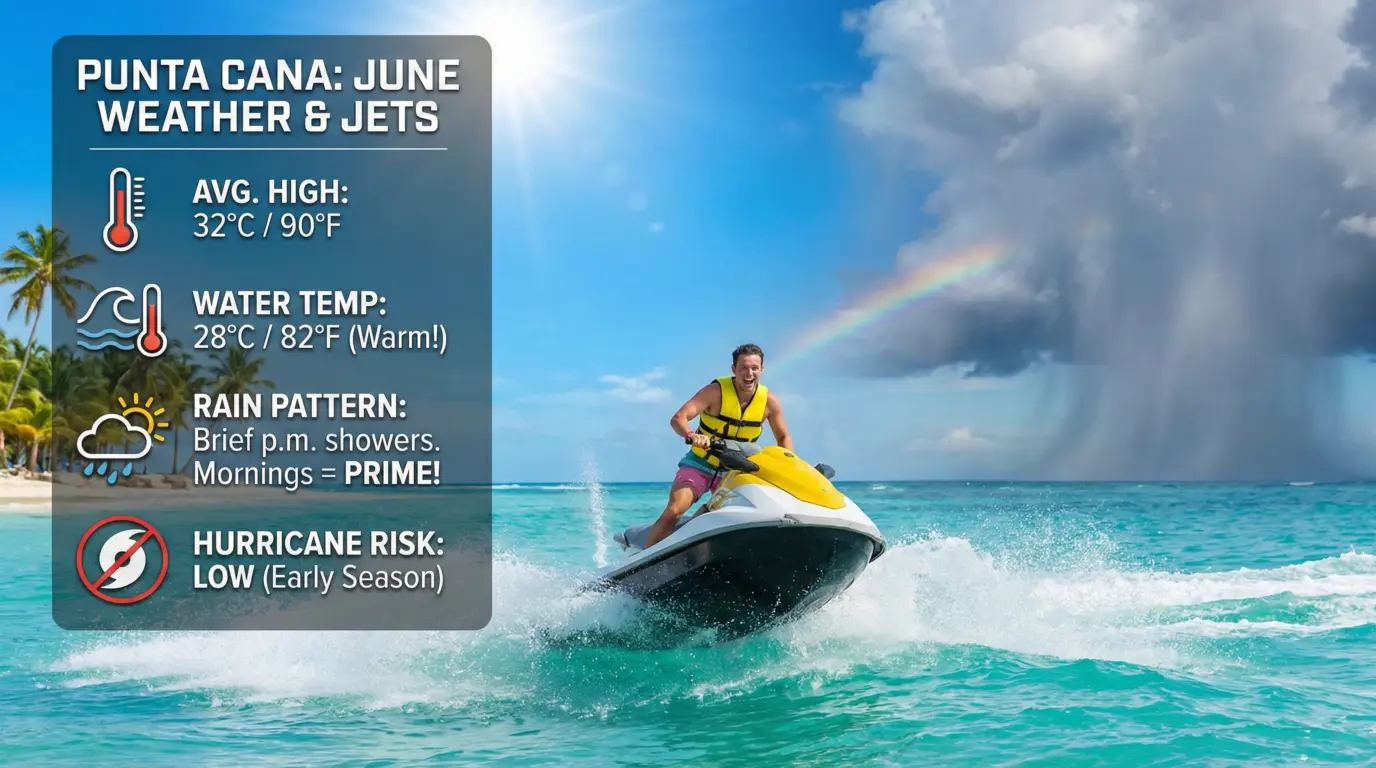
September in the Dominican Republic brings hot temperatures, high humidity, and the peak of the Caribbean hurricane season, alongside warm ocean waters, fewer crowds, and lower travel prices. Daytime temperatures regularly exceed 30°C (86°F), frequent tropical downpours and afternoon thunderstorms occur, and regional weather patterns require close monitoring due to tropical storm activity.
Understanding the climatic nuances of the Dominican Republic in September requires examining regional variations, historical weather data, safety considerations for travelers, and practical packing strategies. Because the country features diverse topographies—ranging from coastal beaches and arid lowlands to soaring mountain ranges—weather patterns can vary significantly depending on whether you visit Punta Cana, Santo Domingo, Puerto Plata, or Samaná.
Meteorological Overview of September
September falls squarely within the Caribbean wet season and represents the statistical peak of the Atlantic hurricane season, which runs officially from June 1 to November 30. During this month, sea surface temperatures in the Atlantic Ocean and the Caribbean Sea reach their annual maximum, typically hovering around 28°C to 29°C (82°F to 84°F). These warm waters act as the primary fuel source for tropical disturbances, tropical storms, and hurricanes.
Atmospheric conditions in September also feature high levels of moisture and instability. Daytime high temperatures across coastal and lowland areas consistently average between 31°C and 33°C (88°F to 91°F), while nighttime lows offer modest relief, dropping to around 22°C to 24°C (72°F to 75°F). Humidity levels are remarkably high, frequently exceeding 80%, which can make the air feel considerably warmer than the actual thermometer reading.
Precipitation in September is characterized less by all-day continuous rain and more by intense, localized downpours. These storms typically develop in the afternoon or early evening after intense daytime solar heating evaporates moisture from the surrounding seas and lush terrain. While these squalls can drop large amounts of water in a short period, they are often followed by clearing skies and sunshine.
Regional Climate Variations Across the Country
The Dominican Republic shares the island of Hispaniola with Haiti and features complex geography that creates microclimates. Consequently, weather conditions in September differ notably from one region to another.
| Region | Average High Temp | Typical September Weather | Primary Meteorological Influence |
|---|---|---|---|
| Punta Cana (East) | 31°C / 88°F | Hot, humid, brief showers | Atlantic trade winds, coastal storms |
| Santo Domingo | 32°C / 90°F | Humid, afternoon squalls | Urban heat island, southern coast |
| Puerto Plata | 32°C / 90°F | Warm, frequent rainfall | Northern mountain barrier (Cordillera) |
| Samaná Peninsula | 31°C / 88°F | Lush, high precipitation | Tropical moisture, coastal bays |
| Constanza / Alps | 24°C / 75°F | Cooler, misty mountains | High altitude elevation |
The Eastern Coast (Punta Cana and Bávaro)
Punta Cana experiences steady trade winds that help mitigate the heavy September heat, though humidity remains high. Rain showers are common but often brief and passing, frequently occurring overnight or in the late afternoon. Because the terrain is relatively flat, storms tend to move across the area quickly rather than stalling.
The Capital and Southern Coast (Santo Domingo and La Romana)
Santo Domingo, situated on the southern coast, experiences significant urban heat combined with high humidity. September is one of the wettest months for the capital. Afternoon thunderstorms can lead to localized street flooding due to urban runoff systems being overwhelmed by sudden downpours.
The Northern Coast (Puerto Plata, Cabarete, and Sosúa)
Protected partially by the Cordillera Septentrional mountain range, the northern coast experiences warm weather with notable rainfall totals in September. When tropical systems move through the Atlantic, the northern coast often feels their outer bands, resulting in choppy ocean conditions and persistent overcast periods interspersed with heavy rain.
The Mountain Interior (Jarabacoa and Constanza)
For travelers seeking respite from coastal heat, the central mountain range offers significantly cooler conditions. In towns like Constanza, September daytime highs average a comfortable 24°C (75°F), and nights can feel brisk, dropping to 15°C (59°F). However, afternoon mountain mists, fog, and heavy downpours are frequent occurrences.
Tropical Storm and Hurricane Risk
Because September is the most active month of the Atlantic hurricane season, anyone planning travel or residing in the Dominican Republic during this time must maintain situational awareness. While direct landfalls by major hurricanes are statistically infrequent in any single year, the threat of tropical depressions, tropical storms, and heavy rain-producing systems is a reality.
Historical Context and Monitoring
According to climatological data maintained by agencies such as the U.S. National Hurricane Center (NHC) and the Dominican Republic's meteorological office (ONAMET), September records the highest frequency of named storms in the tropical Atlantic basin. Systems that form off the coast of Africa (Cape Verde storms) travel westward across the Atlantic and frequently threaten or brush past the Lesser Antilles and Hispaniola.
Practical Precautions for Travelers
- Monitor Official Sources: Track developing weather systems via the National Hurricane Center or local weather advisories rather than relying on unverified social media posts.
- Review Resort and Airline Policies: Understand cancellation, change, and travel insurance policies before booking. Many major resorts and airlines offer flexible booking or hurricane guarantees during peak storm season.
- Emergency Preparedness: Familiarize yourself with resort or hotel emergency evacuation plans and keep electronic copies of important identification and travel documents secure.
Advantages of Visiting in September
Despite the weather challenges, September is a popular time for budget-conscious travelers and those seeking a quieter experience. Understanding the trade-offs can help determine if a September trip aligns with your travel style.
- Lower Costs: Flights, resort packages, and excursion prices drop significantly during September as it marks the low season for tourism.
- Fewer Crowds: Popular beaches, historic sites, and national parks experience minimal congestion, offering a more tranquil and relaxed atmosphere.
- Warm Ocean Water: Sea temperatures are at their absolute warmest, making water activities exceptionally pleasant during clear weather windows.
- Lush Landscapes: Frequent rainfall ensures that the countryside, waterfalls, and national parks are vibrant, green, and visually stunning.
Packing Strategy for September Weather
Packing for the Dominican Republic in September requires balancing the need for cool, breathable fabrics against the certainty of rain and high humidity.
- Lightweight, Breathable Clothing: Pack loose-fitting garments made from natural fibers like cotton or high-performance synthetic moisture-wicking materials to manage the intense humidity.
- Rain Gear: A compact, durable travel umbrella and a lightweight, breathable rain jacket or poncho are essential items for sudden downpours.
- Footwear: Bring quick-drying sandals or water shoes for beach days and wet excursions, alongside sturdy walking shoes that can handle slick surfaces.
- Sun and Insect Protection: High-SPF reef-safe sunscreen, polarized sunglasses, a wide-brimmed hat, and effective insect repellent are necessary due to mosquitoes thriving in the wet climate.
- Waterproof Protection: Use dry bags or waterproof phone pouches to safeguard electronics and important documents during sudden tropical storms.
Frequently Asked Questions
Is September a good time to visit the Dominican Republic?
September is an excellent time to visit if you prioritize lower prices, fewer crowds, and don't mind high humidity, frequent rain showers, and the potential need to monitor tropical weather systems. Travelers seeking guaranteed sunshine and dry conditions may prefer the drier winter months between December and April.
How bad is the rain in the Dominican Republic in September?
Rain in September typically comes in the form of heavy, short-lived afternoon thunderstorms or tropical downpours rather than all-day washouts. However, if a tropical storm or hurricane passes near the island, persistent rain and gusty winds can last for several days.
Are resorts and businesses closed in September?
Most major resorts, hotels, and restaurants remain open year-round, though some properties utilize this low-season month to perform annual maintenance, deep cleaning, or minor renovations. It is advisable to check directly with specific accommodations regarding their operational status.
What should I do if a hurricane threatens during my trip?
Follow all instructions issued by local authorities, hotel management, and resort staff. Shelters within modern resort complexes are engineered to withstand severe weather. Keep communication devices charged, stay indoors during the worst of the storm, and contact your airline or travel provider as soon as safe operations resume.
Next Actions for Travelers
If you plan to visit the Dominican Republic in September, begin by securing comprehensive travel insurance that explicitly covers trip interruption or cancellation due to named tropical storms. Monitor long-term meteorological forecasts two to three weeks out, maintain flexibility in your daily itinerary to work around afternoon rain showers, and embrace the vibrant, warm-weather rhythm of the Caribbean.
Image Gallery
Select an image to open it in a new tab.
Simon Caldwell
Enterprise Technology and Systems Editor
