Virginia Giuffre and Andrew: The Historic Legal Battle and Its Repercussions

The legal confrontation between Virginia Giuffre and Prince Andrew culminated in a landmark 2022 civil settlement that reshaped the public accountability landscape for high-profile figures. Giuffre accused Prince Andrew of sexual abuse when she was a minor, leading to a multi-million dollar out-of-court agreement, the stripping of the Duke's military titles, and his effective retirement from public life.
Background and Initial Allegations
The public controversy linking Virginia Giuffre and Prince Andrew originated from investigations into the criminal activities of convicted sex offender Jeffrey Epstein and his associate Ghislaine Maxwell. Giuffre, formerly known as Virginia Roberts, emerged as one of the most prominent accusers within the network, alleging that she was trafficked by Epstein and Maxwell to prominent individuals during her youth.
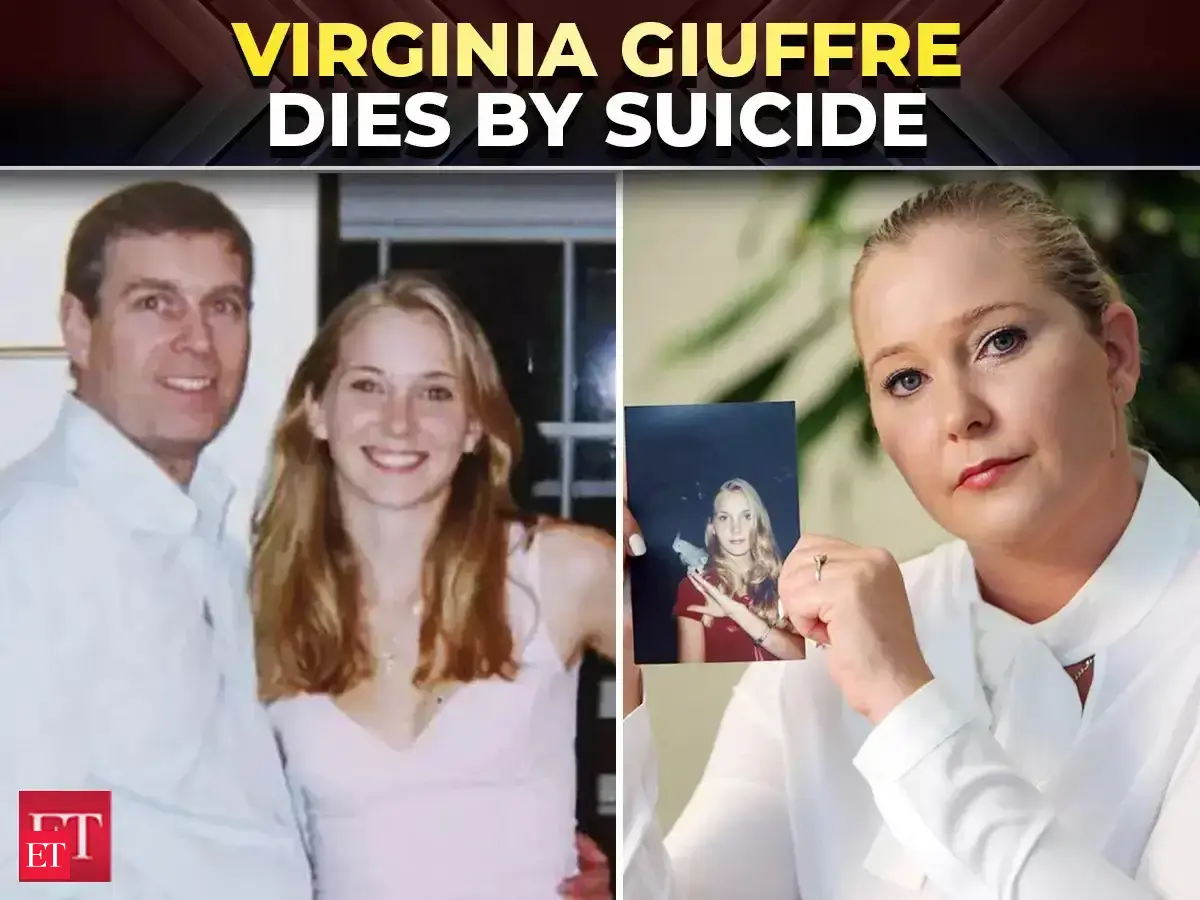
Among the figures named in various court documents, depositions, and public statements was Prince Andrew, a member of the British royal family. According to Giuffre’s legal claims and media interviews, she met the Duke of York in London in 2001 through Maxwell and subsequently encountered him in New York and on Epstein’s private island in the U.S. Virgin Islands. Prince Andrew consistently and adamantly denied these allegations, claiming in a heavily scrutinized 2019 BBC Newsnight interview that he had no recollection of ever meeting Giuffre and that a widely circulated photograph showing them together was potentially doctored.
The friction between the public denials and escalating witness testimonies created an untenable public relations and institutional crisis for the British monarchy. As investigative journalism unspooled more details regarding Epstein's inner circle, pressure mounted on legal institutions and royal advisors to address the claims directly rather than relying on dismissive statements.
The 2021 Civil Lawsuit in New York
With the passage of the New York Child Victims Act—a state law that temporarily lifted the statute of limitations for survivors of childhood sexual abuse to file civil lawsuits—Virginia Giuffre initiated formal legal action against Prince Andrew in the United States District Court for the Southern District of New York in August 2021.
Filing under civil law, Giuffre sought damages for emotional distress, battery, and intentional infliction of emotional distress. This legal move bypassed the hurdles of criminal prosecution, providing a pathway for discovery depositions, document production, and sworn testimony. Prince Andrew’s legal team mounted an aggressive defense, attempting to have the lawsuit dismissed entirely. They argued that a 2009 confidential settlement agreement between Giuffre and Jeffrey Epstein contained clauses that legally shielded other potential defendants, including the Duke of York, from future litigation.
| Legal Phase | Key Action / Event | Significance |
|---|---|---|
| August 2021 | Giuffre files civil suit in New York | Utilized the Child Victims Act to bypass statute of limitations. |
| Late 2021 | Prince Andrew's motion to dismiss | Argued a 2009 Epstein settlement protected other defendants. |
| January 2022 | Federal judge rejects dismissal | Judge Lewis Kaplan ruled the 2009 settlement language was ambiguous. |
| February 2022 | Settlement agreement reached | Avoided a high-profile jury trial by agreeing to financial terms and a donation. |
Judge Lewis Kaplan ultimately rejected the motion to dismiss in January 2022, ruling that the text of the 2009 settlement was sufficiently ambiguous regarding third-party protections. This ruling cleared the path for a potentially explosive jury trial scheduled for late 2022, which would have required Prince Andrew to sit for a deposition and potentially testify under oath regarding his relationship with Epstein and Maxwell.
The 2022 Settlement and Institutional Fallout
Faced with the prospect of an intensive civil trial and mounting public scrutiny, legal representatives for Virginia Giuffre and Prince Andrew reached an out-of-court settlement in February 2022. While the exact financial terms were kept confidential, subsequent media reports and court filings indicated a substantial multi-million dollar payout, which included a significant donation by Prince Andrew to Giuffre’s charity supporting victims' rights.
Crucially, the settlement did not include an admission of liability or a formal apology from Prince Andrew, though the document explicitly stated that he acknowledged Giuffre had suffered as a victim of abuse and acknowledged his past association with Jeffrey Epstein.
The consequences for Prince Andrew were immediate and severe:
- Loss of Military Affiliations: The UK Ministry of Defence and Buckingham Palace announced the formal return of Prince Andrew’s military titles and royal patronages to Queen Elizabeth II.
- Removal of Style: He was stripped of the use of the style "His Royal Highness" (HRH) in any official capacity.
- Public Exile: The Duke stepped back permanently from all public royal duties, effectively ending his career as a working member of the British royal family.
Impact on Legal Precedents and Advocacy
The resolution of the dispute between Virginia Giuffre and Prince Andrew left a lasting imprint on civil litigation involving powerful figures and victims of historical abuse. By testing the boundaries of state lookback windows like the New York Child Victims Act, the case demonstrated that civil courts can provide a viable forum for accountability when criminal charges are unfeasible or delayed.
Furthermore, the case catalyzed broader societal discussions regarding systemic protections afforded to elite networks. Advocacy groups pointed to the proceedings as a watershed moment illustrating that institutional status and royal titles do not exempt individuals from the reach of civil statutes. Giuffre’s public journey transformed her into a leading advocate for survivor rights, inspiring policy debates concerning mandatory reporting, arbitration clauses in settlements, and the strengthening of legal protections for minors worldwide.
Frequently Asked Questions
What were the exact allegations made by Virginia Giuffre against Prince Andrew?
Virginia Giuffre alleged that she was trafficked by Jeffrey Epstein and Ghislaine Maxwell when she was 17 years old and was forced into sexual encounters with Prince Andrew in London, New York, and the U.S. Virgin Islands. Prince Andrew consistently denied all allegations.
Did Prince Andrew admit guilt in the settlement?
No. The February 2022 settlement agreement did not include an admission of liability or guilt from Prince Andrew. However, he did state that he recognized Giuffre had suffered abuse and expressed regret for his association with Jeffrey Epstein.
Why was the lawsuit filed in the United States instead of the United Kingdom?
The lawsuit was filed in a New York federal court because the alleged incidents occurred partly in New York, and Giuffre utilized the New York Child Victims Act, which temporarily opened a window for survivors of childhood abuse to file civil claims regardless of when the events took place.
What happened to Prince Andrew’s royal titles after the settlement?
Prior to the finalization of the settlement, Queen Elizabeth II approved the return of Prince Andrew’s military affiliations and royal patronages. He was also barred from using the style "His Royal Highness" in any official capacity and ceased all working royal duties.
Conclusion and Next Actions
The legal battle and subsequent settlement between Virginia Giuffre and Prince Andrew closed a tumultuous chapter of accountability, permanently altering the public standing of the British royal family. For readers tracking developments in civil rights, historical abuse litigation, and institutional reform, examining the primary court documents from the Southern District of New York offers precise legal context regarding the application of lookback statutes and civil discovery rules.
Image Gallery
Select an image to open it in a new tab.




Simon Caldwell
Enterprise Technology and Systems Editor
