Understanding the King Crab Fishing Season in Alaska

The Alaska king crab fishing season is governed by strict management plans established by the Alaska Department of Fish and Game (ADF&G) to ensure long-term population sustainability. While commercial openings are highly seasonal and vary by species—primarily red, blue, and golden king crab—they typically occur in the fall and winter months. These windows are subject to annual Total Allowable Catch (TAC) quotas, which fluctuate based on biological survey data and stock health in specific regions like Bristol Bay and the Bering Sea.
The Regulatory Framework of Alaskan Crabbing
The management of king crab in Alaska is one of the most sophisticated examples of fishery science in the world. It is not a free-for-all; it is a highly regulated industry where the "season" is merely the final step in a year-long cycle of research and data analysis.
The primary regulatory body is the Alaska Department of Fish and Game (ADF&G), which works in tandem with the North Pacific Fishery Management Council. These organizations determine the health of the stocks by conducting extensive trawl and pot surveys during the spring and summer. Once the data is analyzed, the state sets the Total Allowable Catch (TAC) for the upcoming season.
For commercial operators, the season is not defined by a calendar date alone but by the achievement of specific catch limits. In the modern "rationalized" fishery, individual fishing quotas (IFQ) are assigned to license holders. This has largely eliminated the "derby style" of fishing, where boats would race to catch as much as possible before the season closed. Today, owners of quota can spread their fishing activity over a longer period, prioritizing safety and weather conditions.
Seasonal Windows by Species
King crab is not a monolithic category. The regulations differ significantly depending on the species and the management area. Understanding these distinctions is essential for those tracking the industry.
Red King Crab
The most famous of the Alaskan crabs, the red king crab, usually sees its commercial season open in the fall, often starting in mid-October. The primary region for this harvest is Bristol Bay. The opening is timed to coincide with the post-molting period, ensuring the crabs have reached a high meat-to-shell ratio.
Golden (Brown) King Crab
Golden king crab fisheries operate under different constraints. Unlike the red king crab, which is largely confined to specific, intense seasonal openings, the golden king crab fishery often has a longer, more staggered season. Because they inhabit deeper, more rugged volcanic terrain, they are less susceptible to the same survey methods used for shelf-dwelling crabs, leading to a more consistent, albeit challenging, harvest schedule.
Blue King Crab
The blue king crab fishery is subject to the most stringent volatility. Due to fluctuating populations in areas like the Pribilof Islands and St. Matthew Island, the season is frequently closed entirely. When it does open, the duration is often quite short, serving as a pulse-check on the health of these specific, isolated stocks.
Biological Drivers of the Season
The timing of the Alaska king crab fishing season is dictated by the life cycle of the crab itself. The primary objective of the ADF&G is to protect the stocks during their molting and mating periods.
Crabs must shed their hard exoskeletons to grow—a process known as molting. During this time, they are soft, vulnerable, and have low meat content. If fishing were allowed during these windows, the resource would be wasted and the population would be decimated. Furthermore, female crabs must be protected to ensure the next generation. By law, all female king crabs caught in the commercial fishery must be immediately returned to the sea. The season is carefully scheduled to avoid the peak mating times when reproductive success is most critical.
Comparison of Management Characteristics
| Feature | Red King Crab | Golden King Crab | Blue King Crab |
|---|---|---|---|
| Typical Region | Bristol Bay | Aleutian Islands | Pribilof/St. Matthew |
| Seasonality | Primarily Fall | Fall through Winter | Highly Variable/Closed |
| Management Focus | High biomass targets | Deep-water recovery | Conservative stock protection |
| Quota Type | IFQ (Rationalized) | IFQ (Rationalized) | Limited Entry |
Safety and Operational Realities
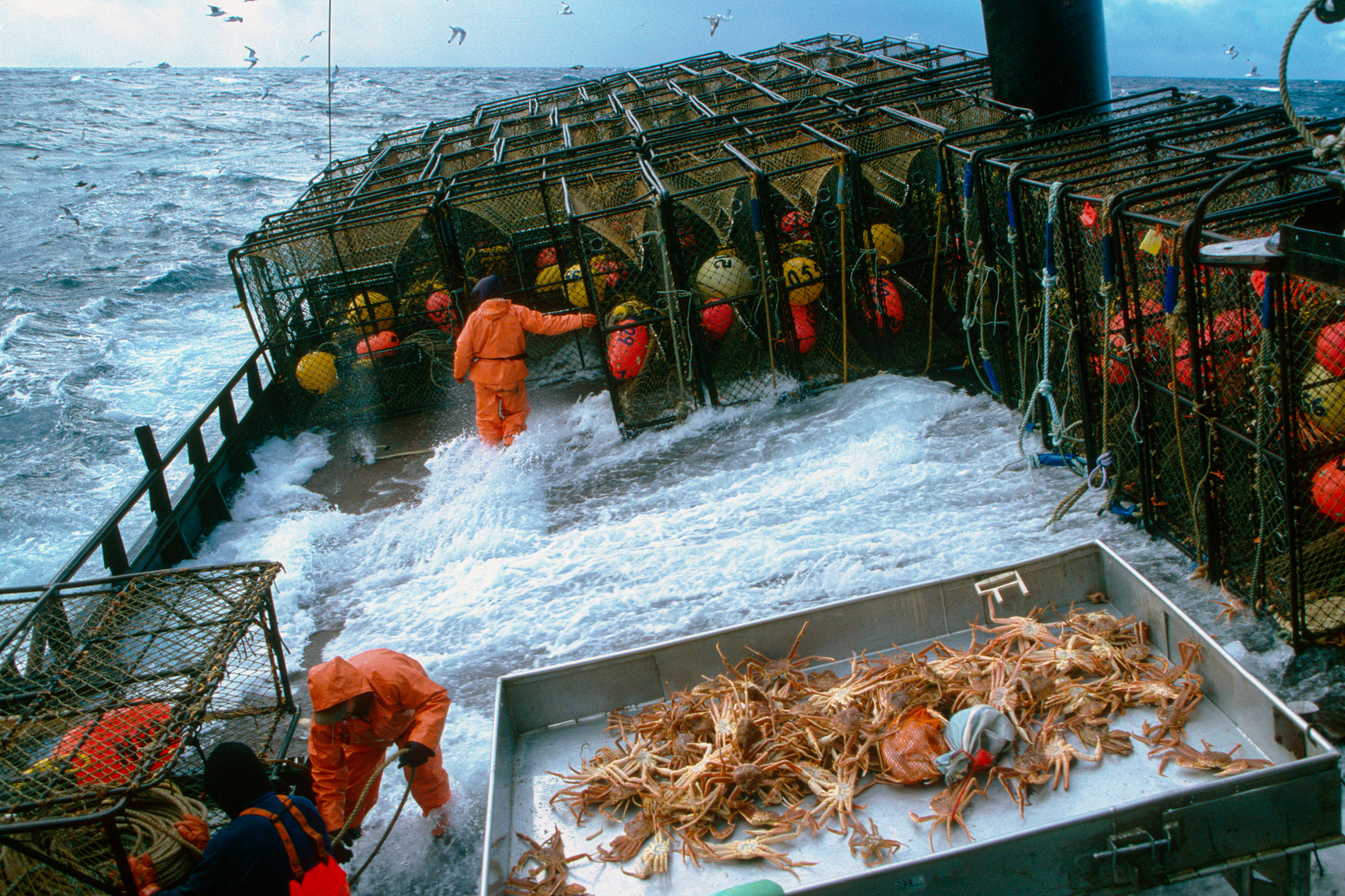
While the public often views the Alaska king crab fishing season through the lens of televised high-drama, the operational reality for 2026 remains a dangerous profession. The Bering Sea is one of the most volatile marine environments on the planet.
Even with the implementation of the rationalized fishery—which has significantly improved safety by allowing captains to wait for favorable weather rather than rushing into storms—the risks remain high. Freezing spray, which accumulates on rigging and railings, can cause a vessel to become top-heavy and capsize. Consequently, the "season" is often interrupted by periods of extreme weather, forcing boats to hunker down or seek shelter in the lee of islands.
Captains and crews must adhere to the Commercial Fishing Vessel Safety Program requirements, which include regular equipment inspections, survival suit drills, and the maintenance of sophisticated radar and sonar arrays to avoid collision and navigate the treacherous seafloor.
The Impact of Environmental Change
As of 2026, the industry is increasingly focused on the effects of ocean acidification and warming water temperatures in the North Pacific. These environmental shifts influence the location and abundance of crab populations. Scientific teams are continuously recalibrating their models to determine if the traditional seasonal start dates remain valid.
For instance, if warming waters shift the distribution of crab populations northward, the fishery may need to adjust its geographical boundaries or management areas. The ADF&G remains cautious, often preferring to maintain lower catch limits rather than risk over-harvesting during periods of environmental uncertainty. This precautionary approach is the primary reason why some seasons are delayed or shortened on short notice.
Frequently Asked Questions
Why are some king crab seasons cancelled?
Seasons are cancelled when biological surveys indicate that the population has dropped below a specific threshold required for sustainable reproduction. The ADF&G prioritizes long-term viability over short-term economic gain, meaning that if a stock is struggling, the season will remain closed until the population recovers.
Can anyone participate in the king crab fishery?
No. The commercial king crab fishery is highly restricted. It requires specific permits, vessel endorsements, and often the ownership of Individual Fishing Quotas (IFQ). It is not open to the general public or hobbyists.
What is the difference between an IFQ and a derby?
In a "derby," the season ends when a total catch limit is reached across the entire fleet, encouraging risky behavior. With IFQ (Individual Fishing Quotas), specific percentages of the total allowable catch are assigned to permit holders. This allows the holder to fish at their own pace, improving safety and product quality.
Are female crabs ever allowed to be caught?
No. Under Alaska state law, it is illegal to retain female king crabs in the commercial fishery. This regulation is strictly enforced to protect the reproductive capacity of the crab populations. Any female caught must be returned to the water immediately.
How does the season affect retail prices in 2026?
Retail pricing is largely dictated by the Total Allowable Catch (TAC) set for the season. If the TAC is low due to poor population survey results, the supply decreases, which generally leads to higher market prices for consumers across the country.
Next Actions and Verification
For those monitoring the industry in 2026, the most reliable source for updates is the official Alaska Department of Fish and Game (ADF&G) website. They provide real-time news releases regarding emergency orders, season start and end dates, and detailed stock assessments.
If you are a stakeholder, researcher, or member of the media, you should subscribe to the ADF&G’s official email notification list for your specific management region. This ensures you receive the most current information regarding quota adjustments or fishery closures as they are announced by state regulators. Always verify dates against official government notices rather than secondary news reports, as regulations can change rapidly due to weather or biological status reports.
Image Gallery
Select an image to open it in a new tab.




Declan O'Connor
Higher Education and Campus Culture Reporter
