Florida Termite Inspection: The Essential 2026 Guide to WDO Reports and Property Protection

A Florida termite inspection, formally known as a Wood-Destroying Organism (WDO) inspection, is a specialized assessment required to identify active infestations, past damage, or favorable conditions for termites, wood-boring beetles, and wood-decaying fungi. In 2026, these inspections remain a mandatory prerequisite for most Florida real estate transactions and are the primary defense against the state’s high-pressure termite environment.
In Florida, the question isn’t typically if a structure will encounter termites, but when. The state’s subtropical climate provides a year-round breeding ground for several destructive species. For homeowners and prospective buyers, understanding the nuances of a WDO report, the legal requirements for inspections, and the technical methods used to detect these silent destroyers is critical for protecting the structural integrity and financial value of a property.
Why Florida Termite Inspections are Mandatory for Home Safety
Florida is categorized as "Region 1" by the International Residential Code, signifying the highest possible risk for termite activity. Unlike northern states where winter temperatures provide a seasonal reprieve, Florida’s warmth and high humidity allow termites to remain active 365 days a year. This constant biological pressure makes regular inspections more than just a recommendation; they are a fundamental aspect of property maintenance.
The economic impact is staggering. Termites cause billions of dollars in property damage annually across the United States, and a significant portion of that occurs within the Florida peninsula. Because standard homeowners' insurance policies almost never cover termite damage—viewing it as a preventable maintenance issue—the cost of repair falls entirely on the property owner. A professional inspection serves as an early warning system, identifying "conducive conditions" such as soil-to-wood contact or moisture intrusion before they escalate into a five-figure structural repair bill.
Understanding the WDO Report (Florida Form 13645)
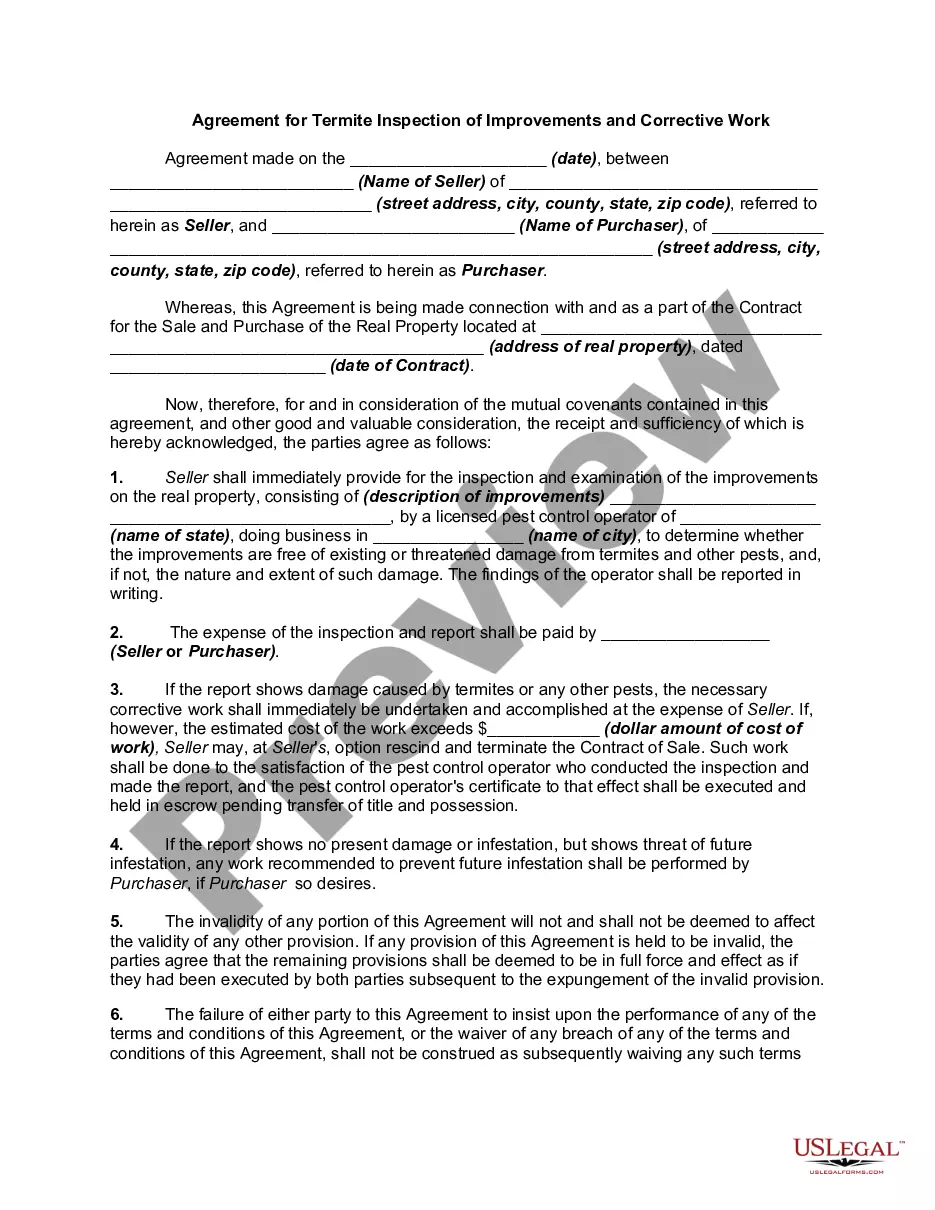
When you request a "termite inspection" in Florida for a real estate closing, you are technically requesting a Wood-Destroying Organism report. This is documented on Form FDACS-13645, a standardized template regulated by the Florida Department of Agriculture and Consumer Services (FDACS).
Scope of the Inspection
A WDO inspection is more comprehensive than a simple termite check. By law, the inspector must look for evidence of:
- Subterranean Termites: Including the highly aggressive Formosan variety.
- Drywood Termites: Which live entirely within the wood they consume.
- Wood-Boring Beetles: Such as Powderpost beetles.
- Wood-Decaying Fungi: Commonly referred to as "brown rot" or "white rot," which can compromise wood strength as severely as insects.
The Findings Categories
The report is divided into specific sections. Section IX of the form is particularly critical, as it details "Evidence of Wood-Destroying Organisms." The inspector will check boxes for "Live Organisms," "Dead Organisms/Evidence," and "Visible Damage." They must also note if there is evidence of a previous treatment, which might include drill marks in concrete or bait stations around the perimeter.

Common Termite Species in Florida: Identification and Risk
To understand why an inspection is so technical, one must understand the adversaries. Florida is home to three primary groups of termites, each requiring different inspection techniques and treatment protocols.
1. Subterranean Termites (Including Formosan)
These are the most destructive species in the state. They live in large underground colonies and build "mud tubes" to travel from the soil to the wooden structures of a home. The Formosan subterranean termite, often called the "super termite," is particularly feared in 2026 because a single colony can contain millions of members and consume several pounds of wood per week. Inspectors look for mud tubes on foundation walls, bubbling paint, and "carton" material (a mixture of termite excrement and chewed wood) inside wall voids.
2. Drywood Termites
Unlike their subterranean cousins, drywood termites do not need contact with the soil. They enter homes through attic vents or cracks in the eaves and live inside the wood. The primary sign of a drywood infestation is "frass"—tiny, hexagonal fecal pellets that resemble sand or coffee grounds. Because they live deep inside structural beams, they are often harder to detect without advanced technology.
3. Dampwood Termites
These are less common in sound structures but are a major red flag for moisture problems. They thrive in wood with high moisture content, such as siding touching the ground or areas near leaking pipes. While they move slower than other species, their presence indicates a dual threat: insect damage and fungal rot.
The Inspection Process: What to Expect in 2026
Modern termite inspections have evolved beyond a simple flashlight and a screwdriver. In 2026, licensed inspectors use a multi-layered approach to scan the "envelope" of the building.
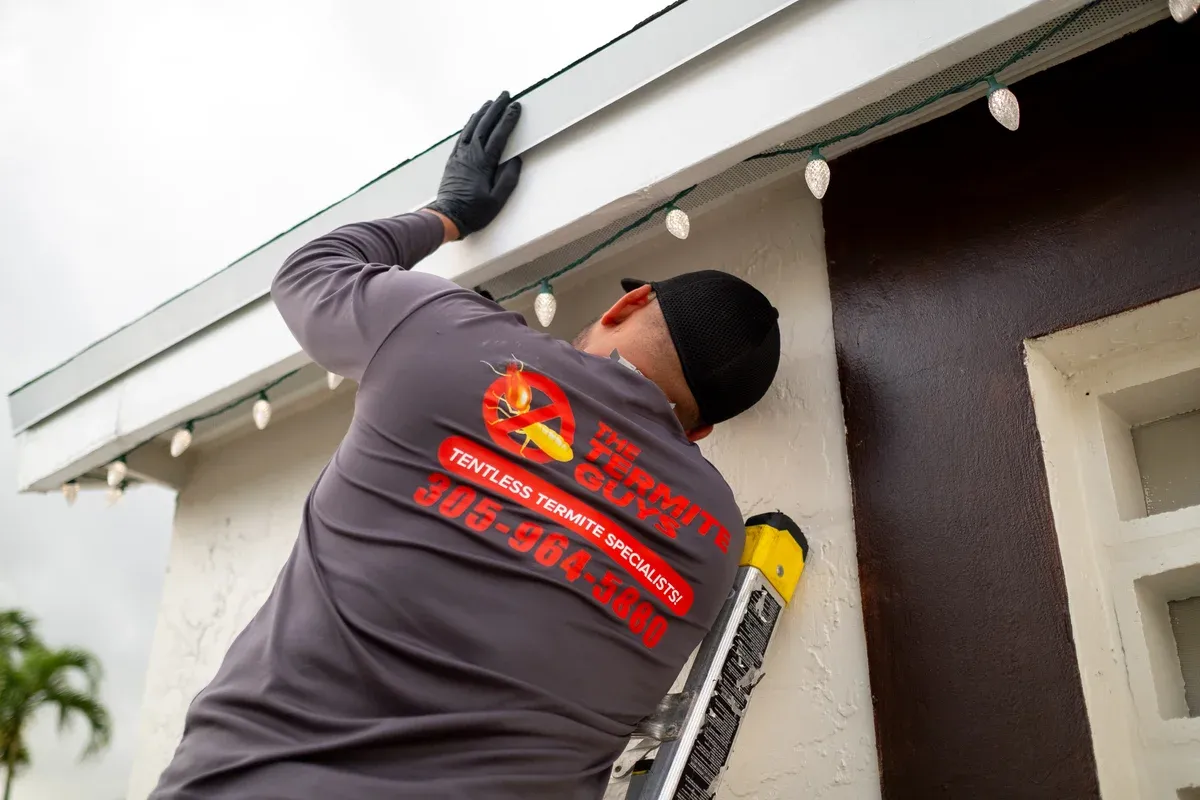
Exterior Assessment
The inspector begins by walking the perimeter. They are looking for:
- Mud Tubes: Small tunnels made of earth and saliva climbing the foundation.
- Wood-to-Ground Contact: Mulch, siding, or door frames touching the soil.
- Moisture Issues: Leaking gutters or irrigation heads spraying directly against the walls.
- Termite Wings: Discarded wings near windowsills or doors, indicating a recent "swarm."
Interior and Attic Evaluation
The interior inspection is more invasive. Inspectors focus on "wet" areas like bathrooms, kitchens, and laundry rooms. In 2026, it is standard for high-quality inspectors to utilize Infrared (Thermal) Imaging. Termite colonies generate metabolic heat and retain moisture; thermal cameras can "see" these heat signatures behind drywall without the need for demolition.
Attic inspections are also mandatory. The inspector crawls into the attic space to examine the trusses and roof decking for the frass of drywood termites or the exit holes of wood-boring beetles.
Crawlspace and Foundation
If the home is built on a pier-and-beam foundation, the crawlspace is the most critical area. Inspectors look for "hanging" mud tubes coming down from the floor joists and check for "sounding"—tapping wood to see if it produces a hollow ring, indicating the interior has been eaten away.
When Do You Need a Termite Inspection?
While many view inspections as a "one-and-done" event during a home purchase, the Florida environment necessitates a more frequent schedule.
- Real Estate Transactions: Almost all lenders (especially for VA and FHA loans) require a "clear" WDO report before funding. In Florida, the buyer typically pays for this inspection to ensure an unbiased result.
- Annual Maintenance: Most Florida pest control companies offer annual inspection contracts. These are vital because a "clear" report today does not prevent a swarm from moving in next month.
- Post-Treatment Verification: If a home was previously treated (e.g., tenting for drywood termites or a soil barrier for subterranean termites), an inspection verifies the efficacy of the treatment.
- Visible Red Flags: If you notice "sawdust" near baseboards, windows that stick, or wings on the floor, an immediate inspection is required.
Costs of Florida Termite Inspections and Treatments
Prices in 2026 vary based on the square footage of the home and the depth of the inspection (standard vs. infrared). Below is a breakdown of the typical cost structures for Florida residents.
| Service Type | Estimated Cost (2026) | Description |
|---|---|---|
| Standard WDO Inspection | $100 – $225 | Required for real estate closings; includes Form 13645. |
| Annual Maintenance Check | $75 – $150 | Recurring visual inspection for existing customers. |
| Liquid Soil Treatment | $800 – $2,500 | Creating a chemical barrier around the foundation (Subterranean). |
| Sentricon/Bait System | $600 – $1,200 | Initial setup of bait stations with an annual monitoring fee. |
| Whole-Home Fumigation | $1,500 – $5,000+ | "Tenting" the home for Drywood termites (based on cubic footage). |
| Spot Treatment | $300 – $600 | Localized treatment for isolated drywood or dampwood issues. |
Selecting a Certified Florida Pest Control Company
Not all pest control operators are authorized to perform WDO inspections. In Florida, the company must hold a specific Category of Wood-Destroying Organisms license issued by the FDACS.
When hiring a firm, verify their credentials through the FDACS online portal. It is also wise to ensure they carry professional liability insurance (Errors and Omissions), which protects you if the inspector misses damage that is later discovered during a renovation.
Avoid "free" inspections offered by companies as a sales tactic. A legal WDO report for a real estate closing requires a fee because of the liability the inspector assumes. A free check is often a marketing lead-generation tool rather than a comprehensive structural audit.
Proactive Termite Prevention Strategies for Florida Homes
An inspection tells you the current state of the home, but prevention ensures the next report stays "clear." Florida homeowners should follow these technical guidelines to reduce the "attractiveness" of their property to termites.
- Manage Perimeter Moisture: Termites are attracted to moisture. Ensure downspouts carry water at least 3 feet away from the foundation. Fix any leaking outdoor faucets or AC condensate lines immediately.
- Maintain a "Bio-Break": Keep at least 6 to 12 inches of the foundation visible. Do not stack firewood, cardboard boxes, or lumber against the house.
- Choose Mulch Wisely: If using wood mulch, keep it several inches away from the siding. Alternatively, use pine bark or inorganic materials like gravel or rubber mulch, which do not provide a food source.
- Seal Entry Points: Use high-quality exterior caulk to seal gaps around plumbing penetrations and electrical lines. Ensure attic vents have fine-mesh screens to prevent drywood termites from flying in during swarming season.
- Termite Bonds: In 2026, many Florida homeowners maintain a "Termite Bond." This is a service agreement where the company provides annual inspections and a guarantee to treat any new infestations at no additional cost. Some bonds even include a "repair guarantee" to fix structural damage caused by termites while the bond was active.
Frequently Asked Questions
Does a VA or FHA loan require a termite inspection in Florida?
Yes. Florida is considered a "high-risk" state, and both VA and FHA guidelines mandate a Wood-Destroying Organism (WDO) inspection for almost all home purchases. The report must be dated within 30 to 90 days of the closing, depending on the specific lender's requirements.
Can I perform my own termite inspection?
While a homeowner can certainly look for signs of termites, a DIY inspection is not legally valid for real estate transactions or for obtaining a termite bond. Professional inspectors are trained to identify subtle signs, such as "kick-out holes" the size of a pinhead, which are easily missed by an untrained eye.
What is the difference between a "Retreat" bond and a "Repair" bond?
A Retreat Bond means if termites are found, the company will treat the area again for free. A Repair Bond (which is more expensive and harder to find in 2026) covers both the treatment and the cost of repairing the structural damage caused by the insects. Always read the fine print to see which one you are purchasing.
If an inspection finds termites, does it ruin the home sale?
Not necessarily. In Florida, it is common for a WDO report to find evidence of past or active termites. Usually, the seller is asked to pay for a professional treatment and provide a "clear" letter or a warranty to the buyer. The sale typically proceeds once the threat is mitigated.
When is termite swarming season in Florida?
Swarming occurs when a colony reaches maturity and sends out winged "alates" to start new colonies. Subterranean termites usually swarm in the spring (February through May), often after a rain. Drywood termites tend to swarm in the late summer and fall, frequently at night.
Final Recommendation for Homeowners
If you are a homeowner in Florida in 2026, the most significant risk to your investment is complacency. Termites can cause structural failure in as little as 18 to 24 months if left unchecked.
Immediate Action: If you have not had a WDO inspection in the last 12 months, schedule one with a licensed Florida pest control operator. Ensure they use thermal imaging and provide a written Form 13645. For those buying a home, never waive the WDO contingency; the relatively small cost of the inspection is your only protection against a potentially catastrophic financial loss.
Image Gallery
Select an image to open it in a new tab.


Simon Caldwell
Enterprise Technology and Systems Editor
