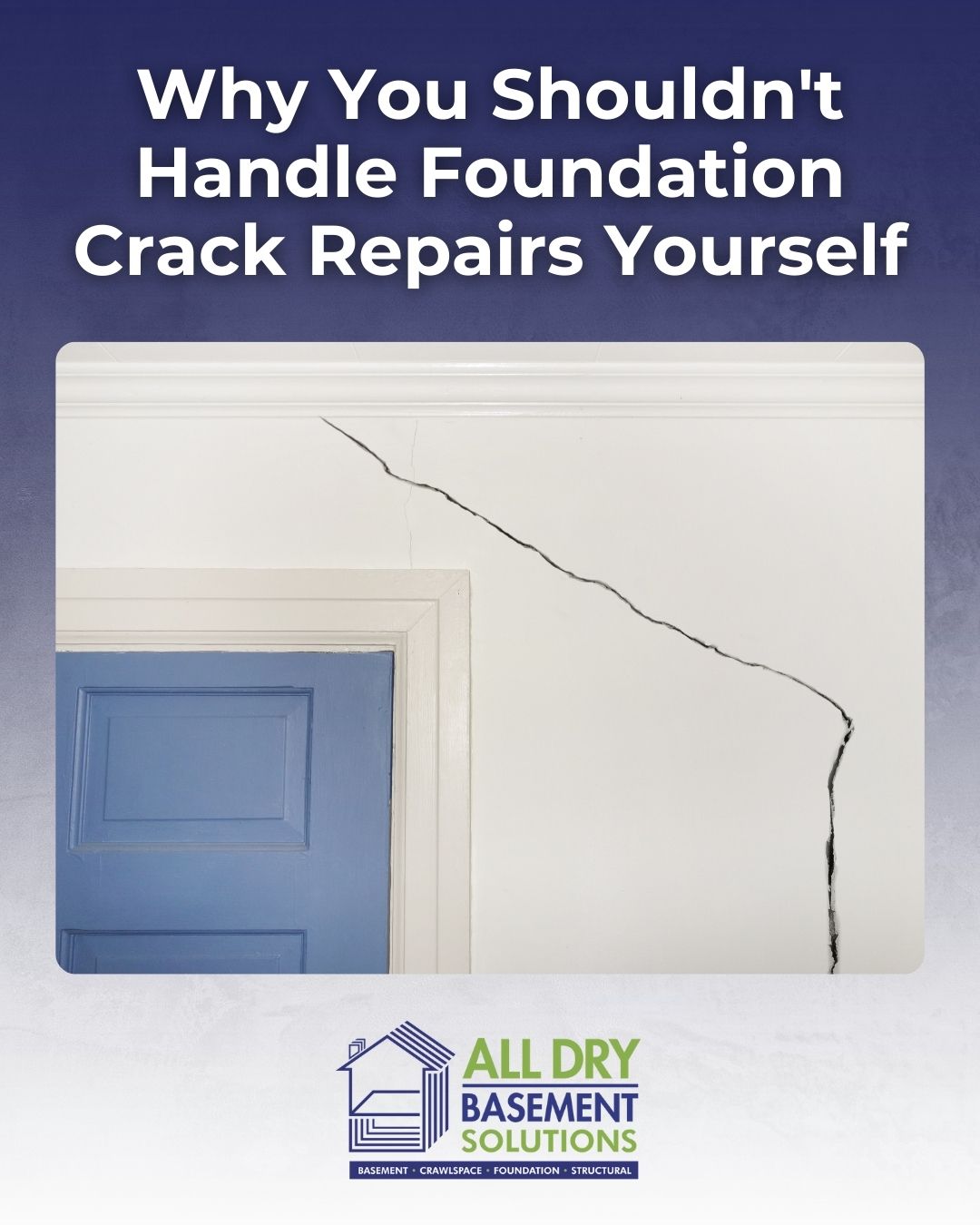
Flexomeric foundation crack repair is highly effective for sealing poured concrete walls against water infiltration, but it is not a universal fix because foundation failures stem from diverse causes. Successful repair requires choosing between rigid epoxy for structural stability and flexible polyurethane for non-structural water-stopping, depending on whether the crack is actively moving or under lateral pressure.
Foundation maintenance in 2026 remains one of the most critical aspects of property management. While modern chemical injection technologies have advanced significantly, the physics of concrete and soil mechanics remain unchanged. Homeowners often seek a "magic bullet" product that can resolve any fissure in a basement wall. Flexomeric solutions—typically involving high-quality polyurethane and epoxy injection resins—are industry leaders for specific applications. However, applying these solutions without a nuanced understanding of why the concrete cracked in the first place often leads to premature failure and wasted investment.
To understand why a single kit or method cannot address every foundation issue, one must look at the variables involved: the chemical composition of the repair materials, the nature of the crack, the environmental stressors acting on the home, and the structural integrity of the entire building envelope.
The Chemistry of Repair: Epoxy vs. Polyurethane
The primary reason Flexomeric repair is not a singular solution is that "Flexomeric" actually encompasses a range of different chemical products designed for diametrically opposed purposes. The two heavy hitters in the Flexomeric arsenal are epoxy resins and polyurethane foams.
Structural Stability with Epoxy
Epoxy is designed for structural reinforcement. When a crack is caused by a singular event—such as a heavy vehicle driving too close to a new foundation or minor settling that has since ceased—epoxy is the tool of choice. It has a higher compressive and tensile strength than the concrete itself. Once injected and cured, it effectively welds the two sides of the crack back together, restoring the monolithic integrity of the wall.
However, if the wall is still subject to movement—such as seasonal soil expansion or ongoing settlement—epoxy can be a liability. Because it is rigid, it cannot "give" with the house. If the foundation moves again, the epoxy will hold, but a new crack will typically form immediately adjacent to the repair, as the stress finds the next weakest point in the concrete.
Water Mitigation with Polyurethane
Polyurethane is the "flexible" side of the Flexomeric equation. It is a hydrophobic or hydrophilic resin that expands when it encounters moisture, filling the entire depth and width of a crack. It is ideal for stopping active leaks and dealing with cracks that may experience slight thermal expansion and contraction.
The limitation here is structural. Polyurethane has almost no structural strength. It will stop the water, but it will not stop a wall from bowing or a corner from dropping. If a homeowner uses a polyurethane injection on a crack that is actually a symptom of a failing footer, the leak might stop temporarily, but the structural damage will continue to worsen behind the scenes.
Categorizing the Crack: Why Diagnosis Dictates the Cure
Before selecting a Flexomeric product, the crack must be diagnosed. Not all cracks are created equal, and treating a structural warning sign as a simple leak is a recipe for disaster.
Non-Structural Shrinkage Cracks
Most basement cracks are vertical or diagonal and occur during the first few years of a home's life as the concrete cures and shrinks. These are generally non-structural. Flexomeric polyurethane injection is often the perfect "size" for this specific problem. It seals the gap and prevents radon or water from entering.
Structural Settlement Cracks
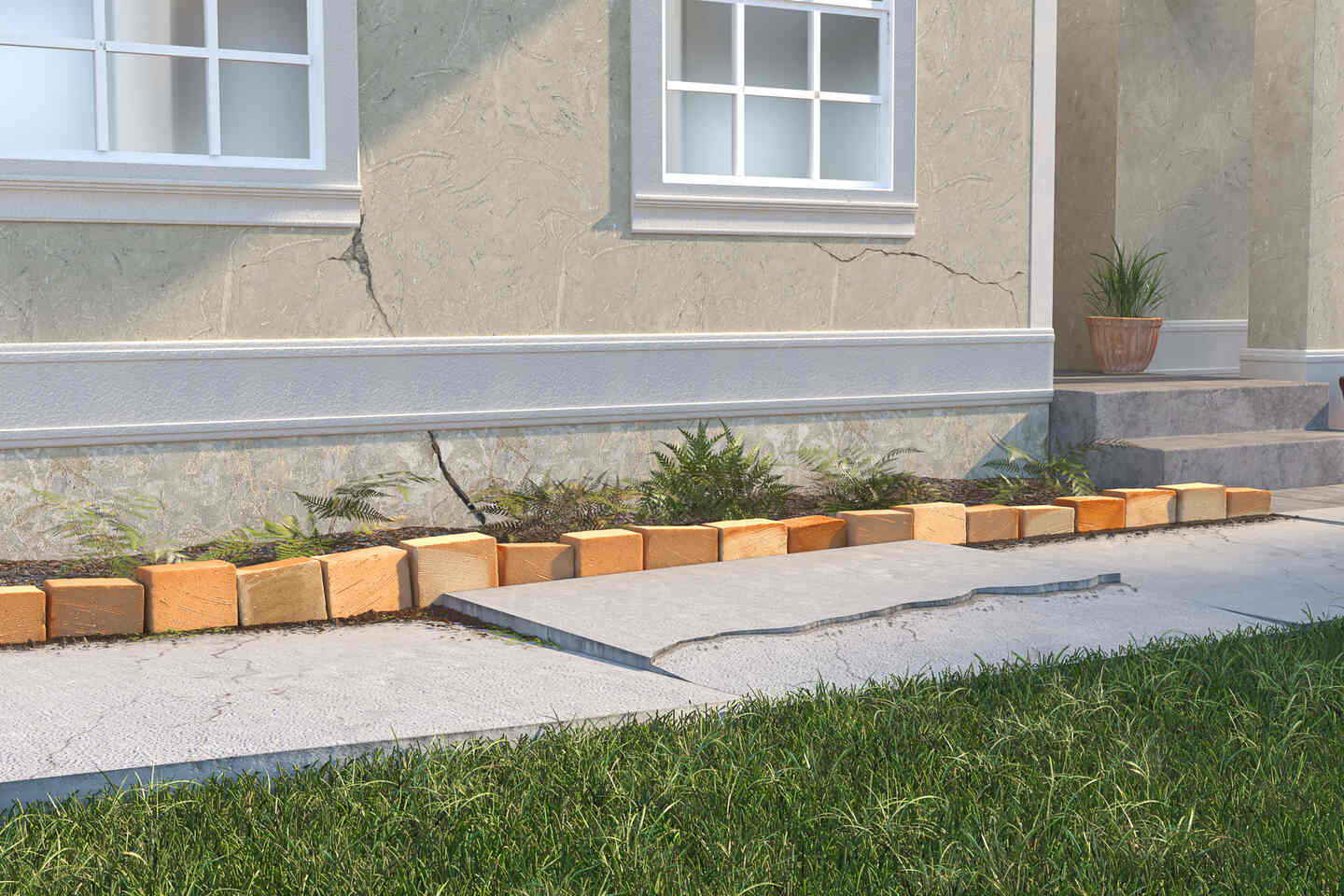
These cracks are often wider at the top than the bottom (or vice versa) and may extend through the footer and up through the brickwork or siding above. These indicate that a portion of the house is physically dropping. A resin injection alone is never a one-size-fits-all solution here; the home likely requires piering to stabilize the foundation before any crack sealing can be considered permanent.
Horizontal Cracks and Lateral Pressure
Horizontal cracks are perhaps the most dangerous. They are usually caused by hydrostatic pressure—the weight of water-saturated soil pushing against the wall. This is common in regions with heavy clay soils. If you use a Flexomeric injection on a horizontal crack without addressing the exterior drainage or adding structural reinforcement (like carbon fiber straps), the wall will eventually succumb to the pressure and collapse inward.
Environmental and Soil Variables
The effectiveness of a Flexomeric repair is heavily influenced by the environment surrounding the foundation. In 2026, we continue to see more extreme weather patterns, leading to volatile soil moisture levels that challenge traditional repair methods.
- Expansive Clays: In areas with high clay content, soil expands when wet and shrinks when dry. This creates a "pumping" action on the foundation. A rigid epoxy repair in this environment is almost guaranteed to fail unless the soil is stabilized.
- Hydrostatic Pressure: If the home lacks a functional weeping tile system or proper grading, water will pool against the foundation. Even the best Flexomeric seal can be undermined if the pressure becomes high enough to force water through the pores of the concrete itself, a process known as capillary action.
- Frost Heave: In colder climates, the freezing of saturated soil can exert massive upward and inward force. Repairing a crack in the summer without accounting for winter frost depth is a temporary fix at best.
The Limitation of Injection in Block Foundations
Flexomeric kits are primarily designed for poured concrete walls. If your foundation is made of Cinder Block or Concrete Masonry Units (CMU), the "one size" solution becomes even more elusive. Poured walls are solid; an injection fills a defined void. Block walls are hollow in the center.
If you attempt to inject resin into a crack in a block wall, the material will simply disappear into the hollow "cells" of the blocks. While there are specialized techniques for block repair, the standard Flexomeric injection kit used for poured concrete will be largely ineffective. Block walls typically require more intensive interventions, such as drainage holes (weep holes) at the bottom, interior perimeter drains, or structural reinforcement.
Comparison of Foundation Repair Methods
To visualize why Flexomeric solutions must be part of a broader strategy, consider the following comparison of common repair scenarios.
| Feature | Polyurethane Injection | Epoxy Injection | Carbon Fiber Straps | Helical/Push Piers |
|---|---|---|---|---|
| Primary Purpose | Water-proofing | Structural bonding | Lateral stabilization | Vertical lifting/support |
| Flexibility | High (Expands/contracts) | None (Rigid) | None (Rigid) | N/A |
| Structural Strength | Low | High | Very High | Maximum |
| Best For | Shrinkage cracks | Dormant structural cracks | Bowing walls | Sinking foundations |
| Wall Type | Poured Concrete | Poured Concrete | Poured/Block | All types |
| DIY Potential | Moderate | Moderate | Low | None |
When Flexomeric Kits Are Only a Component, Not the Solution
In many complex cases, a Flexomeric kit is just one part of a multi-stage repair. For example, if a wall is bowing due to lateral pressure, a professional might follow this sequence:
- Excavation and Drainage: Removing soil to relieve pressure and installing new footer drains.
- Structural Strapping: Applying carbon fiber or steel I-beams to stop the inward movement.
- Flexomeric Injection: Finally, using a polyurethane resin to seal the crack and prevent any future moisture from entering, now that the wall is stabilized.
Using the injection kit alone in this scenario would be ignoring the root cause of the failure. The "one size" approach fails here because it addresses the symptom (the crack) rather than the disease (the pressure).
Common Mistakes in DIY Crack Repair
The accessibility of Flexomeric kits has led many homeowners to attempt repairs themselves. While the kits are high-quality, the following errors often lead to failure:
- Improper Surface Prep: Resins will not bond to wet, muddy, or painted concrete. If the crack isn't cleaned or the "ports" aren't set correctly, the resin will leak out the front rather than filling the crack.
- Rushing the Cure: Different temperatures in 2026 affect cure times. Injecting too fast can lead to air pockets or incomplete penetration.
- Ignoring the Exterior: If water is pouring off a roof and landing next to a crack, no amount of resin will provide a permanent fix. Gutters and downspouts must be the first line of defense.
External Resources for Foundation Standards
For those seeking deeper technical specifications on concrete repair, the following organizations provide the industry standards used by professionals:
- American Concrete Institute (ACI) - Provides codes and standards for concrete repair and structural integrity.
- International Association of Foundation Repair Specialists (IAFRS) - Offers guidance on residential foundation stability and repair ethics.
- Deep Foundations Institute (DFI) - Technical resources for soil mechanics and heavy-duty foundation stabilization.
Frequently Asked Questions
Can I use Flexomeric polyurethane on a structural crack?
You can use it to stop water from entering a structural crack, but it will not provide any reinforcement. If the crack is structural, you must also implement a stabilization method, such as carbon fiber or steel bracing, to prevent the crack from widening.
How do I know if my crack is "active" or "dormant"?
A dormant crack has stayed the same size for years. An active crack shows signs of change: it might be wider at certain times of the year, or you may notice new flakes of concrete (spalling) falling from it. Active cracks usually require flexible polyurethane or external stabilization, whereas dormant ones can be "welded" with epoxy.
Why did my epoxy repair crack again right next to the original site?
This usually happens because the foundation is still moving. The epoxy is stronger than the concrete around it, so when the house settled further or the soil expanded, the stress broke the adjacent "virgin" concrete instead of the repair. This is a clear sign that a one-size-fits-all injection was the wrong choice and that structural stabilization is needed.
Is Flexomeric repair suitable for a brick foundation?
No. Brick foundations (and some older stone foundations) are "multi-wythe" and have many joints. Injection is designed for solid, poured walls. For brick or stone, traditional tuckpointing with lime-based mortars is usually required to allow the foundation to breathe and move slightly without cracking the masonry.
Does the width of the crack matter for Flexomeric solutions?
Absolutely. Hairline cracks require very low-viscosity resins that can penetrate deep into the wall via capillary action. Wide cracks (over 1/4 inch) require high-viscosity resins or "thickened" epoxies that won't simply run out of the crack before they have a chance to cure.
Final Recommendation
If you discover a crack in your foundation, the first step should never be purchasing a repair kit. Instead, perform a thorough "Root Cause Analysis." Measure the crack, note its direction (vertical, diagonal, or horizontal), and monitor it over a full change of seasons. If the crack is horizontal, wider than 1/8 inch, or appears to be moving, consult a structural engineer before applying any Flexomeric products. While these resins are world-class for sealing, they are most effective when used as part of a targeted, professionally diagnosed repair strategy rather than a blind, one-size-fits-all application.
Image Gallery
Select an image to open it in a new tab.

Vivian Cho
Executive IT and Emerging Technologies Reporter
