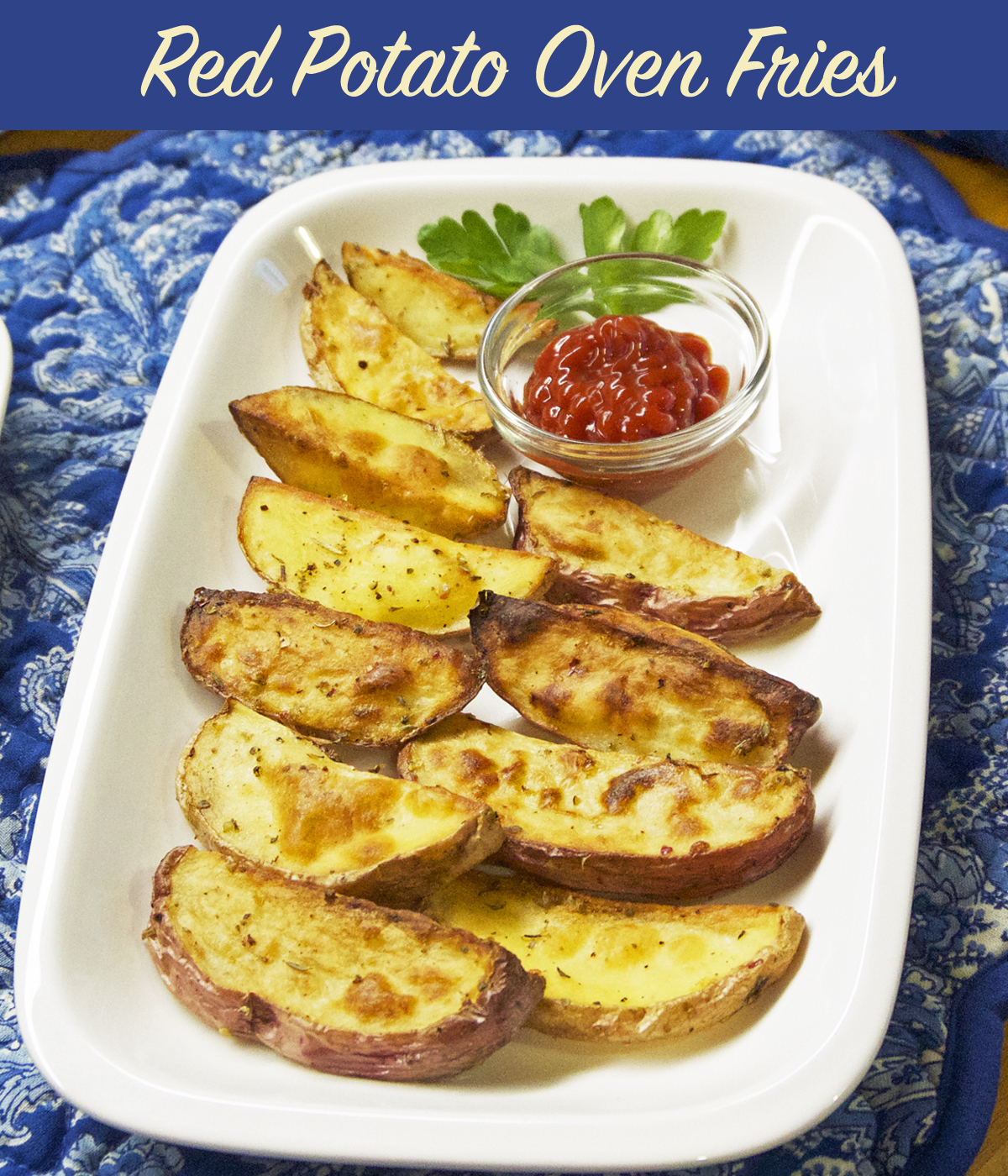
To cook red potatoes in the oven, start by preheating to 400°F (200°C), washing and drying the potatoes thoroughly, then cutting them into uniform, bite-sized pieces. Toss the potatoes with olive oil, salt, pepper, and herbs on a rimmed baking sheet, ensuring they are spread in a single layer to promote crispy edges. Roast for 30–40 minutes, flipping halfway through, until they are golden brown and tender.
Understanding the Red Potato: Why Oven Roasting Works
Red potatoes, often categorized as waxy potatoes, possess a low-to-medium starch content and a thin, vibrant red skin. Unlike starchy varieties such as Russets, red potatoes hold their shape well when subjected to heat, making them an ideal candidate for roasting. Because they do not break down easily, they retain a creamy, dense texture on the inside while the high heat of an oven allows the natural sugars in the skin to caramelize, creating a pleasant contrast.
When roasting, your primary goal is to manage moisture. If the potatoes are crowded on the baking sheet, they will steam rather than roast, resulting in a limp, lackluster texture. By providing enough surface area and using appropriate heat, you enable the Maillard reaction—a chemical reaction between amino acids and reducing sugars that gives browned food its distinctive, savory flavor.
Prerequisites and Preparation
Before turning on the oven, ensure you have the necessary equipment and ingredients to guarantee consistent results.
Equipment Requirements:
- Rimmed Baking Sheet: Use a heavy-gauge, rimmed sheet to prevent juices from spilling and to allow for proper airflow.
- Chef’s Knife and Cutting Board: Precision is key; uniform cuts ensure that all pieces finish cooking at the same time.
- Mixing Bowl: A large bowl allows you to distribute oil and seasonings evenly without losing ingredients over the side of the tray.
Ingredient Selection:
- The Potatoes: Select firm, blemish-free potatoes. If you see green spots, it is best to trim them significantly or discard the potato, as green indicates the presence of solanine, which can cause a bitter taste.
- The Fat: Extra virgin olive oil is preferred for its smoke point and flavor profile, though avocado oil is an excellent alternative if you prefer a neutral taste or require a slightly higher smoke point.
- Seasoning: Salt is the most critical component. Kosher salt or coarse sea salt provides a better texture and adherence than fine table salt.
The Step-by-Step Roasting Process
- Preheat and Prep: Preheat your oven to 400°F (200°C). While the oven warms, wash the potatoes under cold running water to remove any field dirt. Dry them thoroughly with a clean kitchen towel. Residual moisture on the skin is the enemy of a crispy roast; wet potatoes will steam rather than crisp.
- Uniform Sizing: Slice the potatoes into consistent 1-inch chunks. If the red potatoes are very small (often labeled as "new potatoes" or "creamer" potatoes), you may simply halve them. The uniformity of the size is more important than the specific shape of the cut.
- The Coating Technique: Place the dry potatoes in your mixing bowl. Drizzle with 2 to 3 tablespoons of oil. Toss until every piece is glistening. Adding the salt and dry herbs at this stage—rather than after they are on the tray—ensures the flavor is embedded into the flesh during the roasting process.
- Arrangement: Pour the potatoes onto your baking sheet. Use your hands or a spatula to spread them into a single layer. Ensure there is at least a small gap between each piece to allow for air circulation.
- Roasting and Rotation: Roast for 30–40 minutes. At the 20-minute mark, use a spatula to toss or flip the potatoes. This ensures even browning on all sides. They are done when a fork pierces the center with no resistance and the edges show a deep, golden-brown crust.
Achieving Texture: The Role of Heat and Spacing
The most common mistake home cooks make is underestimating the importance of heat density. If your oven is not fully preheated, the potatoes will sit in a pool of oil and juice, losing their crisp exterior. Always wait for the oven to reach the target temperature before inserting the tray.
Furthermore, consider the material of your baking sheet. Dark-colored, non-stick pans absorb heat faster and can create a darker crust, while light-colored aluminum pans reflect heat and produce a more delicate, even browning. If you find your potatoes are consistently browning too slowly, ensure you are not using a sheet with a silicone mat, as these mats can inhibit the browning of the bottom side of the potato.
Table: Comparison of Roasting Variables
| Variable | Recommended Specification | Impact on Outcome |
|---|---|---|
| Temperature | 400°F (200°C) | Balances internal tenderness with crisp exterior. |
| Cut Size | 1-inch cubes | Ensures even cooking within the 30–40 minute window. |
| Oil Ratio | 2 tbsp per 1 lb | Provides necessary heat transfer for caramelization. |
| Spacing | Single layer, non-touching | Prevents steaming; promotes crisp skin. |
Troubleshooting Common Issues
- Potatoes are soft/mushy: This almost always indicates that the potatoes were crowded on the tray or not dried sufficiently before roasting. Next time, use two baking sheets rather than overloading one.
- Burned exterior, raw interior: Your oven temperature is likely too high, or the potato pieces are cut too large. If the outside browns too fast, lower the heat to 375°F (190°C) and extend the roasting time by 10 minutes.
- Potatoes sticking to the pan: Even with oil, some sticking can occur if the pan is not properly seasoned or if you are using a standard aluminum sheet. Consider using a small amount of parchment paper, which provides a non-stick surface without compromising the browning process.
Selecting Herbs and Aromatics
While salt, pepper, and oil provide the foundation, red potatoes pair exceptionally well with a variety of aromatics. For the best flavor, add dried herbs (like rosemary or thyme) at the beginning of the roasting process, as the oil will help toast the herbs and extract their essential oils. Conversely, if you are using fresh, delicate herbs like parsley or chives, wait until the potatoes are out of the oven to add them, as the high heat will cause fresh leaves to burn and lose their brightness. Garlic should be added in the final 10 minutes of cooking; if added at the beginning, fresh minced garlic will turn bitter and black by the time the potatoes are tender.
Frequently Asked Questions
Do I need to peel red potatoes before roasting? No, you should not peel them. The skin of a red potato is thin and tender, providing a vital structural integrity that keeps the inside creamy while the skin crisps. Leaving the skin on also preserves nutritional content, including fiber and potassium.
Can I roast red potatoes in a convection oven? Yes, but you must adjust your settings. If using a convection (fan-forced) setting, reduce the temperature to 375°F (190°C). The increased airflow of a convection oven cooks food faster and more evenly, which can lead to rapid browning if the standard 400°F temperature is maintained.
How do I know if the potatoes are fully cooked? Use a paring knife or a fork to test the largest piece on the tray. It should slide through the center of the potato with zero resistance. If there is a "crunch" or a hard resistance in the middle, the potatoes require more time.
Can I prepare these in advance? You can cut and wash the potatoes up to two hours before cooking, provided you store them in a bowl of cold water in the refrigerator to prevent oxidation (browning). However, you must drain and thoroughly pat them dry with paper towels immediately before tossing them in oil and roasting, or they will not crisp correctly.
What is the best oil for roasting potatoes? Extra virgin olive oil is the gold standard for flavor, but if you are roasting at higher temperatures (above 425°F), consider high-smoke-point oils like refined avocado oil or grapeseed oil to prevent the oil from breaking down and creating an acrid taste.
Final Recommendation
For the best results, start with high-quality, organic red potatoes to ensure a thinner skin and a consistent flavor. Always prioritize the drying step; it is the single most effective way to ensure a high-quality, professional-grade texture. Once mastered, this basic roasting method can be adapted with various spice blends, such as smoked paprika for a southwestern profile or lemon zest and oregano for a Mediterranean influence, making it a versatile staple in any 2026 kitchen.

Image Gallery
Select an image to open it in a new tab.

Declan O'Connor
Higher Education and Campus Culture Reporter
