What is Changi Terminal 3? A Comprehensive Guide to Singapore’s Iconic Airport Hub

Terminal 3 (T3) is a premier passenger terminal at Singapore Changi Airport, serving as a primary hub for Singapore Airlines and various international carriers. Opened in 2008, it is celebrated for its eco-friendly architecture, featuring a unique glass-and-steel roof with 919 skylights, and houses world-class amenities including a butterfly garden and the world’s tallest airport slide.
As of 2026, Terminal 3 remains the crown jewel of Changi Airport’s passenger operations, balancing high-capacity international transit with a localized "community mall" feel in its public spaces. Whether you are a first-time traveler to Singapore, a transit passenger with a long layover, or a local resident visiting for weekend dining, understanding the layout and offerings of Terminal 3 is essential for navigating one of the world's most awarded aviation facilities.
The Architectural Vision and Design of Terminal 3
Changi Terminal 3 was designed by CPG Consultants in collaboration with Skidmore, Owings & Merrill. Its design philosophy broke away from the more utilitarian, enclosed structures of earlier airport terminals, favoring natural light, transparency, and lush greenery.
The Iconic "Butterfly" Roof
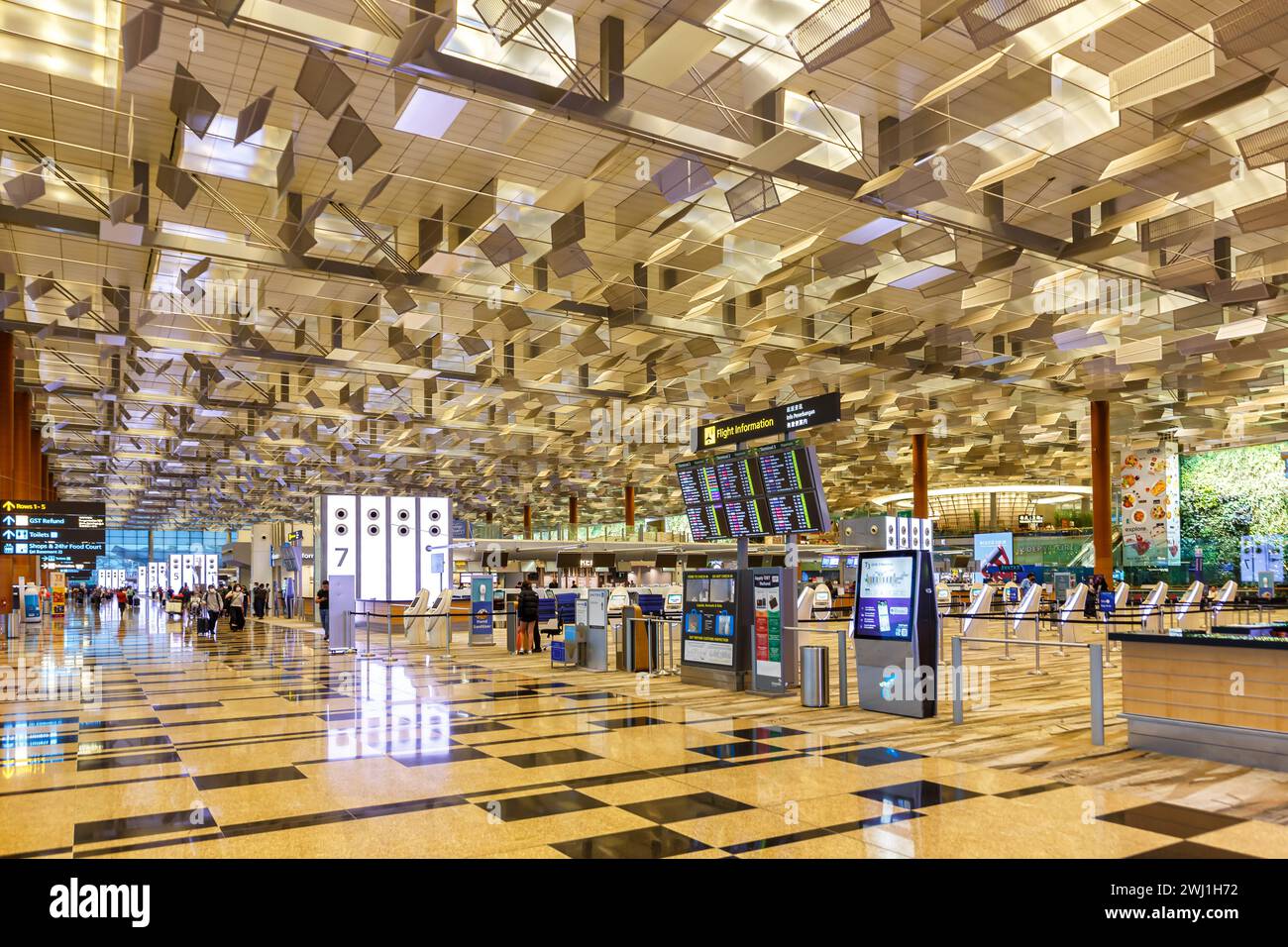
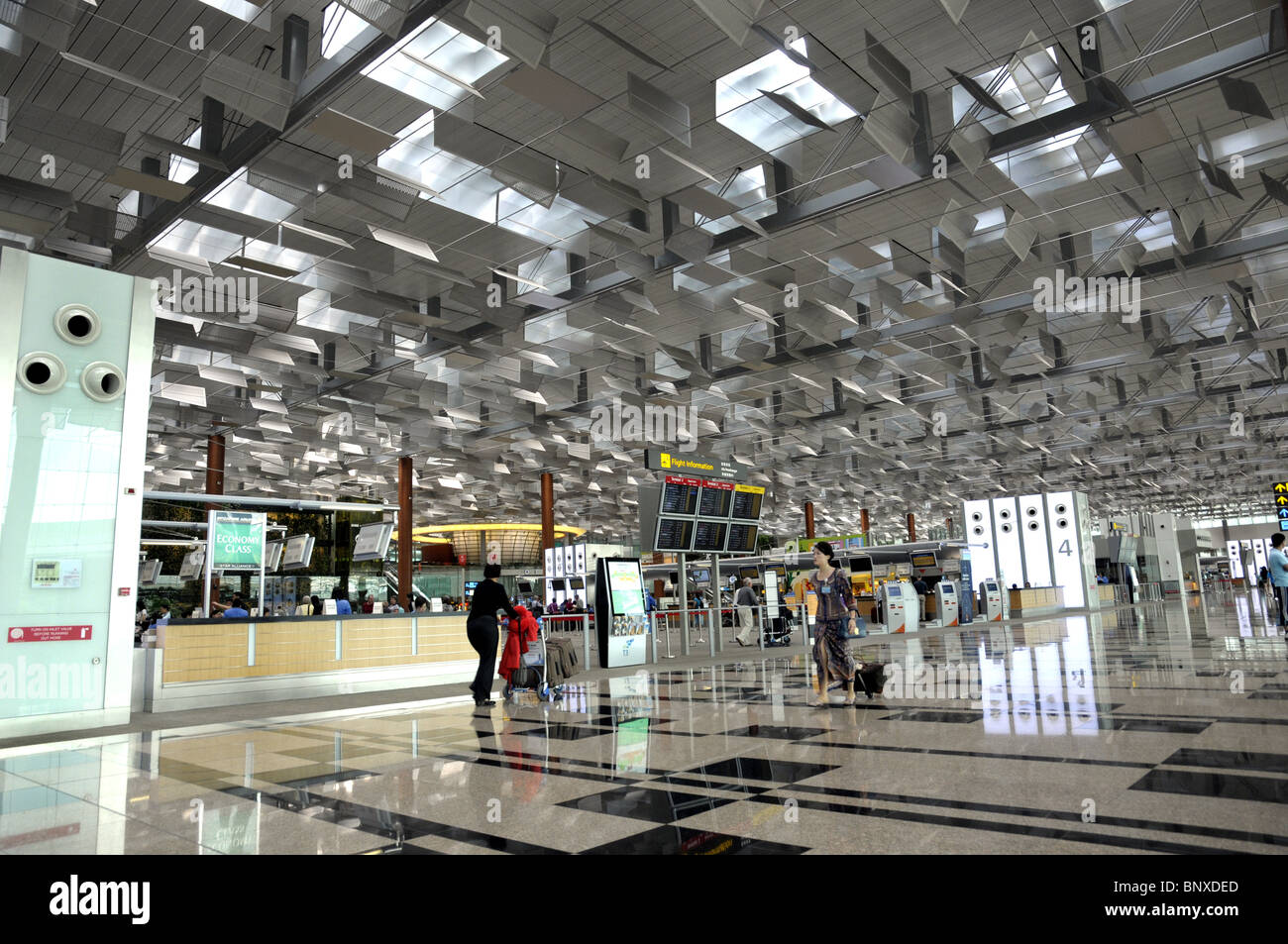
The most distinctive feature of T3 is its ceiling. Spanning 9 hectares, the roof is equipped with 919 "butterflies"—adjustable louvers that track the sun to reflect natural light into the building while keeping the tropical heat out. This system ensures that the terminal feels bright and airy during the day, significantly reducing the need for artificial lighting. At night, the system reverses, with lights reflecting off the panels to create a soft, ambient glow throughout the departure hall.
The Green Wall and Indoor Nature
Staying true to Singapore’s "City in a Garden" identity, T3 features a massive vertical garden known as the "Green Wall." Stretching over 300 meters across the main building, this living wall is covered in climbing plants and creepers, interspersed with cascading waterfalls. This installation serves more than just an aesthetic purpose; it acts as a natural air filter and temperature regulator within the terminal.
Airline Operations and Flight Information
Terminal 3 is primarily the home of Singapore Airlines (SIA), specifically for its long-haul flights to Europe, North America, and parts of North Asia. However, it is not exclusive to the national carrier.
Key Airlines Operating from T3
In 2026, the airline distribution across Changi’s terminals remains strategic. While Terminal 2 handles many regional and Star Alliance partners, Terminal 3 remains the flagship terminal for:
- Singapore Airlines (SIA): Most long-haul and premium routes.
- United Airlines: Direct flights to San Francisco and Los Angeles.
- Asiana Airlines: Connecting Singapore to Seoul and beyond.
- EVA Air: Operations focused on Taipei and North American connections.
- Air China: Major routes to Beijing and other mainland hubs.
- Garuda Indonesia: Frequent regional connections to Jakarta and Bali.
Passengers should always verify their terminal on their e-ticket, as Singapore Airlines occasionally shifts regional flights between T2 and T3 based on operational requirements.
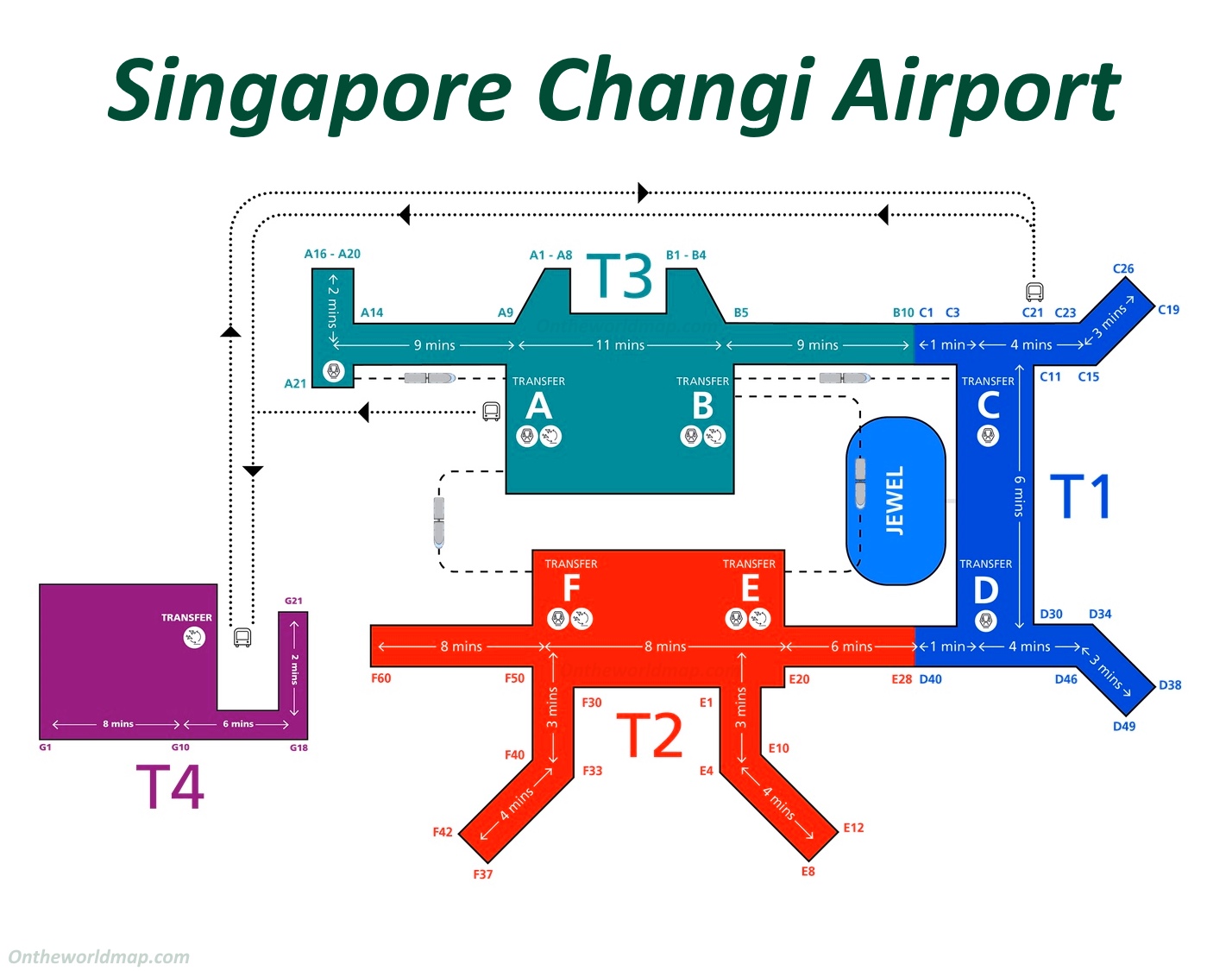
Terminal 3 Layout: Level-by-Level Breakdown
Navigating a terminal that spans over 380,000 square meters requires a clear understanding of its vertical layout. T3 is organized into seven distinct levels, including three basement levels.
Basement 2: The Community Hub
Unlike many airports where the basement is purely for parking, T3’s Basement 2 (B2) is a vibrant public space. It houses a large food court (Kopitiam), numerous retail outlets, a supermarket, and "The Slide@T3." It is a popular destination for Singaporeans who visit the airport for leisure, as it is directly connected to the MRT station and the link bridge to Jewel Changi Airport.
Level 1: Arrival Hall
The Arrival Hall is where passengers emerge after clearing immigration and baggage claim. It features greeting areas, car rental counters, and professional transport services. The design is open and high-ceilinged, intended to provide a stress-free entry point into Singapore.
Level 2: Departure Check-in Hall
This level is characterized by its vast, column-free spaces and the "Green Wall." It houses the check-in rows, tax refund counters, and the primary entrance to the transit area. In 2026, the check-in process is highly automated, utilizing biometric facial recognition for self-service bag drops and immigration clearance.
Level 3: Dining and Observation Deck
The mezzanine level overlooks the Departure Hall and contains various full-service restaurants. It also provides access to the viewing gallery, where aviation enthusiasts can watch aircraft movements on the tarmac.
Transit Area (Airside)
Once through immigration, the transit area spans multiple levels. This is a "world within a world," featuring luxury boutiques, duty-free shops (Lotte Duty Free and Shilla Duty Free), movie theaters, and the famous transit lounges.
Key Attractions and Experiences
Changi Terminal 3 is often cited as a destination in itself. If you have a layover or arrive early for a flight, these are the must-visit locations:
The Butterfly Garden
Located in the Departure Transit Lounge (Levels 2 and 3), the Butterfly Garden was the first of its kind in an airport. It is a two-story tropical habitat featuring flowering plants, a 6-meter grotto waterfall, and over 1,000 tropical butterflies from 40 species. It offers a rare moment of serenity and nature in the middle of a high-traffic aviation hub.
The Slide@T3
Standing at 12 meters high (approximately four stories tall), this is the world's tallest slide located within an airport. Located in the public area of Terminal 3, it allows users to zip down from Level 1 to Basement 2. Access is typically granted for every $10 spent at Changi Airport in a single receipt, making it a favorite for families.
Heritage Zone
Located in the transit area, the Heritage Zone provides a glimpse into Singapore’s past. It features facades of traditional Peranakan shophouses, reminiscent of those found in the Joo Chiat and Katong districts. The zone includes local brands like Bengawan Solo and Old Chang Kee, allowing travelers to experience Singaporean culture and snacks before they depart.
The Crystal Garden
Situated in the central transit area, the Crystal Garden features dandelion-shaped glass sculptures made of hand-blown glass. It is surrounded by tiered garden beds, creating a sophisticated floral display that integrates art with horticulture.
Connectivity: Moving Between Terminals and Jewel
One of the greatest strengths of Terminal 3 is its central location within the Changi ecosystem.
- To Jewel Changi Airport: T3 is connected directly to Jewel via a pedestrian link bridge on Level 2 (near the Crowne Plaza Hotel). The walk takes approximately 5–10 minutes.
- To Terminal 1 and Terminal 2: Automated Skytrains connect T3 to T1 and T2. These trains run frequently and are free for both public and transit passengers. The journey takes about 4 minutes.
- To Terminal 4: T4 is physically separated from the main terminal cluster. To reach T4 from T3, passengers must take a complimentary shuttle bus from the T3 Arrival Hall (Public) or the T3 Transit Area.
- To the City: The Changi Airport MRT Station is located in the basement between Terminal 2 and Terminal 3. From T3, follow the signs for "Train to City."
Comparison of Changi Terminals (2026)
| Feature | Terminal 1 | Terminal 2 | Terminal 3 | Terminal 4 |
|---|---|---|---|---|
| Primary Focus | International/Jewel Link | Regional/Star Alliance | SIA Long-Haul/Premium | LCCs/Automated |
| Key Landmark | Cactus Garden/Rain Vortex | Wonderfall/Dreamscape | Butterfly Garden/Slide | Heritage Zone/Petalclouds |
| Vibe | Classic & Integrated | Modern & Digital-Nature | Airy, Green & Spacious | Tech-forward & Boutique |
| MRT Access | Via Link Bridge | Direct | Direct | Via Shuttle Bus |
Practical Information for Travelers
Lounges in Terminal 3
Terminal 3 hosts several high-end lounges. The SilverKris Lounge and KrisFlyer Gold Lounge serve Singapore Airlines passengers and Star Alliance elites. For other travelers, several pay-per-use options exist:
- Ambassador Transit Lounge: Offers napping suites, showers, and gym facilities.
- SATS Premier Lounge: Accessible through various lounge programs like Priority Pass.
- Marhaba Lounge: A popular choice for independent premium travelers.
Baggage and Storage
If you have a long layover and wish to visit the city or Jewel without your luggage, "Baggage Storage by Smarte Carte" is available in both the public and transit areas of T3. They offer 24-hour storage for suitcases, strollers, and even odd-sized items like surfboards.
Medical and Emergency Services
Terminal 3 is equipped with a Raffles Medical clinic located on Basement 2, providing general consultation and emergency services. There are also numerous automated external defibrillators (AEDs) and assistance intercoms located throughout the terminal levels.
Digital Services and Wi-Fi
Changi provides free high-speed Wi-Fi (#WiFi@Changi). In 2026, the Changi App is the primary tool for passengers, providing real-time flight updates, gate directions, and "Changi Pay" for duty-free shopping.
Frequently Asked Questions
Can I walk from Terminal 3 to Jewel?
Yes. Terminal 3 is connected to Jewel Changi Airport via a glass-enclosed pedestrian link bridge on Level 2 (Departure Hall). The walk is air-conditioned and takes about 5 to 8 minutes, offering a great view of the control tower and the Skytrain.
Is Terminal 3 for international or domestic flights?
Singapore is a city-state, so all flights from Changi Airport, including those from Terminal 3, are international. There are no domestic flights within Singapore.
How do I get from Terminal 3 to the MRT station?
The MRT station is located underground between Terminal 2 and Terminal 3. Follow the prominent "Train to City" signs from the T3 Arrival Hall or Basement 2. You will take an escalator down to the station concourse.
Can I visit the Butterfly Garden if I am not flying?
No. The Butterfly Garden is located in the Transit Area (Airside). You must have a valid boarding pass and have cleared departure immigration to access this attraction. However, the Slide@T3 and the dining options in Basement 2 are in the public area and open to everyone.
Which terminal does Singapore Airlines use?
Singapore Airlines primarily uses both Terminal 2 and Terminal 3. Generally, long-haul flights (to the US, UK, and Europe) depart from Terminal 3, while many regional flights within Southeast Asia and to some Star Alliance hubs depart from Terminal 2. Always check your specific flight details on the Changi Airport website or app.
Recommendation for Travelers
If you are flying through Changi Terminal 3 in 2026, the best way to maximize your experience is to arrive at least three to four hours before your flight. This allows you to explore the Basement 2 retail offerings, use the automated check-in systems, and spend ample time in the transit area's Butterfly Garden and Heritage Zone. For those with a layover of more than five hours, a quick walk across the link bridge to Jewel to see the Rain Vortex is highly recommended, provided you have the necessary entry visas for Singapore.
Image Gallery
Select an image to open it in a new tab.






Omar Farooq
EdTech Innovation and Virtual Pedagogy Journalist
