Using a Trust for Child Life Insurance: How It Works and What to Consider
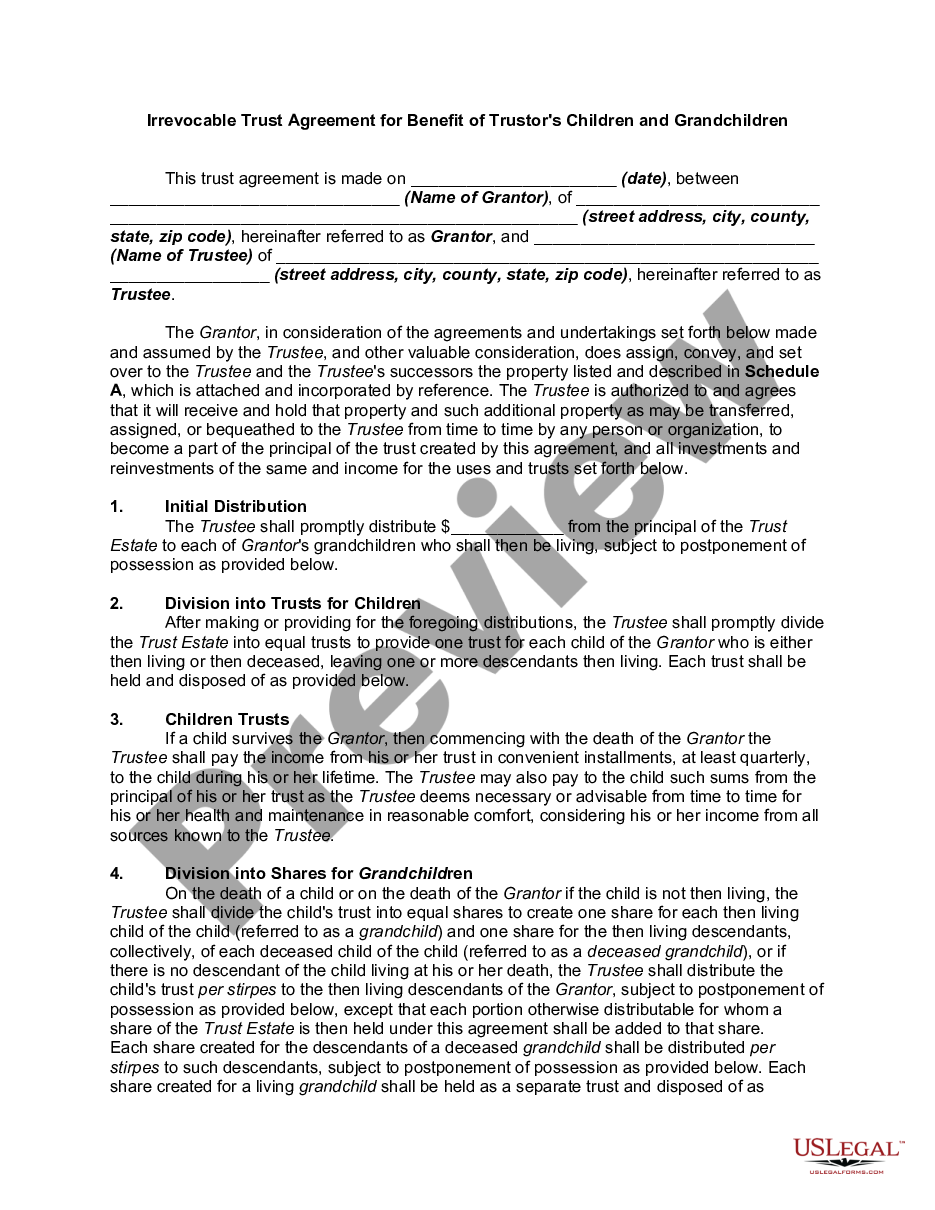
Using a trust to hold a child’s life insurance policy is a sophisticated estate planning strategy that allows parents and grandparents to exercise long-term control over how death benefits are managed, protected, and distributed. While a life insurance policy typically names an individual as a beneficiary, placing the policy within an irrevocable or revocable trust creates a legal framework that ensures the proceeds are used specifically for the child's needs—such as education, healthcare, or financial support—rather than being distributed as a lump sum upon the age of majority.
Understanding the Mechanism: How Trusts and Insurance Intersect
At its core, a life insurance trust—often referred to as an Irrevocable Life Insurance Trust (ILIT) in specific tax-planning scenarios—acts as the legal owner of the policy. When you purchase a life insurance policy for a child or on your own life for the benefit of a child, the trust, rather than the child, is designated as the policy owner and the beneficiary.
Because a minor child generally lacks the legal capacity to enter into binding contracts or manage significant financial assets, naming a minor directly as a beneficiary on a standard life insurance policy often leads to complications. If a payout occurs while the child is under 18 or 21, the court may be forced to appoint a legal guardian to manage the funds, which involves ongoing court supervision, legal fees, and rigid investment requirements. By using a trust, you appoint a trustee—a person or a professional institution—to manage the death benefit according to the specific instructions outlined in the trust document.
The "how it works" aspect is essentially a transfer of control. You draft a trust agreement that sets the "rules of the road" for the funds. When the insured passes away, the insurance company pays the death benefit into the trust. The trustee then disburses these funds to or for the benefit of the child based on the milestones or conditions you have pre-defined, such as reaching a certain age, graduating from college, or covering medical expenses.
Why Choose a Trust Over Direct Beneficiary Designation?
Many families initially consider naming a child directly or naming a custodian under the Uniform Transfers to Minors Act (UTMA). While these methods are simpler to establish, they lack the granular control that a trust provides.
- Age-Based Distribution: With a trust, you can dictate that the child receives 25% of the funds at age 25, 25% at age 30, and the remainder at age 35. A direct inheritance or UTMA account typically mandates that the child receives the entirety of the assets at the age of majority (usually 18 or 21, depending on the state), which may not be an age at which the child is financially prepared to manage a large sum.
- Asset Protection: A trust can include "spendthrift" provisions. If the child faces creditors, lawsuits, or a potential divorce, the assets held within the trust are generally shielded because the child does not technically own the principal—they are merely a beneficiary of the trust’s distributions.
- Protection Against Incapacity: If the child develops a disability, a trust can be structured to provide for their needs without disqualifying them from government benefits, such as Supplemental Security Income (SSI) or Medicaid, which a large direct inheritance might otherwise trigger.
Critical Considerations Before Establishment
Setting up a trust involves legal and financial commitments. Before proceeding, it is important to evaluate whether the complexity of a trust is warranted by the death benefit amount and your family's objectives.
1. Costs and Administrative Burden
Establishing a trust requires drafting legal documents, which involves attorney fees. Furthermore, if you use a professional corporate trustee, there will be ongoing management fees. You must weigh these costs against the total death benefit. For modest policies, the administrative overhead may exceed the benefits of the trust structure.
2. The Nature of the Policy
Not all life insurance policies are equal in the eyes of tax law. If you transfer an existing policy into an irrevocable trust, there may be "transfer-for-value" rules or three-year lookback rules (in the context of estate taxes) that could inadvertently create tax liabilities. It is essential to discuss the tax implications with a tax professional or estate attorney to ensure that the policy structure remains efficient.
3. Selection of the Trustee
The trustee holds significant power. They have a fiduciary duty to act in the best interests of the beneficiary, but they also have the power to decide when and how money is distributed based on the trust's terms. Choosing a trustee involves deciding between a family member (who may have a personal relationship with the child but lack financial expertise) and a professional trustee (who brings objectivity and skill but charges fees).
Comparison of Financial Vehicles for Minors
The following table summarizes how a trust compares to other common methods of managing a minor’s inheritance.
| Feature | Trust | UTMA/UGMA Account | Direct Beneficiary |
|---|---|---|---|
| Control | High (Customizable terms) | Low (Mandatory at age of majority) | None (Child owns assets at 18/21) |
| Protection | Strong (Spendthrift clauses) | Limited (Assets are child's own) | None |
| Cost | High (Attorney/Admin fees) | Low (None to minimal) | None |
| Court Oversight | Avoided via trust structure | Avoided but restricted | High (If minor is beneficiary) |
| Tax Flexibility | Moderate/High | Low | Low |
Legal and Regulatory Limitations
In 2026, the legal landscape surrounding trusts remains governed by state laws, which vary significantly. Some states have adopted the Uniform Trust Code, while others maintain unique common-law precedents. You must ensure that the trust is drafted to comply with the laws of the state where the trust will be administered.
It is also important to recognize the jurisdictional limits of trusts. A trust established in one state may be moved, but this process—often called "decanting"—can be complex and requires careful legal scrutiny. Furthermore, tax laws at both the federal and state levels are subject to periodic adjustments. While the federal estate tax exemption is high as of 2026, state-level estate or inheritance taxes may apply, and the trust structure must be reviewed to ensure it does not create unintended tax consequences for the child.
Frequently Asked Questions
Does a trust for life insurance eliminate all estate taxes? Not necessarily. While an Irrevocable Life Insurance Trust can be used to remove the death benefit from your taxable estate, it depends on how the policy is owned and how the premiums are funded. You should consult a tax professional to determine if your specific plan meets the requirements for estate tax exclusion.
Can I change the terms of a trust once it is established? This depends on whether the trust is revocable or irrevocable. A revocable trust allows you to change the terms or dissolve it at any time during your life, but it does not offer the same asset protection or tax benefits as an irrevocable trust. An irrevocable trust is generally permanent, though some states allow for non-judicial settlement agreements or decanting to address unforeseen changes in circumstances.
What happens if the trustee is unable to serve? The trust document should include a "successor trustee" clause. This identifies who takes over if the primary trustee resigns, becomes incapacitated, or passes away. It is crucial to have a clear line of succession to prevent a situation where the trust assets are frozen or require court intervention to manage.
Are life insurance premiums paid into a trust tax-deductible? No. Life insurance premiums are generally paid with after-tax dollars and are not tax-deductible. If you fund the trust to pay the premiums, those contributions might be subject to gift tax rules, though the use of "Crummey powers"—a legal mechanism involving withdrawal rights—can often help donors qualify for the annual gift tax exclusion.
Does a minor child have to pay taxes on the trust distributions? Distributions from a trust to a beneficiary may carry tax consequences for the beneficiary depending on the character of the income (e.g., interest, dividends, or capital gains). Generally, the trust may be taxed on the income it retains, while the beneficiary is taxed on the income distributed to them. A qualified accountant should handle the trust’s annual tax filings to ensure compliance.
Practical Next Actions
If you are considering a trust for child life insurance, your first step should be an assessment of your total estate goals. Determine whether the primary objective is pure asset protection, tax mitigation, or simply ensuring the child does not receive a large sum of money before they are mentally and financially prepared to manage it.
- Inventory Your Assets: Review all existing life insurance policies to identify current ownership and beneficiary designations.
- Identify the Goal: Define the specific age or milestone at which you want the child to have access to the funds.
- Consult an Estate Attorney: Reach out to a qualified estate planning attorney in your jurisdiction. Bring your policy documents and a clear outline of your objectives.
- Evaluate Trustee Candidates: Begin conversations with potential trustees to gauge their willingness and capability to manage the trust’s administrative and investment responsibilities.
- Formalize the Trust: Once the document is drafted, ensure the insurance company is formally notified of the change in beneficiary to the trust, and verify that the policy ownership is transferred according to the legal instructions.
Image Gallery
Select an image to open it in a new tab.
Mateo Castillo
Decentralized Finance and E-Payments Strategist
