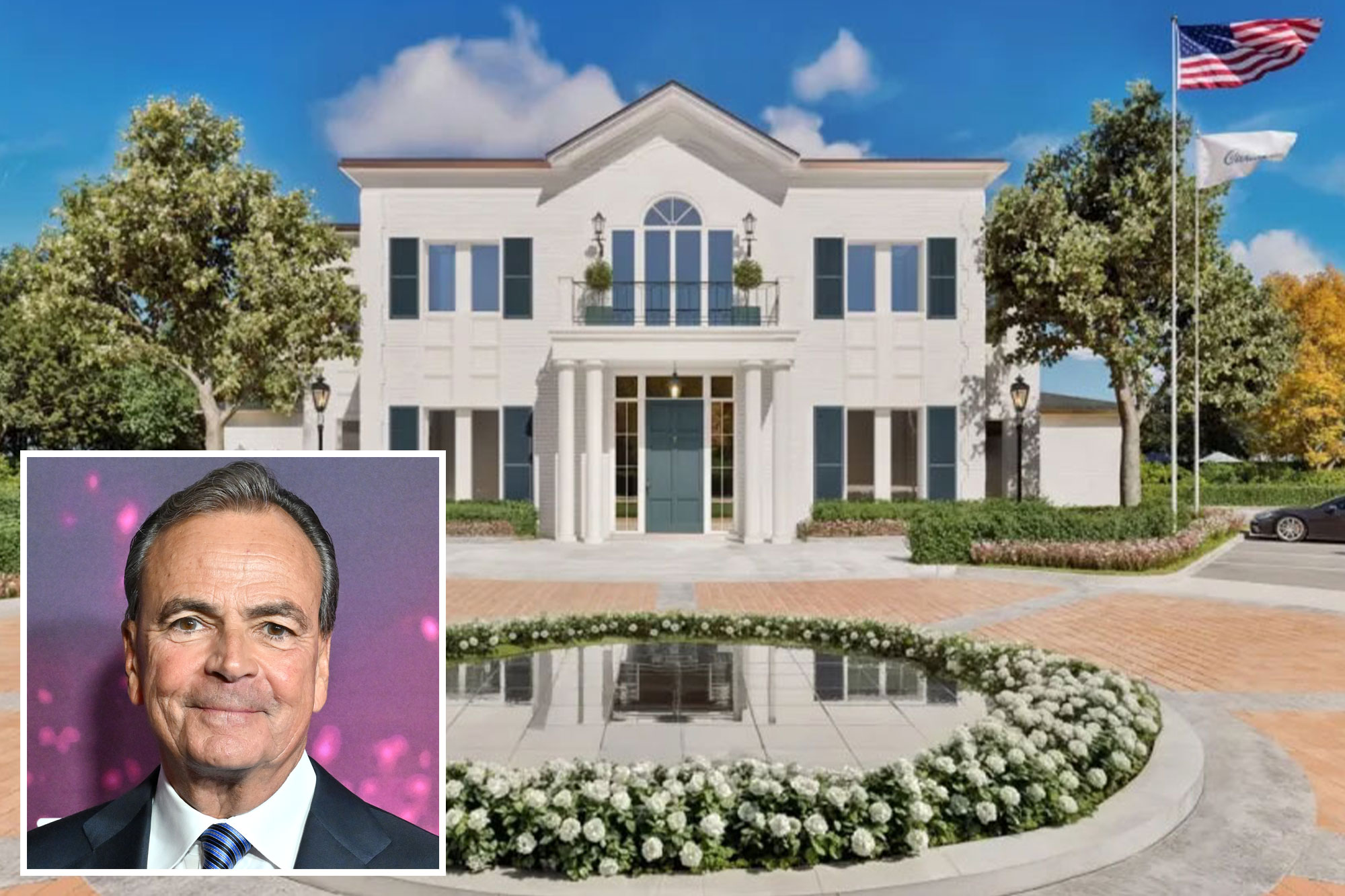
Rick Caruso built his multi-billion dollar fortune primarily through his privately held real estate development firm, Caruso (formerly Caruso Affiliated). By pioneering the "lifestyle center" concept—open-air, high-end retail environments like The Grove and Americana at Brand—he achieved some of the highest sales-per-square-foot metrics in the industry, sustaining his wealth through commercial leases, luxury residential rentals, and elite hospitality assets.
The Foundations: Legal Education and Early Career
Before becoming one of the most recognizable names in global real estate, Rick Caruso’s path to wealth began with a rigorous academic and legal foundation. While many associate him purely with the architecture of Los Angeles, his early career was defined by the analytical world of law.
Caruso graduated from the University of Southern California (USC) and later earned his J.D. from Pepperdine University School of Law. In the early 1980s, he practiced as a corporate lawyer at Finley Kumble, a high-profile firm that eventually dissolved. This experience was instrumental; it provided him with a deep understanding of contract law, land-use regulations, and the complex zoning hurdles that define the California real estate market.
It is often noted that Caruso did not start from zero. His father, Henry Caruso, was the successful founder of Dollar Rent A Car. While the family’s existing wealth provided a safety net and a high-level network, the scale of the younger Caruso’s empire eventually eclipsed the family’s original automotive fortune. Rick Caruso used his legal background to identify undervalued parcels of land and navigate the bureaucratic red tape required to transform them into high-revenue assets.
In 1987, he pivoted fully away from law to found Caruso Affiliated. His initial projects were relatively modest compared to his later developments, focusing on smaller retail strips and office buildings. However, these early ventures allowed him to refine a business model that prioritized tenant experience and aesthetic cohesion over the utilitarian design of the era.
Redefining the Retail Experience: The "Lifestyle Center" Strategy
The primary driver of Rick Caruso’s wealth was his refusal to build traditional, enclosed shopping malls. During the 1990s and early 2000s, while many developers were sticking to the "big box" anchored mall formula, Caruso recognized a shift in consumer psychology. He realized that as e-commerce began its slow rise, physical retail needed to offer more than just goods—it needed to offer an experience.
He pioneered the "lifestyle center," a concept that treats a shopping mall like a public park or a town square. By incorporating fountains, choreographed music, trolley cars, and meticulously landscaped pedestrian walkways, Caruso created environments where people wanted to spend time, even if they didn't have a specific purchase in mind. This increased "dwell time"—the amount of time a customer stays on a property—directly correlates to higher spending at restaurants and boutiques.
This strategy allowed Caruso to charge premium rents. Because his properties generated significantly higher foot traffic and sales volume than the industry average, he could command lease rates that standard mall operators could not. This revenue model created a compounding effect: high-quality tenants (like Apple, Nordstrom, and Lululemon) sought out his properties, which in turn attracted more affluent shoppers, further increasing the value of the real estate.
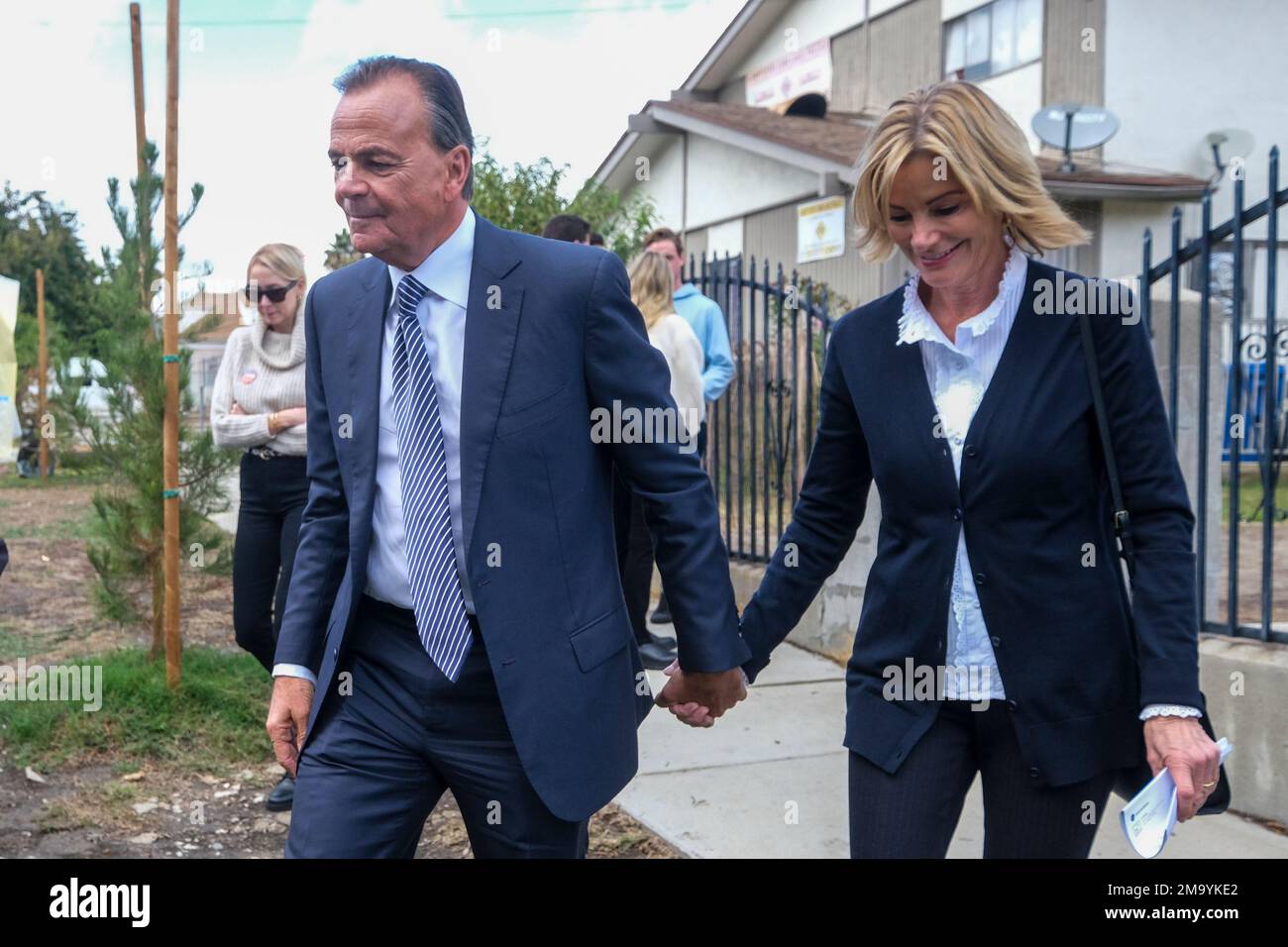
The Engines of Wealth: A Breakdown of Major Assets
The bulk of Rick Caruso’s net worth is tied up in a handful of iconic, high-performing properties. Unlike many developers who flip properties for a quick profit, Caruso has historically maintained ownership of his developments, reaping the long-term rewards of appreciation and rental income.
The Grove (Los Angeles)
Opened in 2002, The Grove is perhaps the most famous asset in the Caruso portfolio. Located adjacent to the historic Farmers Market in Los Angeles, it redefined the city’s retail landscape. As of 2026, it remains one of the highest-grossing shopping centers in the world per square foot. Its success is rooted in its 1940s-style architecture and the integration of a massive dancing fountain. The property attracts millions of visitors annually, comparable to major theme parks, but with a much higher per-capita spend.
Americana at Brand (Glendale)
Following the success of The Grove, Caruso developed the Americana at Brand in 2008. This project was more ambitious because it integrated a significant residential component into the retail environment. By building luxury apartments and condominiums directly above high-end retail, Caruso created a self-sustaining ecosystem. The residential units at Americana offer a "hotel-style" living experience, commanding some of the highest rental prices in the San Fernando Valley.
Palisades Village
In 2018, Caruso opened Palisades Village in the affluent neighborhood of Pacific Palisades. This project demonstrated his ability to scale down the "lifestyle center" concept into a community-centric, "bespoke" village. By curating a mix of local boutiques and international luxury brands, he created a property that felt like an extension of the neighborhood. This project proved that his wealth-building model could work in smaller, highly exclusive markets as effectively as it did in massive urban hubs.
Expansion into Hospitality and Luxury Living
As his retail empire matured, Rick Caruso diversified his holdings into the hospitality and luxury residential sectors. This move was strategic, insulating his wealth from the fluctuations of the retail market by tapping into the resilient demand for high-end travel and "ultra-luxury" housing.
Rosewood Miramar Beach
One of Caruso's most significant recent achievements is the Rosewood Miramar Beach in Montecito. This five-star resort, which opened in 2019 after years of complex entitlement battles, represents a pinnacle of luxury hospitality. By owning the land and the brand-associated asset, Caruso captures the high nightly rates of one of the world’s most expensive travel destinations. The resort’s success is a testament to his ability to manage long-term capital-intensive projects that eventually yield massive valuations.
8500 Burton Way
In the residential space, projects like 8500 Burton Way in Los Angeles set new standards for rental luxury. Featuring a rooftop pool, 24-hour concierge, and a ground-floor Trader Joe’s, the building caters to high-net-worth individuals who prefer the flexibility of renting over homeownership. These properties provide Caruso with a consistent, recession-resistant stream of cash flow that complements the more volatile nature of retail sales percentages.
The Financial Mechanics of the Caruso Business Model
To understand how Rick Caruso made his money, one must look at the specific financial structures he employs. He operates a vertically integrated company, meaning Caruso handles everything from site acquisition and architecture to leasing and property management.
| Financial Pillar | Description | Impact on Wealth |
|---|---|---|
| Lease Structures | High base rents combined with "percentage rent" (a cut of tenant sales). | Allows the developer to share in the success of high-performing retailers. |
| Private Ownership | Unlike public REITs, Caruso stays private, avoiding quarterly pressure from shareholders. | Enables long-term holding of assets and total control over branding. |
| Mixed-Use Synergies | Combining retail, dining, and residential on a single footprint. | Maximizes the value of every square foot of expensive California land. |
| Brand Premium | The "Caruso" name adds a perceived value to a property, similar to a luxury fashion brand. | Attracts institutional capital and allows for lower borrowing costs. |
| Operational Control | In-house management of security, landscaping, and events. | Ensures the "guest experience" remains high, protecting the asset's long-term value. |
A key aspect of his wealth preservation is debt management. By maintaining high occupancy rates (often near 100%) and a portfolio of trophy assets, Caruso is able to secure favorable financing terms. This allows him to leverage his existing equity to fund new, even larger developments without diluting his personal ownership.
Risk Management and Market Resilience
Caruso's wealth has not only grown but also survived various economic downturns, including the 2008 financial crisis and the retail challenges of the early 2020s. His resilience is often attributed to the quality of his locations. He adheres to a "Main and Main" strategy—buying only the absolute best corner in the absolute best neighborhood.
Furthermore, he has been an early adopter of digital integration. As of 2026, his properties utilize advanced data analytics to track consumer behavior, allowing him to adjust the "tenant mix" in real-time. If a specific category of retail is declining, Caruso is quick to replace those tenants with "experiential" businesses like high-end fitness studios, health clinics, or pop-up gallery spaces. This agility prevents his properties from suffering the "zombie mall" fate that has destroyed the wealth of many other real estate investors.
Public Service and Local Influence
While his primary wealth is financial, Caruso has also invested heavily in "social capital." His roles on the Los Angeles Department of Water and Power commission, the Los Angeles Police Commission, and the USC Board of Trustees gave him a level of local influence that is rare for a private developer.
This influence, while not a direct source of cash, facilitates his business. Understanding the inner workings of city government and maintaining strong relationships with civic leaders makes it easier to navigate the arduous California Environmental Quality Act (CEQA) and other regulatory hurdles that often stall or kill major real estate projects. By successfully delivering "public goods" like parks and community spaces within his private developments, he has built a track record that helps him win competitive bids for prime land.
Common Misconceptions About His Wealth
There is a common perception that Rick Caruso's wealth is entirely inherited. As established, his father was a multi-millionaire, but the jump from a successful car rental company to a multi-billion dollar real estate portfolio required a distinct set of skills and risks taken by Rick himself.
Another misconception is that he is merely a "shopping mall guy." In reality, his company has evolved into a diversified investment firm that deals in data, hospitality, and complex urban planning. His wealth is a product of high-stakes development, where he assumes the risk of building $500-million-plus projects that take decades to fully mature.
Frequently Asked Questions
What is Rick Caruso's estimated net worth in 2026?
While private wealth fluctuates based on real estate valuations and debt levels, Rick Caruso’s net worth has consistently been estimated in the multi-billion dollar range, typically cited between $4 billion and $6 billion. The majority of this is illiquid, tied up in the equity of his various property developments rather than cash in a bank account.
Does Rick Caruso own all his properties outright?
Caruso generally maintains a controlling interest in his properties, though like all major developers, he uses mortgage debt and occasionally partners with institutional investors (like pension funds or insurance companies) for massive projects. However, he is known for being a "long-term holder," rarely selling his core assets.
How did his run for Mayor of Los Angeles affect his business?
Caruso stepped down as CEO of his company during his 2022 mayoral campaign, appointing Corinne Verdery to the role. While he spent over $100 million of his own money on the campaign, the core business continued to generate revenue from its existing leases and hospitality assets. He eventually returned to a more active role in the firm's strategic direction.
What is the most profitable part of the Caruso portfolio?
Historically, The Grove has been the most profitable asset in terms of cash flow and sales-per-square-foot. However, the Rosewood Miramar Beach and his luxury residential developments like 8500 Burton Way have become increasingly important as they offer higher margins and less exposure to the changing retail landscape.
Why doesn't Rick Caruso take his company public?
Caruso has frequently stated that staying private allows him to maintain a high standard of quality that public markets might not support. Public companies are often pressured to show quarterly growth, which can lead to cost-cutting that would undermine the "luxury experience" Caruso’s brand is built upon.
Practical Lessons from the Caruso Wealth Model
For those looking to understand the mechanics of large-scale wealth creation, Rick Caruso’s career offers several clear takeaways:
- Experience Over Commodity: In any business, if you provide a superior experience rather than just a product, you can charge a premium.
- Long-Term Horizon: Real wealth is built by holding high-quality assets through market cycles, not by flipping for short-term gains.
- Vertical Integration: Controlling the design, construction, and management of your assets ensures that the brand vision is never diluted.
- Strategic Diversification: While he started in retail, Caruso’s expansion into luxury housing and hotels created a more stable and resilient financial base.
By focusing on the most affluent segments of the market and creating spaces that people feel an emotional connection to, Rick Caruso transformed the traditional real estate business into a high-margin, brand-driven empire.
Image Gallery
Select an image to open it in a new tab.
Omar Farooq
EdTech Innovation and Virtual Pedagogy Journalist
