How Mookie Betts Joined the Dodgers in 2020: The Trade and Impact That Reshaped Major League Baseball

When Mookie Betts joined the Los Angeles Dodgers in February 2020 via a blockbuster trade with the Boston Red Sox, it fundamentally altered the competitive landscape of Major League Baseball. The high-profile transaction brought an elite, multi-tool superstar to the West Coast, setting the stage for an immediate World Series title and cementing a long-term organizational pillar for the franchise.
The landscape of Major League Baseball shifted dramatically on February 10, 2020, when the Los Angeles Dodgers finalized a blockbuster trade with the Boston Red Sox, acquiring superstar outfielder Mookie Betts and left-handed starting pitcher David Price. This transaction was not merely a routine player swap; it was a watershed moment that united one of the sport's premier talents with a historic franchise looking to clear the final hurdle to a World Series championship. Understanding how this trade came to be requires examining the financial pressures in Boston, the aggressive asset management in Los Angeles, and the ripple effects of a complicated multi-team agreement that ultimately delivered historic success to the Dodgers.
The Context and Catalyst: Boston's Financial Shift and the Dodgers' Ambition
By the winter of 2020, the Boston Red Sox faced a complex economic reality. Having won the World Series in 2018, the organization was staring down mounting luxury tax penalties and the impending free agency of Mookie Betts, one of the most dynamic players in the game. Betts, a former American League Most Valuable Player and multiple-time Gold Glove and Silver Slugger winner, was projected to command a historic contract on the open market. Rather than meeting those financial demands or risking losing him for a minimal draft-pick compensation package in free agency, Red Sox ownership and newly appointed chief baseball officer Chaim Bloom prioritized payroll flexibility and rebuilding the team's farm system.
Simultaneously, the Los Angeles Dodgers possessed a rare combination of financial strength, top-tier prospect capital, and an organizational hunger to convert consistent regular-season dominance into a World Series title. Under the leadership of President of Baseball Operations Andrew Friedman, the Dodgers had reached the Fall Classic in 2017 and 2018 but fell short both times. Recognizing an opportunity to acquire a generational talent in his prime, Friedman orchestrated a deal that leveraged the Dodgers' deep minor-league system to pry Betts away from Boston, while also absorbing a significant portion of David Price’s contract.
The Anatomy of the Trade: A Complex Three-Team Deal
The path to finalizing the trade was famously convoluted. Initially structured as a three-team blockbuster involving the Minnesota Twins, the deal hit a major snag regarding medical reviews and player physicals. The original framework would have sent outfielder Joc Pederson from the Dodgers to the Angels, and pitching prospect Brusdar Graterol from the Twins to the Red Sox.
When the Red Sox expressed concerns over Graterol's medical records, the transaction stalled and nearly collapsed. This friction forced the front offices to restructure the agreement. Ultimately, the Minnesota Twins dropped out of the primary trade mechanics, leading to a revised two-team exchange between the Red Sox and Dodgers that was officially announced on February 10, 2020.
| Team Acquiring | Players Received | Players Sent Out |
|---|---|---|
| Los Angeles Dodgers | Mookie Betts, David Price, cash considerations | Alex Verdugo, Jeter Downs, Connor Wong |
| Boston Red Sox | Alex Verdugo, Jeter Downs, Connor Wong | Mookie Betts, David Price, cash considerations |
Through this revised structure, the Red Sox received outfielder Alex Verdugo, who had established himself as a promising young major-leaguer with a strong arm and high contact rate, alongside infield prospect Jeter Downs and catching prospect Connor Wong. The Dodgers, meanwhile, secured Betts—under club control for the 2020 season—and Price, adding immediate elite production to both their lineup and rotation, though Price later opted out of the pandemic-shortened 2020 season due to health concerns.

Immediate Impact on the 2020 Season
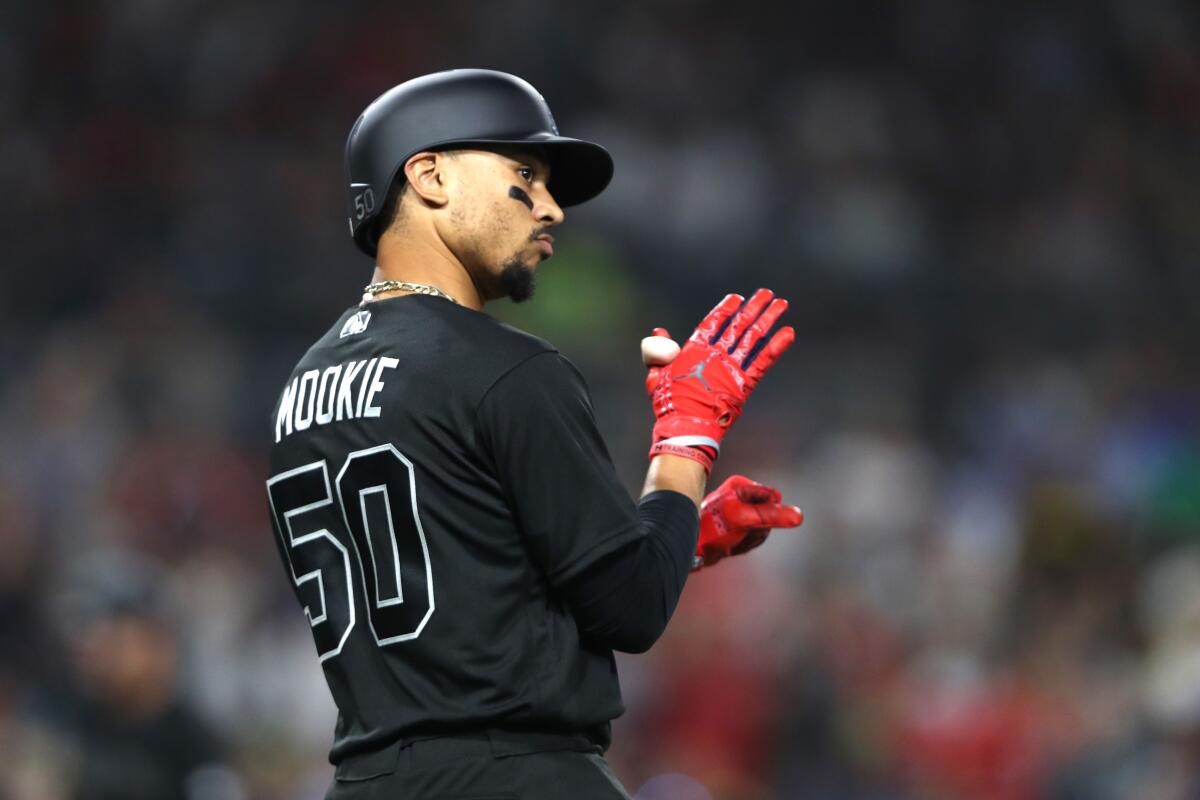
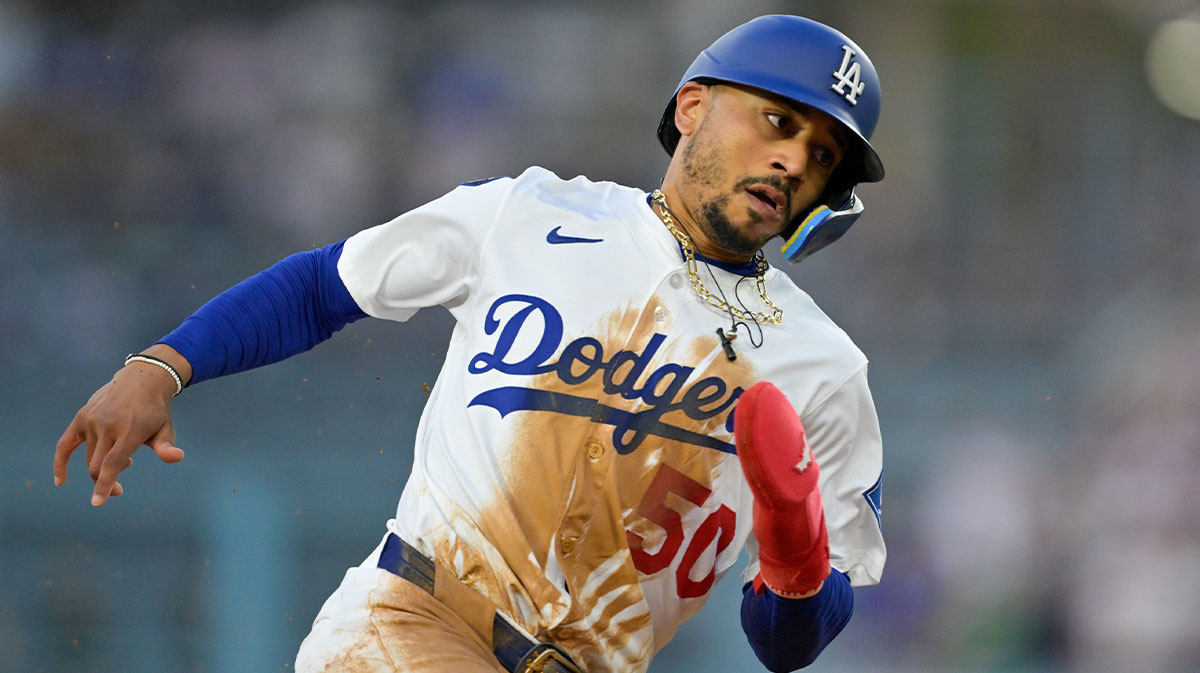
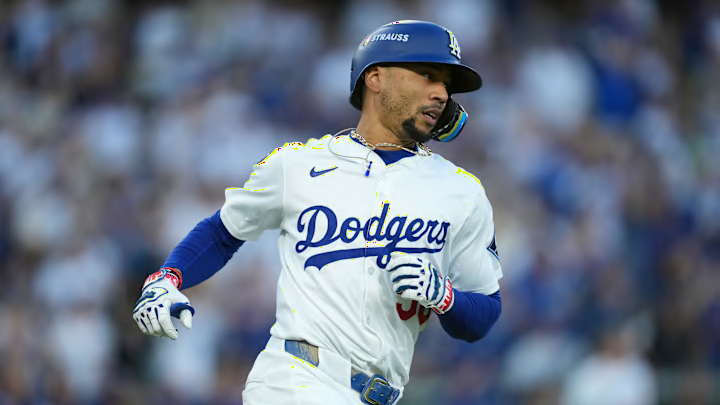
Although the 2020 Major League Baseball season was drastically shortened to 60 games due to the COVID-19 pandemic, the acquisition of Mookie Betts paid immediate dividends for the Los Angeles Dodgers. Betts seamlessly integrated into the clubhouse and the top of the batting order, providing elite defense in right field, exceptional baserunning, and consistent offensive firepower.
During the regular season, Betts batted .292 with a .366 on-base percentage and a .562 slugging percentage, launching 16 home runs and stealing 10 bases in 55 games. His contributions earned him a fourth-place finish in the National League MVP voting, a Gold Glove Award, and a Silver Slugger Award. Beyond statistical output, Betts infused the team with a championship pedigree and veteran leadership that galvanized the roster.
| Metric / Honor | 2020 Regular Season Performance |
|---|---|
| Batting Average (BA) | .292 |
| On-Base Percentage (OBP) | .366 |
| Slugging Percentage (SLG) | .562 |
| Home Runs (HR) | 16 |
| Stolen Bases (SB) | 10 |
| Postseason Highlight | Game-changing defense and offense en route to the 2020 World Series Title |
The pinnacle of Betts's first year in Los Angeles occurred during the postseason. His spectacular defensive plays—most notably a series of leaping catches against the wall in the National League Championship Series against the Atlanta Braves—and clutch hitting in the World Series against the Tampa Bay Rays propelled the Dodgers to their first World Series championship since 1988. The trade had achieved its primary objective within months of its completion.
Long-Term Commitment and Organizational Legacy
Recognizing that Betts was more than a one-year rental, the Dodgers moved quickly to secure his services long-term. Just before the delayed 2020 season commenced in July, Los Angeles signed Betts to a 12-year contract extension worth $365 million, running through the 2032 season. This agreement ensured that the superstar outfielder would spend the prime of his career in a Dodger uniform, establishing organizational stability and anchoring the franchise's competitive window for over a decade.
The long-term partnership has continued to yield historic achievements. Betts transitioned smoothly between the outfield and the infield, demonstrating elite versatility by playing second base and shortstop when required by team needs. His presence helped maintain the Dodgers as perennial World Series contenders through the mid-2020s, cementing the February 2020 trade as one of the most successful acquisitions in the modern history of Major League Baseball.
Frequently Asked Questions
When did Mookie Betts officially join the Los Angeles Dodgers?
Mookie Betts officially joined the Los Angeles Dodgers on February 10, 2020, following a heavily publicized trade with the Boston Red Sox that also included left-handed pitcher David Price.
What players did the Boston Red Sox receive in return for Mookie Betts?
In the finalized trade, the Boston Red Sox received outfielder Alex Verdugo, infielder Jeter Downs, and catching prospect Connor Wong from the Los Angeles Dodgers.
Why did the Boston Red Sox trade Mookie Betts?
The Red Sox traded Betts primarily to manage payroll flexibility, avoid luxury tax penalties, and acquire younger organizational depth rather than risking losing him to free agency without adequate compensation.
Did Mookie Betts sign a long-term contract extension with the Dodgers?
Yes. Before the 2020 season began, Betts signed a 12-year, $365 million contract extension with the Dodgers, keeping him under contract through the 2032 season.
How did Mookie Betts perform in his first season with Los Angeles?
In the shortened 2020 season, Betts hit .292 with 16 home runs, won a Gold Glove and a Silver Slugger, finished fourth in NL MVP voting, and led the Dodgers to a World Series championship.
Conclusion and Next Actions
The acquisition of Mookie Betts in February 2020 stands as a masterclass in aggressive front-office strategy and asset valuation. For fans and analysts studying modern baseball history, reviewing the original trade mechanics, the restructuring due to medical reviews, and the subsequent contract extension offers a clear blueprint of how elite franchises build sustained championship contenders. To further explore this topic, examine the historical trade logs of the 2020 offseason or analyze the long-term financial impacts of long-term superstar extensions in Major League Baseball.
Image Gallery
Select an image to open it in a new tab.




Declan O'Connor
Higher Education and Campus Culture Reporter
