Navigating Life with a Dog and a Pregnant Woman: Safety, Preparation, and Harmony

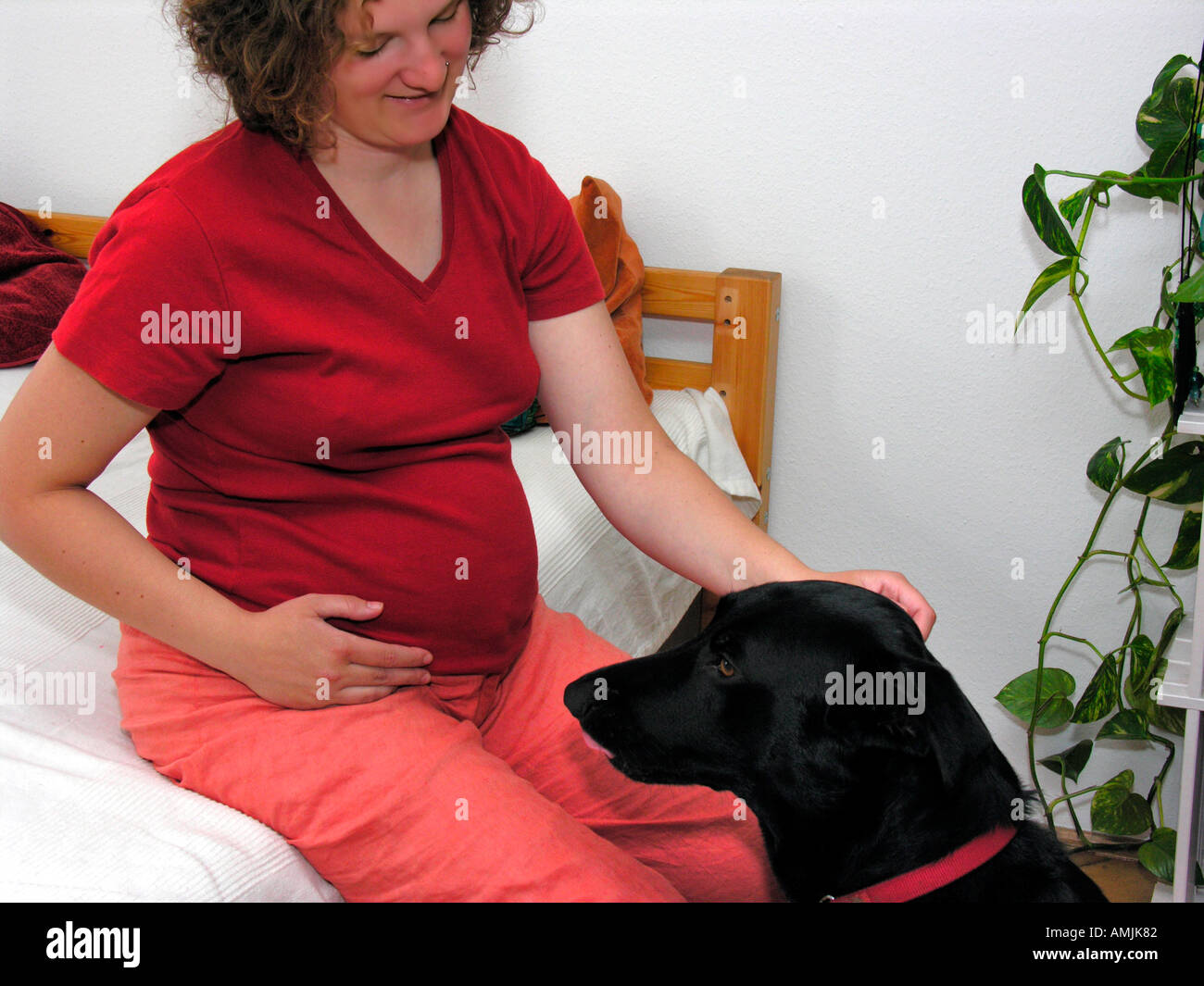
Living with a dog and a pregnant woman requires careful preparation, proactive behavior management, and a deep understanding of how domestic animals perceive household changes. As pregnancy progresses, physical routines, household dynamics, and scent profiles shift, which can directly influence a dog's anxiety levels and daily conduct. Establishing clear boundaries, consulting veterinary and medical professionals, and introducing environmental adjustments ahead of time ensure a safe, peaceful transition for every member of the household.
Understanding Canine Perception During Pregnancy
Dogs experience the world primarily through scent and observation. When a woman becomes pregnant, profound hormonal shifts alter her body chemistry and personal scent. Dogs notice these changes immediately, often before the physical signs of pregnancy become apparent to human observers.
Scent and Hormonal Shifts
The human body produces a distinct cocktail of hormones during gestation, including elevated levels of estrogen, progesterone, and human chorionic gonadotropin (hCG). Because a dog’s olfactory system is tens of thousands of times more sensitive than a human's, these hormonal fluctuations alter the familiar scent profile of the pregnant partner. Some dogs respond with increased vigilance, following the pregnant woman from room to room, resting their heads on her abdomen, or displaying protective behaviors. Others may become mildly anxious or confused by the unfamiliar scent, which underscores the importance of maintaining predictable daily routines to keep canine stress levels manageable.
Behavioral Cues and Stress Signals
Canines communicate discomfort and stress through subtle body language long before resorting to vocalization or snapping. Recognizing these signs is vital for preventing household conflicts. Watch for subtle indicators of canine stress, such as:
- Yawning when not tired
- Lip-licking or excessive panting in a cool room
- A "whale eye" (showing the whites of the eyes)
- Turning the head or body away to avoid interaction
- Stiffening of the posture when approached
When a dog displays these behaviors, it indicates that the animal feels overwhelmed. Forcing interactions during these moments can escalate anxiety. Instead, provide the dog with a designated safe space where they can retreat without disturbance.
Health, Hygiene, and Medical Precautions
Integrating veterinary guidance with prenatal medical advice ensures that both the pregnant woman and the dog remain healthy throughout the gestation period. Certain zoonotic diseases and physical hazards require active management.
Parasite Control and Veterinary Checkups
Maintaining rigorous preventive care for the dog is non-negotiable during pregnancy. Regular veterinary checkups should confirm that the animal is up-to-date on vaccinations, heartworm prevention, and broad-spectrum parasite control.
- Flea and Tick Preventives: Ensure these treatments are administered consistently to prevent home infestations.
- Intestinal Parasites: Pregnant women are particularly susceptible to certain parasites, such as Toxoplasma gondii (primarily associated with cats, though dogs can transmit other pathogens like roundworms and hookworms through contaminated soil or feces).
- Hygiene Protocols: Implement strict handwashing routines after handling dog waste, saliva, or feeding supplies. Whenever possible, have another household member handle waste disposal and litter box management (if other pets are present) to eliminate exposure risks.
| Preventive Measure | Frequency | Responsibility | Objective |
|---|---|---|---|
| Veterinary Health Exam | Every 6 months / Annually | Primary Caregiver | Confirm overall health and vaccine status |
| Parasite Screening (Fecal) | Biannually | Primary Caregiver | Detect and treat intestinal worms early |
| Flea & Tick Treatment | Monthly (Year-round) | Primary Caregiver | Prevent external vector-borne illnesses |
| Waste Disposal | Daily | Non-Pregnant Partner | Minimize contact with potential pathogens |
Professional Consultation Limits
While general guidance recommends maintaining clean environments and proactive veterinary care, specific medical inquiries regarding zoonotic risks must be directed to an OB-GYN or a licensed veterinarian. Pregnant individuals should disclose all household pet interactions during their initial prenatal appointments to receive tailored health evaluations based on their specific immune status and medical history.

Proactive Training and Environmental Preparation
Preparing a dog for the arrival of an infant requires breaking down the training process into structured, sequential steps. Waiting until the baby arrives to address behavioral issues creates unnecessary stress for both humans and pets.
Establishing Physical Boundaries
Introduce new spatial rules well in advance of the due date. If the dog is currently allowed unrestricted access to the future nursery or the primary bedroom, phase out this privilege gradually.
- Use baby gates or closed doors to define off-limits zones.
- Reward the dog with high-value treats when they respect these boundaries independently.
- Create a comfortable alternative resting area, such as a crate or a designated dog bed, positioned where the dog can still observe household activity without being underfoot.
Desensitization to Sounds and Equipment
Newborns introduce an entirely new sensory landscape into a home. Dogs must be desensitized to unfamiliar sounds, smells, and equipment long before the baby comes home from the hospital.
- Audio Desensitization: Play recorded sounds of crying babies, infant cooing, and rocking chair creaks at low volumes during meal times, gradually increasing the volume over several weeks.
- Equipment Introduction: Set up strollers, bouncers, swings, and cribs months ahead of time. Allow the dog to inspect these items under supervision, rewarding calm behavior.
- Lotion and Powder Scents: Apply baby lotions, shampoos, and diaper rash creams to your own hands or skin so the dog associates these novel scents with familiar, positive human interaction.
Managing Physical Limitations and Daily Routines
As pregnancy progresses, physical endurance naturally decreases. Maintaining a dog's exercise and mental stimulation routine requires creative adaptation, especially if the pregnant partner was previously the primary handler for high-energy walks.
Adapting Exercise Routines
A tired dog is a well-behaved dog, but pregnancy fatigue can make long, strenuous walks difficult.
- Delegate Responsibilities: Transition walking duties to a partner, relative, or professional dog walker during the second and third trimesters.
- Leash Safety: If the pregnant partner continues to walk the dog, switch to a front-clip harness to prevent sudden pulling or lunging, which could compromise balance and cause a fall. Avoid walking large, reactive dogs in high-traffic areas where sudden leash tugs are possible.
- Mental Enrichment: Supplement physical exercise with puzzle toys, snuffle mats, and obedience training sessions that tire the dog mentally without requiring marathon runs.
Safe Interaction Habits
Physical changes to a pregnant woman's body—such as an expanding abdomen and altered center of gravity—mean that standard physical interactions with pets must be adjusted.
- Train the dog not to jump up, lean against, or rest heavy paws on the pregnant abdomen.
- Teach a reliable "off" or "leave it" command to redirect the dog if they become overly enthusiastic or attempt to crowd the physical space.
- Sit on the couch or a sturdy chair when interacting with high-energy dogs to maintain stability and prevent accidental tipping.
Frequently Asked Questions
Will my dog know I am pregnant before I show?
Yes, dogs possess an extraordinary sense of smell capable of detecting minute chemical and hormonal shifts in human sweat and breath. Many dogs notice these changes during the first trimester, responding with shifts in attachment, protectiveness, or mild confusion regarding the new scent profile.
How early should I start training my dog for the baby's arrival?
Training and environmental preparation should begin ideally four to six months before the due date. This extended timeline allows the dog to process changes gradually without forming negative associations between the new rules and the infant itself.
Can dogs sleep in the same room as a newborn?
Veterinary behaviorists and pediatricians generally recommend keeping pets out of the infant’s sleeping quarters when unsupervised. While family dogs can share a bedroom if they are calm and well-trained, a closed door or secure mesh screen on the nursery door prevents accidental suffocation risks or unmonitored close contact.
What should I do if my dog shows signs of aggression toward the pregnant partner?
Any growling, snapping, or resource-guarding directed at the pregnant partner must be evaluated immediately by a certified professional dog trainer or a veterinary behaviorist. Do not punish the dog for growling, as this suppresses warning signals and can lead to unannounced biting; instead, manage the environment safely and seek expert intervention.
Conclusion and Next Actions
Successfully living with a dog and a pregnant woman hinges on proactive planning, consistent training, and open communication between all human household members. By addressing veterinary health, establishing clear spatial boundaries, and desensitizing the dog to infant equipment and sounds well in advance, families can mitigate anxiety and build a safe foundation for the future.
To take immediate action, schedule a comprehensive veterinary checkup for your dog to ensure parasite prevention is up to date, and sit down with your partner to map out a revised exercise and daily routine schedule that accounts for decreasing physical stamina during later pregnancy stages.
Image Gallery
Select an image to open it in a new tab.


Simon Caldwell
Enterprise Technology and Systems Editor
