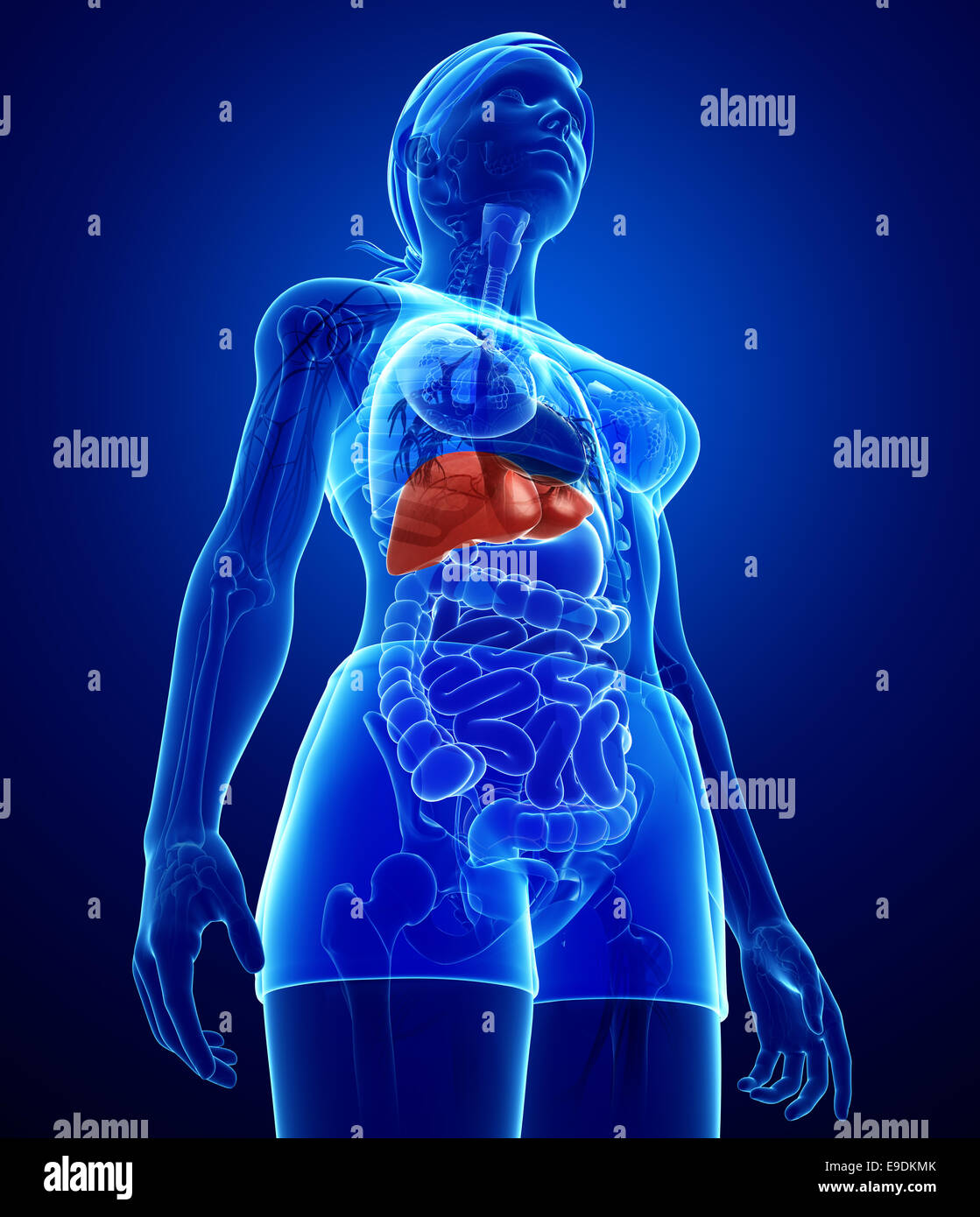
The liver is located in the upper right portion of your abdominal cavity, specifically nestled beneath the diaphragm and above the stomach, right kidney, and intestines. As the body’s largest internal organ, it occupies the upper right quadrant of the abdomen, extending partially into the upper left quadrant, and is protected by the lower right rib cage.
Anatomical Positioning of the Liver
To understand the precise location of the liver, one must visualize the upper abdomen as divided into quadrants. The liver is primarily situated in the right hypochondriac region and the epigastric region. If you were to place your hand on your body, the liver sits just under your lowest ribs on the right side. Because of its size—typically weighing about 3 pounds in an average adult—it is a heavy, reddish-brown organ that is essential for life.
The liver's position is not static; it moves slightly with the diaphragm during the respiratory cycle. When you inhale deeply, the diaphragm contracts and moves downward, effectively pushing the liver slightly lower into the abdominal cavity. This mobility is facilitated by its attachment to the diaphragm and abdominal wall via several ligaments, most notably the falciform ligament, which divides the liver into its two main lobes.
The Structural Anatomy and Regional Neighbors
The liver is composed of two main lobes: the larger right lobe and the smaller left lobe. Their physical placement dictates how they interact with surrounding organs:
- The Diaphragm: Positioned immediately superior to the liver, the diaphragm acts as a muscular partition separating the thoracic cavity (housing the heart and lungs) from the abdominal cavity.
- The Gallbladder: Tucked into a shallow depression on the inferior surface of the liver, the gallbladder serves as a storage vessel for bile, which the liver produces.
- The Stomach: Located to the left of the liver, the stomach receives nutrients that the liver will later process via the hepatic portal vein.
- The Right Kidney: Positioned posteriorly, the right kidney is partially covered by the right lobe of the liver, protected by the dense anatomical structure of the abdominal wall.
This strategic positioning is critical for the liver’s function. By being located directly in the path of blood returning from the digestive tract, the liver can immediately filter toxins, process nutrients, and synthesize essential proteins before the blood circulates to the rest of the body.
Physiological Functions Based on Location
The liver’s location is a result of evolutionary design, placing it at the "gateway" of the body's metabolic system. Blood returning from the intestines, stomach, and spleen travels through the hepatic portal vein directly into the liver. This "first-pass" metabolism allows the liver to regulate blood sugar, remove bacteria, and neutralize drugs or environmental toxins before they reach systemic circulation.
The proximity to the digestive system is not merely for filtration. The liver produces bile, a digestive fluid essential for the breakdown of fats. Because the gallbladder is attached to the underside of the liver, bile flows directly into the gallbladder for concentration and is then released into the small intestine when food enters the duodenum. If the liver were located elsewhere, this complex transport system would be significantly less efficient.
Identifying Potential Liver-Related Discomfort
Because the liver is tucked behind the lower rib cage, pain originating from the liver can often be confused with musculoskeletal issues or gallbladder distress. Medical professionals look for specific signs that suggest the liver is the source of a problem:
- Right Upper Quadrant (RUQ) Pain: This is the most common manifestation. It may feel like a dull ache or a sharp pressure beneath the right rib cage.
- Referred Pain: Liver issues may sometimes cause pain in the right shoulder or back. This occurs because the nerves supplying the liver share pathways with nerves in the shoulder area.
- Physical Enlargement: In certain medical conditions, the liver can become enlarged (hepatomegaly). In such cases, a physician might be able to feel the edge of the liver extending below the rib margin during a physical examination, which is not typically possible in a healthy individual.
| Feature | Description |
|---|---|
| Primary Location | Right upper quadrant of the abdomen |
| Protective Structure | Lower right rib cage |
| Superior Border | Diaphragm |
| Inferior Neighbors | Gallbladder, stomach, right kidney, intestines |
| Mobility | Moves vertically with diaphragm during respiration |
When to Consult a Healthcare Professional
Understanding that the liver is located in the upper right abdomen is helpful for descriptive purposes, but you should never attempt to diagnose yourself based on location alone. Liver health involves complex biochemical processes, and symptoms often overlap with other conditions.
You should seek medical evaluation if you experience persistent pain in the upper right quadrant, especially if accompanied by systemic signs such as jaundice (yellowing of the skin or eyes), unexplained fatigue, dark urine, or pale stools. These signs suggest that the liver may be struggling to process bilirubin or toxins, regardless of the anatomical location of the pain.
Disclaimer: This information is for educational purposes and does not constitute medical advice, diagnosis, or treatment. Always seek the advice of your physician or other qualified health provider with any questions you may have regarding a medical condition.
Frequently Asked Questions
Does the liver move when I exercise? The liver is anchored by ligaments, but it is somewhat mobile. During vigorous exercise or deep breathing, the diaphragm shifts the position of the liver slightly. However, you will not "feel" the liver moving in a healthy state; sudden pain during exercise in the right side is more often related to diaphragm cramping or the spleen on the opposite side.
Can I feel my own liver? In most healthy adults, the liver is hidden entirely behind the rib cage and cannot be felt by palpation. If a doctor can feel your liver during an exam, it may be a sign of hepatomegaly (an enlarged liver) or a low-hanging liver (ptosis), both of which require clinical investigation.
How does the liver's location affect surgical procedures? Because the liver is shielded by the lower ribs, access for surgeries or biopsies often requires either an incision below the rib cage or, in modern medicine, minimally invasive laparoscopic techniques. The location behind the ribs provides a natural shield from external trauma, but it also makes the organ relatively difficult to access without specialized imaging guidance.
Is liver pain always located on the right side? While the majority of the liver resides on the right, the left lobe extends toward the center of the abdomen. Therefore, while right-sided pain is standard for liver issues, some discomfort may be felt in the epigastric region (the center of the upper abdomen). Always prioritize clinical diagnostic tests over subjective feelings of pain location.
Why does my shoulder hurt if my liver is in my abdomen? This is known as referred pain. The phrenic nerve, which passes near the liver and the diaphragm, also supplies sensory information to the shoulder area. Inflammation or pressure on the liver can irritate the diaphragm, causing the brain to perceive the pain as originating from the shoulder.
Next Steps for Monitoring Your Health
If you are concerned about your liver health, the most effective next step is to schedule an appointment with a primary care physician. Rather than relying on tactile self-examination, a professional will use standardized methods such as:
- Physical Examination: Gently palpating the abdomen to check for tenderness or enlargement.
- Liver Function Tests (LFTs): A blood test measuring enzymes and proteins that indicate how well the liver is performing its metabolic duties.
- Imaging: Ultrasounds, CT scans, or MRIs, which are the only ways to accurately visualize the size, shape, and condition of the liver within the abdominal cavity.
Maintaining a healthy weight, moderating alcohol consumption, and keeping up-to-date with vaccinations (particularly for Hepatitis) are the most effective ways to protect the organ located beneath your right ribs. If you experience persistent discomfort in that area, do not delay in seeking professional medical verification.
Image Gallery
Select an image to open it in a new tab.
Zara El-Hashem
Sociocultural Dynamics and Academics Writer
