The Little People of LA and Their Impact: Advocacy, Hollywood, and Human Rights
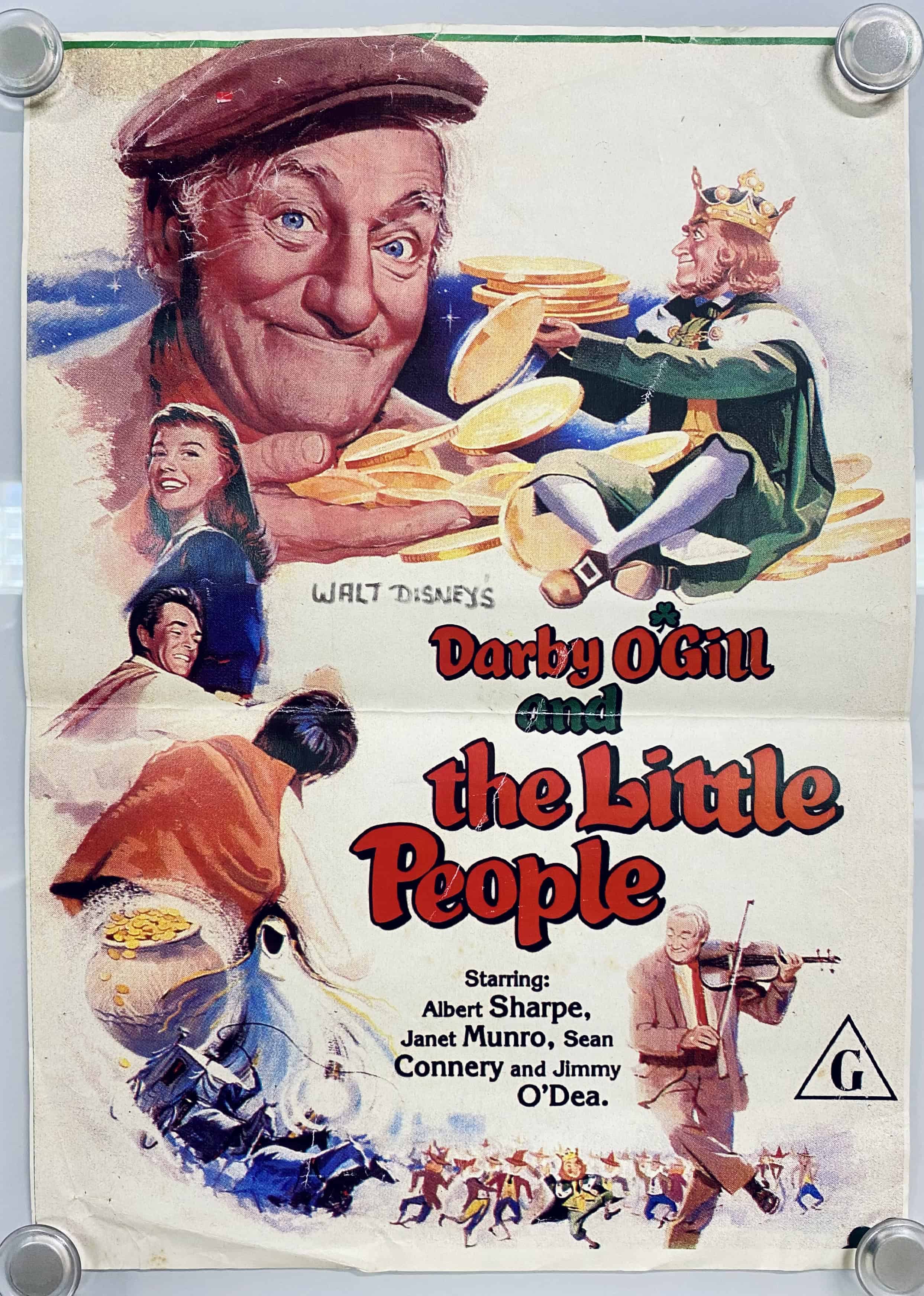
The community of little people in Los Angeles has fundamentally reshaped global perceptions of dwarfism through decades of media representation, legislative advocacy, and organized community support. Primarily centered around the Los Angeles chapter of Little People of America (LPA), this group has transitioned from being specialized "novelty" performers to influential leaders in the modern disability rights movement.
The Foundations of Community: Billy Barty and the Birth of the LPA
The history of the little people of Los Angeles is inextricably linked to the history of Little People of America (LPA). In 1957, actor Billy Barty, a prominent figure in Los Angeles, recognized that individuals with dwarfism were often isolated and lacked a collective voice. He issued a call for a meeting in Reno, Nevada, which led to the formation of "Midgets of America." The organization quickly evolved into Little People of America and established its roots firmly within the Los Angeles area.
The impact of this foundation cannot be overstated. Before 1957, there were few, if any, social or medical resources specifically tailored to people of short stature. By centralizing the community in Los Angeles—a city already housing a significant population of little people due to the film industry—Barty created a hub for both social support and political action. The Los Angeles chapter (District 12) remains one of the most active in the nation, providing a template for how local advocacy can influence national policy.
The LPA's mission in Los Angeles has always been twofold: to provide a peer-support network and to educate the public. In a city where "image" is everything, the presence of a organized community of little people challenged the prevailing narrative that they were merely objects of curiosity. Instead, they established themselves as a distinct demographic with specific needs in healthcare, employment, and civil rights.
The Hollywood Influence: Shifting the Narrative of Representation
Los Angeles is the epicenter of the global entertainment industry, and for much of the 20th century, this was the primary "employer" of little people. However, this relationship was historically exploitative. In the early days of cinema, little people were often cast in non-human roles—elves, aliens, or monsters—or used for slapstick comedy.
The impact of the Los Angeles community has been to move representation away from these caricatures. Actors and advocates within the city have pushed for "authentic casting," where little people play characters whose height is either incidental to the plot or treated with the complexity of the human experience.
From "Munchkins" to Leads
The 1939 production of The Wizard of Oz saw a massive gathering of little people in Los Angeles, which served as a catalyst for the community to realize their collective presence. Decades later, the shift began with actors like Billy Barty, Hervé Villechaize, and eventually Peter Dinklage. Dinklage’s success, much of which was facilitated by the LA-based industry, marked a turning point where a person with dwarfism could be a romantic lead or a powerful political figure in a mainstream series (Game of Thrones).
The Role of Organizations like SAG-AFTRA
The Los Angeles community has worked closely with SAG-AFTRA (Screen Actors Guild – American Federation of Television and Radio Artists) to ensure better working conditions. This includes advocating for specialized stunt coordinators, accessible trailers, and the elimination of "dwarf tossing" or other degrading portrayals in media. By 2026, these efforts have resulted in more rigorous DEI (Diversity, Equity, and Inclusion) standards across all major Los Angeles studios, ensuring that dwarfism is included in the broader conversation about disability in media.

Advocacy and Legislative Impact: The Fight for Human Dignity
The impact of the little people of LA extends far beyond the silver screen and into the halls of government. California, and specifically the Los Angeles metropolitan area, has often been the testing ground for legislation that protects the rights of those with short stature.
Banning Exploitative Practices
One of the most significant impacts of the Los Angeles advocacy community was the campaign against "dwarf tossing." In the 1980s and 90s, the Los Angeles chapter of the LPA was instrumental in lobbying for the ban of this activity in public establishments. They argued successfully that such activities were not "entertainment" but a violation of human dignity that incited violence and harassment against little people in their everyday lives.
Accessibility and the ADA
While the Americans with Disabilities Act (ADA) is a federal law, its implementation in a sprawling metropolis like Los Angeles has been heavily influenced by local advocates. Little people in LA have campaigned for:
- Lowered counters in public buildings and retail spaces.
- Accessible ATMs and kiosks.
- Modified public transportation steps and handrails.
- Specialized driver education programs that accommodate pedal extensions and other modifications common in the community.
These local wins often serve as the basis for national standards. When a major Los Angeles-based retailer or public agency adopts "little-people-friendly" modifications, the ripple effect is felt across the country as other branches and cities follow suit.
Medical Advocacy and Genetic Research
Los Angeles is home to some of the world's leading medical institutions, including Cedars-Sinai Medical Center and UCLA Health. The little people of LA have had a profound impact on the medical field by participating in and advocating for specialized research into skeletal dysplasia.
Dwarfism is not a single condition but an umbrella term for over 400 distinct medical conditions, with achondroplasia being the most common. The LA community has been vital in:
- Clinical Trials: Many members of the Los Angeles LPA chapter have participated in clinical trials for new treatments, such as vosoritide, which aims to improve bone growth in children with achondroplasia.
- Specialized Care Models: Local advocates have helped develop multidisciplinary care models that bring together orthopedists, neurologists, and geneticists to treat the complex needs of people with dwarfism, such as spinal stenosis and joint issues.
- Genetic Ethics: As genetic testing becomes more advanced, the LA community has been a leading voice in the ethical debates surrounding "curing" dwarfism versus improving quality of life, emphasizing that dwarfism is a valid identity, not just a medical problem to be solved.
Economic Impact and the "Little People" Market
The presence of a concentrated population of little people in Los Angeles has created a unique micro-economy. In a city where custom tailoring and specialized services are common, businesses have emerged to meet the specific needs of this community.
| Industry Segment | Impact of the LA Community |
|---|---|
| Automotive | Development of high-tech pedal extensions and steering modifications by LA-based mechanics. |
| Fashion/Apparel | Emergence of "short-stature" tailoring services and designers focusing on proportions for little people. |
| Real Estate | Growing demand for "universal design" homes in the LA suburbs that feature lower light switches and counters. |
| Legal Services | Specialized legal advocacy for disability discrimination cases, particularly within the entertainment and hospitality sectors. |
This economic presence forces the broader market to acknowledge little people as consumers with purchasing power, rather than just a niche demographic. This shift in economic status is a key part of the community’s overall impact on the city’s social fabric.
Challenges of Living in Los Angeles in 2026
Despite the progress, living in Los Angeles presents unique challenges for people of short stature. The city's reliance on car culture and its high cost of living are significant hurdles.
Navigation and Infrastructure
Los Angeles is notorious for its lack of walkability. For a little person, navigating large parking lots and high-traffic areas can be physically taxing and dangerous due to visibility issues. Local advocacy groups continue to push for "pedestrian-first" designs in areas like Santa Monica and West Hollywood, which benefit not just little people, but children and the elderly as well.
The Cost of Modification
Living as a little person often incurs a "disability tax." Modifying a vehicle, a home, or even a wardrobe in an expensive city like Los Angeles requires significant capital. While some grants and insurance coverages exist, many in the community must advocate for better financial support and workplace accommodations to offset these costs.
Social Integration and the Fight Against Stigma
Perhaps the most profound impact of the little people of LA is the gradual normalization of dwarfism in public spaces. In a city where celebrities are common, the "celebrity" of being a little person is slowly being replaced by the mundane reality of being a neighbor, a professional, or a parent.
The LA chapter of the LPA holds regular social events—from beach days in Malibu to regional conferences—that are highly visible. This visibility is intentional. By occupying space in the most photographed city in the world, they are reclaiming their narrative. They are no longer "the little people of the circus" or "the little people of the movie set"; they are the little people of Los Angeles, a vibrant part of the city’s diverse mosaic.
Frequently Asked Questions
What is the preferred terminology for the community in Los Angeles?
In Los Angeles, as in the rest of the US, "little person" or "person of short stature" are the generally accepted terms. The term "dwarf" is also used in a medical context (skeletal dysplasia). The term "midget" is considered a highly offensive slur by the vast majority of the community and should be avoided in all contexts.
How can someone join the Little People of America Los Angeles chapter?
Membership is open to individuals who are 4'10" or shorter due to a medical condition, as well as their families. The Los Angeles chapter, which falls under District 12, typically requires a small annual fee for membership, which provides access to local events, medical referrals, and advocacy resources.
What is the significance of Billy Barty to the LA community?
Billy Barty was a legendary actor who lived and worked in Los Angeles. Beyond his career, he is the most significant figure in the history of the community because he founded the LPA. His legacy continues through the Billy Barty Foundation, which is also based in the LA area and focuses on providing scholarships and medical grants.
Are there specific laws in California that protect little people?
Yes. In addition to the federal ADA, California has the Unruh Civil Rights Act, which provides broad protection against discrimination by all business establishments in California based on disability and physical attributes. This has been a key tool for LA-based lawyers fighting for the rights of little people.
How has Hollywood’s treatment of little people changed by 2026?
By 2026, the industry has shifted toward "integrated casting." This means that roles for little people are no longer restricted to "fantasy" or "comedy" genres. There is also a significant push for behind-the-scenes representation, with more little people working as writers, directors, and producers in major LA studios.
Moving Forward: Next Actions for Support and Engagement
The impact of the little people of LA is a testament to the power of organized community. To continue this progress, several actions are recommended for both members of the community and the general public:
- Support Authentic Representation: Consumers should prioritize media that features little people in complex, non-stereotypical roles and support studios that adhere to modern DEI standards.
- Advocate for Universal Design: When planning renovations or public works projects in Los Angeles, architects and planners should move beyond basic ADA compliance toward "universal design" that accommodates a wider range of heights and mobilities.
- Engage with Local Chapters: For those newly diagnosed with dwarfism or moving to the area, connecting with the LPA District 12 provides immediate access to a wealth of local knowledge regarding doctors, schools, and employment in Los Angeles.
- Education over Curiosity: The public should move away from treating little people as "spectacles." Education regarding the medical realities of skeletal dysplasia can help foster a more respectful and inclusive environment.
By continuing to leverage the visibility of Hollywood and the progressive legislative environment of California, the little people of Los Angeles will continue to be a vanguard for disability rights worldwide.
Image Gallery
Select an image to open it in a new tab.



Omar Farooq
EdTech Innovation and Virtual Pedagogy Journalist
