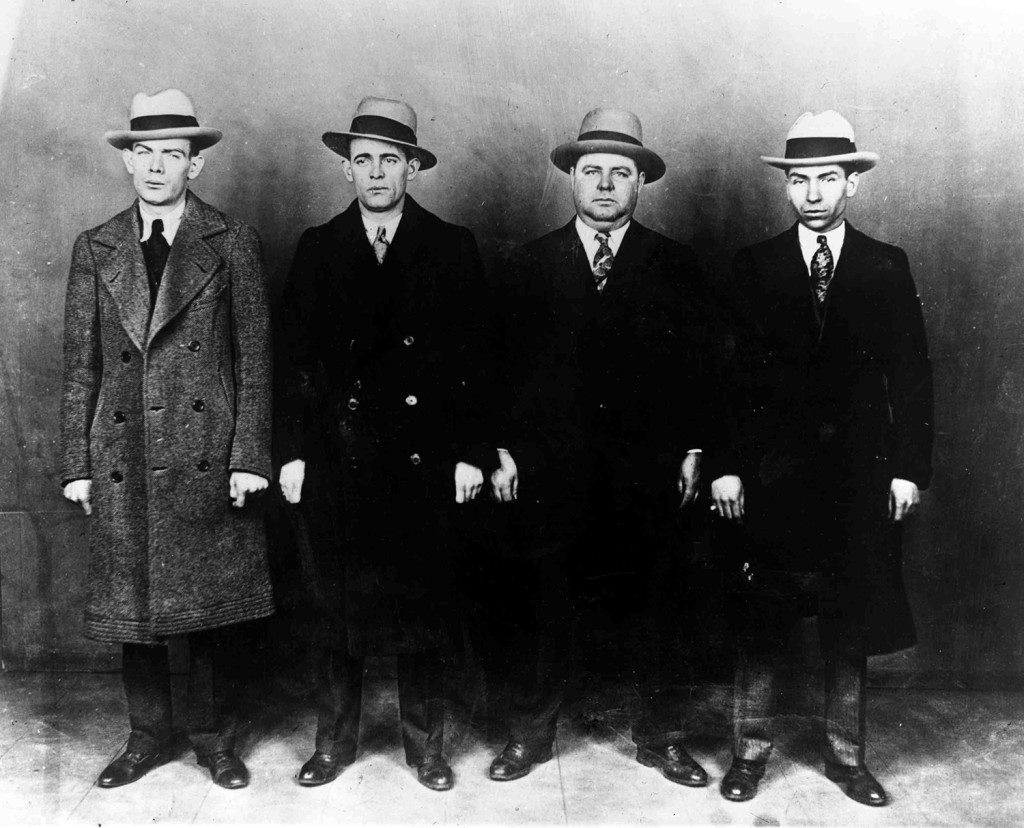
Understanding Gang Members in Chicago: History, Structure, and Social Impact in 2026

Gang members in Chicago represent a complex network of approximately 60,000 to 100,000 individuals distributed across hundreds of distinct factions. Modern gang life in the city has shifted from large, centralized "nations" with rigid hierarchies to a highly decentralized landscape of neighborhood-based "sets" or "cliques" that often prioritize local territory and social media presence over traditional organizational loyalty.
The Historical Evolution of Chicago’s Street Gangs
The history of gang members in Chicago is deeply rooted in the city's socio-economic development, particularly the patterns of migration and urban renewal in the 20th century. To understand the current landscape of 2026, one must look back at the formation of the "Big Three" groups: the Black P. Stones, the Vice Lords, and the Gangster Disciples.
During the Great Migration, as African Americans moved from the South to Chicago’s South and West Sides, they faced intense systemic segregation and hostility. In response, neighborhood clubs initially formed for protection. By the 1960s, these clubs evolved into sophisticated organizations. The Black P. Stone Nation, led by Jeff Fort, even secured federal funding for community programs under the guise of "uplifting" the neighborhood, though this later led to high-profile federal prosecutions.
In the 1970s and 1980s, these groups organized into two massive alliances: the Folk Nation and the People Nation. These alliances were signified by specific symbols (the six-pointed star for Folks and the five-pointed star for People) and rules of conduct. This era was characterized by a "corporate" structure, where high-ranking leaders—often called "Kings" or "Chairmen"—controlled drug markets and enforced discipline across entire swaths of the city.
However, the demolition of high-rise public housing projects like the Robert Taylor Homes and Cabrini-Green in the late 1990s and early 2000s fundamentally changed the geography of gang membership. When the buildings came down, members were displaced across the city and suburbs, breaking the chain of command and leading to the "fracturing" that defines the streets today.
Structural Transformation: From Nations to Factions
By 2026, the traditional image of a gang as a monolithic army with a single leader has largely vanished. While names like "Gangster Disciples" (GD) or "Latin Kings" still exist, they function more as "brands" than as unified organizations.
The Rise of the "Set" or "Clique"
Modern gang members in Chicago typically identify with a "set" or a "block"—a group that controls a very small geographic area, sometimes just one or two street corners. A member might claim to be a Gangster Disciple, but their primary loyalty is to their specific clique. Paradoxically, this has led to increased violence, as cliques claiming the same "nation" frequently go to war with each other over personal slights or localized territory.
The Leadership Vacuum
The decentralization is also a direct result of law enforcement successes. Through the use of the Racketeer Influenced and Corrupt Organizations (RICO) Act, federal and local authorities successfully removed several generations of top-tier leaders. Without a central authority to mediate disputes or control younger members, the "shorties" (younger members) often act independently, leading to more volatile and unpredictable street conditions.

Demographic and Geographic Distribution
While gang activity is often associated with the South and West Sides, it is a city-wide phenomenon that affects diverse ethnic and economic backgrounds. Chicago’s gangs are predominantly divided along African American and Latino lines, though multi-ethnic sets have become more common in gentrifying neighborhoods.
The South Side
The South Side remains the historic heart of the Gangster Disciples and the Black P. Stones. Areas like Englewood, Roseland, and Greater Grand Crossing have seen persistent gang involvement due to long-term disinvestment. In these areas, gang membership is often transgenerational, with younger members following the paths of fathers and older brothers.
The West Side
The West Side is the traditional stronghold of the Vice Lords and the Four Corner Hustlers. The drug trade, particularly the heroin and fentanyl markets, has historically been a significant driver of gang activity in neighborhoods like Austin and North Lawndale.
Latino Factions
The North and Northwest Sides, as well as the Southwest Side (Little Village and Brighton Park), are home to powerful Latino groups like the Latin Kings, Two-Six, and the Maniac Latin Disciples. These groups often maintain slightly more traditional hierarchies than their African American counterparts, though they too have seen significant fracturing in recent years.
Factors Contributing to Gang Recruitment and Persistence
As of 2026, the drivers of gang membership remain rooted in systemic social issues. Experts in criminology and sociology point to a "push and pull" dynamic that keeps the cycle of recruitment active.
- Socio-Economic Desperation: In neighborhoods with high unemployment and failing infrastructure, the "underground economy" of the gang offers a perceived (though often illusory) path to financial stability.
- The Need for Protection: In high-crime areas, joining a gang is often a defensive move. Being "affiliated" can provide a level of protection from other groups, even if it simultaneously makes the individual a target.
- Search for Identity and Belonging: For many youth lacking stable home environments or extracurricular outlets, a gang provides a sense of family, brotherhood, and status.
- Institutional Trauma: Interactions with the criminal justice system often solidify gang ties. Prisons are notorious for being recruitment grounds where individuals must join a group for survival, a mindset they bring back to the streets upon release.
The Impact of Social Media: "Cyber-Banging"
One of the most significant shifts for gang members in Chicago over the last decade has been the integration of social media into street conflict. This phenomenon, often called "cyber-banging," has moved traditional "wall tagging" into the digital realm.
Platforms like X, Instagram, and TikTok are used to "diss" (disrespect) rivals, often through music. "Drill music," a subgenre of rap that originated in Chicago, frequently features lyrics that mention deceased rivals or specific street corners. These digital provocations often escalate into real-world violence within hours.
Law enforcement agencies, including the Chicago Police Department (CPD), now employ digital forensics teams to monitor social media activity. However, this has raised significant civil shadows regarding privacy and the potential for "guilt by association" when youth are added to gang databases based on who they follow or like online.
Law Enforcement and Community Intervention Strategies
In 2026, the approach to managing gang violence in Chicago is a bifurcated strategy of suppression and intervention.
Suppression and Policing
The CPD continues to use targeted missions to disrupt open-air drug markets and seize illegal firearms. Federal partnerships with the ATF and FBI remain crucial for building large-scale conspiracy cases. However, there is a growing emphasis on "precision policing"—focusing on the very small percentage of individuals (the "drivers of violence") who are statistically most likely to be involved in a shooting.
Community Violence Intervention (CVI)
Perhaps the most significant development in recent years is the expansion of CVI programs. Groups like Chicago CRED and READI Chicago treat gang violence as a public health crisis. They employ "street outreach workers"—often former gang members—who have the "street-cred" to mediate conflicts before they turn deadly. These programs provide:
- Life coaching and cognitive behavioral therapy.
- Job training and guaranteed transitional employment.
- Safe housing for those looking to "exit" the lifestyle.
Comparative Overview of Major Chicago Gang Factions
The following table provides a general categorization of the major alliances in Chicago. Note that due to fracturing, these are broad umbrellas rather than strictly unified organizations.
| Alliance | Key Sub-Groups (Factions) | Primary Traditional Territory | Symbolism/Signs |
|---|---|---|---|
| Folk Nation | Gangster Disciples, Maniac Latin Disciples, Two-Six | South Side, Northwest Side, Brighton Park | Six-pointed star, pitchforks up, right pant leg rolled up |
| People Nation | Vice Lords, Latin Kings, Black P. Stones | West Side, Little Village, South Side | Five-pointed star, crowns, left pant leg rolled up |
| Independent / Renegade | Various "Insane" or "EBK" (Every Body Killer) sets | City-wide, particularly in high-conflict zones | Often reject traditional symbols; use neighborhood-specific hand signs |
Frequently Asked Questions (FAQ)
How many gang members are actually in Chicago?
While exact numbers are difficult to verify, the Chicago Police Department and various sociological studies estimate the population to be between 60,000 and 100,000. It is important to note that "membership" is a spectrum, ranging from "hard-core" shooters and leaders to "associates" who may only be loosely affiliated through social circles.
Is it possible to "quit" a gang in Chicago?
Yes, but it is often difficult and dangerous. "Aging out" is the most common way members leave; as individuals reach their late 20s or 30s, they often seek legitimate employment and distance themselves from the street. However, those deeply involved in "active" beefs may face retaliation if they try to leave. Community intervention programs are specifically designed to provide the "off-ramp" needed for safe exit.
What is "Drill Music" and how does it relate to gangs?
Drill music is a style of trap music that originated in Chicago in the early 2010s. It is characterized by dark, nihilistic lyrics and gritty beats. For gang members, it serves as a journalistic and often provocative account of street life. In many cases, drill tracks serve as "audio-tags" that claim territory or taunt rivals, which can directly trigger retaliatory shootings.
Does Chicago have a "Gang Database"?
Chicago has historically maintained a "Strategic Subject List" and a gang database. However, these tools have faced significant legal challenges and criticism for being inaccurate, racially biased, and lacking a clear process for individuals to be removed once they are no longer involved in gang activity. As of 2026, the city has moved toward more transparent and restricted data-sharing practices.
Why hasn't gang violence been "solved" in Chicago?
Gang violence is a symptom of deeper structural issues, including systemic poverty, lack of educational equity, and the easy transition of illegal firearms from neighboring states with looser gun laws. Because the gangs are now so decentralized, there is no "treaty" that can be signed to stop the violence; it requires block-by-block intervention and long-term economic investment.
Practical Recommendations for Community Safety
For residents, researchers, or policymakers looking to address the impact of gang members in Chicago, the most effective path forward involves a "wraparound" approach. Supporting Community Violence Intervention (CVI) organizations is critical, as these groups have the unique ability to reach individuals that law enforcement cannot.
If you are a parent or guardian concerned about a young person's involvement, early intervention is key. Focus on providing alternative social structures—sports, arts, or vocational training—that offer the same sense of belonging and "status" that gangs provide. For those seeking to exit a gang, contacting organizations like the UCAN Chicago or St. Sabina’s outreach programs can provide a confidential and safe starting point for transition.
Image Gallery
Select an image to open it in a new tab.