
Low potassium in the urine, clinically referred to as hypokaliuria, typically indicates that your body is attempting to conserve potassium or that your overall intake of this essential electrolyte is insufficient. It is often a secondary finding used to determine whether low blood potassium levels are caused by kidney issues or by factors such as digestive loss or poor diet.
Potassium is a vital mineral and electrolyte that facilitates nerve signaling, muscle contraction, and the maintenance of fluid balance within cells. While most people are familiar with potassium levels in the blood (serum potassium), a urine test provides a more nuanced look at how the kidneys are managing the body’s internal environment. When a laboratory report indicates low potassium in a urine sample, it rarely points to a single disease; rather, it serves as a diagnostic roadmap for healthcare providers to find the "leak" or "shortage" in your metabolic system.
The Physiological Role of Potassium and the Kidneys
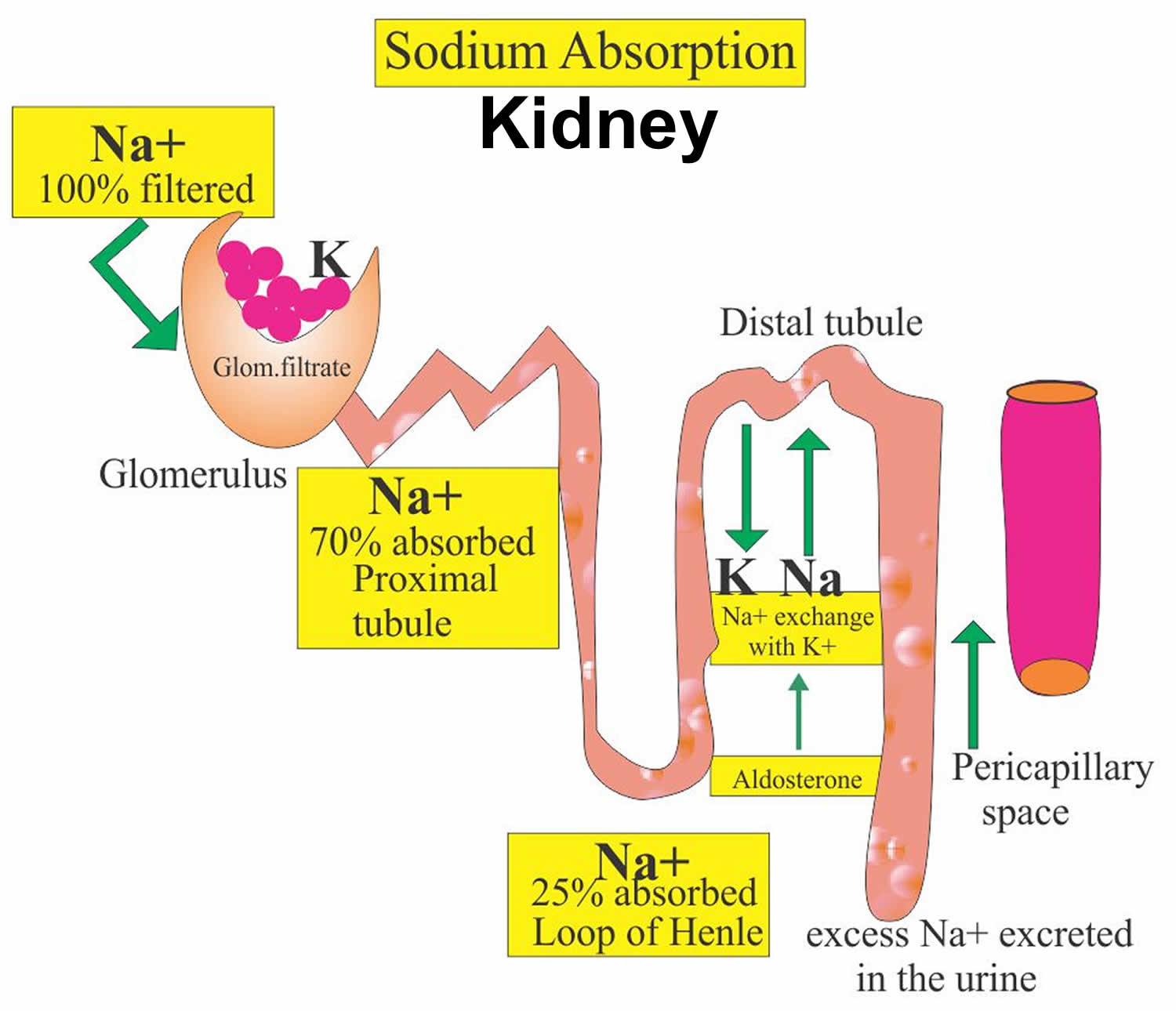
To understand why potassium appears in the urine at low levels, one must first understand the kidneys' role as the body’s master regulators. Under normal conditions, the kidneys filter blood and decide which electrolytes to keep and which to discard.
Potassium levels are tightly regulated because even minor fluctuations can interfere with the electrical signals that keep the heart beating at a steady rhythm. In a healthy individual, about 90% of ingested potassium is excreted through the urine, while the remaining 10% leaves through sweat and stool. When the body detects that blood potassium levels (serum potassium) are falling, the adrenal glands reduce the production of aldosterone—a hormone that tells the kidneys to "dump" potassium.
Consequently, the kidneys begin to reabsorb as much potassium as possible back into the bloodstream. In this scenario, low potassium in the urine is actually a sign that your kidneys are functioning correctly; they are doing their job by hoarding the mineral to protect your heart and muscles. However, the underlying reason why they need to hoard it is the real medical concern.
Why Do Doctors Order a Urine Potassium Test?
A urine potassium test is seldom a routine screening tool. Instead, it is usually ordered as a follow-up when a patient presents with hypokalemia (low blood potassium). If a blood test shows your potassium is low, the doctor must determine the "source" of the loss.
There are two primary categories of potassium loss:
- Renal Loss: The kidneys are malfunctioning and flushing potassium out of the body inappropriately.
- Extra-renal Loss: The potassium is being lost through the gastrointestinal tract (vomiting or diarrhea) or is simply not being consumed in the first place.
A low urine potassium result (typically defined as less than 15–20 mEq/L in a random sample or less than 25 mEq in a 24-hour collection) points directly toward extra-renal loss. It confirms that the kidneys are not the problem; they are reacting appropriately to a deficiency occurring elsewhere in the body.
Common Causes of Low Potassium in Urine
When the kidneys are trying to save potassium, resulting in low urinary output, the cause usually falls into one of several categories related to intake or digestive health.
1. Inadequate Dietary Intake
While rare in the modern Western diet, a significant lack of potassium-rich foods can lead to low levels in both the blood and urine. In 2026, with the rise of highly restrictive diets and processed food reliance, some individuals may fall below the recommended daily intake of 3,400 mg for men and 2,600 mg for women. When the intake is low, the urine output will naturally drop as the body tries to maintain its internal stores.
2. Gastrointestinal Losses
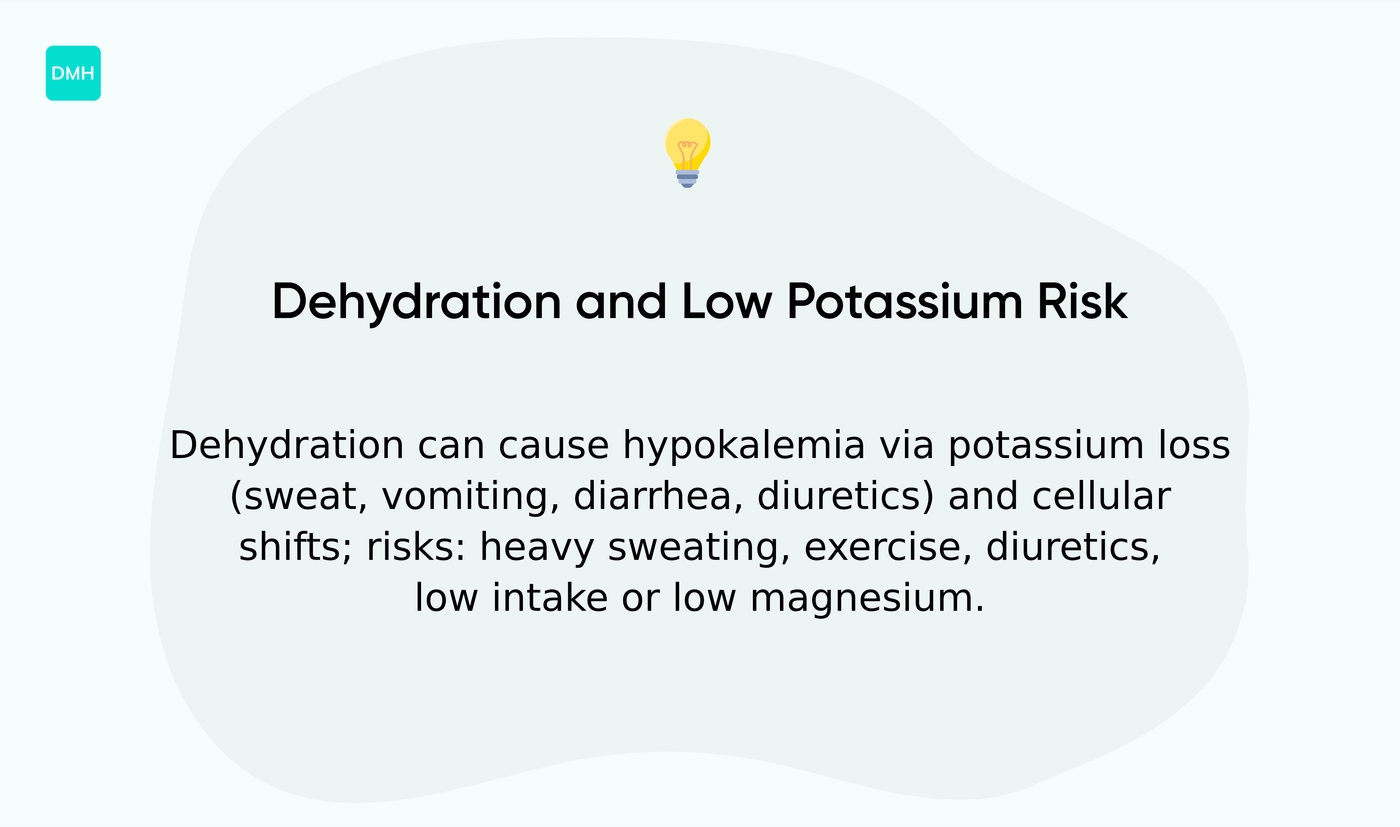
This is the most common cause of low urinary potassium. If you are experiencing chronic diarrhea or frequent vomiting, your body is losing large amounts of potassium through the gut. Because the blood levels drop due to these losses, the kidneys shut down potassium excretion to compensate.
- Vomiting: Interestingly, vomiting causes potassium loss not just through the stomach contents, but also through a complex metabolic reaction where the body becomes more alkaline, which initially forces the kidneys to excrete potassium. However, once a state of depletion is reached, the urinary levels will eventually drop as the body enters "survival mode."
- Laxative Abuse: Chronic use of laxatives can lead to significant potassium loss through the stool, which is a common diagnostic challenge in patients with eating disorders or chronic constipation.
3. Excessive Sweating
Potassium is lost through perspiration. In individuals who engage in extreme endurance athletics or those who work in high-heat environments without proper electrolyte replacement, the body may lose enough potassium to trigger a conservation response in the kidneys.
4. Recent Use of Diuretics
While many diuretics (water pills) cause high potassium in the urine, the period immediately following the cessation of these drugs can see a "rebound" effect. If the body has been depleted of potassium, the kidneys will aggressively retain it once the drug's influence wears off.
Distinguishing Between 24-Hour and Spot Urine Tests
The interpretation of "low" depends heavily on how the urine was collected.
- Spot Urine Test: This is a single sample provided at the doctor's office. It is convenient but can be misleading because potassium levels fluctuate throughout the day based on what you ate for lunch or your hydration levels. A "low" result here is a clue, but not a definitive diagnosis.
- 24-Hour Urine Collection: This is the gold standard. You collect every drop of urine for a full 24-hour period in a container. This allows doctors to see the total amount of potassium excreted in a full day. In 2026, laboratories generally consider a 24-hour potassium level below 25 mEq to be low, indicating that the body is actively conserving the mineral.
Interpreting Potassium Levels: Serum vs. Urine
The most important aspect of a low urine potassium result is how it compares to the level of potassium in your blood. Doctors use this relationship to narrow down the diagnosis.
| Serum Potassium Level | Urine Potassium Level | Likely Clinical Meaning |
|---|---|---|
| Normal | Low | Likely a temporary dietary fluctuation or very high hydration levels (diluted urine). |
| Low (Hypokalemia) | Low (<25 mEq/day) | Extra-renal loss: The kidneys are healthy and conserving potassium. Likely cause: Diarrhea, vomiting, or low intake. |
| Low (Hypokalemia) | High (>30 mEq/day) | Renal wasting: The kidneys are the problem. Likely cause: Diuretics, Hyperaldosteronism, or kidney disease. |
| High (Hyperkalemia) | Low | Severe Kidney Failure: The kidneys are unable to excrete excess potassium, leading to dangerous buildup in the blood. |
Symptoms Associated with Low Potassium States
Because low urine potassium is usually a sign of a systemic deficiency, you may experience symptoms of hypokalemia (low blood potassium). These include:
- Muscle Weakness and Cramps: Potassium is essential for the electrical impulses that trigger muscle contractions. Low levels often lead to "charley horses" or general fatigue.
- Heart Palpitations: The heart is a muscle, and it relies on potassium to maintain a steady beat. Low levels can cause arrhythmias (irregular heartbeats).
- Digestive Issues: Low potassium can slow down the rhythmic contractions of the digestive tract, leading to constipation or bloating.
- Polyuria (Excessive Urination): Paradoxically, long-term low potassium can damage the kidneys' ability to concentrate urine, leading to frequent urination.
Diagnostic Steps After a Low Result
If your urine potassium is low and your doctor suspects a potassium deficiency, several follow-up steps are typically taken to ensure an accurate diagnosis.
Step 1: Medication Review
Your physician will review all medications, including over-the-counter supplements. Drugs like insulin, certain antibiotics, and even excessive licorice consumption can influence how potassium is distributed in the body and excreted in the urine.
Step 2: Blood pH Testing (Arterial Blood Gas)
The acid-base balance of your blood significantly affects potassium movement. If your blood is too alkaline (alkalosis), potassium moves from the blood into the cells, making it appear low in both blood and urine tests.
Step 3: Assessing Magnesium Levels
Magnesium and potassium are "best friends" in the metabolic world. If your magnesium is low, your body often cannot hold onto potassium properly. Even if you supplement potassium, your levels may not rise until your magnesium deficiency is addressed.
Step 4: Specialized Imaging
If the doctor suspects that the low urine levels are a late-stage response to a primary hormonal issue, they may order an ultrasound or CT scan of the adrenal glands to rule out tumors that might be producing hormones like aldosterone.
Managing Low Potassium Levels
Treating low urinary potassium is essentially about treating the cause of the conservation. If the cause is a digestive issue, that must be resolved first. If the cause is dietary, a shift in nutrition is required.
- Dietary Adjustments: Increasing intake of potassium-rich foods such as bananas, spinach, sweet potatoes, avocados, and beans.
- Oral Supplements: In mild cases, potassium chloride supplements are prescribed. These should always be taken under medical supervision, as too much potassium is just as dangerous as too little.
- Intravenous (IV) Replacement: In severe cases of hypokalemia where the urine output has dropped to near zero, potassium may be administered via IV in a hospital setting to avoid cardiac arrest.
Frequently Asked Questions
Can drinking too much water cause low potassium in the urine?
Yes, in a spot test. If your urine is highly diluted because you have consumed large amounts of water, the concentration of potassium (measured in mEq/L) will appear low even if your total daily excretion is normal. This is why the 24-hour collection is more accurate; it measures the total amount, not the concentration.
Is low urine potassium always a bad thing?
Not necessarily. If your blood potassium levels are perfectly normal and your urine potassium is slightly low, it may simply mean you haven't eaten many potassium-rich foods in the last few hours. It is only "bad" when it is a symptom of an underlying deficiency or illness.
What is the difference between hypokalemia and hypokaliuria?
Hypokalemia is low potassium in the blood. Hypokaliuria is low potassium in the urine. Often, hypokaliuria is the body's healthy response to hypokalemia.
Can stress affect my urine potassium levels?
Significant physical stress or trauma causes the body to release cortisol and adrenaline. These hormones can influence the kidneys' handling of electrolytes. However, routine emotional stress is unlikely to cause a clinically significant drop in urinary potassium.
Why did my doctor ask for a 24-hour urine sample instead of just a quick cup?
Potassium excretion changes throughout the day. It is usually lowest in the overnight hours and highest after meals. A single "spot" sample only tells the story of one moment in time, whereas a 24-hour sample provides the "big picture" of your kidney function and metabolic health.
Next Steps and Recommendations
If you have received lab results indicating low potassium in your urine, the first step is to stay calm and wait for a consultation with your healthcare provider. Because this test is part of a larger diagnostic puzzle, a single "low" result is not a diagnosis on its own.
Immediate Actions to Take:
- Keep a Food Diary: Document what you have eaten over the last three days to help your doctor determine if the cause is dietary.
- Monitor Symptoms: Note any instances of muscle weakness, unusual fatigue, or heart palpitations.
- Review Supplements: Make a list of all vitamins and herbal supplements you take, as some can interfere with electrolyte balance.
- Stay Hydrated (Normally): Do not over-hydrate or under-hydrate before follow-up tests, as this can skew the results.
Your doctor will likely correlate these results with a Basic Metabolic Panel (BMP) or a Comprehensive Metabolic Panel (CMP) to look at your blood potassium, sodium, and kidney function (creatinine/BUN) before deciding on a treatment plan.
Image Gallery
Select an image to open it in a new tab.
Vivian Cho
Executive IT and Emerging Technologies Reporter
