
Farrowing is the biological process of a sow giving birth to piglets. For new pig farmers, mastering this event is the single most critical factor in ensuring the productivity of a breeding operation and the survival of the litter. It involves specialized management of the pregnant sow, preparation of the environment, and proactive care during and immediately after the birth to mitigate mortality risks.
The Biological Reality of Farrowing
In the context of swine production, farrowing represents the conclusion of the sow’s gestation period, which typically lasts 114 to 116 days—often remembered as "three months, three weeks, and three days." As a new farmer, understanding that this is not merely a biological occurrence but a high-stakes management event is essential. The process is inherently stressful for the animal, and without proper intervention, the potential for crushing injuries to piglets or complications for the sow is significant.
Farrowing involves several physiological stages: the pre-farrowing phase, where the sow exhibits nesting behavior; the active labor phase, characterized by rhythmic contractions; and the expulsion of the placenta. New farmers must learn to distinguish between normal birth progression and dystocia (difficult birth), which requires immediate veterinary or skilled manual intervention.
Environmental Preparation and Infrastructure
The farrowing environment must be climate-controlled, sanitary, and designed to balance the temperature needs of the sow against those of the newborn piglets. Sows are comfortable at temperatures between 60°F and 65°F (15°C to 18°C), whereas newborn piglets require supplemental heat—often between 90°F and 95°F (32°C to 35°C)—during their first few days of life to prevent hypothermia.
The Farrowing Crate vs. Pen Systems
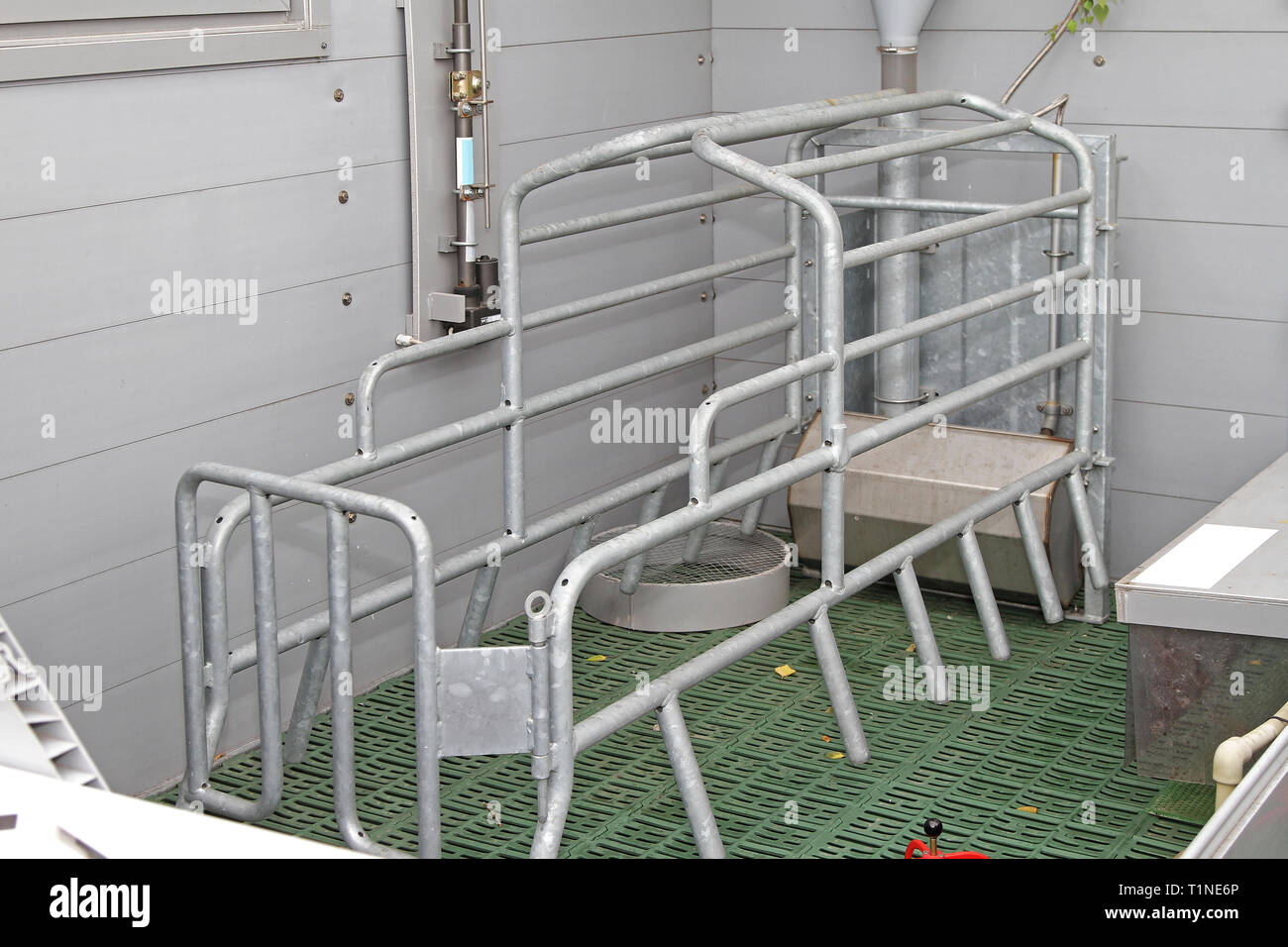
The choice between farrowing crates and pen systems is a primary decision for new farmers. Crates are designed to limit the sow’s movement to prevent her from accidentally rolling onto or crushing her piglets. Pens, conversely, offer more space, aligning with modern welfare expectations, but they require higher-level management and specialized "creep areas" to keep piglets away from the sow when she lies down.
- Sanitation: Before a sow enters the farrowing area, the facility must be deep-cleaned and disinfected to remove pathogens from previous cycles.
- Bedding: If using pens, use clean, dry straw or wood shavings that do not interfere with the piglet's mobility.
- Heat Sources: Ensure infrared lamps or heat pads are installed securely and tested before the anticipated due date.
Essential Management Tasks During Farrowing
Preparation begins well before the first piglet is born. Farmers should maintain accurate breeding records to predict the due date. As the date approaches, observation becomes the primary task.
- Monitoring: Watch for signs of impending farrowing, such as udder development, swelling of the vulva, and milk let-down. If a sow begins nesting (piling up bedding), she is likely within 12–24 hours of labor.
- Attendance: While many sows farrow without assistance, new farmers should be present during the birth. This allows for the timely removal of membranes from the piglet's nose and mouth to prevent suffocation.
- Colostrum Intake: The most critical nutritional event is the consumption of colostrum. Piglets are born without a functional immune system and must consume this first, antibody-rich milk within the first 6–12 hours of life to achieve passive immunity.
- Umbilical Care: Disinfecting the umbilical cord with iodine can help prevent secondary infections that enter the bloodstream shortly after birth.
Comparing Farrowing Methods
| Method | Benefits | Drawbacks |
|---|---|---|
| Farrowing Crates | Minimizes piglet crushing, facilitates easy human access. | Limits sow mobility, higher initial setup cost. |
| Outdoor/Pasture | Natural environment, lower equipment costs. | High predator risk, difficult to control temperature. |
| Loose Pens | Allows natural behavior, higher welfare standards. | Requires more space, high risk of piglet crushing. |
Post-Farrowing Protocols
Once the farrowing process concludes, the focus shifts to maintenance and health monitoring. A healthy sow should show interest in her piglets and begin eating soon after the process finishes.
Managing the Litter
- Iron Supplementation: Piglets are born with very low iron reserves and, since they are not foraging in soil, they require an iron dextran injection, typically administered in the first three days of life.
- Tail Docking and Clipping: Depending on your farm’s specific health program and local regulations, some farmers perform needle tooth clipping and tail docking to prevent injuries during social fighting. This must be done with sterile equipment and proper technique.
- Scouring Prevention: Scours (diarrhea) is a major cause of piglet mortality. Maintain strict hygiene, monitor for environmental drafts, and ensure the sow's ration is appropriate to avoid digestive upsets that can lead to poor milk quality.
Troubleshooting Common Complications
New farmers often encounter situations that deviate from the standard birthing process. Recognizing these early is vital.
- Prolonged Labor: If a sow has not produced a piglet for more than 45–60 minutes despite obvious straining, she may be experiencing dystocia. This may result from a malpositioned piglet or simple exhaustion.
- Stillbirths: Occasionally, piglets are born dead. While sometimes unavoidable, a high rate of stillbirths suggests issues with sow nutrition, heat stress, or excessive gestation length.
- Agalactia: This is a condition where the sow fails to produce milk. If the sow is lethargic, feverish, or has a hard, painful udder, consult a veterinarian immediately to address potential mastitis or hormonal imbalances.
Nutrition and Hydration
The sow’s nutritional needs spike dramatically during lactation. A lactating sow produces significant amounts of milk, requiring a high-protein, energy-dense feed. Providing fresh, unlimited water is non-negotiable; a nursing sow can drink up to 5–8 gallons of water daily. If water intake is restricted, milk production will drop, leading to stunted piglet growth and higher mortality rates.
The Role of Record Keeping
Success in pig farming is built on data. For every farrowing, record the following:
- Sow identification number.
- Date of farrowing.
- Total number of piglets born alive.
- Number of stillborns or mummified fetuses.
- Birth weights (if possible).
- Any complications or medications administered.
This data allows you to identify your most productive sows (culling those that consistently have poor litters) and helps you predict future farrowing schedules with greater accuracy. By 2026, many small-scale farmers utilize digital herd management apps, but a simple logbook remains an effective tool for tracking these essential metrics.
Professional Guidance and Safety
Farrowing involves working with large, protective animals. A sow that is typically docile may become aggressive when defending her piglets. Always move slowly, avoid startling the sow, and ensure there is an escape route from the pen if necessary.
Regarding health, it is advisable for every new farmer to establish a relationship with a large-animal veterinarian before the first litter arrives. Many procedures, such as surgical interventions for extreme dystocia or the prescription of specific antibiotics, require professional veterinary oversight. Do not rely solely on internet forums or anecdotal advice for critical medical decisions; evidence-based veterinary practices should be your primary resource.
Frequently Asked Questions
How do I know if my sow is ready to farrow? Watch for behavioral changes. The sow will often become restless, start gathering bedding material into a mound (nesting), and may stop eating. Physically, the mammary glands will become enlarged, and you may be able to express milk from the teats.
What should I do if a piglet is not breathing after birth? Clear the nose and mouth of any mucus immediately. You can stimulate the piglet by rubbing its chest vigorously with a rough towel to encourage breathing and improve circulation. Do not hold the piglet upside down by the hind legs, as this can cause fluid from the stomach to enter the lungs.
Why is my sow crushing her piglets? Crushing often occurs because the sow is clumsy, the environment is too cold (causing piglets to huddle near the sow for warmth), or the piglet is weak/sick. Providing a warm, dedicated creep area away from the sow is the best way to encourage piglets to sleep in a safe zone.
How soon after farrowing should I vaccinate the piglets? Vaccination schedules vary by region and farm health status. Consult your local veterinarian to develop a protocol based on the specific disease pressures (such as E. coli or Porcine Circovirus) prevalent in your area.
Is it necessary to clip needle teeth? This practice is debated. While it prevents facial lacerations during fighting, it can also create an entry point for bacteria if done improperly. Evaluate your management system; if you see significant scarring on piglets, your veterinarian may recommend the procedure.
Next Steps for Success
To begin your journey as a successful pig farmer, prioritize these three actions:
- Facility Audit: Verify your farrowing area provides both a cool space for the sow and a warm, draft-free micro-environment for piglets.
- Resource Gathering: Identify a local veterinarian experienced in swine and purchase a basic farrowing kit, including clean towels, iodine, latex gloves, a thermometer, and an iron supplement.
- Observation: Spend time watching your pregnant sows daily in the weeks leading up to their due date to become familiar with their normal behavior, which will make it easier to spot the "off" behavior that signals distress or illness.
By approaching farrowing with preparation, patience, and a commitment to animal welfare, you set the foundation for a productive and sustainable pig farming operation.

Image Gallery
Select an image to open it in a new tab.

Akira Tanaka
International Academic Trends Correspondent
