
The social season is a traditional annual period, primarily in the United Kingdom, during which the elite gather for a series of prestigious sporting, artistic, and celebratory events. While originally centered on the sitting of Parliament and the presentation of debutantes, it has evolved into a global calendar of high-profile cultural fixtures.
The concept of "The Season" is deeply rooted in the history of the British aristocracy. Historically, the elite would migrate from their country estates to their London residences for the duration of the parliamentary session. This migration facilitated both the political governance of the country and the social networking of the upper classes. In 2026, the social season remains a significant fixture for networking, corporate hospitality, and the display of traditional etiquette, though it has become considerably more accessible to the public than in previous centuries.
The Historical Origins of the Social Season
To understand the social season, one must look back to the 17th and 18th centuries. The timing of the season was dictated by the presence of the monarch and the sitting of the House of Commons and the House of Lords. Because the peerage was required to be in London for legislative business, their families followed, leading to a concentrated period of balls, dinner parties, and theater outings.
One of the most significant pillars of the traditional season was the "coming out" of debutantes. Young women from noble families were formally presented to the Sovereign at court, marking their entry into adult society and the marriage market. While the formal presentation of debutantes at court ended in 1958 under Queen Elizabeth II, the tradition persists in a more modern, philanthropic form through events like Queen Charlotte’s Ball.
The season historically peak-climaxed during the summer months, roughly from April to August. This timeframe was chosen not only for the parliamentary schedule but also to avoid the difficulties of winter travel and to ensure that the elite were back on their country estates in time for the beginning of the grouse-shooting season on "The Glorious Twelfth" of August.
The Traditional Calendar: Key Events of the Season
In 2026, the social season is defined by a set of "anchor events" that draw international crowds. These events are often categorized by their specific focus—be it horticultural, equestrian, or athletic—but they all share a common thread of strict dress codes and high social visibility.
The Chelsea Flower Show (May)
The Royal Horticultural Society (RHS) Chelsea Flower Show is generally considered the unofficial start of the season. Held in the grounds of the Royal Hospital Chelsea, it is the most prestigious gardening event in the world. For the socialite, the "Gala Preview" evening is the primary draw. In 2026, the show continues to emphasize sustainable gardening and urban greening, reflecting modern concerns while maintaining its status as a place to see and be seen.
The Epsom Derby (Early June)
As the first of the major equestrian events, the Derby at Epsom Downs is a classic of the British flat-racing season. It is famous for the "Hill," where crowds gather in a more populist fashion, contrasted with the formal Royal Box. The Derby is historically significant as one of the five English Classics, and the fashion—particularly the hats—sets the tone for the racing events that follow.
Royal Ascot (Mid-June)
Royal Ascot is arguably the centerpiece of the entire social season. It is a five-day event that combines world-class horse racing with an intense focus on fashion. The Royal Enclosure remains the most exclusive area, requiring an application and sponsorship from an existing member. The dress code here is legendary: morning dress for men (including a top hat) and formal daywear for women, with hats being a mandatory requirement.
The Henley Royal Regatta (Late June/Early July)
The Henley Royal Regatta is the world’s most famous rowing event, held on the River Thames. It is unique because it operates under its own set of rules and social standards. The Stewards' Enclosure is the most prestigious area, where the dress code is strictly enforced: men must wear lounge suits or blazers with flannels and ties, while women must wear dresses or skirts with a hemline below the knee. Cell phones are famously discouraged in the most formal areas to preserve the traditional atmosphere.
The Wimbledon Championships (July)
While Wimbledon is a global sporting event, its place in the British social season is solidified by the presence of the Royal Family in the Royal Box on Centre Court. The social aspect of Wimbledon involves the consumption of strawberries and cream and Pimm’s, and while the public areas are casual, the hospitality suites and member areas remain bastions of the traditional season.
Glyndebourne Festival Opera (May–August)
Located in East Sussex, Glyndebourne is a unique operatic experience where guests are encouraged to wear evening dress (black tie) during the day. A hallmark of this event is the long interval, during which guests picnic on the lawns. This "country house" atmosphere provides a bridge between the London-based events and the rural roots of the British elite.

The "Little Season" and the Winter Break
The primary season concludes in August, but it is followed by what is known as the "Little Season." This occurs in the autumn, typically from October to December. During this time, the focus shifts back to London for theater openings, art fairs (such as Frieze London), and major charity balls.
The Little Season lacks the outdoor sporting focus of the summer but is vital for the arts and philanthropy sectors. It concludes with a series of high-profile Christmas balls and private parties before the elite traditionally depart for winter holidays in warmer climates or ski resorts like Klosters or St. Moritz.
Social Etiquette and Dress Codes in 2026
The social season is governed by unwritten rules and explicit dress codes that act as a form of social signaling. Understanding these requirements is essential for anyone looking to navigate these events.
| Event | Primary Location | Typical Dress Code | Key Social Requirement |
|---|---|---|---|
| Chelsea Flower Show | Chelsea, London | Smart Casual / Daywear | RHS Membership for preview days |
| Royal Ascot | Ascot, Berkshire | Morning Dress (Royal Enclosure) | Sponsorship for Enclosure access |
| Henley Regatta | Henley-on-Thames | Blazers / Below-knee skirts | No mobile phones in Stewards' area |
| Wimbledon | Wimbledon, London | Smart Casual (Public) / Formal (Box) | Queueing or ballot for tickets |
| Glyndebourne | East Sussex | Black Tie / Long Dresses | Formal picnicking etiquette |
| Cowes Week | Isle of Wight | Nautical / Smart Casual | Yacht club affiliations |
The Nuances of Morning Dress
For men, the "Morning Dress" required at Royal Ascot consists of a black or grey morning coat, striped trousers, a waistcoat, and a silk top hat. In 2026, while synthetic fabrics are more common, the silhouette remains unchanged from the early 20th century. A common mistake is removing the top hat in areas where it must be worn; it should only be removed within a restaurant, a private box, or a designated seating area.
Hemlines and Millinery
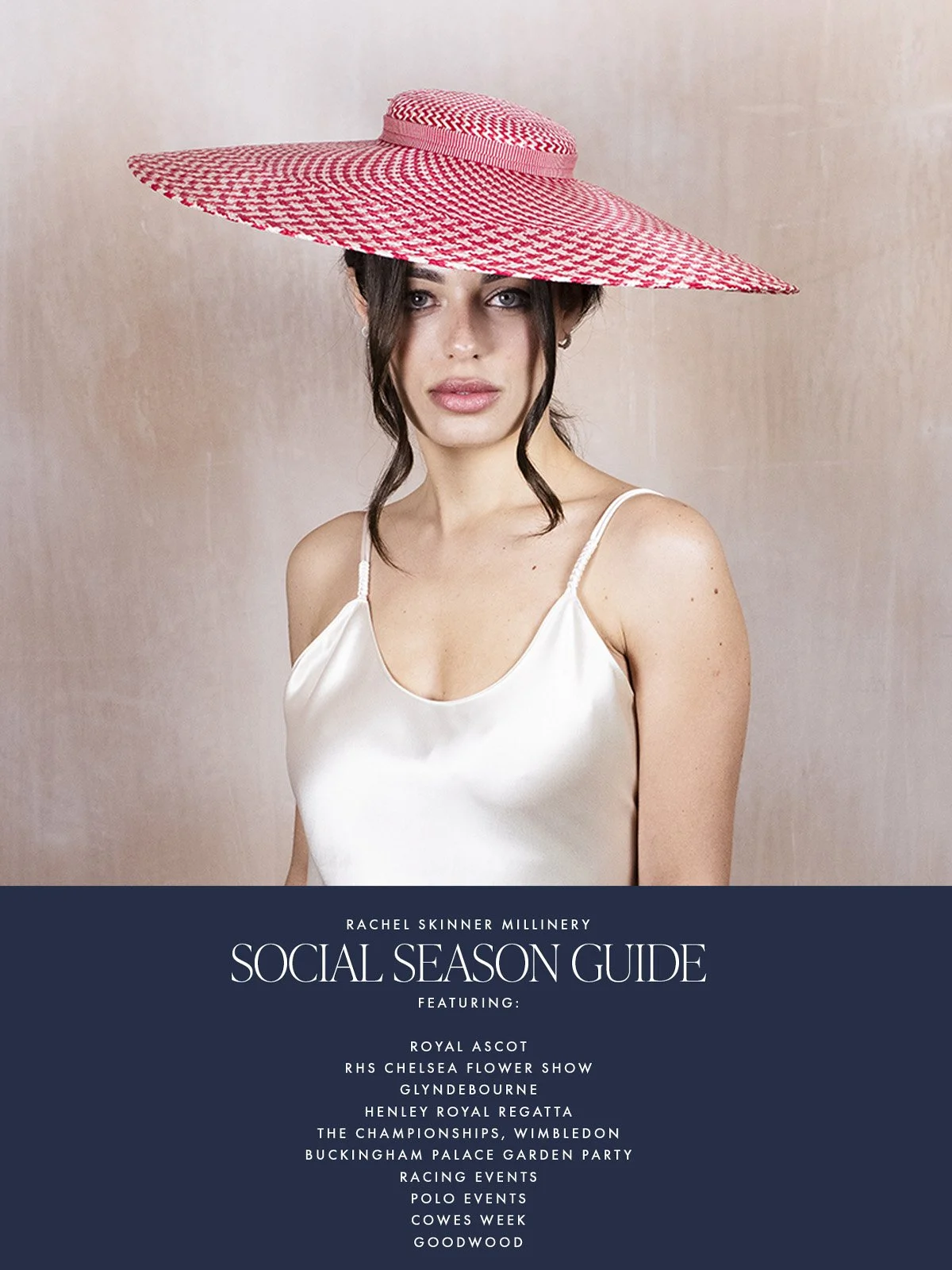
For women, the season is a marathon of millinery. Hats are not merely accessories but are often mandatory. At events like Henley, the rule regarding hemline length (below the knee) is strictly enforced at the gate. Those failing to meet the requirement are often turned away or asked to use a "modesty wrap," which can be a significant social embarrassment.
The Modern Evolution: Inclusion and Commercialization
In 2026, the social season has undergone a transformation. It is no longer the exclusive preserve of the landed gentry. The rise of "New Money," the tech elite, and international influencers has shifted the demographics of these events.
- Corporate Hospitality: A large portion of the tickets for events like Wimbledon and Royal Ascot are now held by corporations. This has made the season a vital tool for business networking and client entertainment.
- Public Access: Most events now offer various levels of access. While the "Royal Enclosure" or "Stewards' Enclosure" remains difficult to enter, the "Queen Anne Enclosure" at Ascot or the public banks at Henley allow the general public to experience the atmosphere of the season.
- Sustainability: Following global trends, many events in 2026 have introduced "green" initiatives. This includes bans on single-use plastics at picnics and a push toward sustainable fashion—encouraging guests to rent outfits or wear vintage pieces rather than buying new ones for every event.
Navigating the Costs of the Season
Attending the social season is an expensive endeavor. Beyond the cost of tickets—which can range from £50 for a basic grounds pass to thousands for hospitality packages—the "hidden" costs are substantial.
- Wardrobe: A full morning dress suit can cost upwards of £1,000, while bespoke millinery for women can easily exceed several hundred pounds per hat.
- Travel and Accommodation: During the week of Royal Ascot or the Henley Regatta, local hotel prices often triple. Many attendees choose to rent private homes or stay in luxury London hotels, adding significant expense.
- Memberships: To guarantee access to the best areas, many individuals maintain expensive annual memberships in organizations like the RHS, the Marylebone Cricket Club (for Lord’s Cricket Ground events), or private members' clubs in London.
Frequently Asked Questions
Do I need to be "titled" to attend the social season?
No. While the season was historically for the aristocracy, in 2026, it is open to anyone who can afford the tickets and adheres to the dress codes. Certain enclosures still require sponsorship, but most events have public areas that are accessible to all.
What is the "Glorious Twelfth"?
The "Glorious Twelfth" refers to August 12th, the official start of the red grouse shooting season in the UK. This date traditionally marks the end of the London social season, as the elite would leave the city for their country estates in Scotland and Northern England.
Is the social season only in London?
While its roots are in London, many of the season's key events take place outside the city, such as in Berkshire (Ascot), Sussex (Glyndebourne), and the Isle of Wight (Cowes Week). However, London remains the "hub" for the parties and galas that connect these events.
How do I get tickets for the Royal Enclosure at Ascot?
To enter the Royal Enclosure, you must be sponsored by an existing member who has attended the enclosure for at least four years. First-time applicants must write to the Royal Enclosure Office. If you are a foreign national, you may sometimes apply through your country’s embassy or high commission.
Can I wear a fascinator instead of a hat?
This depends on the event and the specific enclosure. In the Royal Enclosure at Royal Ascot, fascinators are strictly forbidden; headwear must have a solid base of at least 10cm (4 inches). In other enclosures or at the Chelsea Flower Show, fascinators are generally acceptable.
Recommendation for Prospective Attendees
If you are planning to participate in the social season for the first time in 2026, the best approach is to start with a "foundation" event like the RHS Chelsea Flower Show or Wimbledon. These events offer a manageable introduction to the required etiquette without the extreme dress code demands of Royal Ascot. For those seeking the full traditional experience, investing in a high-quality, versatile morning suit or a classic day dress is a wise move, as these items can be reused across multiple events. Always check the official website of each event at least six months in advance, as ticket ballots and enclosure applications often close early in the year.
Image Gallery
Select an image to open it in a new tab.


Celine Dubois
Contemporary Living and Global Arts Columnist
