Shipping a vehicle safely requires a systematic approach involving rigorous carrier vetting, precise documentation, and thorough physical preparation. By verifying the carrier’s insurance and operating authority, performing a detailed pre-shipment inspection, and clearing personal items, you can mitigate transit risks and ensure your vehicle arrives at its destination in its original condition.
Understanding the Vehicle Shipping Process
Shipping a vehicle is a complex logistical task that involves transporting a high-value asset across long distances, often through a network of brokers and carriers. Understanding the difference between these two entities is essential for safety. A broker serves as an intermediary, matching your shipment request with a network of carriers who possess the actual equipment to perform the move. A carrier is the company that owns the trucks and employs the drivers responsible for physically moving the vehicle.
For the safest possible experience, prioritize transparency regarding the chain of custody. When you solicit quotes, inquire whether the entity you are speaking with is a direct carrier or a broker. If you work with a broker, ensure they have a strict vetting process for their carrier network. In 2026, the digital infrastructure for tracking shipments has improved, but the physical reliance remains on the driver’s expertise and the safety protocols of the transport company.
Verifying Carrier Credentials
Before signing any service agreement, you must verify the legitimacy of the carrier. The primary tool for this in the United States is the Federal Motor Carrier Safety Administration (FMCSA) Safety and Fitness Electronic Records (SAFER) system.
Every legal commercial carrier must have a valid U.S. Department of Transportation (USDOT) number and a Motor Carrier (MC) number. Use these numbers to check:
- Operating Authority: Verify that the carrier is authorized to transport vehicles across state lines.
- Insurance Coverage: Carriers are required to carry both liability and cargo insurance. Ask for a Certificate of Insurance (COI) and verify that the policy is active. Ensure the coverage limit is sufficient for the declared value of your vehicle.
- Safety Rating: Look for any history of major accidents or safety violations reported through the FMCSA database.
Avoid carriers that refuse to provide their MC number or those that significantly underbid the market average, as low costs often indicate a lapse in insurance or safety compliance.
Selecting the Right Transport Method
The method of transport directly impacts the safety and cost of the shipment. Choosing the correct configuration is the most effective way to prevent transit-related damage.
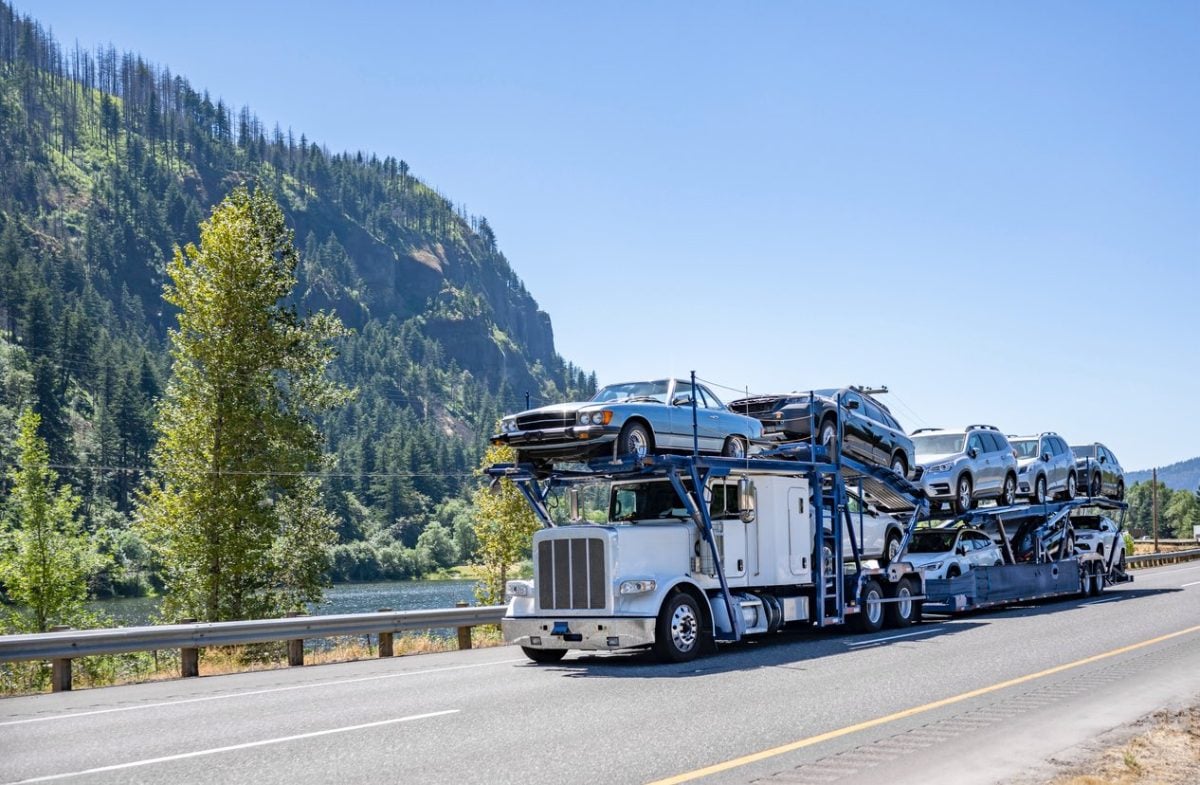
- Open Carrier Transport: This is the most common and cost-effective method. Your vehicle is loaded onto an open-air multi-car trailer. While this exposes the car to weather and road debris, it is statistically the industry standard and generally safe for most consumer vehicles.
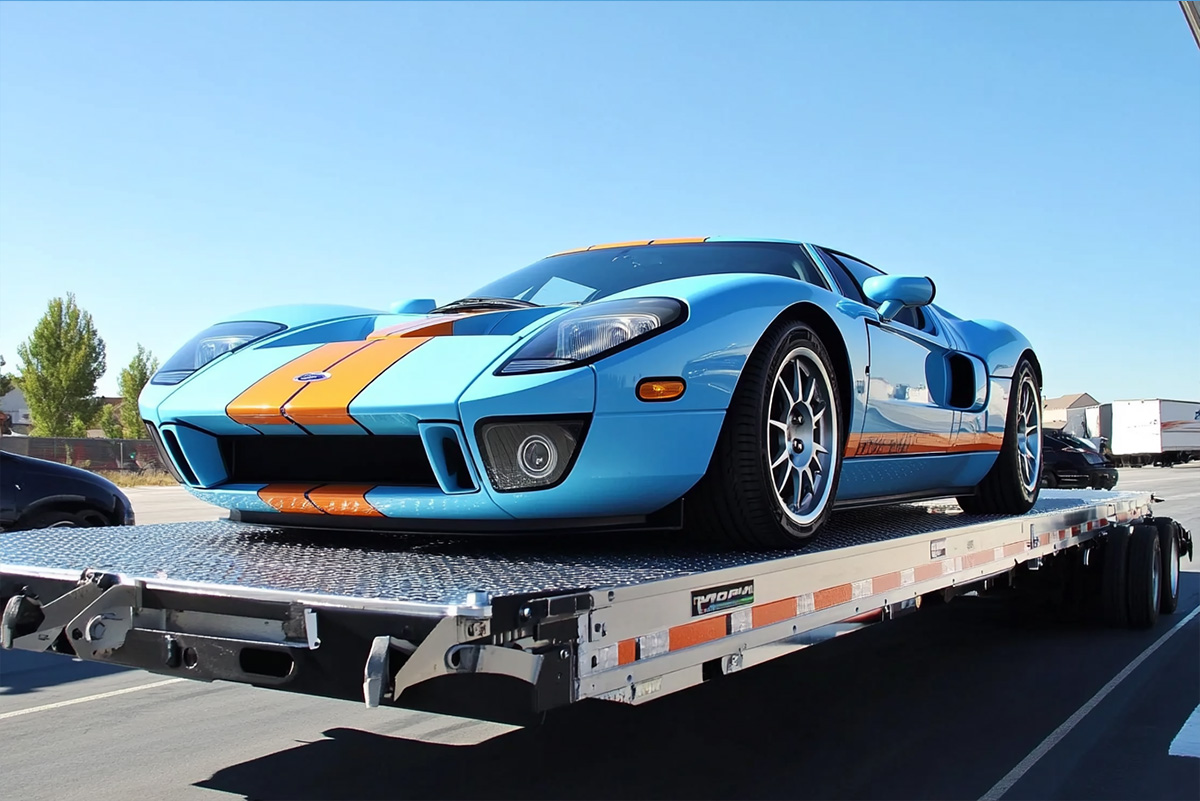
- Enclosed Carrier Transport: This method utilizes a fully covered trailer, protecting the vehicle from rain, snow, hail, and flying road debris. This is the recommended option for luxury, classic, or high-performance vehicles where even minor cosmetic imperfections are unacceptable.
Comparison of Transport Options
| Feature | Open Carrier | Enclosed Carrier |
|---|---|---|
| Protection Level | Minimal (exposed to elements) | High (fully shielded) |
| Cost | Generally lower | Generally 30–50% higher |
| Availability | High (easier to schedule) | Limited (requires more lead time) |
| Best For | Daily drivers, standard SUVs | Exotics, classics, high-value cars |
Preparing Your Vehicle for Transit
Physical preparation is the most critical step you can take to prevent damage during the loading and unloading process. Even if you hire a premium white-glove service, a poorly prepared vehicle is at higher risk for complications.
- Remove All Personal Belongings: Shipping companies are generally prohibited by federal law from transporting household goods inside a vehicle. Furthermore, items left inside can shift during transit, damaging the interior or puncturing glass. Remove all electronics, charging cables, toll tags, and loose dashboard accessories.
- Fuel Levels: Keep your fuel tank between one-quarter and one-eighth full. This reduces the vehicle’s overall weight, which is a requirement for many carriers, while ensuring there is enough fuel to drive the car on and off the trailer.
- Deactivate Alarms: If your vehicle has a sensitive anti-theft system, ensure it is disabled or set to "valet mode." An alarm triggering while the car is in transit can drain the battery or cause confusion for the driver.
- Mechanical Check: Ensure tires are properly inflated and the battery is fully charged. If the vehicle is inoperable, you must notify the carrier in advance, as they will need a winch-equipped trailer.
- Secure Loose Parts: If your vehicle has aftermarket spoilers, retractable antennas, or loose exterior trim, remove or securely fasten these parts.
Conducting a Pre-Shipment Inspection
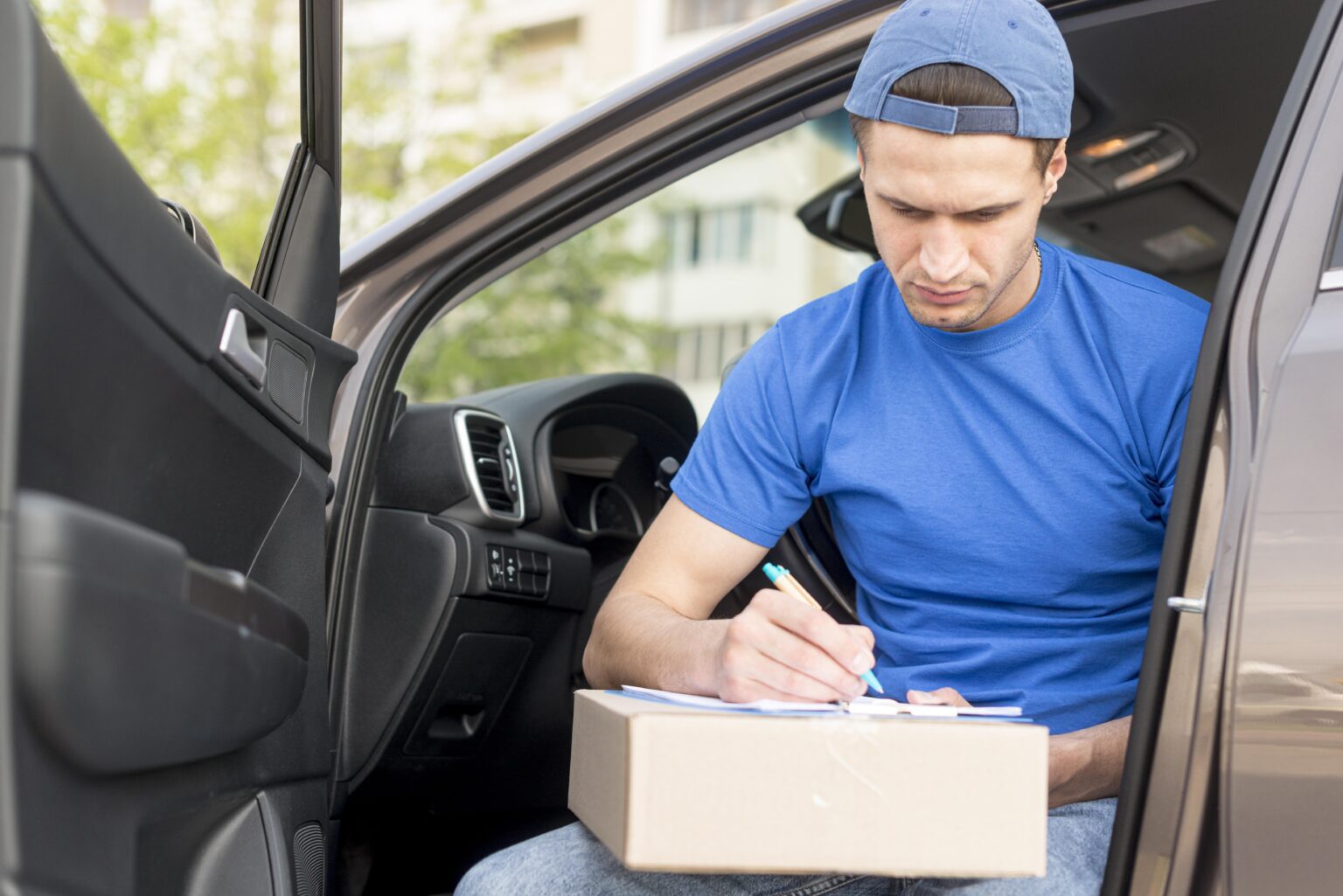
The most important defense against insurance disputes is the Bill of Lading (BOL). This is a legal document that outlines the condition of the vehicle before and after transport.
Prior to the driver arriving, take high-resolution, time-stamped photographs of the vehicle from every angle, including the roof, the undercarriage, and the interior. If you notice existing scratches, dents, or paint chips, document them specifically. When the driver arrives, review these findings with them. They will perform their own inspection and note any issues on the BOL. Do not sign the BOL until you have verified that the driver’s notes align with your own observations. If the document is inaccurate, request that the driver amend it before the vehicle is loaded.
Post-Delivery Verification
When the vehicle is delivered, do not be rushed into signing the final delivery document. Perform a secondary inspection under daylight or bright lighting. Check for any new damage that was not present on the initial BOL.
If you discover damage, take photos immediately and note the specific issues on the copy of the BOL that the driver provides. Contact the transport company’s claims department as soon as possible, providing your documentation and the signed BOL as evidence. While modern logistics companies strive for perfection, a paper trail is your only recourse if a claim arises.
Frequently Asked Questions
How long does it take to ship a vehicle across the country? The timeline depends on the distance and the route. Typically, carriers cover 400 to 500 miles per day. You should account for potential delays due to weather, traffic, or driver scheduling. Expect a cross-country shipment to take between 7 and 14 days, though this can vary based on your specific pickup and drop-off locations.
Can I put items in the trunk of my car for the move? Most reputable carriers prohibit this. Beyond the legal restrictions, many insurance policies specifically exclude coverage for personal items left in the vehicle. If items are damaged or cause damage to the vehicle during transit, you will likely be held liable, not the carrier.
What should I do if the driver is late for the pickup? Shipping schedules are estimates, not guarantees. Factors like traffic and mechanical issues can cause delays. If the driver is significantly behind schedule, contact your booking agent or the dispatch office immediately to get a status update. Do not leave the keys with an unauthorized party while waiting.
Are there extra charges if my car is inoperable? Yes. Inoperable vehicles require specialized equipment, such as a winch and a flatbed or hydraulic lift, to load and unload. You must disclose this at the time of booking to ensure the carrier brings the correct equipment. Failing to disclose this may result in a "dry run" fee or a refusal to transport the vehicle.
Should I wash my car before shipping? Yes. Washing the car makes it significantly easier to perform a thorough pre-shipment inspection. By removing dirt and road grime, you can clearly see the condition of the paint, making it easier to identify and document any pre-existing scratches or dents on your inspection report.
Final Recommendation
The safest path for shipping a vehicle in 2026 is to verify the carrier’s FMCSA safety record, choose an enclosed trailer if the vehicle's value justifies it, and meticulously document the vehicle’s condition on the Bill of Lading before and after transport. Treat the process as a formal contract—never skip the inspection phase, and keep a digital copy of all communication and paperwork until the vehicle is safely in your possession.
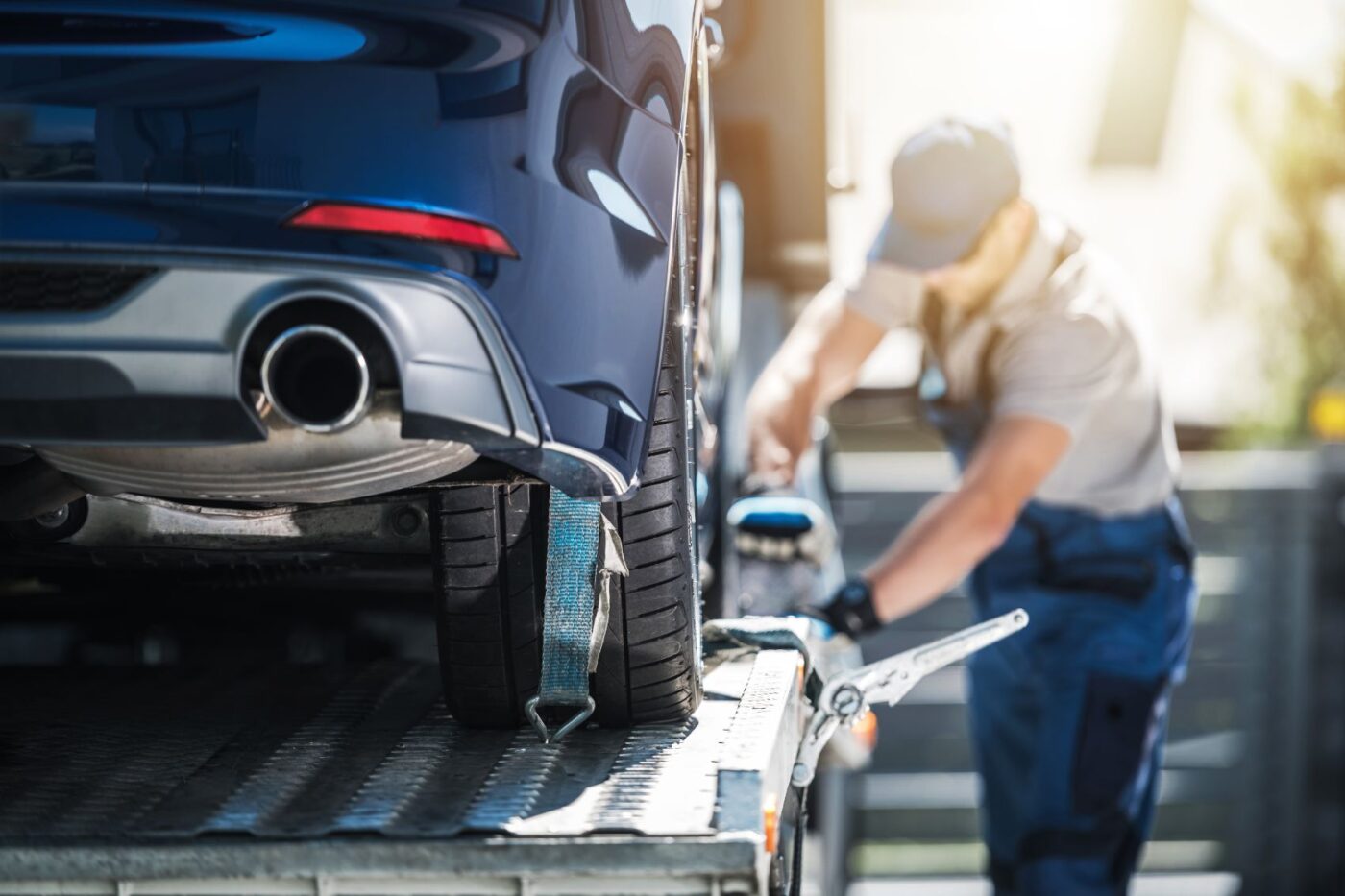
Image Gallery
Select an image to open it in a new tab.
Celine Dubois
Contemporary Living and Global Arts Columnist
