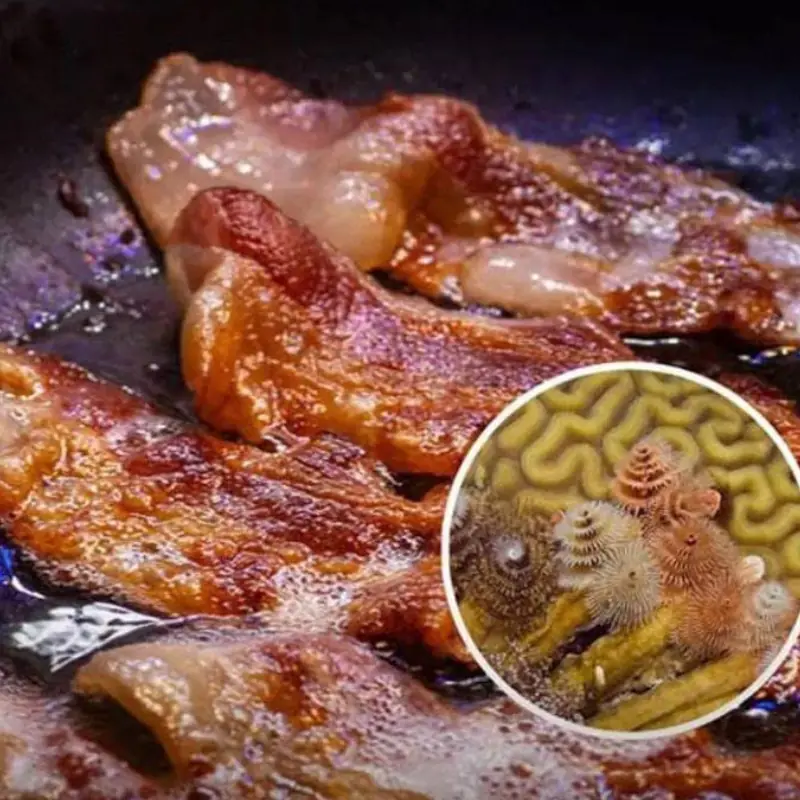
Consuming undercooked pork exposes individuals to serious foodborne parasites, most notably Trichinella roundworms and Taenia solium tapeworms. These microscopic hazards can cause severe, long-lasting health complications if pork products are not heated to safe internal temperatures, making proper culinary preparation and rigorous food safety measures essential defenses against invisible contamination.
Understanding the Hidden Threat of Pork-Borne Parasites
When discussing culinary safety, meat preparation often focuses heavily on bacterial pathogens such as Salmonella, Escherichia coli, or Campylobacter. However, pork carries an entirely different category of biological hazard: parasitic organisms that spend parts of their life cycles embedded directly inside muscle tissue. Unlike surface bacteria that can be neutralized by mild searing, these internal parasites are protected by the physical structure of the meat, requiring sustained internal heat or freezing processes to eliminate.
Historically, the risk of contracting parasites from pork was significantly higher, leading to deeply ingrained cultural habits regarding how well-done pork must be cooked. While modern agricultural practices, strict biosecurity regulations, and routine veterinary inspections in developed nations have drastically reduced the prevalence of these organisms in commercial livestock, the risk has not been entirely eradicated. Free-range farming, heritage breeds raised outdoors, wild game hunting, and backyard slaughtering introduce variables that bypass standard industrial safeguards, making consumer awareness just as critical today as it was generations ago.
Understanding how these parasites operate requires looking beyond simple food poisoning symptoms. Unlike acute bacterial infections that strike within hours and resolve relatively quickly, parasitic infections can have incubation periods spanning weeks or even months. During this time, microscopic larvae or eggs can migrate through human tissue, invading muscles, the central nervous system, or the digestive tract, resulting in complex medical conditions that can be difficult to diagnose without a comprehensive dietary history.
Major Parasites Associated with Undercooked Pork
Two primary parasites are responsible for the vast majority of human health complications linked to the consumption of undercooked pork: Trichinella species and Taenia solium. Each organism exhibits unique biological characteristics, distinct pathways of infection, and varying degrees of severity.
Trichinella Roundworms and Trichinellosis
The genus Trichinella, most notably Trichinella spiralis, consists of parasitic roundworms whose life cycle is entirely completed within the bodies of meat-eating mammals, including pigs, wild boars, bears, and rodents. When a human consumes raw or undercooked pork containing encysted Trichinella larvae, the acidic environment of the stomach dissolves the cyst wall, releasing the larvae. These larvae quickly migrate to the small intestine, where they mature into adult worms within days and mate.
The female worms then produce a new generation of larvae. Instead of being excreted, these newborn larvae penetrate the intestinal wall and enter the bloodstream, circulating throughout the body until they invade striated skeletal muscle tissue—particularly muscles with high oxygen demand, such as the diaphragm, tongue, jaw, intercostal muscles, and limbs. Once inside the muscle cells, the larvae coil up, induce the surrounding tissue to form a protective capsule, and can remain viable for years.
The resulting disease, trichinellosis (sometimes called trichinosis), manifests in two distinct phases:
- Intestinal Phase (1 to 2 days post-consumption): Characterized by mild to moderate gastrointestinal distress, including nausea, diarrhea, abdominal cramps, and fever. In many cases, these symptoms are mild enough to be mistaken for a routine stomach virus.
- Systemic/Migration Phase (2 to 8 weeks post-consumption): Occurs as the larvae migrate and encyst. Symptoms include intense muscle pain and tenderness, swelling of the face (particularly around the eyes, known as periorbital edema), high fever, skin rashes, and conjunctivitis. In severe infections, complications can extend to myocarditis (inflammation of the heart muscle), encephalitis (inflammation of the brain), or pneumonia, which can be fatal.
Taenia solium and Pork Tapeworm Infections
Taenia solium, commonly known as the pork tapeworm, presents a dual health threat because it can cause two entirely different medical conditions depending on whether an individual ingests the larval cysts in meat or the tapeworm eggs shed in human feces.
- Intestinal Taeniasis: When a person eats undercooked pork containing Taenia solium cysticerci (fluid-filled cysts containing immature tapeworm heads), the cyst attaches to the wall of the small intestine. Over the course of several months, it grows into an adult tapeworm that can reach lengths of several meters. Many people with intestinal tapeworms experience minimal symptoms, though some report vague abdominal discomfort, weight loss, digestive disturbances, or the passage of tapeworm segments in stool.
- Cysticercosis and Neurocysticercosis: A far more dangerous condition occurs when a person accidentally ingests Taenia solium eggs (often via contaminated water or unwashed food handled by an infected person, or through poor hand hygiene). The eggs hatch in the stomach, and the resulting larvae travel through the bloodstream to lodge in various tissues, including skeletal muscle, subcutaneous tissue, the eyes, and the brain. When larvae lodge in the central nervous system—a condition known as neurocysticercosis—they can cause chronic headaches, blindness, stroke, and severe, debilitating epileptic seizures. Neurocysticercosis is recognized globally as one of the leading preventable causes of epilepsy in developing regions.
Comparative Overview of Pork-Borne Parasitic Risks
| Parasite Species | Primary Infection Source | Target Tissues in Humans | Key Symptoms & Complications | Prevention / Elimination Method |
|---|---|---|---|---|
| Trichinella spiralis | Undercooked pork, wild boar, bear meat | Skeletal muscle, heart, central nervous system | Diarrhea, facial swelling, muscle pain, fever, myocarditis | Cook to minimum internal temperature of 145°F (63°C) with a 3-minute rest |
| Taenia solium (Intestinal) | Undercooked pork containing cysticerci | Small intestine | Mild abdominal pain, weight loss, passage of proglottids | Thorough cooking or freezing; strict hygiene |
| Taenia solium (Cysticercosis) | Ingestion of microscopic eggs (fecal-oral route) | Brain, eyes, skeletal muscle, subcutaneous tissue | Seizures, chronic headaches, visual impairment, neurological deficits | Hand hygiene, safe sanitation, avoiding fecal contamination |
| Toxoplasma gondii | Undercooked pork, lamb, venison; cat feces | Brain, skeletal muscle, eyes, lymph nodes | Flu-like symptoms; severe risks to fetuses and immunocompromised individuals | Thorough cooking; freezing meat; washing produce |
Additional Parasites: Toxoplasma gondii
In addition to Trichinella and Taenia solium, pork can occasionally harbor Toxoplasma gondii, a microscopic protozoan parasite. While felines are the definitive hosts where the parasite completes its sexual life cycle, pigs and other livestock act as intermediate hosts by ingesting environmental oocysts.
When humans consume undercooked pork containing Toxoplasma tissue cysts, the parasites can establish an infection known as toxoplasmosis. For healthy individuals with robust immune systems, toxoplasmosis is often asymptomatic or presents as a mild, flu-like illness with swollen lymph nodes and muscle aches. However, the risk profile changes drastically for pregnant women and immunocompromised individuals. Primary infection during pregnancy can lead to congenital toxoplasmosis, resulting in severe birth defects, intellectual disabilities, visual impairment, or fetal demise. In immunocompromised patients, the parasite can cause reactivation of latent cysts, leading to severe cerebral toxoplasmosis and life-threatening neurological damage.
Safe Cooking Practices and Temperature Verification
The single most effective defense against pork-borne parasites is thermal destruction. Parasites, cysts, and bacteria cannot survive exposure to sustained high temperatures. Relying on visual cues—such as color changes or the absence of pinkness—is notoriously unreliable, as meat color can vary based on pH, age, cut, and cooking method. Modern food safety standards rely exclusively on verified internal temperature measurements using calibrated digital food thermometers.
According to guidelines from the United States Department of Agriculture (USDA) and the Centers for Disease Control and Prevention (CDC), whole cuts of fresh pork—including pork chops, loins, and roasts—should be cooked to a minimum internal temperature of 145°F (63°C), followed by a mandatory three-minute rest time before carving or consuming. During this rest period, the internal temperature remains constant or continues to rise, ensuring that any lingering pathogens are neutralized.
For ground pork products, such as sausages, patties, and meatballs, the required temperature is higher. Because grinding distributes surface bacteria and potential contaminants throughout the entire mixture, ground pork must be cooked to a minimum internal temperature of 160°F (71°C) with no rest time required.
Proper thermometer placement is critical for accurate verification:
- Insert the thermometer into the thickest part of the meat, avoiding direct contact with bone, fat, or the cooking pan, which can yield falsely elevated temperature readings.
- For thin cuts, such as boneless chops, insert the thermometer probe horizontally into the center of the cut to capture the true thermal midpoint.
- Calibrate digital thermometers periodically in ice water (32°F / 0°C) or boiling water (212°F / 100°C) to ensure measurement accuracy.
The Role of Freezing in Parasite Control
While cooking is the primary method of elimination, freezing can also neutralize certain parasites in pork when executed under specific temperature and time parameters. However, consumers must understand the limitations of home freezers versus commercial freezing processes.
Freezing pork at standard home freezer temperatures (typically 0°F / -18°C or higher) is not uniformly effective against all strains of parasites, particularly certain cold-hardy species of Trichinella (such as Trichinella nativa found in wild game). For commercial processing, the USDA and the Food and Drug Administration (FDA) outline strict freezing schedules for pork cuts less than six inches thick:
- Freezing at 5°F (-15°C) for 20 days.
- Freezing at -10°F (-23°C) for 10 days.
- Freezing at -20°F (-29°C) for 6 days.
Because standard home freezers rarely maintain these ultra-low temperatures consistently—and because opening freezer doors causes temperature fluctuations—home freezing should never be relied upon as a substitute for thorough cooking. All fresh pork should be treated as potentially hazardous until verified cooked by a food thermometer.
Cross-Contamination and Kitchen Hygiene
Parasite prevention extends far beyond the cooking vessel. In kitchens where raw pork is handled, cross-contamination represents a significant vector for spreading parasites and bacteria to ready-to-eat foods, utensils, countertops, and human hands.
To minimize cross-contamination risks:
- Dedicated Cutting Boards: Use separate cutting boards for raw meats and produce. Non-porous plastic or glass boards are easier to sanitize than wood, though wooden boards can be safely used if washed thoroughly.
- Rigorous Handwashing: Wash hands with soap and warm water for at least 20 seconds before and after handling raw meat. Touching the face, seasoning shakers, or refrigerator handles with contaminated hands transfers pathogens across the kitchen environment.
- Sanitization: Clean countertops, knives, and meat probes immediately after use with hot, soapy water followed by a food-safe kitchen sanitizer or a diluted bleach solution.
- Proper Thawing: Never thaw pork on a kitchen counter at room temperature, where the outer layers can enter the "Danger Zone" (between 40°F and 140°F / 4°C and 60°C) while the interior remains frozen. Thaw pork safely inside the refrigerator, in a leak-proof bag submerged in cold tap water changed every 30 minutes, or in a microwave followed immediately by cooking.
Wild Game and Heritage Breed Considerations
Consumers who purchase pork from non-industrial sources—such as local small-scale farms, heritage outdoor operations, or hunters harvesting wild boars and feral pigs—face distinct risk profiles that require heightened caution.
Pigs raised outdoors have greater access to soil, insects, rodents, and wildlife carcasses, increasing their natural exposure to environmental parasites like Trichinella and Toxoplasma. While industrial pork produced in confinement facilities undergoes rigorous veterinary oversight and benefits from biosecure feed supplies that have virtually eliminated trichinellosis in commercial pork supply chains, small-scale or wild-harvested meats do not carry the same institutional guarantees.
Wild boars, in particular, are well-documented reservoirs for cold-tolerant Trichinella species. Hunters must exercise extreme caution when handling, butchering, and cooking wild game. Standard curing, smoking, drying, or fermenting processes do not reliably kill parasites unless the meat has been subjected to validated thermal processing or precise commercial freezing protocols. Sausages made from wild boar meat must always be cooked thoroughly rather than consumed semi-raw or dry-cured at home.
Recognizing Symptoms and Seeking Medical Guidance
Because the incubation period for parasitic infections can span days, weeks, or months, connecting gastrointestinal or systemic symptoms to a specific meal can be challenging. Anyone who experiences unexplained persistent muscle pain, chronic swelling around the eyes, prolonged gastrointestinal disturbance, or neurological symptoms—especially following the consumption of undercooked pork, wild game, or unverified home-cured meats—should seek professional medical evaluation immediately.
Healthcare providers diagnose parasitic infections through a combination of detailed dietary histories, physical examinations, specialized blood tests (such as enzyme-linked immunosorbent assays for antibody detection), and occasionally muscle biopsies or neuroimaging (MRI or CT scans) in cases of suspected neurocysticercosis. Timely diagnosis is crucial, as anti-parasitic medications (such as albendazole or mebendazole) combined with anti-inflammatory corticosteroids can successfully manage infections and prevent permanent tissue damage if administered before irreversible complications occur.
Disclaimer: The information provided in this article is for educational and informational purposes only and does not constitute medical or veterinary advice. For specific health concerns, dietary guidance, or suspected foodborne illness, consult a qualified healthcare professional.
Frequently Asked Questions
Can you get worms from modern commercially raised pork?
While the prevalence of parasites in commercially raised, grain-fed pork in developed nations has decreased significantly due to strict indoor biosecurity and veterinary controls, the risk is never zero. Rare cases still occur, and relying solely on industrial processing standards without proper cooking is discouraged by food safety authorities.
Does curing, smoking, or fermenting pork kill parasites?
Traditional culinary methods such as dry-curing, smoking, salting, or fermenting do not reliably kill parasitic cysts like Trichinella or Taenia solium. Unless the meat has undergone rigorous, validated commercial freezing or has been heated to safe internal cooking temperatures, cured pork products can still transmit parasites.
How long does it take for trichinellosis symptoms to appear?
Initial gastrointestinal symptoms of trichinellosis typically appear within 1 to 2 days after consuming contaminated meat. However, systemic symptoms such as muscle pain, fever, and facial swelling generally develop 2 to 8 weeks later as the parasite larvae migrate and encyst in muscle tissue.
Is pink pork safe to eat if it reaches 145 degrees Fahrenheit?
Yes. Modern culinary science confirms that pork can retain a slight pink color in the center even after reaching the USDA-recommended safe internal temperature of 145°F (63°C) with a three-minute rest time. Visual color is an unreliable indicator of doneness; a digital food thermometer is the only verification tool that ensures safety.
What should I do if I suspect I ate undercooked pork?
If you realize you have consumed undercooked pork, monitor your health closely for symptoms over the next several weeks. Do not panic, as infection is not guaranteed even in contaminated meat. If you develop persistent muscle aches, unexplained fever, gastrointestinal distress, or facial swelling, contact a healthcare provider immediately and report your recent dietary history.
Recommendations for Safe Pork Preparation
To eliminate the hidden risk of pork-borne parasites, adopt a zero-tolerance policy for guesswork in the kitchen. Always utilize an instant-read digital food thermometer to verify that whole cuts reach 145°F (63°C) with a three-minute rest, and ground pork reaches 160°F (71°C). Maintain meticulous kitchen hygiene, separate raw meats from ready-to-eat produce, and exercise extreme caution when consuming wild game or unverified non-industrial pork products. Prioritizing temperature verification ensures both culinary enjoyment and absolute physiological safety.
Image Gallery
Select an image to open it in a new tab.
Akira Tanaka
International Academic Trends Correspondent
