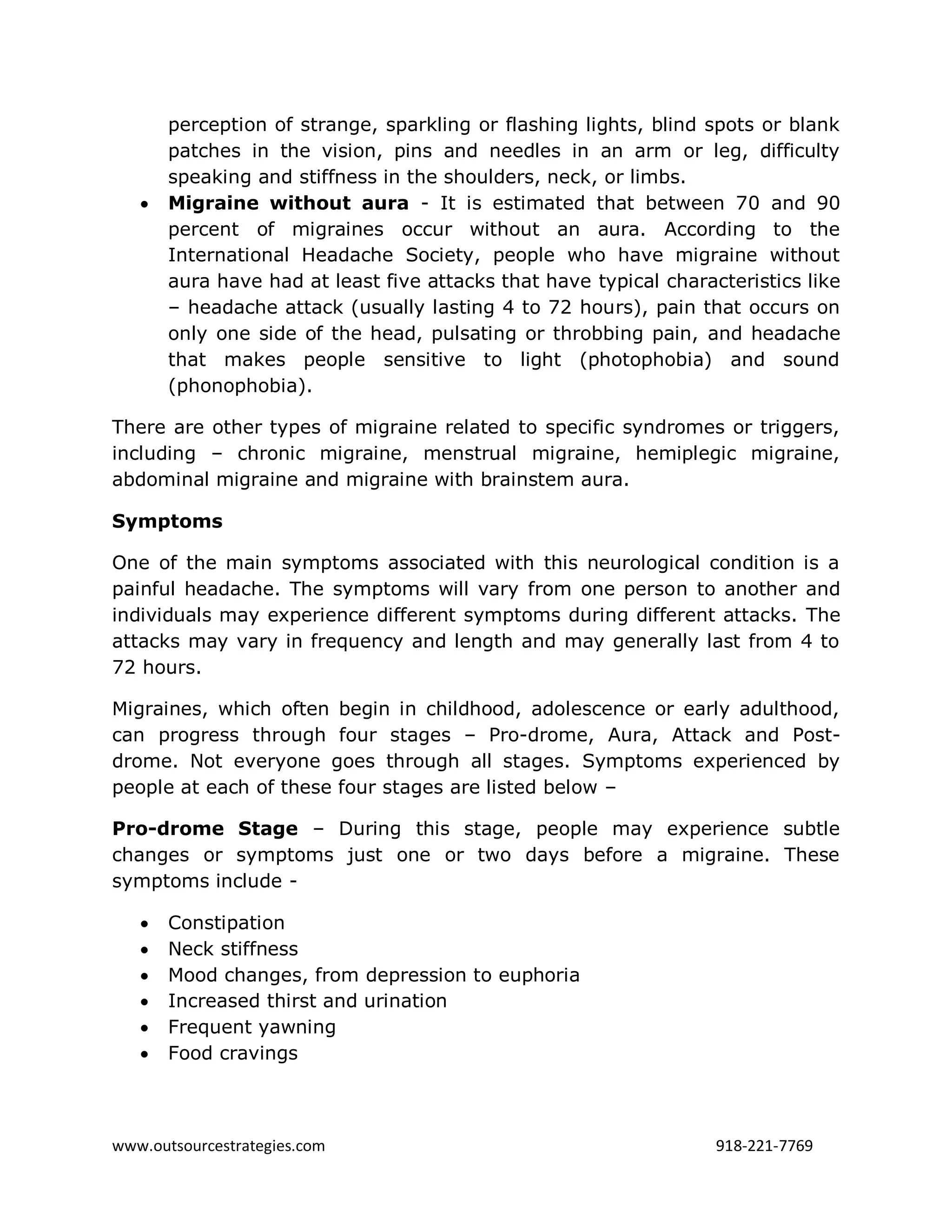
Speaking difficulty during a migraine, clinically referred to as dysphasia or aphasia, is a transient neurological symptom that occurs in some individuals during the aura phase of a migraine attack. While alarming, it is generally temporary and reversible, signaling that the cortical spreading depression associated with the migraine is affecting the language centers of the brain.
The Neurological Basis of Migraine Aura
Migraines are far more than intense headaches; they are complex neurological events. For approximately 25% to 30% of people who experience migraines, the attack is preceded or accompanied by an "aura." An aura is a set of sensory, visual, or speech disturbances that typically develop gradually over 5 to 20 minutes and last for less than an hour.
The speech-related symptoms—which might manifest as difficulty finding words, slurring, or the inability to form coherent sentences—are linked to a process known as cortical spreading depression (CSD). During CSD, a wave of electrical activity spreads across the surface of the brain, leading to temporary changes in neuronal activity and blood flow. When this electrical wave traverses the left hemisphere of the brain, which houses the primary language centers (specifically Broca’s area and Wernicke’s area), the ability to process or articulate language is temporarily disrupted.
Because these symptoms are physiological consequences of the migraine pathology itself, they are generally considered benign in the context of the migraine episode. However, the similarity between these symptoms and those of a stroke or a Transient Ischemic Attack (TIA) necessitates a careful approach to medical assessment.
Identifying Speech Symptoms During a Migraine
Not all speaking difficulties are identical. Patients often describe the experience using varying terminology, which helps neurologists categorize the event. Understanding these specific manifestations is vital for self-monitoring and communication with healthcare providers.
- Expressive Aphasia: The individual knows what they want to say but cannot get the words out. They may struggle to find the correct vocabulary, use incorrect words, or experience "word salad" where sentences lose their grammatical structure.
- Dysarthria: This is a motor speech disorder characterized by slurred or slowed speech. Unlike aphasia, which is a language processing issue, dysarthria occurs because the muscles used for speech production are not coordinating effectively.
- Anomia: A specific form of aphasia where the individual cannot recall the names of everyday objects.
- Receptive Difficulties: Occasionally, individuals report trouble understanding the speech of others, feeling as though the words being spoken to them have lost their meaning.
These symptoms usually arise concurrently with other aura manifestations, such as visual scotomas (blind spots), tingling in the extremities, or numbness.
Comparing Migraine Symptoms with Other Neurological Emergencies
Because speech difficulty is a classic "red flag" for medical emergencies like stroke, it is critical to distinguish between a migraine-related event and a cerebrovascular incident. The diagnostic process often hinges on the "aura march"—the way symptoms build—and the patient's history.
| Feature | Migraine with Aura | Stroke / TIA |
|---|---|---|
| Onset Speed | Gradual (usually over 5–20 minutes) | Sudden / Instantaneous |
| Duration | 5–60 minutes | Varies, but often persists |
| Progression | Sequential (vision, then speech, then motor) | Usually simultaneous |
| Headache | Typically follows the aura | Not always present |
| Visual Aura | Common (zig-zags, flashing lights) | Rare |
If you or someone around you experiences the sudden onset of slurred speech or inability to speak, do not assume it is a migraine unless there is a verified, established history of such symptoms diagnosed by a neurologist. The "FAST" (Face, Arms, Speech, Time) protocol should be followed if there is any doubt regarding the nature of the event.
Prerequisites for Self-Management
Managing migraines that involve speech difficulty requires a proactive, rather than reactive, approach. If your migraine pattern involves cognitive or speech disruptions, you must work with a headache specialist to establish a baseline of "normal" symptoms for your condition.
- Diagnostic Confirmation: Ensure that a neurologist has confirmed your speech difficulties are indeed aura-related and not signs of another neurological condition like epilepsy or silent ischemic events.
- Symptom Logging: Keep a detailed migraine diary in 2026. Note the time of onset, the sequence of aura, the duration of the speech difficulty, and any medications taken.
- Emergency Contingency: Carry a medical alert card or use digital medical ID features on your smartphone. Clearly state: "I have a history of migraines with aura that include transient speech difficulty." This prevents unnecessary or incorrect emergency interventions if you are unable to speak during an attack.
When to Seek Immediate Medical Attention
Even for individuals with a confirmed diagnosis of migraine, there are instances where speech difficulty warrants immediate emergency department evaluation.
- Deviation from Pattern: If the speech difficulty lasts longer than 60 minutes or is significantly different from your usual aura experience.
- New Symptoms: The sudden appearance of unilateral weakness (weakness on only one side of the body), facial drooping, or confusion that persists beyond the expected aura window.
- Age and Risk: If you are over the age of 50 and experiencing these symptoms for the first time, medical providers prioritize ruling out vascular issues, as the risk of stroke increases with age.
- Head Injury: If the speech difficulty follows a head injury, it should be treated as a potential traumatic brain injury (TBI) rather than a migraine.
Preventive Strategies and Treatment
There is no specific treatment to "stop" an aura once it has begun. The primary focus is to treat the headache pain that follows and, more importantly, to reduce the frequency of the attacks through preventive medicine.
Acute Care
When a migraine with aura begins, move to a quiet, dark environment. Resting is essential. Some patients find that taking prescribed migraine-abortive medications (such as triptans or gepants) at the first sign of aura helps shorten the severity of the subsequent headache, though evidence remains mixed on whether these stop the aura itself.
Preventive Measures
- Magnesium and Riboflavin: High-dose magnesium and Vitamin B2 (riboflavin) are commonly recommended for migraine prophylaxis.
- CGRP Inhibitors: In 2026, the use of monoclonal antibodies targeting CGRP (Calcitonin Gene-Related Peptide) has become a standard, highly effective preventive treatment for chronic migraineurs.
- Lifestyle Modifications: Consistency is the best defense against migraine triggers. Maintaining a regular sleep schedule, hydration, and avoiding known dietary triggers are foundational.
- Neuro-Cognitive Support: For individuals who experience frequent language-related aura, speech therapy can sometimes provide cognitive strategies to manage the anxiety surrounding these episodes, helping to improve functional outcomes during and after the event.
FAQ: Addressing Common Concerns
1. Is it normal to forget words during a migraine? Yes, this is a known manifestation of sensory and cognitive aura. It is caused by the temporary disruption of electrical signaling in the brain's language centers and is usually temporary, resolving fully once the aura phase ends.
2. Can I prevent speech difficulty during a migraine? While you cannot necessarily target the speech symptoms themselves, you can reduce the frequency of your migraines overall. Through preventive medications or lifestyle adjustments, lowering your total migraine frequency will inherently lower the frequency of your aura-related speech disruptions.
3. Does this affect my intelligence or long-term language ability? There is no evidence to suggest that transient aura-related speech difficulty leads to permanent cognitive decline or language impairment in patients who only experience typical migraine with aura.
4. Should I take aspirin or blood thinners if I have speech difficulty? No. You should never take aspirin or any other blood thinner for a suspected migraine without explicit direction from your neurologist. If the speech difficulty is caused by a stroke, taking certain medications without proper imaging can be dangerous.
5. How long is "too long" for speech symptoms to last? Any neurological symptom—including speech difficulty—that lasts longer than 60 minutes, or that is accompanied by new motor or sensory deficits, should be evaluated by a healthcare professional immediately to rule out secondary causes.
Next Steps for Patients
If you are experiencing recurring speech difficulty during migraines, your priority should be a professional consultation with a neurologist. Prepare for your appointment by documenting the duration, frequency, and specific nature of your symptoms. Request a thorough review of your medical history to ensure that these incidents are consistent with migraine aura and not indicators of other underlying health concerns. By establishing a clear, documented diagnosis and a personalized management plan, you can significantly reduce the anxiety associated with these events and better control your neurological health.

Image Gallery
Select an image to open it in a new tab.

Declan O'Connor
Higher Education and Campus Culture Reporter
