Emma Watson Says Gender Equality Is Your Issue Too: The Lasting Impact of the HeForShe Movement

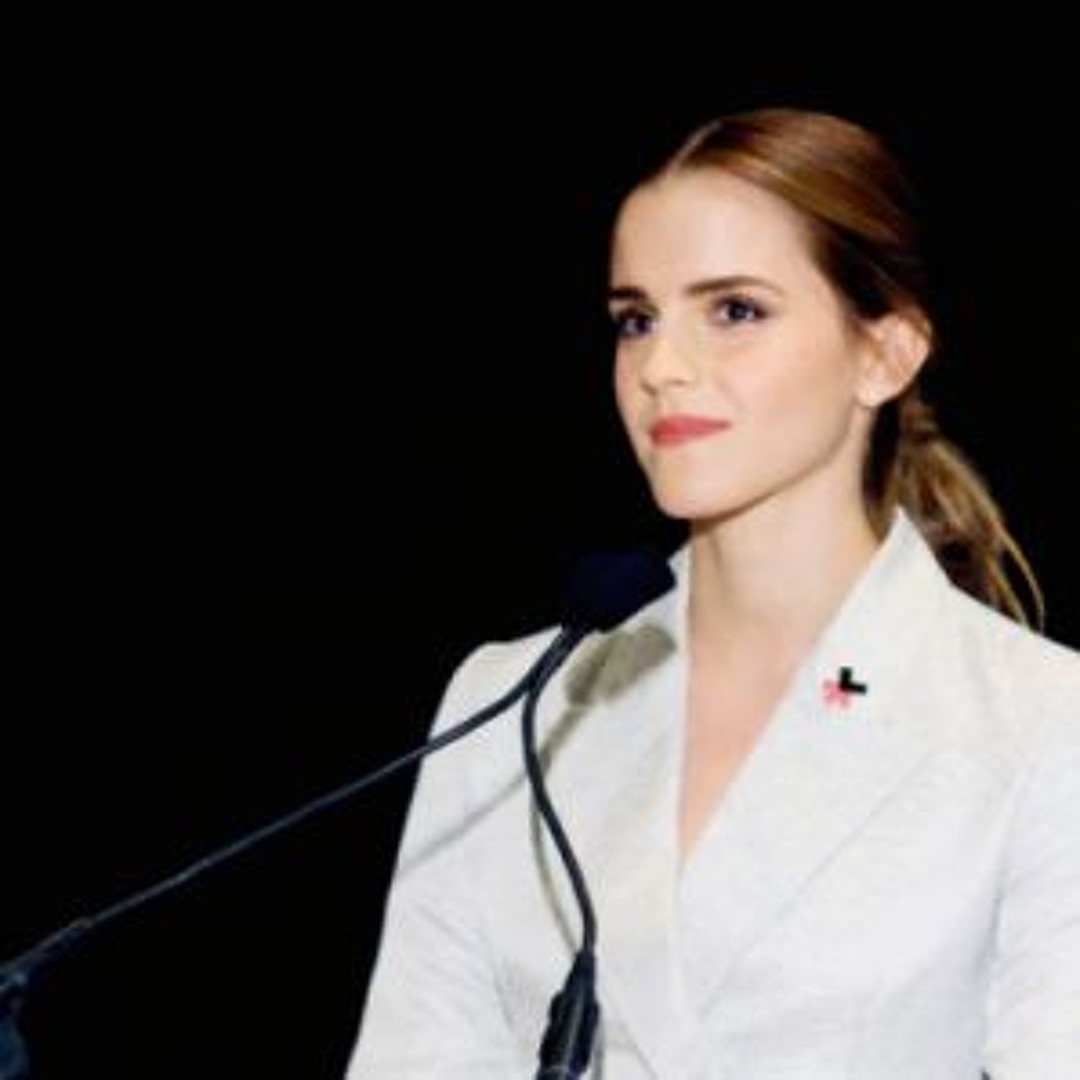
Emma Watson’s statement that "gender equality is your issue too" served as the rallying cry for the HeForShe campaign, launched at the United Nations in 2014. By addressing men and boys directly, Watson shifted the global conversation from feminism as a "struggle for women" to a shared human rights imperative that liberates all genders from restrictive stereotypes.
In the years following her landmark speech at the UN Headquarters in New York, the phrase has evolved from a viral moment into a foundational principle of modern social equity. As of 2026, the legacy of that speech continues to influence corporate policy, academic standards, and international legislation. To understand why Watson’s message resonated so deeply, one must examine the rhetorical shift she employed: moving away from an "us versus them" narrative toward a collective "we" that acknowledges the high cost of gender inequality for men as well as women.
The Context of the 2014 UN Speech
In July 2014, Emma Watson was appointed as a UN Women Goodwill Ambassador. While already a global icon due to her film career, her transition into high-level diplomacy was met with both curiosity and skepticism. Her primary task was to serve as the face of the HeForShe campaign, a solidarity movement for gender equality developed by UN Women.
The formal launch took place on September 20, 2014. Watson’s speech was not merely a celebrity endorsement; it was a carefully crafted argument that addressed the stigma surrounding the word "feminism." She acknowledged that the term had become synonymous with "man-hating" and "anti-men," a perception she sought to dismantle by returning to the core definition of the movement.
Defining Feminism for a Global Audience
Watson provided a clear, clinical definition to strip away the political baggage: "The belief that men and women should have equal rights and opportunities. It is the theory of the political, economic, and social equality of the sexes." By grounding her argument in this definition, she made it difficult for critics to disagree with the fundamental premise.
She shared personal anecdotes about how gender-based assumptions began for her at a young age—being called "bossy" for wanting to direct plays, while her male peers were not. This relatable entry point allowed her to transition into the more complex argument that gender equality is not a zero-sum game where women win and men lose.
Why Gender Equality is "Your Issue Too" for Men
The most revolutionary aspect of Watson’s address was her direct appeal to men. She argued that the "gender prison" affects everyone, though the manifestations differ. By 2026, the data surrounding male mental health and social expectations has validated many of the points Watson raised over a decade ago.
The Burden of Male Stereotypes
Watson pointed out that men are often "imprisoned by gender stereotypes" just as women are. She noted that when men are freed from these roles, things will change for women as a natural consequence. Her speech highlighted several key areas where men suffer under the current patriarchal status quo:
- Mental Health and Vulnerability: Men are often conditioned to suppress their emotions to appear "strong." Watson noted that this prevents men from being their "true and complete selves."
- Parenting and Domestic Roles: She argued that the value of a father is often underestimated by society, and men should feel free to be present, nurturing parents without being stigmatized.
- The Pressure of Aggression: The expectation for men to be aggressive or dominant can lead to a culture of violence that ultimately harms the men themselves through high rates of incarceration and physical conflict.
By framing gender equality as a path to male liberation, Watson invited men into the room not as guests or observers, but as stakeholders. This was a tactical shift in feminist rhetoric that prioritized inclusive advocacy over exclusionary activism.

The Structural Impact of HeForShe: 10x10x10
Following the speech, UN Women launched the IMPACT 10x10x10 initiative. This was a pilot project to engage key decision-makers who could drive change from the top down. The goal was to secure commitments from 10 Heads of State, 10 global CEOs, and 10 University Presidents.
Corporate and Academic Accountability
The results of this initiative provided a blueprint for how "gender equality is your issue too" translates into policy. For example, participating corporations like Unilever, PwC, and Schneider Electric began publishing their gender pay gap data and implementing aggressive parental leave policies that encouraged men to take time off.
In the academic sphere, universities such as Oxford, Georgetown, and Sciences Po committed to addressing campus sexual violence and increasing the representation of women in senior faculty positions. These were not just symbolic gestures; they were tied to measurable KPIs that required annual reporting to the UN.
Comparing Traditional Feminism and the HeForShe Approach
| Feature | Traditional Feminist Advocacy | HeForShe/Watson Approach |
|---|---|---|
| Primary Focus | Rights and protections for women | Equality as a shared human right |
| Role of Men | Often viewed as the "oppressor" or outside observer | Viewed as essential partners and stakeholders |
| Incentive | Justice and moral obligation | Universal liberation from gender roles |
| Communication Strategy | Grassroots women's movements | Top-down institutional commitment + social media |
| Key Messaging | "Women's Rights" | "Gender Equality is your issue too" |
Addressing the Critics and the "Pop-Feminism" Label
Despite the overwhelming success of the speech, Watson and the HeForShe campaign faced criticism. Some activists argued that the campaign centered men too much, suggesting that women should not have to "market" equality based on how it benefits men to get their support. Others labeled it "pop-feminism," arguing that a celebrity spokesperson oversimplified the deeply rooted systemic issues of intersectionality, race, and class.
However, Watson’s supporters pointed out that her goal was not to replace academic feminist theory but to broaden the funnel of who considers themselves an ally. By 2026, historians of the movement recognize that Watson’s speech served as a "gateway" for millions of people who had previously felt alienated by the term feminism. It provided a safe, logical entry point for corporate leaders and male heads of state to engage with gender issues without feeling attacked.
Long-term Legacy and the State of Equality in 2026
Twelve years after the initial speech, the landscape of gender equality has shifted significantly. The conversation Watson started about men’s mental health has grown into a global movement to address the "loneliness epidemic" and the high suicide rates among young men. The realization that "gender equality is your issue too" has led to a more nuanced understanding of how toxic masculinity harms everyone.
In 2026, we see the fruits of the HeForShe legacy in:
- Global Paternity Leave: Standardized paid leave for fathers in a majority of developed nations.
- Curriculum Changes: Educational systems that actively dismantle gender stereotypes in early childhood.
- The "Manosphere" Counter-Narrative: While reactionary movements exist, the HeForShe framework provides a compelling alternative for young men seeking identity and purpose through equality rather than dominance.
How to Apply Watson’s Message Today
For individuals looking to act on the principle that gender equality is their issue, the HeForShe movement suggests several practical steps. These are designed to turn the rhetorical "issue" into tangible "action."
- Audit Personal Language: Notice how you describe men and women. Are you using "bossy" versus "assertive" or "emotional" versus "passionate"?
- Support Shared Caregiving: If you are in a position of leadership, ensure that men in your organization feel empowered to take their full parental leave.
- Challenge Stereotypes in Real-Time: When you hear a comment that reinforces a restrictive gender norm—such as "boys don't cry"—politely challenge it by pointing out the value of emotional intelligence.
- Educate Yourself on Intersectionality: Recognize that gender inequality intersects with race, disability, and sexual orientation. A white man’s experience of gender equality will differ from that of a man of color.
Frequently Asked Questions
When and where did Emma Watson give her "gender equality is your issue too" speech? Emma Watson delivered the speech on September 20, 2014, at the United Nations Headquarters in New York City. The event marked the official launch of the HeForShe campaign.
What is the HeForShe campaign? HeForShe is a solidarity movement for gender equality initiated by UN Women. Its goal is to involve men and boys as agents of change by encouraging them to take action against negative inequalities faced by women and girls.
Did Emma Watson write the speech herself? Watson worked closely with the UN Women team and speechwriters to ensure the message aligned with the campaign’s goals, but she has stated in interviews that she spent months preparing and personalizing the content to reflect her own convictions.
What was the "10x10x10" part of the campaign? It was a specific initiative within HeForShe that engaged 10 world leaders, 10 CEOs, and 10 university presidents to fast-track gender equality in their respective institutions through concrete commitments.
How many men joined the movement following the speech? Within the first few days of the speech, over 100,000 men signed the HeForShe online pledge. By the mid-2020s, that number had grown into the millions, with participants from every country in the world.
Moving Toward a Post-Stereotype World
The enduring power of Emma Watson's message lies in its invitation. By telling men that gender equality is "your issue too," she removed the barrier of guilt and replaced it with the motivation of shared benefit. As we look back from 2026, it is clear that the most successful efforts in human rights are those that manage to convince the majority that the progress of a minority is a win for everyone.
To truly honor the sentiment of the HeForShe movement, the next step is to move beyond the signature on a pledge and into the daily work of dismantling the "gender prison." This requires a constant commitment to seeing individuals for their capabilities and character, rather than their adherence to an outdated social script.
Image Gallery
Select an image to open it in a new tab.



Zara El-Hashem
Sociocultural Dynamics and Academics Writer
