Elliot Page in X-Men: Days of Future Past Explained: Powers, Plot, and Legacy
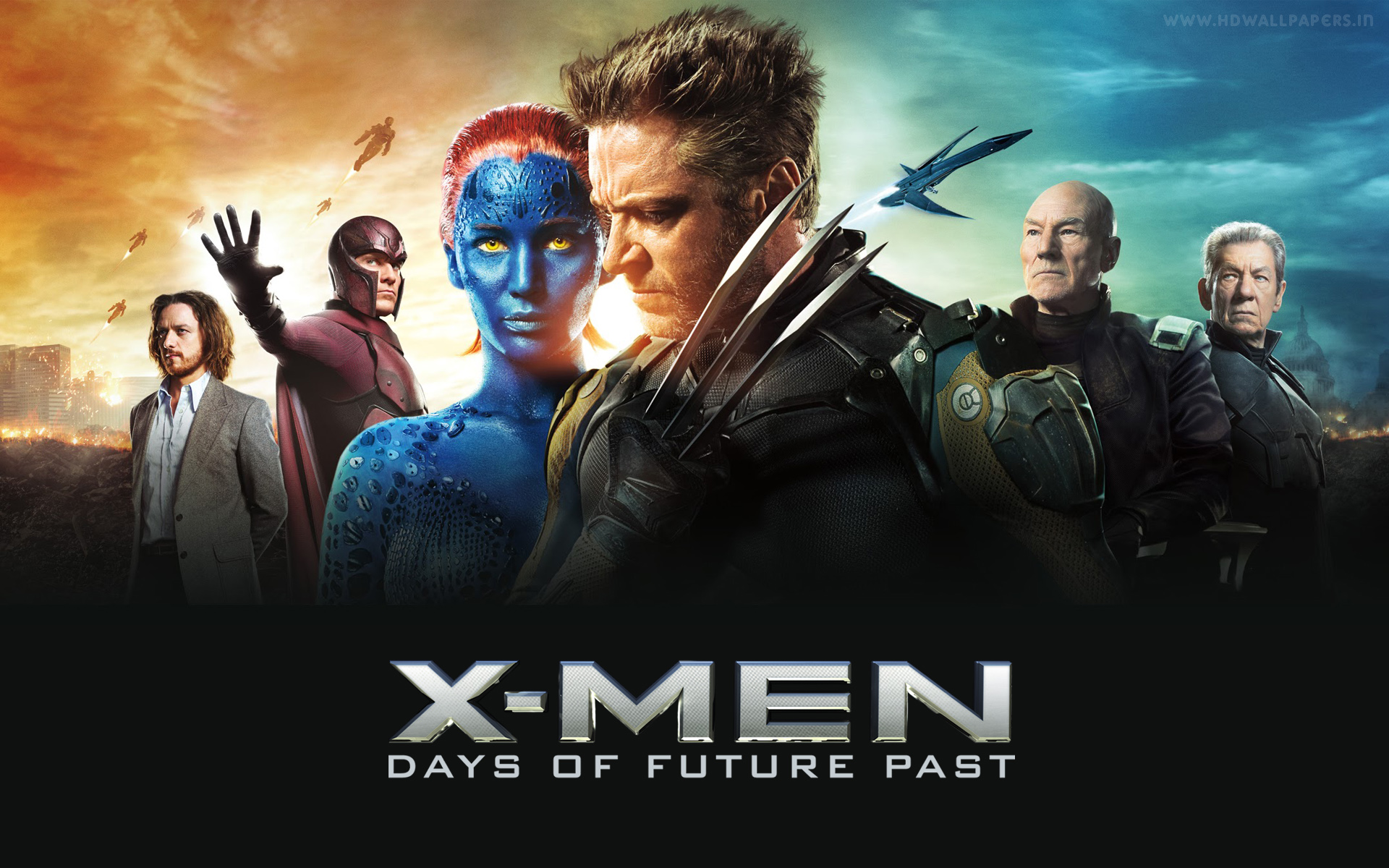
In X-Men: Days of Future Past, Elliot Page portrays Kitty Pryde, a mutant whose traditional phasing powers evolve into "chronoskimming," the ability to project a person's consciousness back through time. Kitty serves as the film’s narrative anchor, using this secondary mutation to send Logan (Wolverine) back to 1973 to prevent the rise of the Sentinel program.
The Narrative Role of Kitty Pryde in Days of Future Past
When X-Men: Days of Future Past arrived in theaters in 2014, it was hailed as a monumental crossover that bridged the original trilogy cast with the "First Class" era. Central to this bridge was Kitty Pryde, played by Elliot Page. While Kitty had appeared in previous films, most notably X-Men: The Last Stand (2006), her role in the 2014 blockbuster was vastly more significant. She was no longer just a student learning to walk through walls; she was the last line of defense for a dying species.
In the dystopian future of 2023 (as depicted in the film), mutants are being hunted to extinction by Sentinels—highly adaptable robots. The X-Men have survived by using a tactical time-loop strategy. Kitty Pryde uses her powers to send Bishop’s consciousness back a few days every time they are discovered, allowing the team to vacate the area before the attack ever happens. This establishes Kitty as the most valuable asset the X-Men possess, as she is the only one capable of facilitating the "chronoskimming" process.
Explaining the "Chronoskimming" Power
The primary question many fans have is: How did Kitty Pryde develop the power to send people back in time? In the original X-Men trilogy and the Marvel comics, Kitty's primary power is "phasing" (intangibility). She can pass through solid objects and disrupt electronics. However, the film introduces a "secondary mutation" or a specialized application of her phasing ability.
The Logic of Phasing Through Time
The cinematic explanation rests on the idea that if Kitty can phase her body through physical matter, she can also phase a mind through the "matter" of time. In the film’s logic, the consciousness is treated as a separate entity that can be detached and projected along the chronological stream.
This isn't entirely without precedent in the X-Men universe. Mutants often undergo power "stunt" evolutions or secondary mutations under extreme stress or through years of training. In the desperate, apocalyptic future of the film, Kitty has refined her control to the point where she can "phase" a person’s current mind into their younger body. This process requires Kitty to maintain a constant physical connection (holding her hands near the subject’s temples) and intense mental focus. If her connection is broken, the consciousness snaps back to the present, or worse, becomes lost.
The Secondary Mutation Concept
In Marvel lore, secondary mutations are a recognized phenomenon where a mutant develops a completely different, often complementary, set of powers. While the film doesn't use the specific term "secondary mutation" frequently, it is the most logical explanation for why Kitty can suddenly manipulate time. It suggests that her ability to move through dimensions (space) has expanded to moving through the fourth dimension (time).
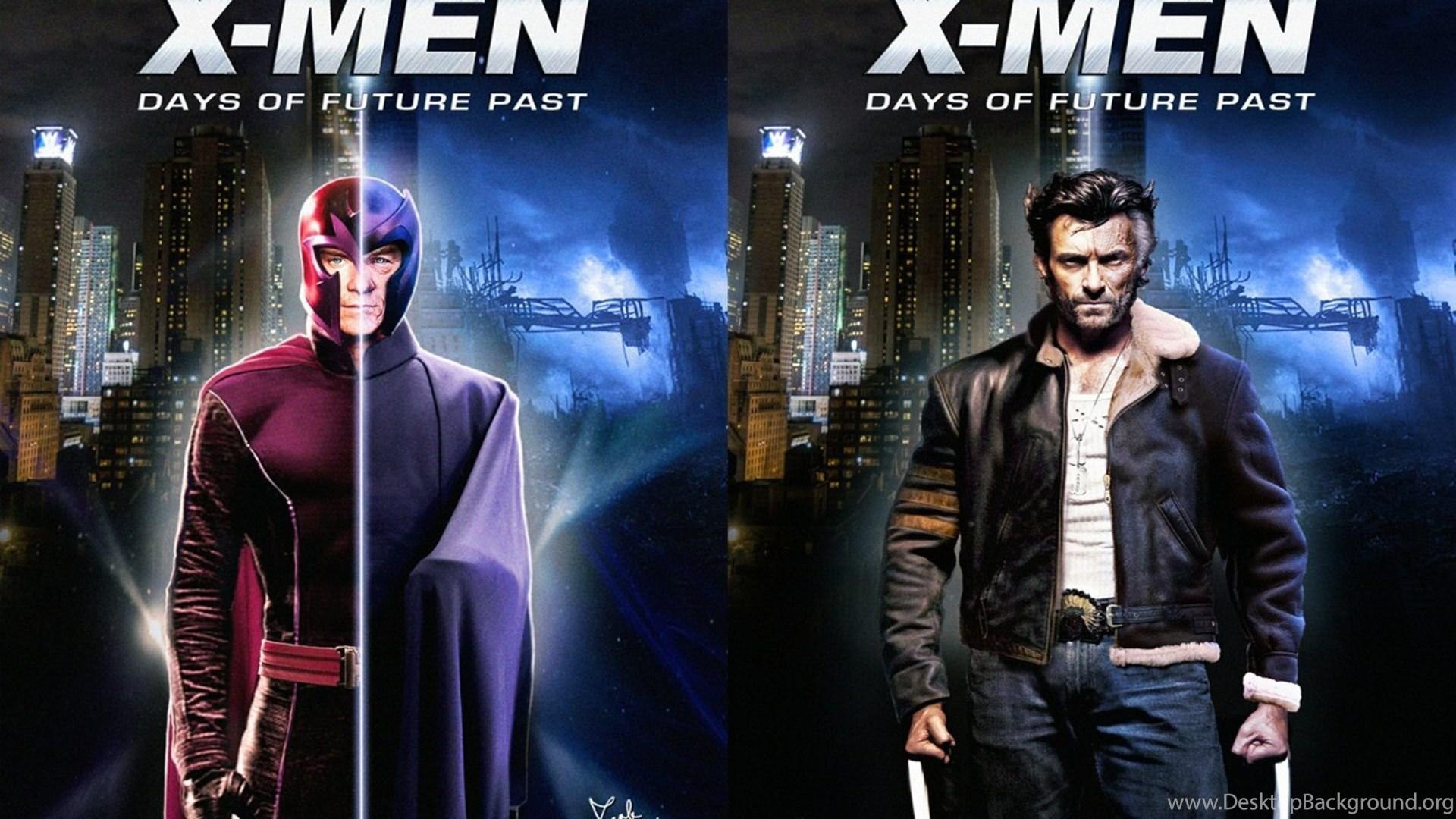
Why Wolverine? The Necessity of the Healing Factor
One of the biggest points of discussion regarding Elliot Page's role is why Kitty Pryde sends Wolverine back instead of going herself or sending a more diplomatically gifted character like Charles Xavier.
The film provides a clear technical explanation: the physical and mental strain of time travel is lethal. Sending a consciousness back a few days (as she did with Bishop) is manageable. Sending a consciousness back 50 years (from 2023 to 1973) would shred the mind of any normal human or mutant.
Wolverine is the only candidate because of his regenerative healing factor. His brain and body can constantly repair the damage caused by the temporal displacement. As Kitty explains in the film, the process is akin to a "physical and mental assault." Because Logan’s mind can heal from the trauma as quickly as it occurs, he is the only person capable of surviving the decades-long "jump." This creates a high-stakes dynamic where Kitty must remain in a state of constant, agonizing focus to keep Logan in the past, even as she is physically injured during the Sentinel assault in the future.
Deviations from the Source Material
For fans of the original 1981 comic book "Days of Future Past" by Chris Claremont and John Byrne, the movie’s use of Kitty Pryde was both a tribute and a significant departure.
| Feature | Comic Book Version (1981) | Film Version (2014) |
|---|---|---|
| Time Traveler | Kitty Pryde (Adult Kitty to Young Kitty) | Logan/Wolverine (Adult mind to 1973 body) |
| Facilitator | Rachel Summers | Kitty Pryde (Elliot Page) |
| Mechanism | Psionic/Telepathic projection | Chronoskimming (Phasing evolution) |
| Destination | 1980 | 1973 |
| Primary Goal | Stop the assassination of Senator Kelly | Stop the assassination of Bolivar Trask |
In the comics, it is actually an older version of Kitty Pryde who sends her consciousness back into her younger self. Rachel Summers (the daughter of Scott Summers and Jean Grey) is the one with the psychic power to facilitate the transfer. The film swapped these roles. Director Bryan Singer and the writers chose to make Wolverine the traveler because of his popularity and his ageless nature, which allowed Hugh Jackman to play the character in both timelines. Consequently, they shifted the "facilitator" role to Kitty Pryde to ensure the character remained a central part of the story.
The Rogue Cut: An Essential Distinction
When discussing Elliot Page’s performance and the "explanation" of the movie, one cannot ignore the existence of The Rogue Cut. This alternative version of the film, released in 2015, significantly alters Kitty Pryde’s arc in the final act.
In the theatrical version, Kitty is accidentally stabbed by Wolverine’s claws while he is having a "time-fracture" seizure. Despite her wound, she continues to hold the connection until the very end. In The Rogue Cut, however, her injury is treated as much more severe. The X-Men realize she cannot hold on, leading them to rescue Rogue (Anna Paquin) from the ruins of the X-Mansion.
Rogue then uses her power-absorption ability to take Kitty’s chronoskimming powers and take over the process of keeping Logan in the past. This version adds more depth to the stakes and explains how Kitty was able to survive such a grievous injury while maintaining a complex temporal link. For fans looking for the "full" explanation of the mechanics, The Rogue Cut provides a more detailed look at the physical toll the process takes on Kitty.
Elliot Page’s Performance and Casting Significance
Elliot Page’s return to the franchise in 2014 was a major selling point for the film. Having first played Kitty Pryde in X-Men: The Last Stand, Page brought a sense of maturity and weariness to the character that suited the "Future" segments of the movie.
As of 2026, looking back at this role, it remains a standout in Page’s career. At the time of filming, the actor was credited under his former name, but in the years since, the character’s legacy has been embraced by fans as part of Page’s broader filmography. The role required a great deal of "internal" acting—Page spent most of the movie sitting in a fixed position, conveying the immense strain, pain, and hope of the character through facial expressions and vocal cues.
This performance anchored the emotional weight of the future timeline. While the 1973 segments were filled with action and 70s flair, the 2023 segments (the "Present" of the film) were a somber chamber piece. Page’s chemistry with the veteran cast, including Patrick Stewart and Ian McKellen, helped establish Kitty as a peer to the original X-Men rather than just a student.
The Technical Execution of the Time Travel Scenes
The visual effects used to explain Kitty’s powers in Days of Future Past were distinct from her previous appearances. When Kitty phases through walls, the effect is a subtle ripple or "shimmer." For the chronoskimming, the VFX team utilized a more aggressive, flickering light effect around her hands and the subject’s head.
This visual language was meant to represent the "friction" of time. The sound design also played a role; a low-frequency hum accompanied the scenes where Kitty was holding the connection, which would pitch up or distort whenever the timeline was in danger of collapsing. These technical choices helped the audience understand that what Kitty was doing was fundamentally different—and much more dangerous—than her standard phasing.
Legacy and Impact on the X-Men Timeline
The events of Days of Future Past essentially "reset" the X-Men cinematic universe. Because Kitty successfully held the connection long enough for Logan to prevent the assassination of Bolivar Trask, the dark future where she and the other X-Men die was erased.
From a narrative standpoint, Kitty Pryde is the savior of the X-Men. Without her specific evolution of power, the timeline would have remained on its path toward mutant genocide. This makes Elliot Page’s character arguably the most powerful version of Kitty Pryde ever seen on screen.
The film’s success and the popularity of the Kitty Pryde character even sparked rumors for years about a solo movie directed by Tim Miller (codenamed 143), though that project was eventually shelved following the Disney-Fox merger. Nonetheless, Page’s portrayal remains the definitive live-action version of the character, specifically because of how the movie elevated her from a supporting player to the lynchpin of reality itself.
FAQs
Why does Kitty have time travel powers in this movie but not others?
In the context of the film, this is presented as an evolution of her existing phasing powers. Under the extreme pressure of the Sentinel war, Kitty learned to phase a person's consciousness through time rather than just phasing physical matter through space. This is often referred to by fans as a "secondary mutation."
Did Elliot Page do his own stunts in the film?
While the future segments involved less physical combat for Kitty than the 1973 segments did for other characters, Page was involved in several high-intensity sequences involving the Sentinel attacks. Most of his "stunt" work involved the wirework and practical effects used when the X-Men’s mountain hideout was breached.
How does the "Rogue Cut" change Kitty’s story?
In The Rogue Cut, Kitty is too injured to finish the time-travel process after Wolverine accidentally stabs her. Rogue is brought in to absorb Kitty’s powers and take her place. In the theatrical version, this subplot is removed, and Kitty remains the sole facilitator of the time travel despite her injuries.
Is the Kitty Pryde in Days of Future Past the same one from The Last Stand?
Yes, it is the same character within the original Fox X-Men continuity. The film serves as a sequel to both X-Men: The Last Stand and X-Men: First Class, attempting to reconcile the timelines.
Why couldn't Professor X send someone back instead?
The film explains that the process of sending a mind back decades is physically and mentally destructive. While Xavier has the psychic power to reach minds, he does not have the "phasing" ability to bridge the gap of time, nor does he (or anyone else but Logan) have the physical durability to survive the temporal journey.
Practical Recommendation for Viewers
If you are looking to fully understand the mechanics of Kitty Pryde’s powers and her role in the franchise, it is highly recommended to watch The Rogue Cut of X-Men: Days of Future Past. This version provides approximately 17 minutes of additional footage that clarifies the physical toll the "chronoskimming" takes on Kitty and provides a more logical transition for how the X-Men survive the final Sentinel assault. Furthermore, viewing the film as a bridge between the 2006 The Last Stand and the newer timeline helps contextualize why Elliot Page's character was chosen as the pivotal figure in saving the mutant race.
Image Gallery
Select an image to open it in a new tab.


Vivian Cho
Executive IT and Emerging Technologies Reporter
