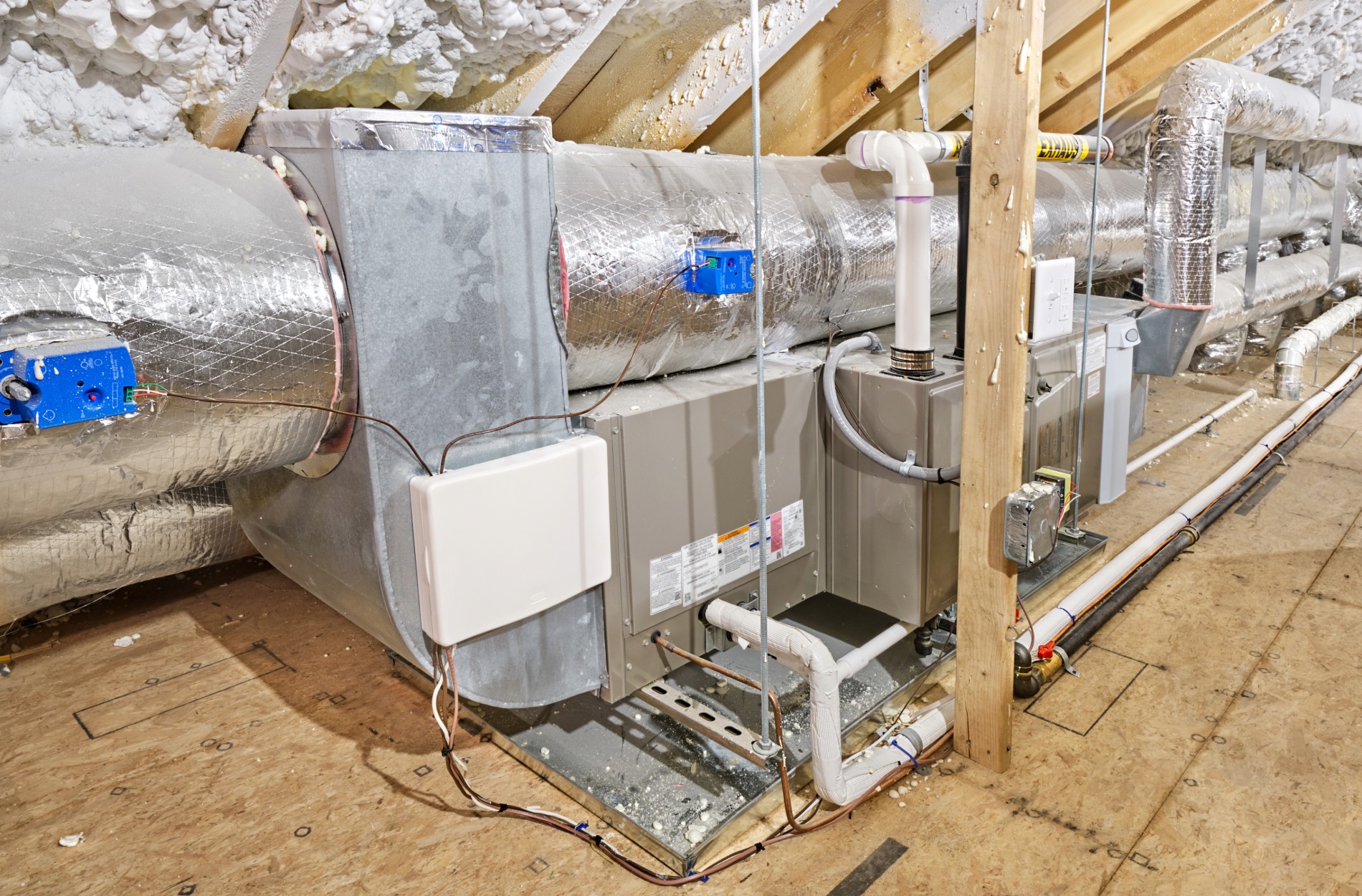
Cold air blowing from your furnace is often a normal part of the system’s operational cycle, such as during the pre-purge or post-purge phases, or because the thermostat fan setting is set to "On" rather than "Auto." In many cases, what feels like a malfunction is actually a safety protocol or a simple configuration oversight that does not require professional repair.
Feeling a chilly draft when you expect a warm embrace from your heating system is a common source of anxiety for homeowners. However, understanding the mechanical logic of a modern HVAC system in 2026 reveals that "cold air" is frequently a byproduct of efficiency and safety rather than a sign of a terminal breakdown. Before you assume your heat exchanger has failed or your gas valve is stuck, it is essential to distinguish between a system that is broken and one that is simply performing its programmed duties.
The Mechanical Logic of the Heating Cycle
To understand why cold air occurs, one must first understand the sequence of operations within a standard gas or electric furnace. A furnace does not instantly produce heat the moment the thermostat clicks. Instead, it follows a strict protocol managed by the integrated furnace control (IFC) board.
The Pre-Purge Phase
When the thermostat calls for heat, the first component to energize is the inducer motor. This small fan clears the combustion chamber of any residual gases from the previous cycle, ensuring a safe ignition. During this 30- to 60-second "pre-purge" period, the main blower might occasionally engage depending on the control board’s logic, or you may simply feel the movement of air already in the ducts. This air will be at room temperature, which feels cold against skin that is 98.6 degrees Fahrenheit.
The Blower Delay
Most furnaces are programmed with a "blower-on delay." This delay prevents the main blower fan from pushing air through the vents until the heat exchanger has reached a specific temperature. If the blower starts too early, it will circulate the cold air sitting in your ductwork. In some older or slightly miscalibrated systems, this delay may be too short, leading to a few moments of cold air before the heat truly kicks in.
The Post-Purge Phase
Once the thermostat reaches the desired temperature, it signals the gas valve to close. However, the heat exchanger remains incredibly hot. To prevent the heat exchanger from cracking due to thermal stress and to squeeze every bit of paid-for heat into your home, the blower continues to run for several minutes. Toward the end of this "post-purge" cycle, the air temperature will drop significantly as the exchanger cools, often feeling like a cold draft right before the system shuts off completely.
The "Fan On" vs. "Fan Auto" Setting
The most frequent reason a homeowner experiences cold air is a simple setting on the thermostat. Every thermostat has a toggle for the fan, usually labeled On and Auto.
- Auto Mode: The fan only runs when the furnace is actively heating the air. Once the heating cycle finishes, the fan stops.
- On Mode: The fan runs 24 hours a day, regardless of whether the furnace is burning gas or using electric elements to heat the air.
When the fan is set to "On," it continues to circulate air through the house even during the "off" cycles of the furnace. This air is not being heated; it is simply being filtered and moved. While this is excellent for air purification and preventing stagnant spots in a large home, it can create the sensation of a cold breeze coming from the vents. If you notice cold air blowing consistently even when the furnace isn't "running," check your thermostat. Switching it back to "Auto" usually resolves the issue immediately.

Thermal Perception vs. Actual Temperature
A common misconception involves the human body’s perception of "warm" air. Most furnaces are designed to produce a "temperature rise" of about 30 to 60 degrees Fahrenheit over the return air temperature. If your home is 68 degrees, the air coming out of the vent might be 100 to 110 degrees.
While 110 degrees is significantly warmer than the room, air moving at a high velocity can create a "wind chill" effect on human skin. Furthermore, if you have a high-efficiency heat pump system (common in modern 2026 dual-fuel setups), the "warm" air it produces is often only 85 to 90 degrees. While this is sufficient to heat the room, it is lower than your body temperature, making it feel "cold" to the touch even though it is technically heating the space.
Multi-Stage and Variable Speed Systems
As we move through 2026, more homes are equipped with high-efficiency, multi-stage, or variable-speed furnaces. These systems are designed to run for longer periods at lower speeds to maintain a consistent temperature and improve air filtration.
In a traditional single-stage furnace, the heat is either 100% on or 100% off. In a multi-stage system, the furnace might run at 40% capacity for a long duration. Because the air is moving more slowly and is not as hot as the air from a single-stage blast, it may feel "lukewarm" or "cool" compared to what you are used to. This is not a defect; it is a feature of high-efficiency climate control intended to prevent the "yo-yo" effect of rapid temperature swings.
Safety Protocols: The Limit Switch
Sometimes, cold air is a sign that the furnace is working correctly by shutting itself down to prevent a fire. This is usually managed by the limit switch.
The limit switch monitors the temperature of the heat exchanger. If the heat exchanger gets too hot—usually due to restricted airflow—the limit switch will shut off the gas burners to prevent the metal from melting or cracking. However, the blower fan will continue to run at full speed to cool the heat exchanger down as quickly as possible.
In this scenario, you will feel cold air blowing because the burners are off for safety, but the fan is working overtime. This is "not a problem" in the sense that the safety system is doing its job, but it does indicate a maintenance need—most commonly a dirty air filter that needs to be replaced to restore proper airflow.
Troubleshooting Cold Air Scenarios
Before calling a technician, use the following table to determine if the cold air you feel is a normal function or a minor DIY fix.
| Symptom | Potential Cause | Assessment |
|---|---|---|
| Cold air for 30 seconds at start | Pre-purge cycle | Normal Operation: System is clearing gases. |
| Cold air for 2 minutes after heat stops | Post-purge cycle | Normal Operation: System is cooling the exchanger. |
| Constant cold air, burners never light | Fan set to "On" | Setting Issue: Change thermostat to "Auto." |
| Cold air intermittently during day | Smart Thermostat "Circulate" mode | Feature: Check your smart app settings for air circulation. |
| Air starts warm, then turns cold and stays cold | Overheating / Limit Switch | Maintenance Needed: Check for a clogged air filter. |
| Cold air from only one vent | Ductwork leak or disconnect | Structural Issue: Inspect ductwork in attic/crawlspace. |
The Role of Ductwork and Insulation
Often, the furnace is performing perfectly, but the "delivery system" is the culprit. If your ductwork runs through an unconditioned attic or crawlspace, the air inside those ducts will cool down to the ambient temperature of those spaces between cycles.
When the furnace first kicks on, it must push out all that "slug" of cold air sitting in the pipes before the warm air reaches your registers. In a large home, this can take a minute or more. If your ducts are poorly insulated, the warm air loses significant energy as it travels from the furnace to the far reaches of the house, resulting in air that feels tepid or cool by the time it reaches your bedroom.
In the current 2026 housing market, many homeowners are opting for duct sealing and aero-sealing technologies. These processes close the tiny gaps in ductwork that allow cold attic air to be sucked into the system, ensuring that the air leaving the furnace arrives at the vent at the intended temperature.
Environmental Factors and High-Efficiency Units
If you are using a high-efficiency condensing furnace (identifiable by its white PVC exhaust pipes), it operates differently than older atmospheric models. These units extract so much heat from the combustion process that the exhaust gas itself is cool enough to be vented through plastic.
These units often use "sealed combustion," drawing air from the outside. On extremely cold days in early 2026, the initial air movement through the system involves very cold components. It takes a few extra moments for the high-efficiency secondary heat exchanger to prime. During this window, the air may feel cooler than it would in an older, less efficient "gas-guzzler" furnace.
When Cold Air IS a Problem: A Brief Distinction
While this article focuses on why cold air isn't always a disaster, it is vital to know when the situation has shifted from "operational quirk" to "mechanical failure."
- The Flame Sensor: If the furnace lights for a few seconds and then shuts off, blowing cold air, the flame sensor is likely dirty. The system doesn't "see" the flame, shuts off the gas for safety, and runs the fan to clear the chamber.
- Igniter Failure: If you hear the inducer motor (a small whirring sound) and then the blower starts, but you never hear the "whoosh" of ignition, your hot surface igniter may be cracked.
- Condensate Blockage: High-efficiency furnaces produce water. If the drain line is clogged, a pressure switch will prevent the burners from lighting, but the fan may still attempt to run.
FAQ
Why does my furnace blow cold air for a few minutes before getting warm?
This is usually the "blower delay" or the "pre-purge" cycle. The furnace must ensure the combustion chamber is safe and the heat exchanger is sufficiently warm before it begins pushing air into your living spaces. Without this delay, you would receive a blast of cold air every time the system started.
Is it okay to leave my furnace fan on "On" all the time?
Yes, it is safe, but it will lead to cold air blowing through the vents when the furnace isn't heating. The benefits include better air filtration and more even temperature distribution, but the downside is higher electricity usage and the "chilly" feeling of moving air.
Can a dirty air filter cause cold air?
Absolutely. A dirty filter restricts airflow, causing the furnace to overheat. When the internal temperature gets too high, the limit switch shuts off the burners as a fire-prevention measure, but the fan stays on to cool the unit down, resulting in cold air.
Why is the air coming out of my vents not as hot as it used to be?
If you have recently upgraded to a high-efficiency or multi-stage furnace, the air temperature is naturally lower. These systems move more air over a longer period at a lower temperature to save energy and provide more consistent comfort.
How do I know if my heat exchanger is the problem?
A cracked heat exchanger usually manifests as more than just cold air; you might notice a strange smell, soot, or your carbon monoxide detector may go off. If the furnace blows cold air but otherwise operates silently and safely without tripping alarms, the issue is likely a setting or a minor component like a flame sensor.
Final Recommendation
If your furnace is blowing cold air, your first action should be to check the thermostat fan setting. If it is set to "On," switch it to "Auto" and wait ten minutes. If the air continues to blow cold, replace your air filter with a fresh one to ensure maximum airflow. Most "cold air" complaints are solved by these two steps. Only if the air remains cold after these checks should you look toward more technical issues like the flame sensor or igniter. Regular annual maintenance—even in 2026—remains the best way to ensure these operational quirks don't turn into mid-winter emergencies.
Image Gallery
Select an image to open it in a new tab.

Akira Tanaka
International Academic Trends Correspondent
