
Basic life insurance and basic accidental death and dismemberment (AD&D) are employer-sponsored group benefits that provide financial protection to beneficiaries in the event of an insured individual's death or severe injury. Basic life insurance pays a death benefit for most causes of death, while basic AD&D provides additional funds specifically if death or specific physical losses result from a covered accident.
When navigating an employee benefits package in 2026, you will frequently encounter the terms "Basic Life" and "Basic AD&D" paired together. While they are distinct financial products, they function as a cohesive safety net. Employers typically provide these coverages at no cost to the employee, establishing a foundational level of financial security. However, understanding the nuances of how these policies interact, their specific exclusions, and their limitations is essential for effective legacy planning and risk management.
Defining Basic Life Insurance: The Core Benefit
Basic life insurance is a form of group term life insurance. Because it is a "term" policy, it does not accumulate cash value and only remains in force as long as the premium is paid and the individual remains eligible—usually through active employment.
How Benefit Amounts are Calculated
In most corporate environments, the "Basic" designation means the employer determines the coverage amount. This is generally structured in one of two ways:
- Flat Amount: Every eligible employee receives the same benefit, such as $25,000 or $50,000, regardless of their position or tenure.
- Salary Multiple: The benefit is tied to the employee's annual earnings. For example, a "1x annual salary" benefit means an employee earning $80,000 would have a $80,000 life insurance death benefit.
Tax Implications of Group Life Insurance
Under IRS Section 79, the first $50,000 of employer-paid group term life insurance is a tax-free benefit to the employee. If an employer provides coverage exceeding $50,000, the "value" of the premium for the coverage above that limit is considered taxable income. This is known as imputed income. In 2026, the IRS continues to use "Table I" rates to calculate this value based on the employee's age, which is then reported on the employee's W-2.
Beneficiary Designations
A critical component of basic life insurance is the beneficiary designation. This is a legal instruction to the insurance carrier regarding who should receive the proceeds. Unlike a will, which must go through probate, life insurance proceeds are generally paid directly to the named beneficiary. It is vital to keep these designations updated following major life events such as marriage, divorce, or the birth of a child.
Defining Basic Accidental Death and Dismemberment (AD&D)
Basic AD&D is a more specialized form of insurance that provides benefits only under specific circumstances involving an accident. It is almost always bundled with basic life insurance as a "double indemnity" feature, though it can stand alone.
The Scope of "Accidental Death"
For the AD&D benefit to trigger a payout for death, the cause must be strictly accidental. This generally excludes deaths caused by natural causes (heart attacks, strokes, or cancer), suicide, or surgery. The death must usually occur within a specific timeframe following the accident—often 90 to 365 days—to be considered a direct result of the event.
The "D" in AD&D: Dismemberment and Loss of Use
The unique aspect of AD&D is that it can pay out while the insured is still alive. If an accident results in a significant physical loss, the policy pays a percentage of the total benefit amount. This is referred to as the Schedule of Benefits. Common examples include:
- Loss of two limbs or sight in both eyes: 100% of the benefit amount.
- Loss of one hand, one foot, or sight in one eye: 50% of the benefit amount.
- Loss of speech or hearing: 50% to 100% depending on the policy language.
- Loss of thumb and index finger on the same hand: 25% of the benefit amount.
Limitations of AD&D
It is important to emphasize that AD&D is not a replacement for disability insurance. While it provides a lump-sum payment for specific losses, it does not provide ongoing income replacement for those unable to work due to illness or general injuries that do not meet the "dismemberment" criteria.
How Basic Life and Basic AD&D Work Together
The most common point of confusion is how these two policies interact during a claim. They are designed to be additive. If an employee has $50,000 in Basic Life and $50,000 in Basic AD&D, the total potential payout depends on the cause of death.
Scenario A: Death by Natural Causes
If an employee dies from a chronic illness or a sudden medical event like a pulmonary embolism, the Basic Life insurance policy pays $50,000 to the beneficiary. The AD&D policy pays $0 because the death was not accidental.
Scenario B: Death by Accident
If an employee dies in a car accident, the Basic Life policy pays $50,000. Additionally, because the death was accidental, the Basic AD&D policy also pays $50,000. The beneficiary receives a total of $100,000. This is the "double indemnity" often cited in insurance literature.
Scenario C: Non-Fatal Dismemberment
If an employee loses a leg in an industrial accident but survives, the Basic Life policy pays nothing. However, the AD&D policy will pay out based on the schedule—likely 50% of the benefit amount ($25,000 in this example)—to help with immediate medical costs or lifestyle adjustments.
Comparison: Basic Life vs. Basic AD&D
| Feature | Basic Life Insurance | Basic AD&D |
|---|---|---|
| Primary Trigger | Death from almost any cause. | Accidental death or specific loss of limb/function. |
| Living Benefits | Usually none (unless "Accelerated Death Benefit" applies). | Yes, for dismemberment, paralysis, or loss of sight/hearing. |
| Exclusions | Suicide (within first 2 years usually), acts of war. | Illness, surgery, DUI accidents, high-risk hobbies, suicide. |
| Employer Cost | Typically 100% employer-paid for basic levels. | Typically 100% employer-paid when bundled. |
| Taxability | Imputed income for coverage > $50,000. | Generally not subject to imputed income rules. |
| Benefit Amount | Often 1x salary or a flat dollar amount. | Usually matches the Basic Life amount. |
Eligibility and Enrollment in 2026
In 2026, most group insurance plans utilize "Passive Enrollment" for basic benefits. This means that if you are a full-time employee meeting the eligibility criteria (often 30+ hours per week), you are automatically enrolled in basic life and AD&D once you complete your waiting period (usually 0 to 90 days).
Guaranteed Issue
One of the most significant advantages of "Basic" coverage is that it is typically Guaranteed Issue. This means you do not have to provide evidence of insurability (EOI) or undergo a medical exam to receive the benefit. This makes basic life insurance an essential resource for individuals with pre-existing conditions who might find individual private policies prohibitively expensive or impossible to obtain.
Portability and Conversion
Because these are group policies, coverage typically ends when your employment ends. However, most 2026 policies include two options for maintaining coverage:
- Portability: You "port" the group term policy to a private term policy. This is often subject to the insurer's approval and may have age limits.
- Conversion: You convert the group policy into an individual permanent (whole life) policy. You do not need a medical exam for this, but the premiums will be significantly higher than the group rates.
Limitations and Common Exclusions
While basic life and AD&D offer valuable protection, they are not exhaustive. Users must be aware of "The Fine Print" that can lead to denied claims or insufficient coverage.
AD&D Exclusions
AD&D policies are notorious for strict exclusions. Common reasons for claim denial include:
- Intoxication: If the insured was under the influence of alcohol or non-prescribed drugs at the time of the accident, the AD&D benefit is often voided.
- High-Risk Activities: Deaths resulting from skydiving, auto racing, or bungee jumping are frequently excluded.
- Professional Pilots: Many group policies exclude accidents occurring while the insured is operating an aircraft.
- War and Terrorism: Deaths resulting from active participation in a riot or acts of war are generally not covered.
The "Gap" in Coverage
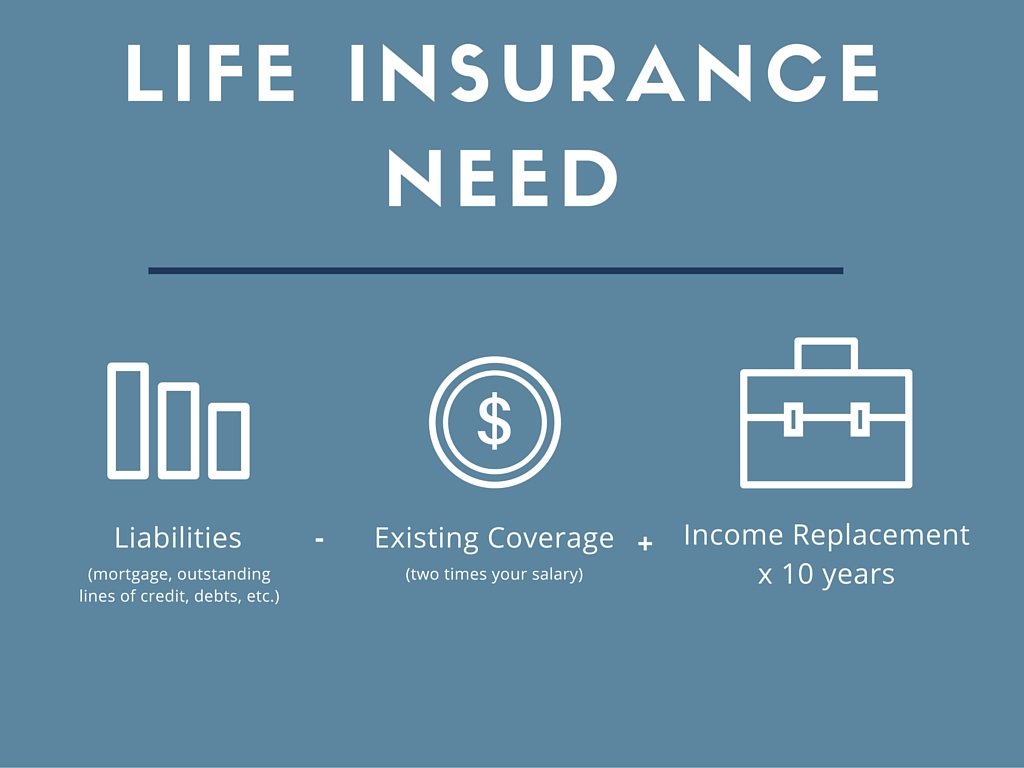
For most families, a "1x salary" benefit is insufficient. Financial experts often recommend having 7 to 10 times your annual income in total life insurance coverage. Basic life insurance is a starting point, but it rarely covers a mortgage, children's education, and long-term income replacement for a surviving spouse.
Supplementing Basic Coverage: Voluntary Options
To bridge the gap between basic coverage and actual financial needs, many employers offer Voluntary Life and AD&D.
Unlike basic coverage, voluntary coverage is:
- Employee-Paid: Premiums are deducted from your paycheck post-tax.
- Subject to EOI: If you elect a high amount (e.g., over $150,000), you may need to answer health questions or undergo a physical.
- Flexible: You can often choose coverage for your spouse and children as well.
In 2026, many employees choose to supplement their basic employer-paid coverage with a private individual policy. This ensures that if they change jobs, their primary life insurance protection remains intact and doesn't rely on the "portability" clauses of an employer's plan.
Beneficiary Management and Claim Processes
The effectiveness of basic life and AD&D hinges on the ability of the beneficiary to file a successful claim. In 2026, most carriers have moved to digital-first claim portals, but the required documentation remains consistent.
Filing a Claim
To initiate a claim, the beneficiary or the employer's HR department must submit:
- A Certified Death Certificate: This must state the cause of death.
- A Completed Claim Form: Provided by the insurance carrier.
- Accident Reports: For AD&D claims, police reports or toxicology reports are often required to prove the death was accidental and not subject to exclusions.
Common Mistakes
- Naming Minors as Direct Beneficiaries: Life insurance companies cannot pay funds directly to minors. If a minor is named without a trust or legal guardian framework, the court must intervene, delaying the payout for months.
- Ignoring the Secondary Beneficiary: Always name a "contingent" beneficiary. If the primary beneficiary passes away before or at the same time as the insured, the contingent beneficiary receives the proceeds.
- Failing to Communicate: Ensure your beneficiaries know that the coverage exists and where to find the policy details or the employer's HR contact information.
Frequently Asked Questions
Does basic life insurance cover suicide?
Most group basic life insurance policies include a suicide clause, though it is usually less restrictive than individual policies. In many group contracts, suicide is covered if the employee has been enrolled in the plan for at least two years. However, Basic AD&D never covers suicide, as it is not considered an accident.
Can I have both Basic Life and a private life insurance policy?
Yes. It is often recommended to use basic life as a "bonus" and maintain a private policy as your primary coverage. Life insurance benefits from multiple policies are cumulative, meaning your beneficiaries will receive the payouts from every active policy you hold at the time of death.
What happens to my Basic Life and AD&D if I go on disability leave?
Most 2026 group policies include a "Waiver of Premium" provision. If you become totally disabled before a certain age (usually 60 or 65), the insurance company may waive your premiums and keep your life insurance in force for a specific period, even if you are no longer actively working.
Is AD&D worth it if I already have Life Insurance?
Since "Basic" AD&D is typically free to the employee, it is always worth having. However, if you are considering purchasing voluntary AD&D, you should evaluate your lifestyle. If you travel frequently or have a high-risk commute, the extra protection is valuable. If you are more concerned about death from illness, increasing your Life Insurance is a better priority.
How long does it take for a Basic Life insurance claim to pay out?
Once the insurance company receives all required documentation (claim forms and death certificates), most claims are processed within 30 days. AD&D claims can take longer—sometimes several months—if an investigation is required to verify the accidental nature of the death.
Recommendation for Next Actions
If you are reviewing your benefits for the 2026 plan year, your first step should be to log into your employee portal and verify your beneficiary designations. It is the single most common point of failure in life insurance administration.
Secondly, calculate your "coverage gap." Subtract your total basic life benefit from your total financial obligations (mortgage, debts, 10 years of salary). If there is a significant shortfall, consider enrolling in Voluntary Life Insurance during your open enrollment period or seeking an individual term life policy from a private broker to ensure your family remains protected regardless of your employment status.
Image Gallery
Select an image to open it in a new tab.
Ingrid Bjornson
Global Cyber Policy and Regulation Analyst
