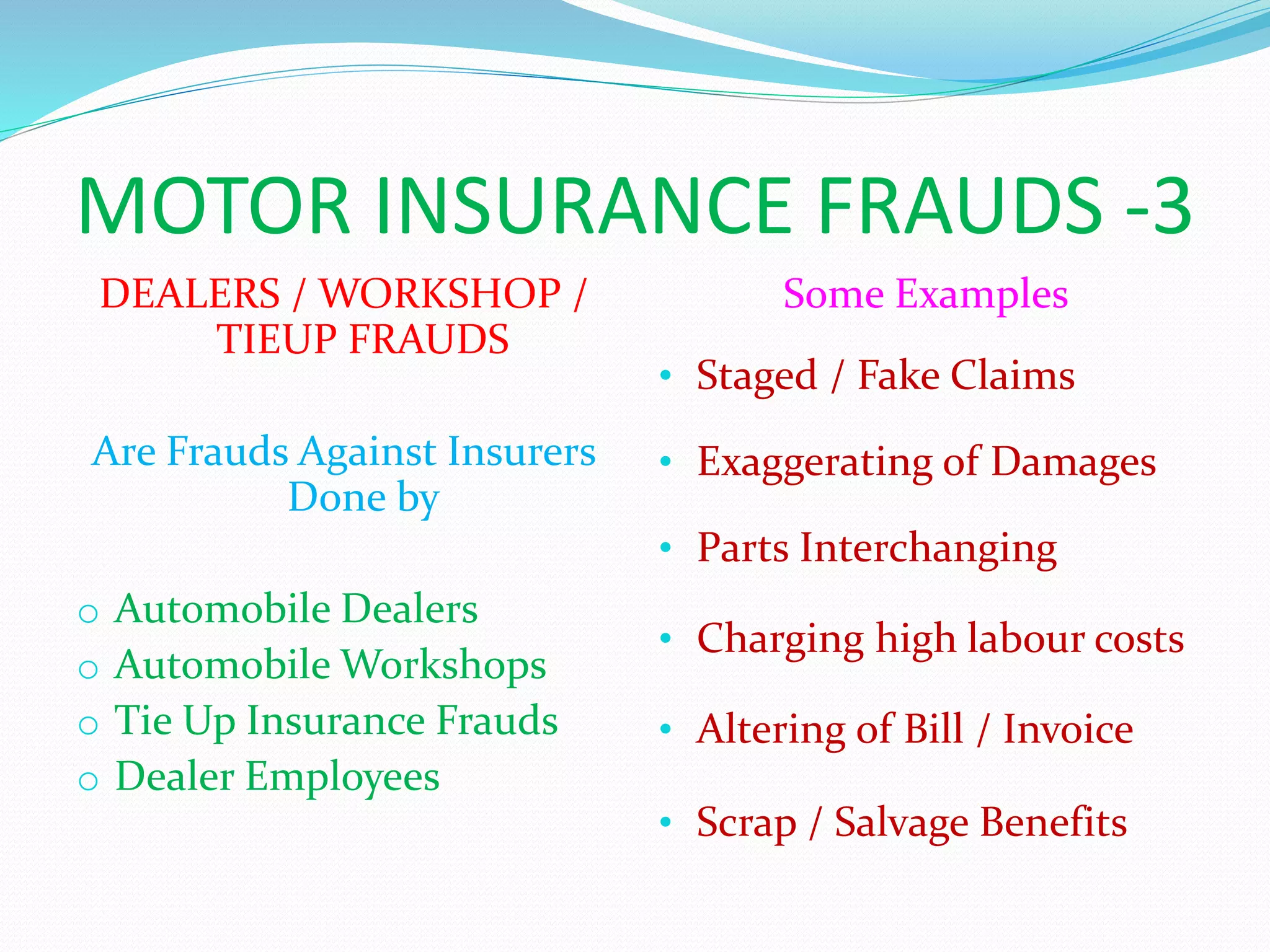
Auto dealer insurance is a specialized commercial package designed to protect motor vehicle dealers from the unique risks associated with buying, selling, repairing, and test-driving vehicles. Because dealerships manage high-value inventory, interact with the public, and perform mechanical work, their insurance premiums are influenced by inventory value, location, claims history, and specific coverage requirements mandated by state regulators.
Understanding the Components of Dealer Insurance Costs
The cost of insurance for an auto dealership is not a fixed rate; it is a composite premium derived from several distinct coverage lines. To understand why your business pays a specific amount, you must first break down the "Garage Policy," which serves as the foundation for most dealerships.
The Garage Liability Component
Garage liability insurance is the primary pillar for any dealership. It covers bodily injury and property damage resulting from operations, such as a customer slipping in your showroom or an accident occurring during a test drive. In 2026, underwriters evaluate this cost based on the number of employees, the nature of the vehicles sold (e.g., high-performance vs. family sedans), and the average volume of daily test drives.
Dealer Open Lot (DOL) Coverage
This is often the most expensive component for a dealership. Dealer Open Lot insurance covers your inventory—the cars themselves—against fire, theft, vandalism, and weather-related damage such as hail. Because this coverage is directly tied to the total value of your lot at any given time, fluctuations in inventory levels can cause significant changes in your monthly premium. Dealers who maintain high-value luxury inventories will naturally face higher premiums than those dealing in economy, high-turnover vehicles.
Garagekeepers Legal Liability
This component protects your business when a customer’s vehicle is in your care, custody, or control. If a customer’s car is damaged while in your service bay—whether due to an employee error, a fire in the shop, or theft—this policy covers the loss. The cost here is determined by the maximum limit of liability required by your service contracts and the estimated value of the vehicles you typically service.
Factors That Influence Your Premium
Insurance carriers use sophisticated actuarial models to determine premiums. While you cannot change the broader economic environment in 2026, you can influence the specific data points that impact your risk score.
| Factor | Impact on Cost | Explanation |
|---|---|---|
| Inventory Value | High | Higher vehicle values increase the potential payout for a total loss claim. |
| Claims History | High | A history of frequent small claims suggests poor risk management and raises premiums. |
| Security Measures | Moderate | Gated lots, surveillance, and lighting can result in "loss control" credits. |
| Location | Moderate | Regions prone to extreme weather (hail, floods) or higher crime rates increase base rates. |
| Employee Training | Low to Moderate | Certified drivers and trained technicians reduce the probability of accidents. |
Risk Management and Loss Control
Insurance providers look favorably upon dealerships that actively mitigate risk. A dealership that employs formal driver screening processes for employees—running MVR (Motor Vehicle Record) checks annually—is statistically less likely to experience a major liability claim. Furthermore, installing robust GPS tracking for inventory and implementing strict key management protocols can lead to substantial premium discounts under your Dealer Open Lot coverage.
Comparing Costs by Dealership Type
The "type" of dealership significantly dictates the premium structure. For example, a franchised dealership selling new vehicles often has contractual requirements from the manufacturer regarding the minimum liability limits they must maintain.
Independent dealerships, which may deal in older, used inventory, face different pressures. Their costs are often driven by the "average vehicle age" and the security of their storage facility. If you are operating a wholesale dealership with no physical lot, your premiums may be significantly lower, as you are not exposing a high concentration of inventory to physical perils.
Legal and Regulatory Prerequisites
In most jurisdictions, you cannot obtain a dealer license without providing proof of a surety bond and a garage liability insurance policy. In 2026, state-specific mandates continue to dictate the minimum liability limits required to operate. Failing to maintain these minimums results in the immediate suspension of your dealer license.
It is important to consult your state’s Department of Motor Vehicles (DMV) or local licensing body to confirm current minimums. Note that these are only legal minimums; carrying only the bare minimum often leaves a dealership dangerously exposed to catastrophic financial loss in the event of a multi-car accident or a lot-wide disaster.
How to Evaluate Insurance Quotes
When requesting quotes from carriers, transparency is your best asset. Provide accurate data regarding:
- Annual payroll: This is a key metric for general liability and workers' compensation.
- Average inventory value: Be prepared to provide an audit of your peak inventory levels.
- Primary business activity: Are you strictly retail, or does your business model include significant wholesale or heavy mechanical repair work?
Avoid the temptation to undervalue your inventory to save on premiums. "Coinsurance clauses" in commercial policies can penalize you if you under-report inventory, leading to significantly reduced payouts during a claim. Always ensure your coverage limits reflect the true replacement cost of your assets.
Frequently Asked Questions
What is the difference between Garage Liability and General Liability? General Liability covers your standard business operations, such as a customer slipping on a wet floor in your office. Garage Liability is specific to the automobile industry and covers operations related to vehicles, including test drives, transporting inventory, and vehicle-related property damage.
Why did my insurance premium increase this year? Premiums in 2026 are heavily influenced by the rising cost of vehicle repair and parts. If the average cost to repair a modern vehicle with advanced driver-assistance systems (ADAS) increases, your Garagekeepers coverage costs will likely rise accordingly, as the potential liability for the insurer grows.
Can I get a discount if I have a secure, gated lot? Yes. Most insurers provide "loss control" credits for physical security. Features like perimeter fencing, recorded video surveillance, and motion-activated lighting demonstrate a lower probability of theft and vandalism, which directly translates to a lower premium.
Does my insurance cover customers during a test drive? Yes, provided your Garage Liability policy is written correctly. It is essential to ensure that your policy includes "drive-away" coverage, which protects the dealership if a customer causes an accident while driving one of your vehicles.
How often should I review my insurance coverage? You should conduct a full review of your insurance coverage at least once every 12 months, or whenever your business model changes. If you expand your service department, start a rental division, or increase your inventory size, your policy needs to be updated to ensure you are not underinsured.
Next Steps for Dealership Owners
If you are currently evaluating your insurance costs, start by requesting a "Loss Run Report" from your current carrier. This document summarizes all claims filed over the past three to five years. Present this report to potential new insurers to show that you are a managed risk.
For 2026, the most effective way to optimize costs is to combine comprehensive risk management—such as rigorous employee driver vetting and high-standard lot security—with a multi-quote comparison process. Always work with an agent who specializes in commercial automotive insurance, as generalist brokers often overlook industry-specific nuances that can lead to gaps in coverage or unnecessary overpayment.
Image Gallery
Select an image to open it in a new tab.
Celine Dubois
Contemporary Living and Global Arts Columnist
