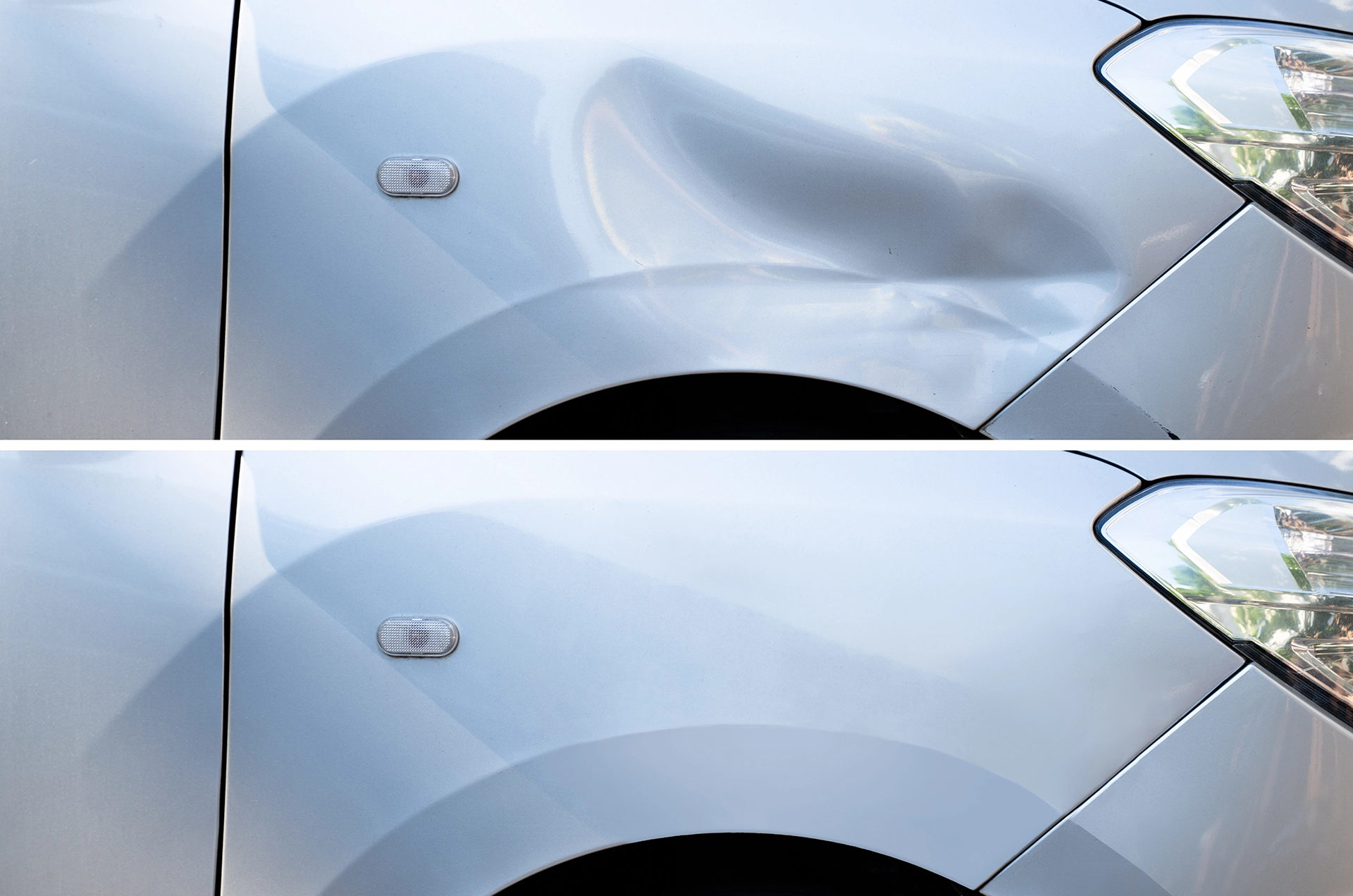
Repairing a car dent requires a systematic assessment of the damage, the material of the body panel, and the integrity of the paint finish. Before deciding whether to attempt a DIY repair or consult a professional, you must determine if the metal has been stretched, if the paint is cracked, and whether the dent is located on a structural support member or a simple body panel.
Understanding Dent Types and Repair Feasibility
Not all dents are created equal. The most critical factor in your repair strategy is whether the dent is "sharp" or "soft." A soft, rounded dent is often the result of low-impact pressure and is usually the best candidate for Paintless Dent Repair (PDR). A sharp dent, characterized by deep creases or V-shaped indentations, suggests the metal has been stretched beyond its elastic limit, which typically requires professional bodywork and potentially body filler.
Beyond the shape, you must inspect the paint. If the paint is chipped, cracked, or flaked off, the bare metal is exposed to the elements. Corrosion begins rapidly on unprotected automotive steel or aluminum. In such cases, the repair is no longer merely cosmetic; it is a rust-prevention necessity. If you see deep scratches that reveal primer or metal, traditional body repair involving sanding, filling, and repainting is almost always required.
Evaluating Access and Panel Composition
Before initiating any repair, you must determine how to access the backside of the dent. Many panels—particularly on hoods, trunks, and doors—feature inner skins or safety reinforcements. If you cannot reach behind the panel to apply pressure or utilize specialized tools, your repair options are limited to exterior-facing methods, such as glue pulling.
Modern vehicles frequently use high-strength steel or aluminum alloys. Aluminum, in particular, has a "memory" and is significantly more difficult to manipulate than traditional mild steel. Attempting to work a deep dent in an aluminum panel without the proper heat-control equipment and specialized PDR rods can lead to cracking or irreparable metal fatigue. Always check your vehicle’s service manual or consult a professional if your vehicle utilizes specialized lightweight materials.
DIY Methods: When to DIY and When to Call a Pro
If the dent is shallow, the paint is intact, and the location is accessible, a DIY approach can be effective. Conversely, if the dent involves sharp creases, is located on a body line (a structural fold in the metal), or covers a large surface area, DIY attempts often result in "high spots" or uneven surfaces that make the eventual professional repair more expensive.
Common DIY Repair Techniques
- Hot Water Method: This is effective for plastic bumper covers. By pouring near-boiling water over the affected area, you can soften the plastic, allowing you to reach behind the bumper and push the dent back into its original shape.
- Glue Pulling: This technique involves adhering specialized tabs to the exterior of the paint using a professional-grade hot melt adhesive. A bridge or slide hammer is then attached to the tab to pull the dent outward. This is a common PDR method, but it requires patience to avoid pulling the paint off the vehicle.
- PDR Rods: If you have access to the backside, you can use specialized metal rods to massage the dent out from the inside. This requires high-intensity lighting to see the "shadows" in the reflection of the panel, ensuring the metal is moved in small, controlled increments.
Comparative Overview of Repair Options
The table below outlines the trade-offs between various repair approaches based on damage severity and expected outcome.
| Method | Best For | Technical Complexity | Risk of Damage |
|---|---|---|---|
| Hot Water | Plastic bumpers | Low | Minimal |
| Glue Pulling | Minor, shallow dings | Moderate | Paint peeling |
| PDR Rods | Accessible, rounded dents | High | Sharp points/high spots |
| Body Shop Repair | Sharp creases, paint damage | Very High | Color mismatch |
Safety and Precautions
When working on car bodywork, safety is paramount. Always wear safety glasses, especially when using glue-pulling tools that are under high tension. If you are using a heat gun to warm metal or plastic, be mindful of proximity; excessive heat can melt plastic components, warp bumper clips, or burn the clear coat, permanently clouding the paint.
Furthermore, ensure the vehicle is properly supported if you are reaching into wheel wells or under the chassis to access panels. Never rely on a hydraulic jack alone; use certified jack stands. If you are uncertain about the location of airbag sensors or electrical wiring looms behind a panel, stop immediately. Striking these components can cause unintentional airbag deployment or damage sensitive vehicle electronics.
Troubleshooting Common Mistakes
The most common error in dent repair is "over-correcting." Beginners often apply too much force, pushing a depression into a raised lump or "high spot." Once the metal is stretched into a high spot, it is significantly harder to fix than the original dent.
Another frequent mistake is failing to clean the surface properly before using glue-pulling kits. Any wax, grease, or dirt remaining on the clear coat will prevent the glue from bonding correctly. This can lead to the tab popping off prematurely, which, while annoying, is better than the alternative: using a solvent that is too harsh and damaging the surrounding clear coat. Always use the manufacturer-recommended cleaning agent provided with your kit.
FAQ: Addressing Common Concerns
Can I fix a dent that has a scratch in the paint? Generally, no. If the paint is compromised, the repair requires sanding, applying body filler, priming, and repainting. PDR and glue-pulling are intended to restore the shape of the panel, not the finish. If you attempt these methods on damaged paint, you risk peeling the surrounding clear coat.
Is it cheaper to replace a panel than fix a large dent? Often, yes. If a panel has suffered significant structural deformation, a sharp crease, or impact damage that has stretched the metal beyond recovery, the labor hours required for a body shop to reconstruct the panel via metalworking and body filler can exceed the cost of purchasing a replacement panel and having it painted.
Does a fixed dent affect the vehicle's resale value? A professionally repaired, high-quality dent restoration is rarely a deterrent to resale. However, a "botched" DIY repair—characterized by uneven paint, clear coat peel, or wavy body lines—is immediately visible to buyers and can significantly decrease the value of the vehicle.
Why shouldn't I use a dry ice and hairdryer trick? While popular in viral media, the thermal shock of rapidly heating and cooling a metal panel can cause micro-fractures in the paint's clear coat. This can lead to premature paint failure months later. It is safer to use techniques designed specifically for automotive body materials.
When should I file an insurance claim for a dent? Filing a claim is generally recommended only if the repair cost exceeds your deductible by a substantial margin. For minor dents, the resulting increase in premiums over time often makes it more cost-effective to pay out-of-pocket for a reputable independent PDR specialist.
Professional Consultation and Next Steps
Before committing to a repair method, visit a professional body shop or a certified Paintless Dent Repair technician for an estimate. Even if you intend to complete the repair yourself, an expert's assessment can confirm whether your diagnosis of the damage is correct. Ask them if the panel is made of aluminum or steel and if they believe the metal is "work-hardened" or stretched.
If the damage is purely cosmetic and the paint is intact, prioritize finding a specialist who utilizes PDR. This method preserves your factory paint, which is critical for maintaining the vehicle's long-term value. If you proceed with a DIY project, start on a scrap panel from a salvage yard before attempting to work on your own vehicle. This practice allows you to develop the "feel" for how much pressure the metal can withstand without causing further deformation.
Image Gallery
Select an image to open it in a new tab.
Declan O'Connor
Higher Education and Campus Culture Reporter
