Allergy proof pillows are specialized sleep products designed to prevent common allergens—primarily dust mites, pet dander, and mold spores—from colonizing the pillow interior or reaching the sleeper’s respiratory system. By utilizing tightly woven fabrics with microscopic pore sizes or naturally resistant materials like latex, these pillows provide a physical barrier that reduces nocturnal allergy symptoms and improves overall sleep hygiene.
Understanding the Anatomy of an Allergy Proof Pillow
To appreciate how allergy proof pillows function, one must first understand the microscopic environment of a standard pillow. Over time, a typical pillow accumulates skin cells, sweat, and moisture, creating a perfect breeding ground for Dermatophagoides, commonly known as dust mites. These microscopic arachnids do not bite, but their waste products and decaying body parts contain proteins that trigger allergic rhinitis, asthma, and eczema in sensitive individuals.
A "truly" allergy proof pillow addresses this problem through one of two primary methods: the physical barrier method or the inherent material method. The physical barrier method relies on the "shell" or cover of the pillow. This fabric is woven so tightly that the openings between the threads (the pore size) are smaller than the allergens themselves. The inherent material method involves using fillings that are naturally inhospitable to allergens, such as solid-core latex or certain treated synthetics.
In 2026, the standard for a high-quality allergy proof pillow is no longer just about the fill; it is about the integrity of the outer casing and the chemical safety of the materials used. Consumers must look beyond the generic "hypoallergenic" label and focus on technical specifications like micron ratings and third-party certifications to ensure they are getting functional protection rather than a marketing claim.
The Significance of Micron Ratings and Pore Size
The most critical technical specification for any allergy proof pillow or encasement is the micron rating. A micron (micrometer) is one-millionth of a meter. For a fabric to effectively block allergens, its pore size—the space between the woven threads—must be precisely controlled.
Scientific research into allergen particulates has established clear thresholds for protection. To block the common dust mite and its fecal matter, a fabric must have a pore size of 10 microns or less. However, if a sleeper is also sensitive to pet dander (particularly from cats and dogs), the pore size must be even smaller, ideally 6 microns or less, as dander particles are significantly smaller than dust mite waste.
When evaluating pillows in 2026, it is important to distinguish between "breathable" barriers and "membrane" barriers.
- Membrane Barriers: These often use a thin layer of polyurethane or plastic laminated to the fabric. While 100% effective at blocking all particles, they can be noisy (crinkly) and trap heat, leading to an uncomfortably warm sleep surface.
- Micro-Woven Barriers: These achieve a sub-10-micron rating through dense weaving of polyester or cotton fibers without the use of a plastic film. These are generally preferred because they allow air and water vapor to pass through, keeping the pillow cool while still blocking the allergens.
Materials That Naturally Discourage Allergens
While the outer shell provides the primary defense, the internal filling of the pillow plays a supporting role in managing the allergen load. Some materials are naturally more resistant to colonization than others.
Natural Latex
Solid-core natural latex remains one of the gold standards for allergy sufferers. Derived from the sap of the Hevea brasiliensis (rubber tree), latex is inherently antimicrobial and resistant to mold and dust mites. Because solid-core latex is not "fluffy" or fibrous, there are no internal pockets for dust and skin cells to accumulate. It is important, however, for those with specific latex allergies to opt for synthetic versions or highly processed GOLS-certified (Global Organic Latex Standard) products where the allergenic proteins have been washed away.
Silk Fill
Silk is naturally hypoallergenic due to a protein called sericin, which repels mites and resists mold and mildew. Silk-filled pillows are excellent for temperature regulation, though they require more delicate care than synthetic alternatives. For individuals seeking a natural fiber that doesn't provide a habitat for allergens, silk is a premium, albeit more expensive, option.
Memory Foam
High-density memory foam is generally resistant to dust mites because its structure is too dense for them to penetrate easily. However, memory foam is prone to "off-gassing" or releasing Volatile Organic Compounds (VOCs). In 2026, it is standard to look for CertiPUR-US® certification to ensure the foam is made without ozone depleters, heavy metals, or prohibited phthalates, which can themselves trigger sensitivities in some individuals.
Synthetic Microfiber
Polyester microfibers are often treated with antimicrobial finishes to prevent the growth of bacteria and fungi. While they are not inherently "proofed" against mites, they are highly washable. The ability to launder a pillow at high temperatures is a crucial component of an allergy-management strategy.
The Difference Between Hypoallergenic and Allergy Proof
The terms "hypoallergenic" and "allergy proof" are frequently used interchangeably, but in a technical and medical context, they mean very different things.
Hypoallergenic is a broad, unregulated term. It generally means that the materials used to make the pillow (the fabric and the fill) are unlikely to cause an allergic reaction themselves. For example, a polyester pillow is hypoallergenic because polyester is a synthetic fiber that few people are allergic to. However, a hypoallergenic pillow can still become infested with dust mites within months of use if it does not have an allergy proof cover.
Allergy Proof (or allergen-barrier) refers to the functional ability of the pillow to prevent external allergens from entering the pillow or reaching the user. An allergy proof pillow must have a documented pore size or a membrane barrier. It is a performance-based claim rather than a material-based claim. For comprehensive protection, a consumer should look for products that are both hypoallergenic in their construction and allergy proof in their function.
Third-Party Certifications to Look For
In a market saturated with health claims, third-party certifications provide the necessary verification that a product performs as advertised.
- Asthma & Allergy Friendly®: This certification is administered by the Asthma and Allergy Foundation of America (AAFA) and Allergy Standards Limited (ASL). Products must pass rigorous lab tests to prove they act as an effective barrier, can withstand frequent washing at high temperatures, and do not contain irritating chemicals.
- OEKO-TEX® Standard 100: This ensures that every component of the pillow, from the thread to the zipper, has been tested for harmful substances. While it doesn't measure allergen-blocking capability, it ensures the product is safe for prolonged skin contact.
- GOTS (Global Organic Textile Standard): For those seeking natural allergy-proof options, GOTS ensures the organic status of textiles and includes strict environmental and social criteria.
Comparison of Allergy-Resistant Pillow Types
| Pillow Material | Allergen Resistance | Breathability | Durability | Best For |
|---|---|---|---|---|
| Solid Latex | High (Natural) | Moderate | Very High | Side/Back sleepers wanting durability. |
| Memory Foam | High (Density) | Low to Moderate | High | Those needing neck support and pressure relief. |
| Silk | High (Natural) | Very High | Moderate | Hot sleepers and those with sensitive skin. |
| Micro-Woven Cotton | High (Barrier) | High | High | Those who prefer the feel of a traditional pillow. |
| Wool | Moderate | High | Moderate | Moisture wicking and temperature regulation. |
Maintenance and Care Protocols
Buying an allergy proof pillow is only the first step; maintaining it is essential to its long-term efficacy. Even the best barrier fabric will eventually accumulate a layer of dust and skin cells on its surface.
Washing Requirements
To kill dust mites and denature the proteins that cause allergies, bedding must be washed in water that is at least 130°F (60°C). Many allergy proof pillows are designed to withstand these high temperatures. However, if the internal fill of the pillow is not washable (like some memory foams), the use of a removable, high-heat washable allergy proof encasement is mandatory.
Drying and Moisture Control
Mites and mold thrive in humid environments (above 50% relative humidity). After washing, it is critical that the pillow is dried completely. Any residual moisture trapped in the center of a dense pillow can lead to internal mold growth, which may be more harmful than the dust mites the pillow was intended to block. Using dryer balls can help break up clumps in fiber-fill pillows to ensure even drying.
Replacement Cycles
Even the most advanced allergy proof pillows have a lifespan. Over time, the constant friction of sleep and the stress of washing can cause the weave of the fabric to "relax," potentially increasing the pore size beyond the 10-micron threshold. For pillows without a separate encasement, replacement is generally recommended every 2 to 3 years. If using a high-quality separate encasement, the inner pillow may last longer, provided it maintains its structural support.
Common Mistakes When Buying Allergy Bedding
One of the most frequent errors is purchasing an "allergy pillow" but continuing to use a standard, loose-weave cotton pillowcase over it. If the outer pillowcase has a large pore size, it will still collect dust mites and dander right next to your face. The allergy-proof layer must be the outermost layer, or the decorative pillowcase must be washed as frequently as the pillow itself (weekly).
Another mistake is neglecting the rest of the sleep environment. A pillow is only one part of the "allergen cloud" that surrounds a sleeper. To see a significant reduction in symptoms, the pillow should be used in conjunction with an allergy-proof mattress encasement and a duvet cover. Dust mites are not localized; they will migrate from the mattress to the pillow if barriers are not consistent across the entire bed.
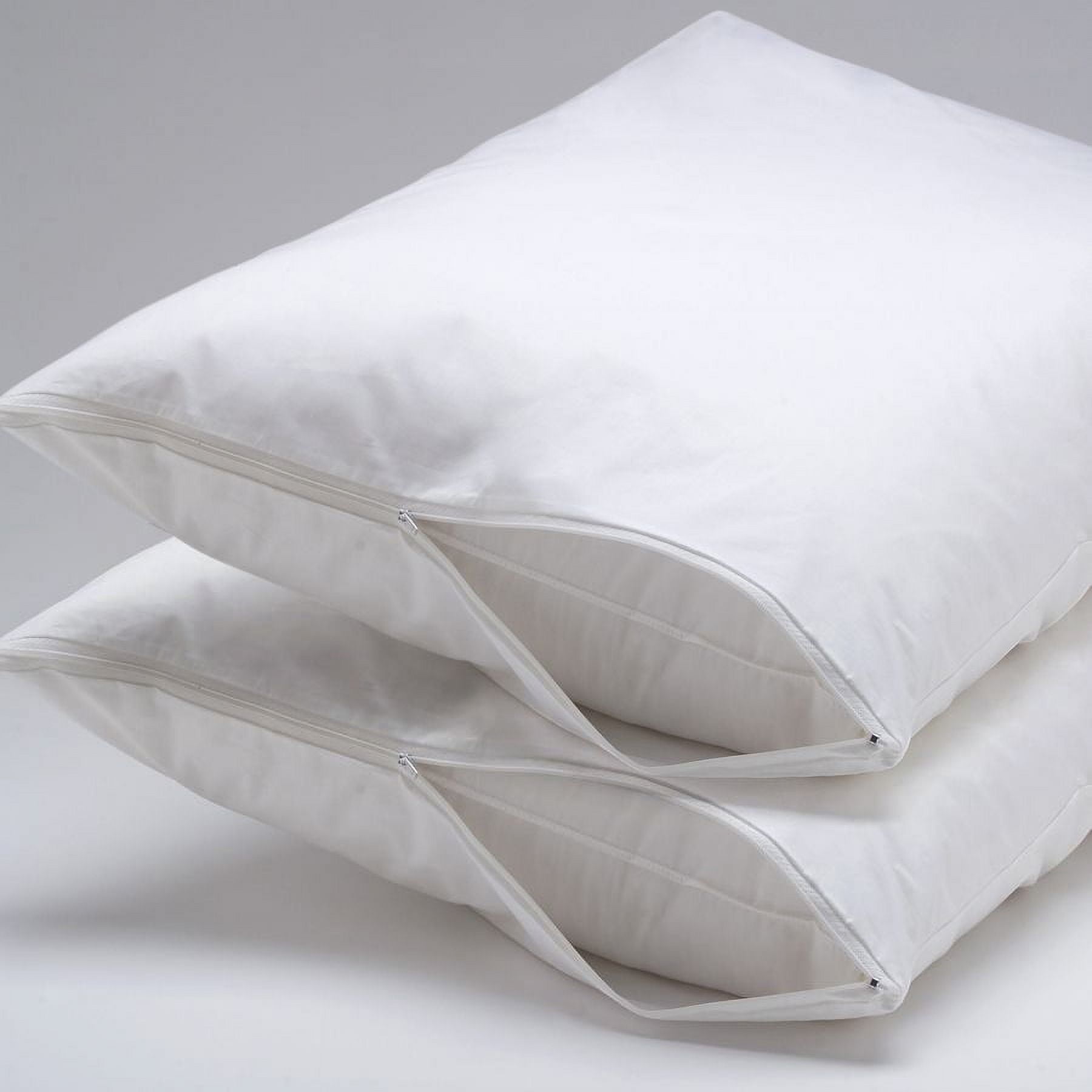
Finally, many consumers overlook the zipper. A pillow is not allergy proof if the zipper has large gaps or lacks a protective "flap" or "shield" behind it. Allergens can easily enter or exit through a standard zipper mechanism. High-quality allergy bedding features specialized "auto-locking" zippers and interior fabric shields to ensure the seal is absolute.
Frequently Asked Questions
Do I need a separate allergy cover if my pillow says it is allergy proof?
If the pillow itself is built with a micro-woven, sub-10-micron shell, a separate cover is not strictly necessary for allergen protection. However, many people use a separate encasement to protect their investment. It is much easier to wash a lightweight cover weekly than it is to wash and dry a heavy, dense pillow.
Can allergy proof pillows help with asthma?
Yes. For many asthma patients, dust mite allergens are a primary trigger for nocturnal bronchoconstriction. By reducing the inhalation of these particulates during the 7-9 hours spent in bed, many patients report fewer nighttime awakenings and a reduced need for rescue inhalers, though this should always be part of a broader medical management plan.
Are these pillows uncomfortable or loud?
In the past, allergy bedding was often associated with a "plastic" feel and loud crinkling noises. However, in 2026, advanced textile engineering has produced micro-fiber and specialized cotton weaves that are indistinguishable from high-end luxury linens. Membrane-free barriers are particularly quiet and soft.
How often should I wash my allergy proof pillow?
The outer cover or encasement should be washed once a week in hot water (130°F+). The pillow itself, if washable, should be laundered every 3 to 6 months to remove accumulated oils and salts that can degrade the fibers.
Is "Down Alternative" the same as allergy proof?
No. "Down Alternative" simply means the fill is synthetic (usually polyester) rather than bird feathers. While synthetic fill is hypoallergenic, it is not "allergy proof" unless the outer casing is specifically designed with a sub-10-micron pore size.
Practical Recommendations for 2026
If you are a chronic allergy sufferer, your first step should be to confirm your triggers through a clinical allergy test. If dust mites or dander are confirmed, prioritize a pillow with an Asthma & Allergy Friendly® certification.
For the best balance of comfort and protection, consider a two-tier approach: a high-quality, supportive pillow (like natural latex or contoured memory foam) paired with a separate, micro-woven cotton encasement that has a pore size of under 6 microns. This setup offers the best protection against both mites and dander while remaining breathable and easy to maintain. Ensure you wash all bedding in water at or above 130°F weekly to maintain a truly sterile sleeping environment.
Image Gallery
Select an image to open it in a new tab.





Ingrid Bjornson
Global Cyber Policy and Regulation Analyst
