
When your hardwired smoke detectors begin to alarm intermittently or sound without a detectable fire, it is often a sign of a localized system issue, environmental interference, or an aging component rather than a failed security device. The most common causes include dust accumulation in the sensor chamber, loose wiring connections, power surges, or the end of the unit's operational lifespan.
Understanding Hardwired Smoke Alarm Systems
Hardwired smoke detectors are connected directly to your home’s electrical system, typically through a 120-volt power circuit. This integration allows for interconnectivity; when one unit detects smoke or heat, it sends a signal through an interconnect wire (or wireless signal in some models) to trigger all other units in the house simultaneously. This provides a critical safety buffer, ensuring that residents in distant bedrooms are alerted immediately.
Because these units are part of your home’s electrical infrastructure, they possess a "backup" power source—usually a 9-volt or lithium-ion battery. The system’s behavior when it "keeps going off" can often be traced to the interplay between the AC power, the DC battery backup, and the sensing technology itself. Understanding that this is a synchronized network is the first step toward effective troubleshooting.
Step-by-Step Troubleshooting for Nuisance Alarms
Before assuming your system is broken, you must systematically isolate the cause. Perform these steps in order to identify whether the issue is environmental or mechanical.
1. Perform a Silent Reset
Many modern units have a "hush" or "silence" button. If an alarm occurs without smoke, press the button to stop the noise. If the alarm stops but restarts shortly after, the unit is detecting a persistent trigger that it perceives as smoke.
2. The Vacuum Test
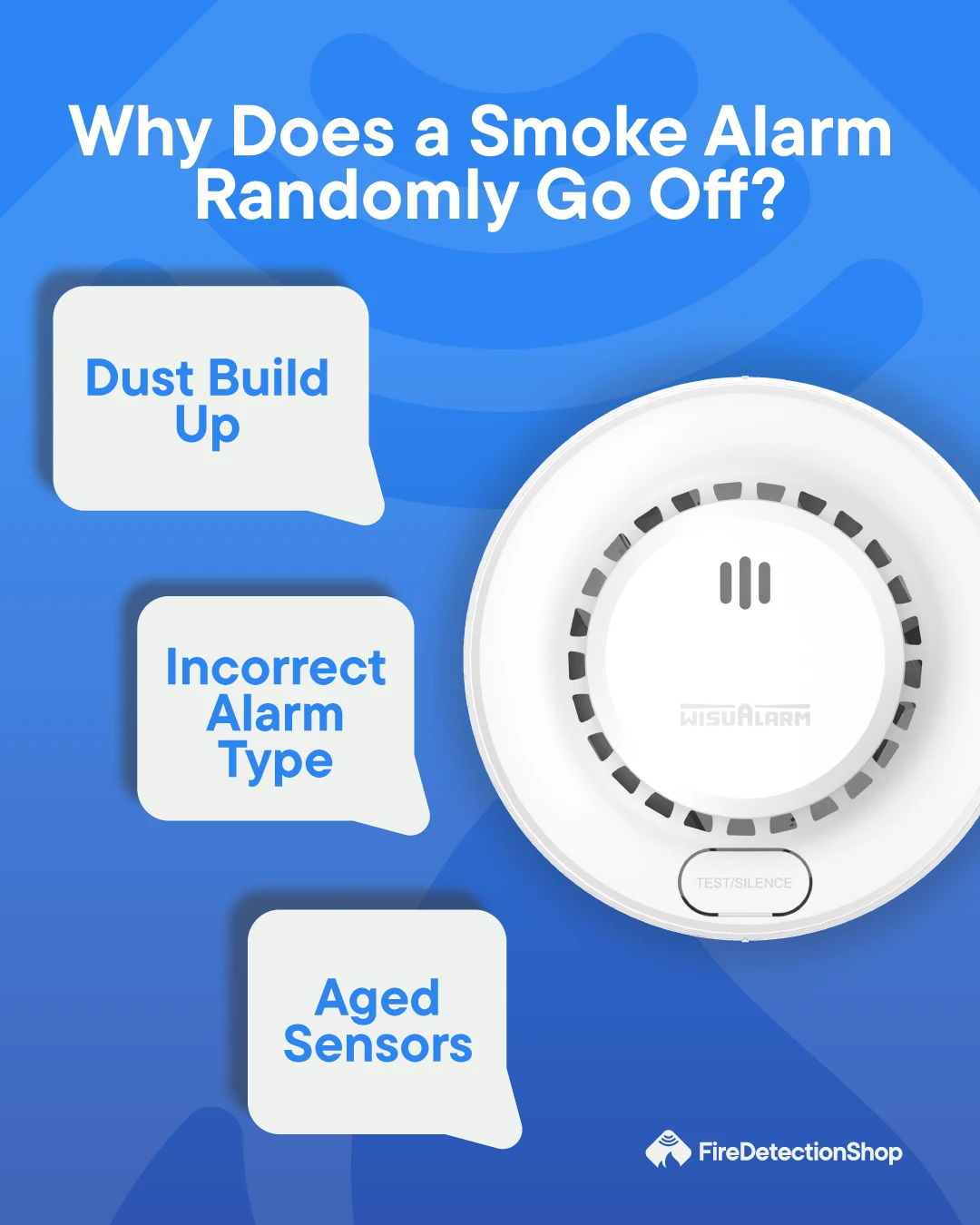
Dust, spider webs, and small insects are the primary culprits for false alarms in ionization smoke detectors. Over time, debris enters the sensing chamber and disrupts the flow of particles, tricking the device into sounding an alert. Use a vacuum cleaner with a soft brush attachment to gently clean the vents of every unit in the house. Avoid using compressed air, which can push debris deeper into the internal electronics.
3. Check the Power Connections and Wiring
Because the units are hardwired, a loose wire or a failing wire nut connection at the ceiling junction box can cause power fluctuations. Turn off the circuit breaker dedicated to your smoke alarms before inspecting the connections. Ensure the "pig-tail" wiring harness is securely connected to the back of the smoke detector. Look for signs of scorched plastic or loose wire nuts, which indicate an electrical fault that requires immediate professional attention.
4. Evaluate Battery Health
Hardwired units rely on batteries during power outages and as a secondary fail-safe. If the battery is weak, the detector may emit a "chirp." A low battery chirp is typically a single, periodic beep, whereas a full alarm is a sustained, rhythmic sound. If your unit is hardwired, a low battery will often trigger an intermittent nuisance alarm even when the house is fully powered. Replace all batteries in the system annually with the specific type recommended by the manufacturer.
5. Inspect for Environmental Interference
High humidity, steam from bathrooms, or heavy cooking smoke near the kitchen are frequent triggers. If a unit is placed too close to a bathroom door, steam can condense inside the sensor, causing a "nuisance" alarm. Additionally, rapid temperature changes from air conditioning vents can create air turbulence that triggers older sensors.

Comparing Alarm Behaviors
| Alarm Symptom | Likely Cause | Recommended Action |
|---|---|---|
| Periodic single chirp | Low battery or dying backup | Replace all batteries in the circuit |
| Random, sustained alarm | Dust or debris in chamber | Vacuum sensor vents thoroughly |
| Alarming after power surge | Reset required / Internal fault | Press/hold reset; replace unit if it persists |
| Sync-triggered alarm | One "dirty" unit triggering others | Identify the "initiating" unit (blinking red light) |
Identifying the Initiating Unit
In an interconnected system, finding the source of the alarm can be difficult because every unit in the home will be sounding. However, modern detectors are designed to help you locate the source:
- LED Indicators: On most models, the unit that detected the smoke or triggered the alarm will have a distinct flashing pattern (usually a rapid red blink). Check all units in the house while they are alarming to identify the one with the unique light signal.
- Memory Features: Some high-end units feature an "alarm memory" that keeps an LED lit or flashing after the event has cleared, allowing you to identify which unit caused the nuisance alarm even after the noise has stopped.
When to Replace Your Detectors
Smoke detectors are not permanent fixtures. Even if they are hardwired, they have a finite service life. Most manufacturers state that smoke detectors should be replaced every 10 years from the date of manufacture.
As sensors age, they lose sensitivity or become overly sensitive to harmless particles, leading to persistent nuisance alarms. Locate the manufacture date on the back of the unit. If the unit is nearing or has passed the 10-year mark, do not attempt to repair it; purchase new units. When replacing, ensure you buy models that are compatible with your existing mounting brackets and wiring harnesses to avoid having to re-wire your ceiling junction boxes.
Troubleshooting FAQ
Why do my smoke alarms go off at night? Temperature fluctuations at night can cause air density changes, and the cooling of a home may push household dust into the air. If your home's air circulation pulls dust into the smoke chamber, it can trigger the device. Ensure your vents are clean and the units are not placed too close to cold air returns.
Does a power outage cause hardwired alarms to sound? Usually, no. If your system is functioning correctly, it will simply switch to battery power. However, if your batteries are expired or installed incorrectly, the drop in AC power can cause a malfunction or a low-power warning that sounds like a fault.
Can I replace a hardwired detector with a wireless one? Yes, but you must ensure you are following local fire codes. Some regions require hardwired units for all new installations or major renovations. If you choose a wireless unit, you lose the benefit of the AC-powered interconnect, which is a significant safety feature.
What if the alarm keeps going off after I clean it and replace the battery? If the unit is clean, has fresh batteries, is not expired, and is not near steam or smoke, the internal sensor may have suffered an electronic failure. You should replace the specific unit that has failed.
Is a "chirp" the same as an "alarm"? No. A "chirp" is a diagnostic signal (low battery, end-of-life, or internal fault). An "alarm" is a high-decibel, continuous, or rhythmic sound intended to wake you. Always treat a full alarm as a fire emergency until you have visually inspected the area and confirmed it is a false positive.
Professional Advice Limitation
The guidance provided here is for general troubleshooting purposes. If you observe frayed wires, evidence of arcing, or if the alarm persists after replacing the faulty unit, you should contact a licensed electrician. Electrical work involves risks of shock and fire. In situations where your smoke detectors are part of a larger, monitored fire alarm system, professional servicing by the security company is required to avoid triggering emergency services.
Next Steps
To resolve the issue, start by identifying the "initiating" unit by observing the LED blink patterns during the next alarm event. Once identified, vacuum the vents of that unit. If the problem continues, replace that specific unit with a new one of the same brand and model if possible, to ensure compatibility with your current wiring harness. If the entire system is over 10 years old, budget for a complete system replacement to ensure your home remains protected by modern, functional sensor technology.
Image Gallery
Select an image to open it in a new tab.

Lars Thomsen
Global Labor Markets and Economic Strategy Editor
