Understanding the Vatican and Its Catholic Identity
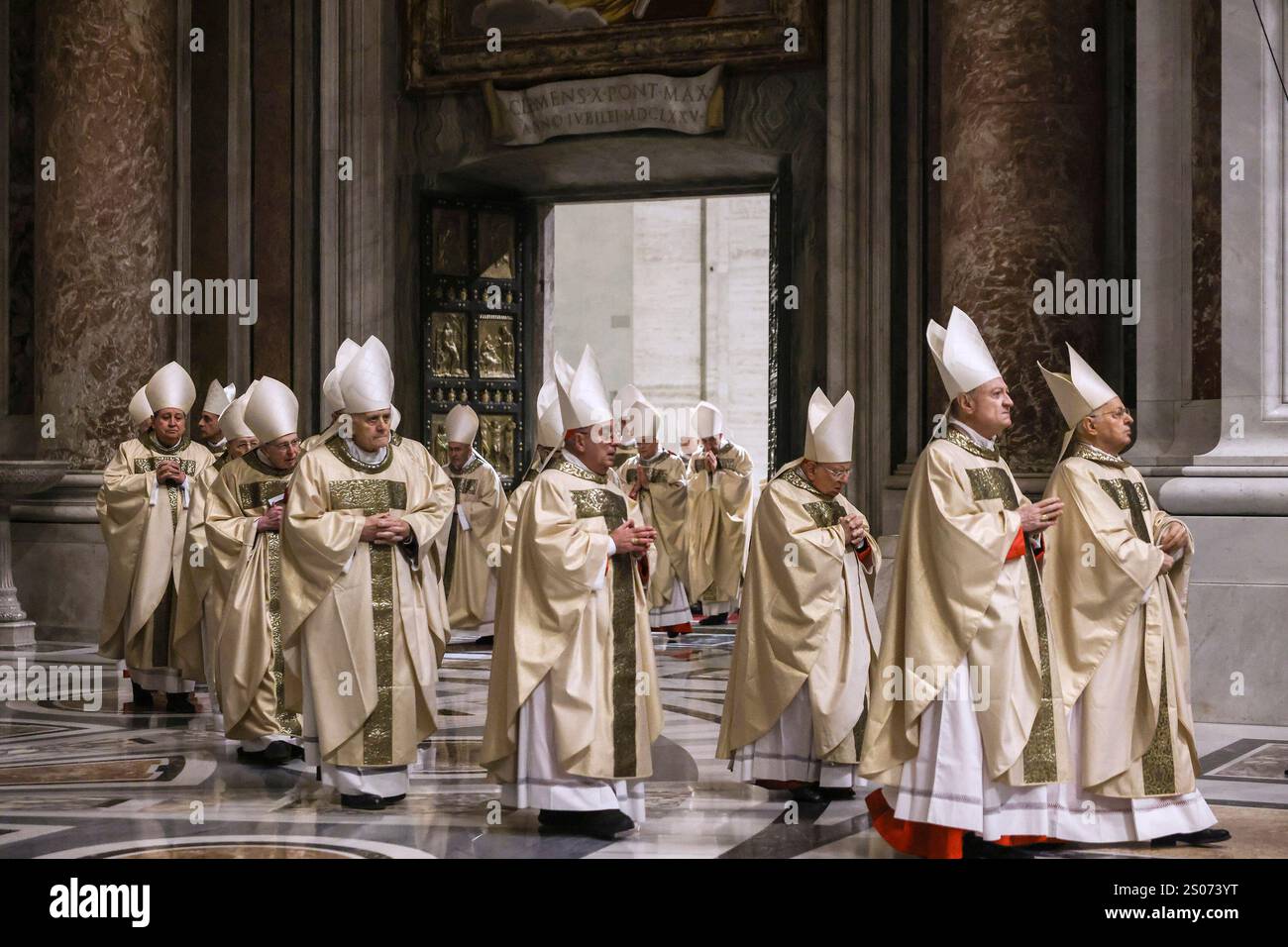
The Vatican is definitively Catholic, serving as the absolute headquarters of the Roman Catholic Church and the sovereign seat of the Bishop of Rome, known as the Pope. Established as an independent city-state in 1929 via the Lateran Pacts, it functions as the spiritual and administrative epicenter for over one billion Catholics worldwide.
Introduction to the Vatican City-State and the Catholic Church
The relationship between the Vatican and the Catholic Church is one of the most foundational connections in global religion, history, and international law. When people inquire whether the Vatican is Catholic, they are often probing the structural, theological, and geographical dimensions of the smallest independent state in the world by both area and population. The answer is absolute: Vatican City exists solely to support the spiritual mission of the Roman Catholic Church, functioning as the visible center of worldwide Catholicism.
To understand this unique entity, one must separate the physical territory—Vatican City—from the global institution it represents. The Vatican is an independent sovereign enclave entirely surrounded by the city of Rome, Italy. However, it is not governed by Italy; instead, it is an absolute monarchy ruled by the Pope. Every major institution, administrative department, diplomatic mission, and cultural treasure housed within its walls is explicitly tied to the Roman Catholic faith, tradition, and canonical law.
Historical Foundations: From Imperial Rome to the Lateran Pacts
The Catholic identity of the Vatican is deeply rooted in nearly two millennia of Christian history, martyrdom, and geopolitical evolution. According to Catholic tradition and historical consensus, the Vatican Hill is the burial site of Saint Peter, the apostle whom Jesus designated as the rock of his Church and the first Bishop of Rome. Following his crucifixion under Emperor Nero around 64–67 AD, early Christians venerated Peter's tomb, eventually constructing the first Constantinian basilica on the site in the 4th century.
For centuries, the Popes ruled over a vast territory across central Italy known as the Papal States. However, the unification of Italy in 1861 stripped the papacy of its temporal lands, leading to a sixty-year standoff known as the "Roman Question," during which popes considered themselves prisoners within the Vatican.
This stalemate ended on February 11, 1929, with the signing of the Lateran Pacts between the Holy See and the Kingdom of Italy. These treaties recognized Vatican City as an independent sovereign state, guaranteeing the absolute and visible independence of the Holy See. From its inception in the 20th century to the modern era, the state's entire raison d'être has been to safeguard the spiritual freedom of the Catholic Church's supreme pontiff.
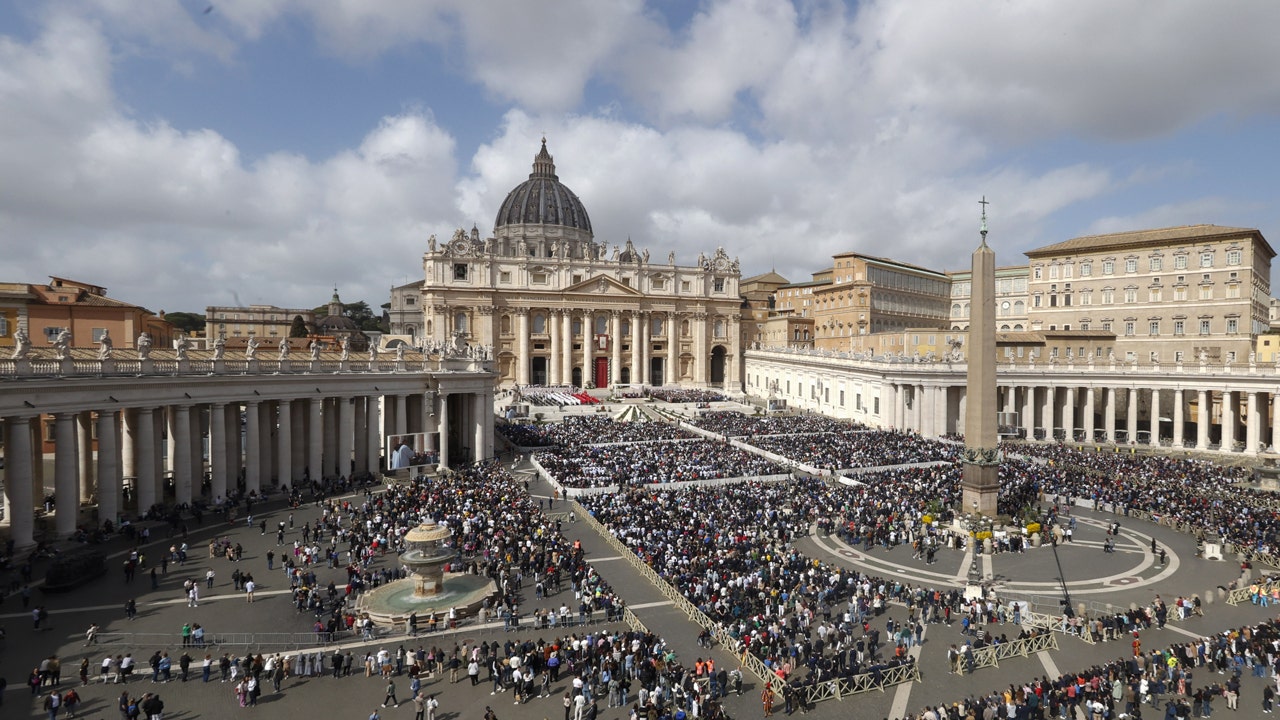
Governance and the Role of the Holy See
Governance within the Vatican is structured entirely around the hierarchical framework of the Catholic Church. It is vital to distinguish between two legal entities that are frequently confused: Vatican City State and the Holy See.
| Entity | Definition | Primary Function |
|---|---|---|
| Vatican City State | The physical 121-acre sovereign territory. | Provides a neutral geographical base and infrastructure for the papacy. |
| The Holy See | The episcopal jurisdiction of the Pope in Rome. | Conducts international diplomacy, governs the global Catholic Church, and issues doctrinal rulings. |
The Holy See is recognized as a subject of international law, maintaining diplomatic relations with over 180 sovereign nations, sending nuncios (papal ambassadors), and participating in international organizations as a permanent observer. The governance of Vatican City State is delegated by the Pope to a Pontifical Commission, headed by a President, while day-to-day administrative tasks are managed by the Governorate. Every official holding high office in these bodies is a Catholic clergyman or a vetted lay Catholic committed to the teachings of the Church.
Religious and Cultural Heart of Global Catholicism
As the epicenter of global Catholicism, the Vatican houses some of the most sacred sites, priceless religious artifacts, and administrative offices of the faith. Millions of pilgrims and tourists travel to Rome annually to experience its religious and cultural landmarks.
St. Peter’s Basilica
St. Peter’s Basilica is one of the largest churches in the world and a masterpiece of Renaissance architecture. Built over the traditional tomb of Saint Peter, it serves as a major pilgrimage site and the setting for the Pope's most important liturgical celebrations. Canonically, it is a papal basilica, symbolizing the unity and apostolic succession of the Catholic Church.
The Roman Curia
The Roman Curia is the administrative apparatus through which the Pope directs the affairs of the universal Church. Comprising various dicasteries (formerly congregations, pontifical councils, and tribunals), the Curia assists the pontiff in promoting Catholic doctrine, establishing new dioceses, appointing bishops, and managing global charitable initiatives.
Vatican Museums and Archives
The cultural footprint of the Vatican is inextricably linked to Catholic history. The Vatican Museums preserve centuries of sacred art commissioned or collected by popes, including Michelangelo's frescoes in the Sistine Chapel and Raphael's Rooms. Furthermore, the Vatican Apostolic Archive holds millions of historical documents, papal bulls, and correspondence spanning over a thousand years, serving as an irreplaceable repository for both Church history and world history.
Citizenship and Legal Status in a Catholic Enclave
Citizenship in Vatican City is entirely functional and distinct from standard national citizenship. It is not acquired by birth within the territory, nor can it be purchased. Instead, citizenship is granted exclusively to individuals who reside in Vatican City by reason of their office or service.
- Cardinals: Cardinals residing in Vatican City or Rome automatically attain citizenship.
- Diplomats: Papal diplomats serving the Holy See abroad hold diplomatic passports issued by the Vatican.
- The Swiss Guard: The elite corps of soldiers responsible for the Pope's safety are granted citizenship for the duration of their active service.
- Lay Employees: Selected workers, such as administrators, technicians, and educators, who fulfill specific professional requirements may also be granted citizenship.
When individuals cease to hold their official positions or reside outside the territory, their Vatican citizenship typically expires, reverting to their country of origin. This unique legal framework underscores that the Vatican is a functional instrument of the Catholic Church rather than a traditional nation-state with a permanent, self-sustaining civilian population.
Frequently Asked Questions
Is the Vatican a country separate from Italy?
Yes. Under the 1929 Lateran Pacts, Vatican City is recognized as an independent, sovereign nation-state completely separate from the Italian Republic. It maintains its own police force, postal system, currency (the Vatican Euro), flag, and legal system, though it relies on Italy for external defense and water infrastructure.
Can non-Catholics visit the Vatican?
Yes. While the Vatican is the administrative and spiritual center of the Roman Catholic Church, its museums, St. Peter’s Square, and St. Peter’s Basilica are open to visitors and tourists of all faiths and backgrounds, provided they adhere to modest dress codes and security protocols.
Does the Pope own the Vatican?
No. The Pope does not personally own the territory, buildings, or art collections of the Vatican. He acts as the sovereign ruler and supreme custodian during his pontificate. Upon his death or resignation, ownership and governance pass to the office of the papacy in accordance with Catholic canon law.
How is the Vatican financed?
The Vatican is financed through a combination of revenue generated by the Vatican Museums, ticket sales, souvenir and stamp sales, investments managed by the Administration of the Patrimony of the Apostolic See (APAS), and donations from Catholics worldwide, most notably the collection known as Peter's Pence.
Is the Vatican a member of the United Nations?
The Holy See—acting on behalf of Vatican City—holds the status of a Permanent Observer State at the United Nations. This allows it to participate in UN deliberations, debates, and conferences, and to advocate for Catholic social teaching, human rights, and peace, without holding a voting member seat.
Conclusion and Next Steps
The Vatican is undeniably and intrinsically Catholic, serving as the sovereign heartbeat of the global Roman Catholic Church. For those planning to visit or study its institutions, understanding its unique dual status as both a recognized sovereign state and a religious center provides vital context. Travelers should verify current ticketing procedures for the Vatican Museums and St. Peter’s Basilica well in advance through official channels, ensuring compliance with modesty guidelines and security requirements to fully appreciate this historic enclave.
Image Gallery
Select an image to open it in a new tab.


Lars Thomsen
Global Labor Markets and Economic Strategy Editor
