Understanding Supination Symptoms in Children: A Comprehensive Guide for Parents
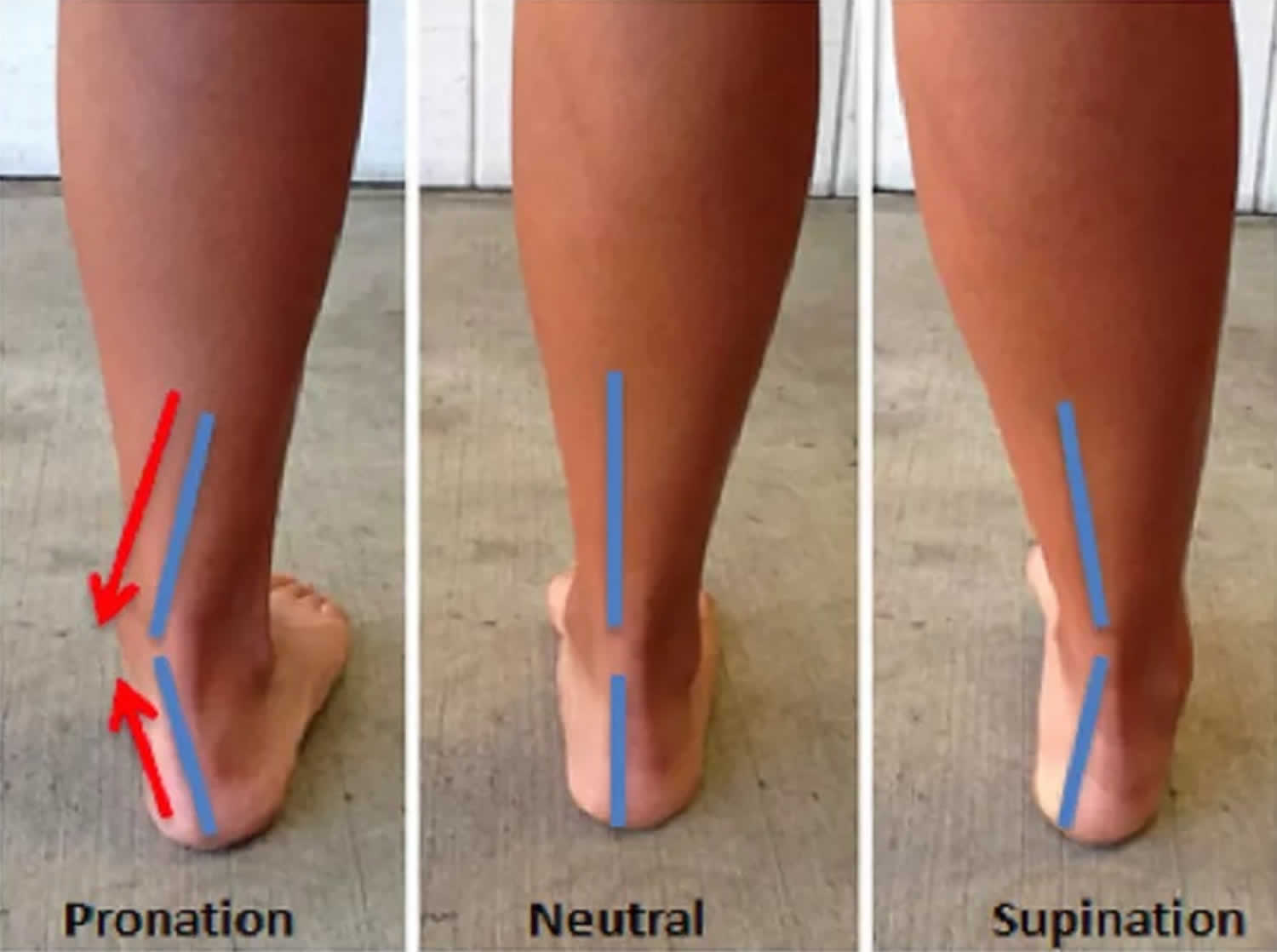
Supination in children, commonly referred to as under-pronation, occurs when a child’s weight shifts toward the outer edges of their feet during walking or running. Key symptoms include exceptionally high arches, uneven wear on the outside of shoe soles, frequent ankle rolling or sprains, and persistent pain in the heels or the balls of the feet.
The Biomechanics of Pediatric Supination
To understand supination, one must first understand the natural gait cycle. During a normal step, the foot should roll slightly inward after the heel hits the ground. This movement, known as pronation, helps the foot absorb the shock of impact and adapt to different surfaces. In a child who supinates, the foot does not roll inward enough. Instead, the weight remains concentrated on the lateral (outer) border of the foot.
By 2026, pediatric orthopedics has placed an even greater emphasis on early gait analysis, as we now better understand how minor foot misalignments in childhood can lead to chronic issues in the kinetic chain—affecting the ankles, knees, hips, and even the lower back. Supination is significantly less common than its counterpart, over-pronation (flat feet), which is why it often goes unnoticed until the child begins to complain of discomfort or experiences recurrent injuries.
When a child supinates, the foot becomes a "rigid lever" rather than a "shock absorber." This rigidity means that the force of every step travels directly up the leg instead of being dissipated through the arch. Over time, this lack of shock absorption puts undue stress on the bones and soft tissues of the lower extremities.
Primary Symptoms of Supination in Children
Recognizing the signs of supination early is vital for preventing long-term developmental complications. While every child’s gait develops at a different pace, certain "red flags" are indicative of under-pronation.
1. Distinctive Shoe Wear Patterns
One of the most reliable ways to identify supination is to examine the soles of your child’s shoes. If the child supinates, the outer edge of the sole will show significantly more wear and tear than the inner edge. In severe cases, the upper part of the shoe might even begin to lean or "dump" toward the outside. This happens because the constant lateral pressure stretches the material of the shoe outward.
2. High Arches (Pes Cavus)
While many infants and toddlers naturally have flat feet that develop arches over time, children who supinate often have unusually high, rigid arches. If you look at your child’s foot while they are standing, you may notice a significant gap between the middle of the foot and the floor. High arches are less flexible than neutral arches, making it difficult for the foot to flatten and absorb impact.
3. Frequent Ankle Instability
Because the weight is pushed toward the outside of the foot, children with supination are more prone to "rolling" their ankles. This lateral instability often leads to frequent trips, falls, or ankle sprains. If your child seems "clumsy" or frequently complains that their ankle "gave out" during sports or play, supination may be the underlying biomechanical cause.
4. Localized Pain and Fatigue
Children are often resilient, but persistent pain is never normal. Supination can cause several types of discomfort:
- Metatarsalgia: Pain in the ball of the foot caused by excessive pressure on the metatarsal bones.
- Plantar Fasciitis: Strain on the connective tissue running along the bottom of the foot, often felt as sharp heel pain.
- Shin Splints: Excessive stress on the tibia due to poor shock absorption.
- General Leg Fatigue: The muscles in the lower legs have to work harder to stabilize a rigid foot, leading to aching legs after physical activity.
Causes and Contributing Factors
Understanding the "why" behind supination helps in determining the best course of action. In most pediatric cases, supination is rooted in a combination of genetics and physical development.
Genetic Predisposition
Foot structure is largely hereditary. If one or both parents have high arches or a history of supination, there is a higher probability that the child will inherit similar biomechanics. The shape of the tarsal and metatarsal bones dictates how the foot interacts with the ground from the moment the child takes their first steps.
Tight Achilles Tendons and Calf Muscles
The Achilles tendon connects the calf muscles to the heel bone. If this tendon is excessively tight, it can pull the heel inward and force the rest of the foot to tilt outward. This is a common finding in children who exhibit a supinated gait. Physical therapy focusing on flexibility is often the primary treatment for this specific cause.
Neuromuscular Conditions
While rare, persistent or worsening supination can sometimes be a sign of an underlying neuromuscular disorder, such as Charcot-Marie-Tooth disease or cerebral palsy. These conditions can affect the way nerves signal muscles to move, leading to a high-arched, supinated foot posture. If supination is accompanied by muscle weakness or a sudden change in coordination, a neurological consultation is essential.
Comparing Supination and Pronation
It is helpful for parents to see how supination differs from the more common pronation. The following table highlights the key differences in symptoms and foot behavior.
| Feature | Supination (Under-pronation) | Pronation (Over-pronation) |
|---|---|---|
| Arch Height | High and rigid (Pes Cavus) | Low or non-existent (Flat Feet) |
| Weight Distribution | Outer edge of the foot | Inner edge of the foot |
| Shoe Wear Pattern | Excessive wear on the outside edge | Excessive wear on the inside edge |
| Common Injuries | Ankle sprains, stress fractures | Shin splints, bunions, knee pain |
| Foot Flexibility | Stiff, poor shock absorption | Very flexible, collapses inward |
| Appearance | Knees may bow slightly outward | Knees may lean inward (knock-kneed) |
The Diagnostic Process: What to Expect
If you suspect your child is supinating, a professional evaluation is the next step. Podiatrists and orthopedic specialists use several methods to confirm a diagnosis.
Gait Analysis
In 2026, digital gait analysis has become the standard in pediatric clinics. Your child may be asked to walk or run on a specialized treadmill equipped with pressure sensors. These sensors create a heat map of the foot, showing exactly where the most pressure is applied during each phase of the step. This provides a level of precision that a simple visual observation cannot match.
The "Wet Foot Test"
This is a simple test you can perform at home before seeing a doctor. Have your child wet the soles of their feet and step onto a piece of heavy paper or a dry concrete surface.
- Normal Foot: You will see about half of the arch width in the footprint.
- Pronated Foot: The entire foot print is visible, looking like a solid block.
- Supinated Foot: Only the heel and the ball of the foot are visible, with a very thin or non-existent line connecting them along the outer edge.
Physical Examination
The doctor will examine the child’s range of motion in the ankles and midfoot. They will also check for "callus patterns." Children who supinate often develop thick skin or calluses on the outer edge of the foot or the base of the small toe, as these areas are subjected to constant friction and pressure.
Management and Treatment Options
Treatment for pediatric supination focuses on improving shock absorption and realigning the foot to prevent secondary injuries. Because children's bones are still growing and pliable, early intervention is highly effective.
1. Proper Footwear Selection
The most critical step in managing supination is choosing the right shoes. Children who supinate should avoid "stability" or "motion-control" shoes, which are designed for over-pronators and will only make supination worse. Instead, look for:
- Neutral Cushioning: These shoes provide extra padding to compensate for the foot's lack of natural shock absorption.
- Flexibility: A shoe that allows the foot to move more naturally can help encourage a more neutral gait.
- Wide Toe Box: High-arched feet often need more room for the toes to spread out to improve balance.
2. Orthotic Inserts
While off-the-shelf cushioned insoles can provide some relief, custom orthotics are often recommended for children with significant supination. These inserts are molded to the child’s foot and are designed to "fill the gap" created by a high arch. This redistributes weight across the entire foot rather than just the outer edges.
3. Physical Therapy and Exercises
Strengthening the muscles that stabilize the ankle and stretching the calf muscles can significantly improve gait. Common exercises include:
- Towel Curls: Having the child use their toes to scrunch up a towel on the floor, which strengthens the intrinsic muscles of the foot.
- Calf Stretches: Using a wall for support to gently stretch the gastrocnemius and soleus muscles.
- Ankle Circles: Improving the range of motion in the ankle joint to reduce the risk of sprains.
Potential Long-term Complications
If left unaddressed, supination can lead to more than just foot pain. The rigid nature of a supinating foot means that the knees and hips must take on the burden of impact. According to the American Academy of Orthopaedic Surgeons, chronic misalignment can lead to premature wear of the joint cartilage.
In teenagers and young adults, untreated supination is a leading cause of stress fractures in the fifth metatarsal (the bone leading to the pinky toe). Because this bone is not designed to carry the primary weight of the body, the repetitive stress of running on a supinated foot can cause it to crack over time.
Frequently Asked Questions
Is supination in children permanent? Not necessarily. While the underlying bone structure (like high arches) may be permanent, the gait itself can often be corrected or managed through physical therapy, stretching, and proper footwear. Many children "outgrow" minor gait issues as their muscles strengthen and their coordination improves.
Can supination cause knee and back pain? Yes. Because the foot fails to absorb shock, that energy travels up the leg. This can lead to "runner’s knee" (patellofemoral pain syndrome) and can even cause misalignment in the pelvis, leading to lower back discomfort during or after physical activity.
Should my child wear high-top shoes to prevent ankle rolling? High-top shoes can provide some temporary external stability for the ankle, but they do not fix the underlying supination. It is more important to focus on shoes with neutral cushioning and to perform exercises that strengthen the child's own ankle-stabilizing muscles.
At what age should I be concerned about my child's high arches? Most children have a visible arch by age 6 or 7. If you notice your child has a very high arch before this age, or if they are experiencing pain and frequent falls, it is worth consulting a pediatric podiatrist for an early assessment.
Practical Recommendations and Next Actions
If you have observed the symptoms of supination in your child, the first step is a thorough shoe inspection. Check for uneven wear on the lateral edges of their sneakers. If the wear is significant, or if your child complains of "tired legs" or foot pain, schedule an appointment with a pediatric podiatrist or a physical therapist specializing in gait.
In the meantime, ensure your child is wearing high-quality, cushioned athletic shoes rather than flat-soled slip-ons or flip-flops, which offer no support for high arches. Encourage daily calf stretches and monitor their activity levels to ensure they aren't pushing through significant pain, which could lead to a stress injury. Early identification and simple mechanical adjustments are usually all that is needed to keep a child active, mobile, and pain-free.
Professional Advice Limitation: This article is for informational purposes only and does not constitute medical advice, diagnosis, or treatment. Always seek the advice of a physician or other qualified health provider with any questions regarding a medical condition.
Image Gallery
Select an image to open it in a new tab.
Vivian Cho
Executive IT and Emerging Technologies Reporter
