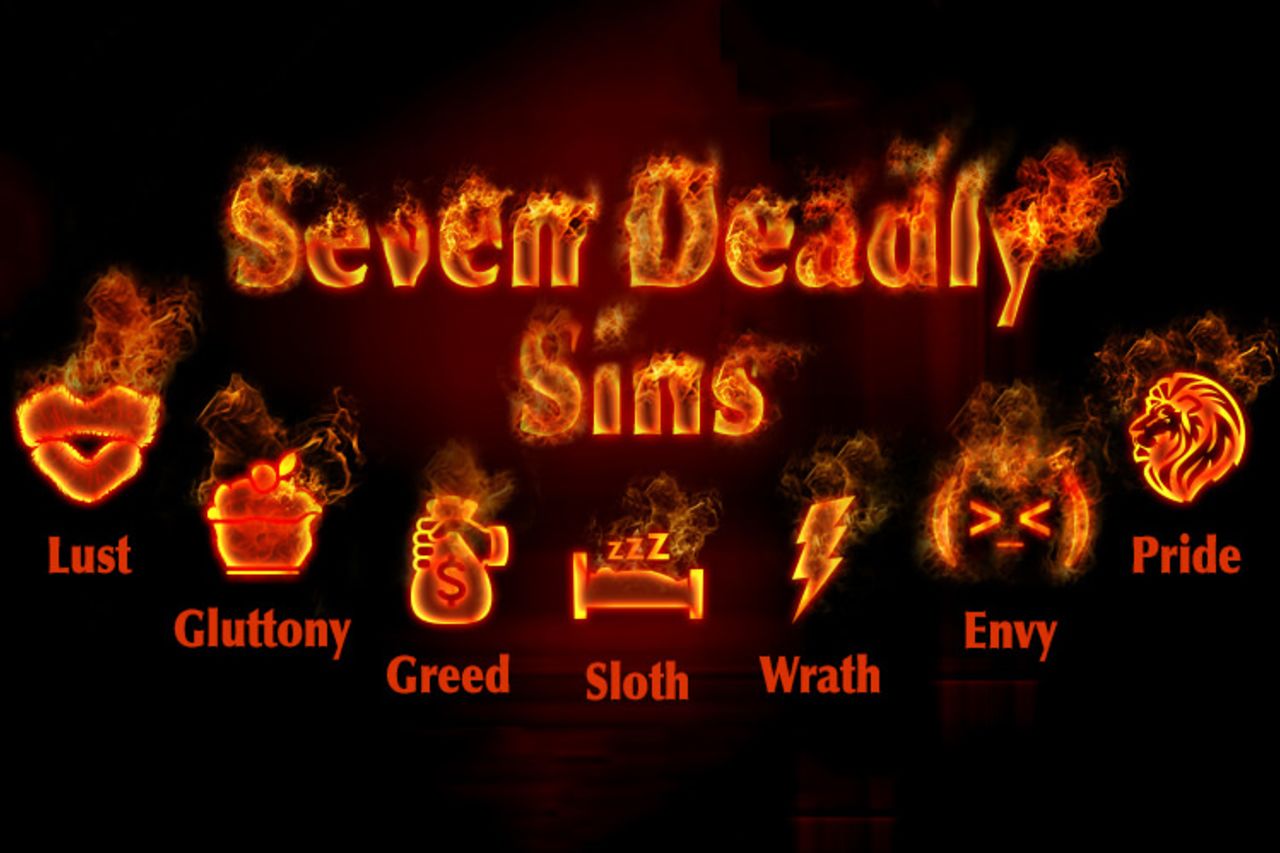
The Seven Deadly Sins—Pride, Greed, Lust, Envy, Gluttony, Wrath, and Sloth—serve as foundational archetypes in Western iconography. In design, these sins are represented by a complex vocabulary of animal, color, and symbolic motifs derived from medieval theology, Renaissance art, and later literary traditions, which continue to inform visual storytelling, branding, and semiotic analysis in 2026.
The Theological Origins of the Septenary
The categorization of the "Seven Deadly Sins" did not appear in the Bible as a single list. Instead, it evolved from the early Christian monastic tradition. In the 4th century, the monk Evagrius Ponticus identified "eight evil thoughts." By the late 6th century, Pope Gregory the Great refined this list to seven, focusing on the root dispositions from which all other sins arise.
This transformation was solidified by Thomas Aquinas in the Summa Theologica, where the sins were defined not merely as actions but as capital vices—the heads (capita) of all other sins. For a designer or historian, understanding this transition is crucial: these symbols were intended to serve as mnemonic devices for the illiterate or semi-literate populations of the Middle Ages. They functioned as a visual language of moral correction, designed to trigger immediate psychological recognition.
Heraldry and Bestiaries: The Language of Animal Symbols
During the medieval and Renaissance periods, the bestiary—a compendium of animals with moralized descriptions—became a primary source for the visual representation of the sins. Designers of the era utilized these associations to encode moral lessons into architecture, illuminated manuscripts, and stained glass.
- Pride (Superbia): Often depicted as a lion or a peacock. The peacock, with its expansive, vanity-filled tail, is the most enduring visual shorthand for pride.
- Greed (Avaritia): Frequently associated with the toad or the hedgehog. The toad, characterized by its bloated, grasping nature, reflects the hoarding of material wealth.
- Lust (Luxuria): Traditionally represented by the goat or the scorpion. The goat serves as a long-standing symbol of chaotic, unbridled sexual appetite.
- Envy (Invidia): Symbolized by the dog, specifically one eating its own tail or gnawing on a bone while eyeing another, representing the self-consuming nature of covetousness.
- Gluttony (Gula): Associated with the pig or the swine. The pig’s association with excess consumption is a design trope that persists in contemporary illustration.
- Wrath (Ira): Often symbolized by the bear, known for its sudden, explosive ferocity.
- Sloth (Acedia): Represented by the donkey or the snail. The snail, due to its perceived lethargy and slow movement, remains the ultimate icon for the sin of indifference.
Color Theory and Chromatic Significance
Color played a vital role in the codification of the seven deadly sins within ecclesiastical design. While these color codes were not as rigid as liturgical vestments, they were heavily influenced by the psychological associations prevalent in medieval iconography.
| Sin | Primary Symbolic Color | Historical Design Rationale |
|---|---|---|
| Pride | Violet | Associated with royalty and the hubris of the throne. |
| Greed | Yellow | Represented the color of gold and the sickness of hoarding. |
| Lust | Blue/Indigo | Traditionally shifted toward deep, eroticized shadow tones. |
| Envy | Green | Represented the "jaundiced eye" and the color of bile. |
| Gluttony | Orange | Symbolized the indulgence of consumption and seasonal harvest. |
| Wrath | Red | The color of blood, heat, and explosive temper. |
| Sloth | Light Blue/Pale | Represented the fading of life and the absence of passion. |
The Evolution of Sin in Modern Design
In 2026, the use of these symbols has shifted from moral instruction to subversive communication and high-fashion branding. Modern designers often strip the theological weight from these symbols, utilizing them for their aesthetic sharpness and cultural recognition.
For example, the peacock motif remains a standard in luxury branding, not to denote the sin of Pride, but to leverage the historical association with elegance and status. Similarly, the use of "Wrath-Red" in modern product design for high-performance vehicles uses the ancestral fear of the color to evoke a sense of power rather than moral failing.
When incorporating these symbols into modern design projects, it is essential to consider the "semiotic layer" of your audience. An audience well-versed in classical literature will interpret a goat in a modern logo as a reference to Lust; an audience unaware of these roots will simply see an animal. Designers must decide whether they are leaning into the historical weight of the symbol or treating it as a vacant aesthetic vessel.
Practical Applications and Design Considerations
If you are integrating these symbols into a design project, there are three primary stages of evaluation:
- Iconographic Intent: Determine if you intend to evoke the moral judgment associated with the sin or merely the aesthetic trope. Using the pig to denote gluttony in a food advertisement is culturally recognizable but carries a negative connotation that may alienate the consumer.
- Cross-Cultural Nuance: Be aware that these symbols are rooted in Western, Christian-influenced history. In other cultural contexts, the goat may represent wisdom or endurance rather than Lust.
- Modern Recontextualization: Consider how the symbol can be abstracted. Rather than using a literal toad to represent Greed, a modern designer might use a stylized, metallic, circular form that mimics the grasping nature of the toad’s claw. This allows for a more sophisticated, less literal design communication.
Common Mistakes in Symbolic Design
- Over-Literalism: Using too much detail (e.g., a realistic painting of a goat) can feel archaic and disconnected from modern branding standards. Minimalism is often more effective at invoking the spirit of the symbol.
- Ignoring Context: If a symbol is used in a design for a corporate entity, ensure the historical baggage of the symbol does not conflict with the brand's ethical messaging.
- Cluttered Symbolism: Trying to incorporate all seven sins into one design often leads to visual noise. Select one or two dominant traits that align with the core message you are trying to project.
Frequently Asked Questions
Why did these symbols become so standardized in design history? The standardization occurred because of the Church’s need to communicate complex moral philosophy to a mostly illiterate population. The symbols acted as a visual shorthand, making the concepts of sin and virtue easily recognizable across different geographic regions and languages.
How can I use these symbols without appearing overtly religious? Focus on the archetypal behavior behind the symbol rather than the religious context. By emphasizing the "traits" of the animal—the peacock’s vanity, the snail’s lethargy—you strip away the theological requirement and focus on universal human behavior, which is a common strategy in modern character design and logo development.
Are there alternative symbolic systems for these sins? While the bestiary is the most famous, there are also liturgical and numerical systems. For instance, some Renaissance artists used the "Seven Heavens" or the "Seven Planets" to correspond to the sins, where each sin was tied to a celestial body. These are often more complex and less recognized by contemporary audiences than the animal motifs.
How do I verify the authenticity of a historical symbol? To verify a symbol, consult primary sources such as medieval bestiaries (e.g., the Aberdeen Bestiary) or academic records of 13th-century moralities. Avoid generic internet search results that often conflate later pop-culture iterations of the sins with historical iconography.
Final Recommendations for Designers
When applying these motifs in 2026, treat them as a vocabulary rather than a set of rules. The "Seven Deadly Sins" are not static concepts; they are a living part of our visual language. To effectively use them, begin by sketching the core trait (the "slowing" of Sloth or the "grasping" of Greed) and iterate until you reach a balance between historical recognition and modern abstraction. Test your symbols with your target audience to ensure the intended archetype is being communicated clearly without unintended negative associations.

Image Gallery
Select an image to open it in a new tab.


Mateo Castillo
Decentralized Finance and E-Payments Strategist
