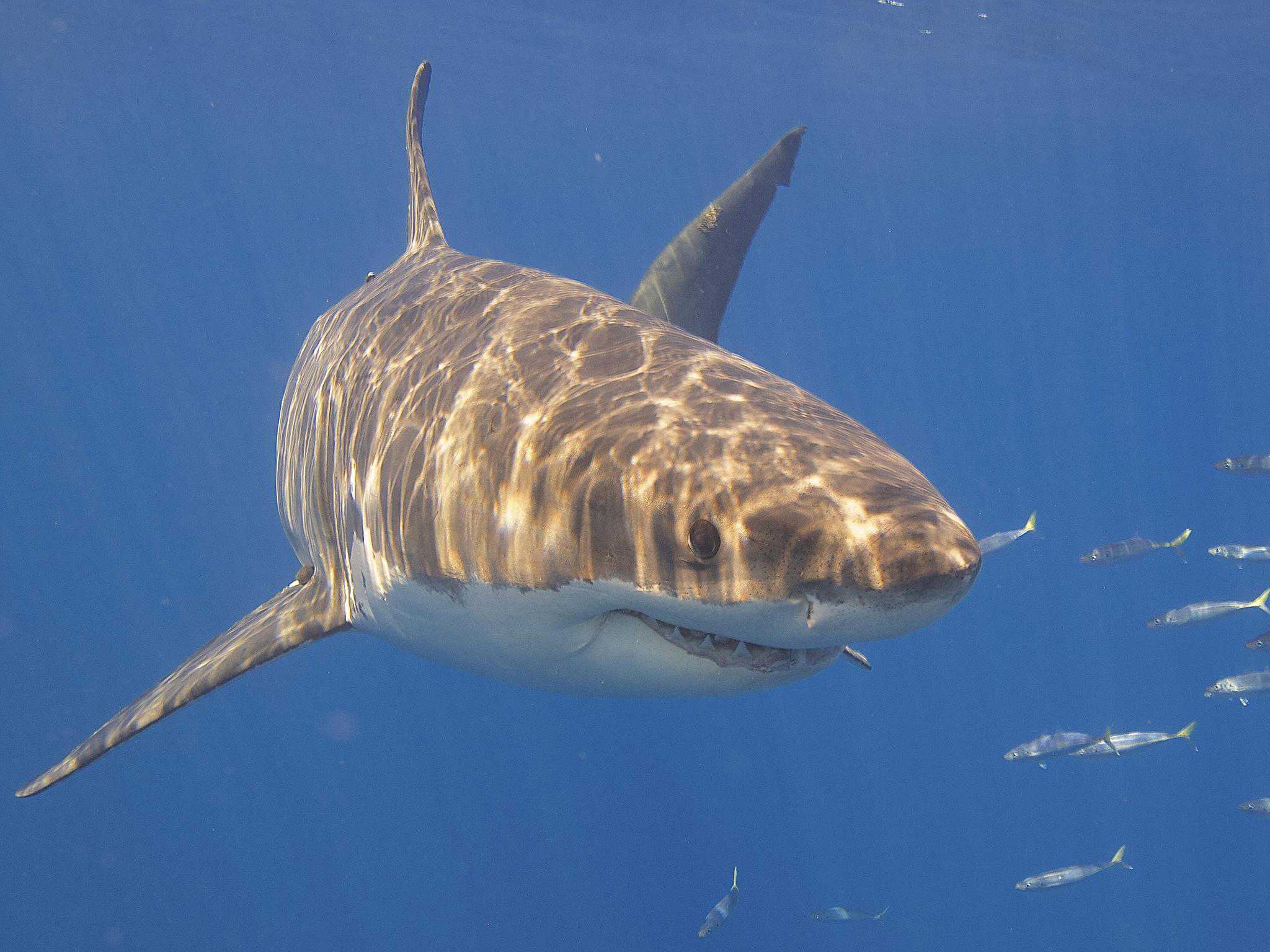
Great white sharks in Nantucket are often surrounded by myths of aggressive "invasions," but these sightings actually reflect a successful ecological recovery. While lore suggests intentional hunting of humans, scientific data confirms that sharks are drawn to the island’s thriving seal colonies, primarily utilizing the area as a natural feeding ground.
For decades, the waters surrounding Nantucket and Cape Cod have been the subject of both fascination and fear. As we move through 2026, the presence of the great white shark (Carcharodon carcharias) has become a permanent fixture of the New England summer. However, with this presence comes a deep-seated collection of myths, many of which date back to the 1970s or even the whaling era of the 19th century. Understanding the intersection of maritime folklore and modern marine biology is essential for residents and visitors alike to navigate these waters safely and respectfully.
The Evolution of Nantucket Shark Lore
Nantucket's relationship with the apex predators of the Atlantic did not begin with the modern resurgence of white sharks. To understand the myths, one must first look at the island's history as the whaling capital of the world. In the 1800s, sailors frequently reported "sea monsters" and "man-eaters" that followed whaling vessels to scavenge on the remains of harvested whales.
The "Jaws" Effect and Cultural Memory
The most pervasive myths surrounding Nantucket sharks are inextricably linked to the 1975 film Jaws. Although the movie was filmed on the neighboring island of Martha’s Vineyard, the cultural "shadow" it cast fell over the entire region. For generations, the myth that great white sharks are vindictive, calculated hunters of humans became the dominant narrative. In reality, the sharks seen off Great Point or Smith’s Point today are part of a migratory population that has existed for millennia, long before cinematic dramatizations influenced public perception.
The Myth of the "Invasion"
A common refrain heard in local shops and on social media in 2026 is that sharks are "invading" Nantucket. This terminology suggests an unnatural arrival of a foreign species. However, marine biologists from the Atlantic White Shark Conservancy (AWSC) have clarified that this is not an invasion, but a re-colonization. Following the passage of the Marine Mammal Protection Act in 1972 and the subsequent protection of white sharks in the 1990s, the species is simply returning to its historical hunting grounds.
Debunking Common Nantucket Shark Myths
To separate fact from fiction, we must analyze the most frequent claims made about the shark population in the 2020s. By 2026, tracking technology has provided enough data to dismantle many of these long-standing misconceptions.
Myth 1: Great Whites Specifically Hunt Humans
One of the most persistent myths is that sharks have developed a "taste" for humans or are actively seeking out swimmers. The Reality: Great white sharks are specialized hunters of pinnipeds (seals). Nantucket, particularly areas like Muskeget Island, hosts massive colonies of grey seals. Research using acoustic tags shows that when sharks approach the shore, they are tracking the movement of these seals. Human-shark interactions are almost always cases of "mistaken identity," where a shark—relying on its ampullae of Lorenzini (electro-receptors) and vision from below—confuses a splashing human for a struggling seal.
Myth 2: Certain Beaches are "Shark-Infested"
The term "infested" is frequently used to describe the waters off the South Shore or Great Point. The Reality: Sharks are highly migratory and rarely stay in one localized spot for long. They move based on water temperature, current, and prey availability. A "sighting" at a beach does not mean the water is "infested"; it means a single animal passed through a vast liquid corridor. By 2026, real-time tracking has shown that a shark might be off the coast of Nantucket in the morning and miles away by the afternoon.
Myth 3: Sharks Only Come Out at Dusk and Dawn
There is a long-standing belief that staying out of the water during "low light" hours guarantees safety. The Reality: While many predators are crepuscular (active at dawn and dusk), great whites in Nantucket's shallow shoals have been recorded hunting in the middle of a bright, sunny day. Their visibility is often better in high sun, and they use the complex underwater topography of Nantucket’s bars and troughs to ambush seals regardless of the time of day.

The Biological Reality: Why Nantucket?
Nantucket’s geography makes it a unique laboratory for shark behavior. The island is situated at a biological crossroads where the cold Labrador Current and the warm Gulf Stream influence local biodiversity.
The Role of the Grey Seal Population
The primary driver of shark activity in 2026 is the grey seal (Halichoerus grypus). After being hunted nearly to extinction in the mid-20th century, the seal population has exploded. Muskeget Island, a small landmass west of Nantucket, has become the largest grey seal breeding colony in the United States. For a great white shark, the waters between Nantucket and Martha's Vineyard represent a high-calorie "buffet."
Water Temperature and Thermoregulation
Unlike many other fish, great white sharks are regionally endothermic. They can maintain a body temperature higher than the surrounding water, which allows them to hunt in the chilly Atlantic waters off Nantucket while remaining highly agile. As ocean temperatures have shifted slightly leading into 2026, the "season" for sharks in Nantucket has expanded, with individuals arriving as early as May and staying through November.
Safety and Coexistence: Modern Protocols in 2026
Living with sharks in 2026 is about risk mitigation rather than elimination. Nantucket has implemented several high-tech and common-sense measures to ensure public safety while protecting the ecosystem.
Tracking and "Sharktivity"
The use of acoustic receivers (buoys) around the island provides real-time data. When a tagged shark passes within range of a receiver, an alert is sent to lifeguards and the "Sharktivity" app. This allows for temporary beach closures that are based on data rather than panic.
Physical Safety Measures
Nantucket beach patrols now use drone surveillance to monitor the "outer bars"—the sandbanks where seals often congregate. Since sharks use the "trough" (the deeper water between the beach and the sandbar) to move, drones provide a bird's-eye view that lifeguards on stands cannot achieve.
| Myth Category | Local Legend / Belief | Scientific Fact (2026 Status) |
|---|---|---|
| Dietary Preference | Sharks are seeking human prey. | Sharks are targeting the local grey seal population. |
| Population Origin | Sharks are an invasive species. | Sharks are a recovering native species returning to habitat. |
| Activity Window | Sharks only hunt at night/low light. | Sharks are opportunistic and hunt during all daylight hours. |
| Safety Zones | "Inner" waters are always shark-free. | Sharks can enter shallow water (less than 10ft) to chase prey. |
| Effectiveness of Culls | Killing sharks will make beaches safer. | Culling disrupts the ecosystem and does not prevent new sharks from entering the area. |
The Economic and Environmental Impact
The presence of great whites has created a secondary "Shark Economy" on Nantucket. While some feared that shark sightings would deter tourism, the opposite has occurred. "Shark tourism"—including guided seal tours and educational boat trips—has become a significant revenue stream.
However, this must be balanced with the ecological reality. The great white shark is a "keystone species." By predating on seals, they help maintain a healthy balance in the marine environment, preventing any one species from over-consuming the local fish stocks (such as striped bass and bluefish), which are also vital to the Nantucket economy.
Practical Recommendations for Residents and Visitors
Navigating the waters of Nantucket in 2026 requires a shift in mindset from fear to awareness. Experts recommend several key actions:
- Avoid Swimming Near Seals: This is the single most effective way to reduce risk. If you see seals hauled out on a beach or swimming in large groups, the probability of a predator being nearby increases significantly.
- Stay Close to Shore: Most "mistaken identity" incidents occur when swimmers are isolated in deeper water or beyond the first sandbar.
- Heed Official Warnings: Purple flags on Nantucket beaches indicate a recent shark sighting. In 2026, these are not suggestions; they are based on verified sightings or electronic tag detections.
- Avoid Bright Clothing and Jewelry: High-contrast colors and shiny jewelry can mimic the shimmer of fish scales, potentially attracting unwanted curiosity from various marine life.
- Use the Technology: Download local tracking apps that provide real-time updates on shark movements around the island's perimeter.
Frequently Asked Questions
Has the number of sharks in Nantucket actually increased?
Yes, the observable population has increased over the last two decades. This is due to two factors: the growth of the grey seal population (their primary food source) and federal protections that have allowed the white shark population to rebound from historic lows in the 1970s and 80s.
Are orcas a threat to great white sharks in Nantucket?
While orcas (killer whales) have been known to hunt great whites in other parts of the world (like South Africa), such events are extremely rare in the North Atlantic. While an orca was spotted off the coast of Nantucket in recent years, they are not a consistent presence and do not currently impact the local shark population's behavior.
Does "chumming" for fishing attract sharks to swimming beaches?
Chumming (throwing bait into the water to attract fish) can certainly draw sharks to a specific area. Nantucket has strict regulations regarding where and how fishing can occur near popular swimming beaches to prevent attracting apex predators to areas with high human activity.
Is it safe to surf on the South Shore?
Surfing involves being further out in the water and often near the "break" where seals may be present. While surfers on Nantucket have safely enjoyed the water for years, they are encouraged to avoid surfing alone, stay away from seal colonies, and avoid entering the water after heavy rains or in murky conditions where visibility for the shark is reduced.
Can great white sharks enter Nantucket Harbor?
While it is technically possible for a shark to enter the harbor, they typically prefer the open ocean and the deeper troughs around the island's exterior. The shallow, high-traffic nature of the harbor is generally not an ideal hunting environment for a large great white, though smaller shark species (like sand tigers or dogfish) are common residents of the harbor.
Moving Forward: The Future of Nantucket’s Waters
As we look toward the remainder of 2026 and beyond, the goal for Nantucket is "coexistence through education." The myths of the past are slowly being replaced by a sophisticated understanding of marine biology. The great white shark is not a monster to be feared, but a vital part of the North Atlantic’s heritage. By respecting the water, utilizing modern tracking technology, and understanding the biological drivers behind shark behavior, the community can continue to enjoy the island’s world-class beaches while sharing them with one of nature’s most magnificent predators.
The most important "next action" for any visitor is to visit the local marine discovery centers or the Atlantic White Shark Conservancy’s seasonal exhibits. These resources provide the most current data and help dispel the lingering myths that have colored our perception of the deep for far too long.
Image Gallery
Select an image to open it in a new tab.

Simon Caldwell
Enterprise Technology and Systems Editor
