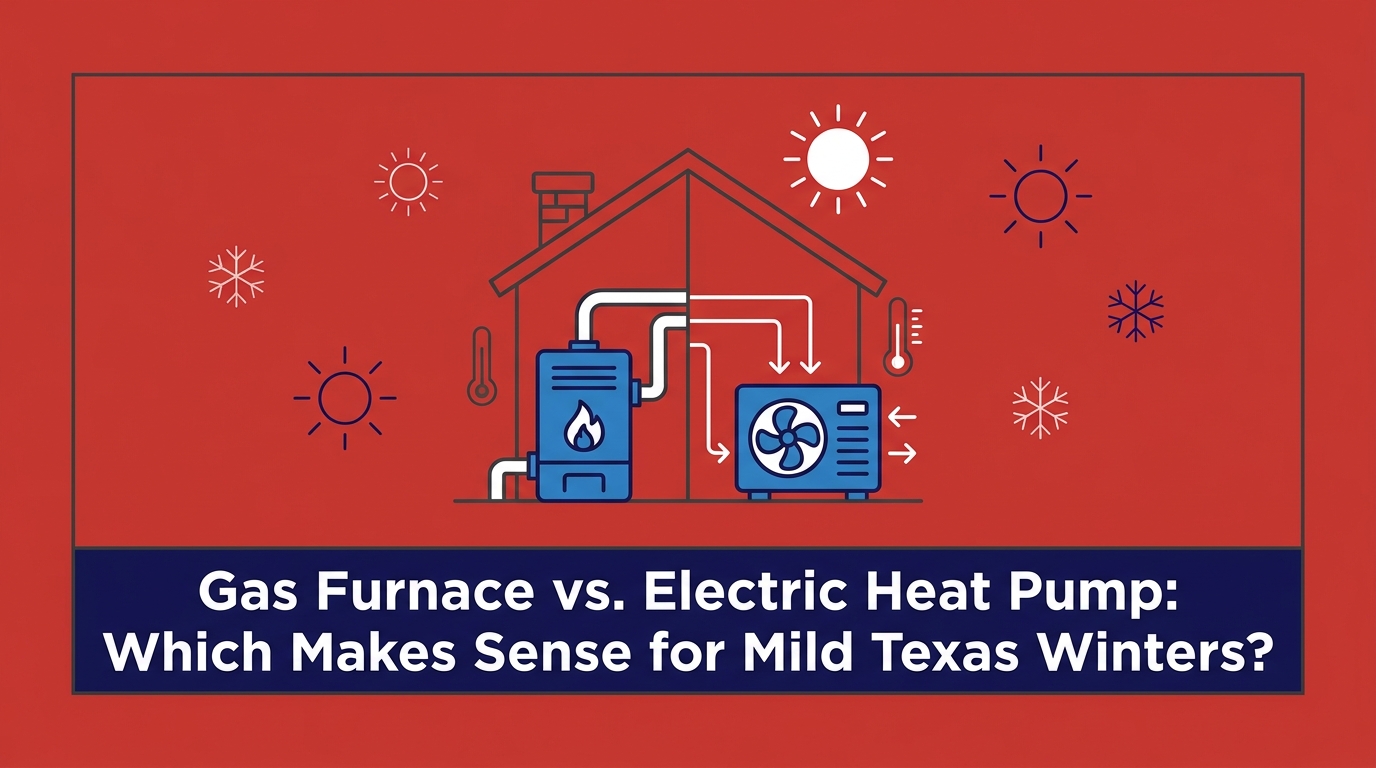
An electric heat pump utilizes electricity to move heat via refrigerant cycles, offering high efficiency and decarbonization benefits, whereas a gas heat pump burns natural gas or propane to drive a thermal compression cycle, providing high heating capacities in sub-zero climates while depending on fossil fuel infrastructure.
Choosing the right heating, ventilation, and air conditioning (HVAC) system for a residential or commercial property is a critical architectural and financial decision. As building energy codes tighten and property owners seek to lower operational carbon footprints, the debate between gas heat pumps and electric heat pumps has gained significant momentum. While both systems utilize thermodynamics to move heat rather than generate it directly through resistance or combustion, their underlying mechanics, fuel sources, efficiency profiles, and structural requirements vary dramatically. Understanding these differences ensures that homeowners, builders, and facility managers can select a climate control solution that aligns with their local energy grid, climate zone, economic constraints, and long-term sustainability goals.
Fundamental Operating Principles of Heat Pumps
To appreciate the differences between gas and electric units, one must first understand how a heat pump functions. Unlike traditional furnaces that create heat by burning fuel or electric resistance heaters that convert electrical current directly into thermal energy, heat pumps move existing heat from one location to another.
During the heating season, a heat pump extracts thermal energy from the ambient outdoor air, ground, or water source and transfers it indoors. In the cooling season, the cycle reverses, acting much like an air conditioner by pulling heat out of the indoor space and releasing it outside. Because they move heat rather than create it, both gas and electric heat pumps can achieve coefficients of performance (COP) greater than 1.0, meaning they deliver more energy units than they consume in power.
However, the primary divergence between the two systems lies in how the refrigeration cycle is powered. Electric heat pumps use an electrically driven motor compressor, whereas gas heat pumps use an internal combustion engine or an absorption thermal compressor driven by natural gas or propane.
Electric Heat Pumps: Mechanics, Efficiency, and Evolution
Electric heat pumps are the cornerstone of modern building electrification. They rely on a standard vapor-compression refrigeration cycle. An electric motor drives a compressor that pressurizes refrigerant, causing it to absorb heat from the outside environment through an evaporator coil and release it indoors via a condenser coil.
Types of Electric Heat Pumps
- Air-Source Heat Pumps (ASHPs): The most common variety, drawing heat from or rejecting heat into the outside air. Modern cold-climate air-source heat pumps utilize advanced inverter-driven compressors and enhanced vapor injection (EVI) technology to maintain high heating capacities even when outdoor temperatures drop below zero.
- Ground-Source (Geothermal) Heat Pumps: These systems circulate water or a water-antifreeze solution through underground loops, tapping into the stable subterranean temperatures of the earth. While possessing exceptionally high efficiencies, they require significant initial capital investment for excavation and drilling.
Advantages of Electric Heat Pumps
Electric heat pumps are widely praised for their dual functionality, providing both high-efficiency heating and air conditioning in a single integrated footprint. When paired with a renewable electricity grid sourced from wind, solar, or hydroelectric generation, they produce zero direct onsite greenhouse gas emissions. Furthermore, technological advancements have drastically improved their low-ambient performance, challenging the historical notion that heat pumps fail in freezing weather.
Limitations of Electric Heat Pumps
Despite their efficiency, electric heat pumps face challenges during extreme cold snaps. As ambient temperatures plummet, the temperature differential increases, causing the system's heating capacity and COP to decline. Traditional units often rely on expensive electric resistance backup strip heaters to compensate during peak heating loads, which can cause electricity bills to spike significantly. Additionally, retrofitting an electric heat pump into a home with a weak electrical panel may require expensive service upgrades.
Gas Heat Pumps: Mechanics, Efficiency, and Dual-Fuel Synergies
Gas heat pumps (GHPs) represent a specialized segment of HVAC technology that combines the thermodynamic benefits of a heat pump cycle with the thermal energy density of natural gas or propane.
Core Mechanics of Gas Heat Pumps
Rather than utilizing an electric motor to drive the compressor, a gas heat pump typically employs a small, internal combustion gas engine that powers the refrigerant compressor. The waste heat generated by the combustion engine is also captured and redirected into the building's heating stream, which significantly boosts total system efficiency during winter operation. Alternatively, some absorption gas heat pumps use a thermal-chemical process involving water and ammonia or lithium bromide without mechanical compressors, resulting in ultra-quiet operation with very few moving parts.
Advantages of Gas Heat Pumps
The standout advantage of a gas heat pump is its thermal performance in cold climates. Because the system utilizes natural gas combustion to drive the cycle and capture supplementary waste heat, its heating capacity remains stable even when outdoor temperatures are deeply sub-zero. It does not suffer from the capacity drop characteristic of older electric units, nor does it require power-hungry electric resistance backup heaters. For commercial buildings or regions with high spark spreads (the price ratio of electricity to natural gas), GHPs can offer compelling operational cost advantages.
Limitations of Gas Heat Pumps
Gas heat pumps are complex mechanical systems that require specialized technician training for installation and maintenance. Because they contain combustion engines, they require routine mechanical servicing akin to a small engine, including oil changes and emissions checks. Their initial equipment cost is often higher than standard electric systems, and their availability is geographically constrained by local distribution networks for natural gas or propane tanks. Furthermore, they do not align with municipal and state mandates targeting complete building decarbonization and the elimination of onsite fossil fuel combustion.
Comprehensive Comparison: Gas vs. Electric Heat Pumps
Evaluating the two technologies side-by-side highlights how structural differences translate into real-world performance metrics, infrastructure requirements, and environmental impacts.
| Feature / Metric | Electric Heat Pump (Cold-Climate ASHP) | Gas Heat Pump (Engine-Driven or Absorption) |
|---|---|---|
| Primary Energy Source | Electricity (Grid or Onsite Solar) | Natural Gas or Propane |
| Onsite Carbon Emissions | Zero (Direct); depends on grid mix | Moderate to Low (Fossil fuel combustion) |
| Heating Performance in Extreme Cold | High (with modern inverter/EVI tech) | Exceptionally High (Stable capacity in sub-zero temps) |
| Cooling Capability | Excellent (Standard reversing valve operation) | Excellent (Reversible refrigeration cycle) |
| Initial Equipment & Install Cost | Moderate to High (May require electrical upgrades) | Very High (Specialized equipment and labor) |
| Maintenance Requirements | Low (Filter changes, annual coil checks) | High (Engine servicing, oil checks, mechanical wear) |
| Electrical Infrastructure Need | High (Dedicated 240V circuit, potential panel upgrade) | Low to Moderate (Standard power for controls and fans) |
Economic Considerations and Total Cost of Ownership
When budgeting for an HVAC replacement, consumers must look beyond the initial purchase price to evaluate the total cost of ownership over a 15-to-20-year lifecycle.
Electric heat pumps generally benefit from lower ongoing maintenance costs because they have fewer moving parts and do not handle combustion byproducts. Moreover, federal incentives, state tax credits, and local utility rebates heavily favor electric heat pumps as part of broader climate policies. For instance, programs authorized by legislation like the United States Inflation Reduction Act provide substantial point-of-sale discounts and tax credits for high-efficiency heat pump installations.
Conversely, the economic viability of a gas heat pump depends heavily on local utility rate structures. In regions where natural gas prices are exceptionally low relative to electricity, a GHP can yield lower monthly operational bills, particularly for large commercial applications or massive residential estates with high peak heating loads. However, the scarcity of certified installers often drives up labor bids, and the specialized maintenance schedule can add recurring service costs over the lifespan of the equipment.
Environmental Impact and Regulatory Trends
The regulatory landscape plays an increasingly decisive role in HVAC selection. Governments across North America and Europe are implementing stringent building codes that penalize or outright ban the installation of fossil-fuel-burning appliances in new construction.
Electric heat pumps are uniquely positioned to benefit from these policy shifts. As electrical grids progressively incorporate more utility-scale wind, solar, and nuclear power, the carbon intensity of operating an electric heat pump drops year over year.
Gas heat pumps, while more efficient than traditional gas furnaces or boilers, still rely on fossil fuel combustion. They emit carbon dioxide directly at the property boundary, alongside minor amounts of nitrogen oxides (NOx) depending on the engine design. Consequently, their deployment is largely restricted to specific industrial contexts, off-grid locations with ample propane supply, or transitional markets where electrical grid capacity cannot yet support widespread residential electrification.
Making the Right Selection for Your Property
Selecting between a gas heat pump and an electric heat pump requires a careful audit of your specific site conditions, climate profile, and operational priorities.
- Assess Your Climate Zone: If you live in a mild coastal climate or a moderate continental region, a modern cold-climate electric heat pump will handle your heating and cooling needs effortlessly. If you reside in an extreme northern climate with prolonged sub-zero winters and high peak heating loads, a gas heat pump—or a hybrid dual-fuel system pairing an electric heat pump with a gas furnace—warrants consideration.
- Evaluate Electrical Infrastructure: Check your home's main electrical service panel. Upgrading from fossil fuel heating to a high-capacity electric heat pump often requires a 200-amp service upgrade and dedicated wiring. If your electrical panel cannot support the load and upgrading is cost-prohibitive, alternative fuel sources must be factored in.
- Review Local Utility Rates: Calculate the local cost per kilowatt-hour (kWh) of electricity versus the cost per therm of natural gas. A local HVAC professional can perform an energy modeling analysis to project your annual utility expenditures under both systems.
- Investigate Incentives: Research available federal, state, and utility-level rebates. Financial incentives frequently tilt the economic balance decisively in favor of electric heat pumps.
By weighing these technical, economic, and environmental factors, property owners can invest in a heating and cooling system that delivers reliable comfort, optimized energy efficiency, and long-term financial value.
Image Gallery
Select an image to open it in a new tab.
Mateo Castillo
Decentralized Finance and E-Payments Strategist
