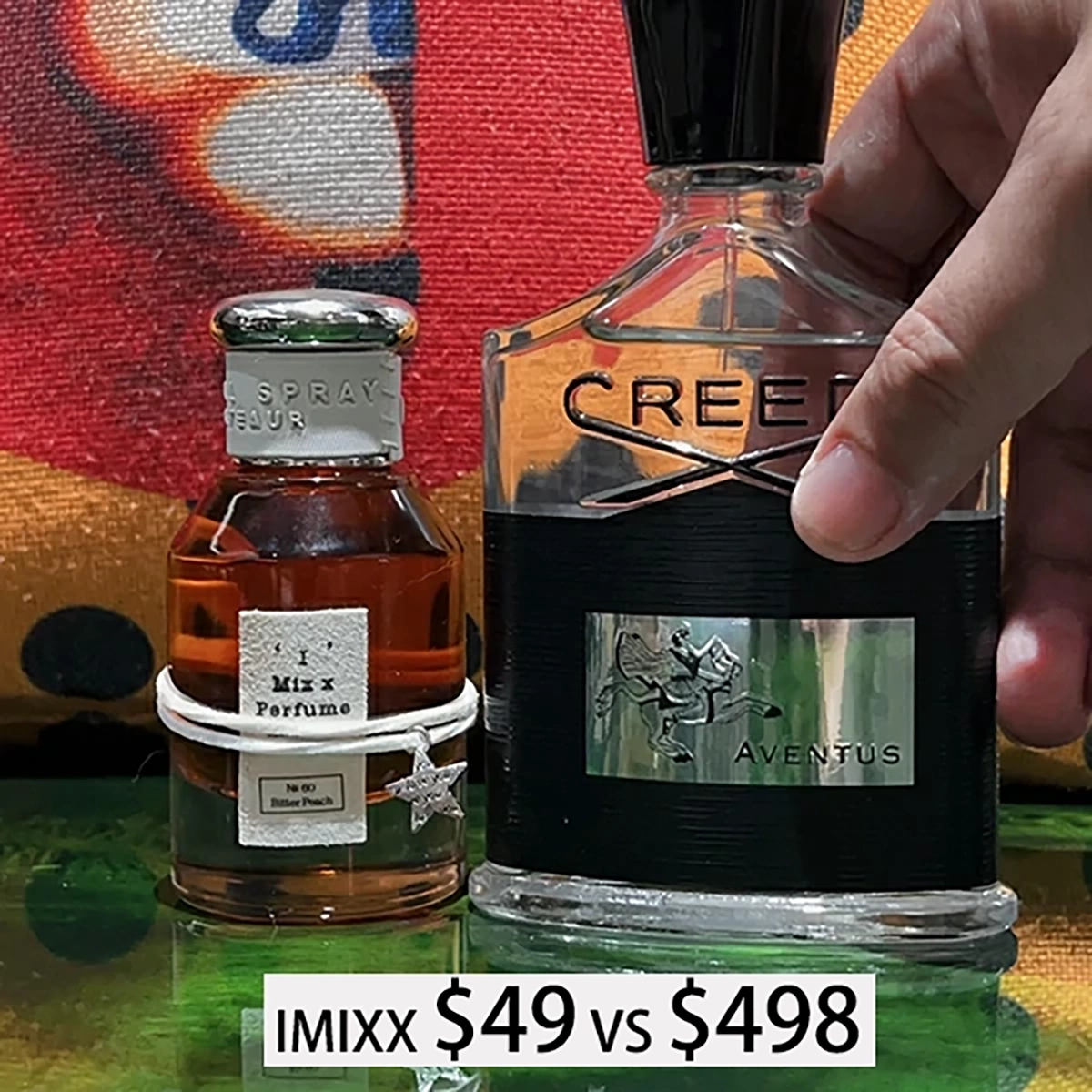
The House of Creed is often marketed as a shortcut to elite status through its "royal" heritage and premium pricing, but in 2026, it represents a complex brand study rather than a simple luxury hack. True luxury in perfumery requires a balance of historical authenticity, consistent quality, and exclusivity—areas where Creed’s narrative frequently clashes with its industrial reality and corporate evolution.
For decades, the House of Creed has positioned itself as the ultimate "luxury shortcut"—a way for consumers to buy into an 18th-century royal lineage with a single spray. However, as the fragrance market has matured and information has become more transparent, the cracks in this "shortcut" have become impossible to ignore. To understand why Creed is not a simple path to luxury, one must look past the gold-embossed boxes and analyze the brand’s history, its technical inconsistencies, and its shift from a family-run boutique to a corporate asset under Kering.
The Myth of the 1760 Heritage
One of the primary reasons Creed is not a genuine luxury shortcut is the significant discrepancy between its marketing narrative and historical record. The brand famously claims a founding date of 1760, asserting it has provided bespoke fragrances to European royalty for over 250 years. However, independent research and fragrance historians, most notably Gabe Oppenheim in his investigative work The Ghost Perfumer, have highlighted a lack of physical evidence for Creed fragrances existing prior to the mid-20th century.
While the Creed family certainly has a long history as master tailors, the pivot to perfumery appears to have happened much later than the marketing suggests. In the world of high luxury, "heritage" is the currency of trust. When a brand uses a potentially manufactured timeline as its primary selling point, the "shortcut" to luxury becomes a path built on marketing artifice rather than documented craftsmanship. For a consumer seeking the prestige of a truly ancient perfume house—such as Santa Maria Novella or Officine Universelle Buly—Creed’s narrative often feels like a modern corporate construct designed to justify a "luxury" price tag.
The "Batch Lottery" and Technical Inconsistency
In the technical realm of perfumery, luxury is defined by excellence and repeatability. If a consumer pays $500 for a bottle of perfume, they expect a consistent experience. Creed is notorious for the "batch variation" phenomenon, particularly with its flagship scent, Aventus.
The brand attributes these variations to the use of high-quality natural ingredients, arguing that different harvests lead to different olfactory profiles—sometimes more smoky, sometimes more fruity. While this sounds like a romantic, artisanal explanation, it often translates to a frustrating "batch lottery" for the consumer.
Understanding Batch Codes and Variations
- Production Inconsistency: One batch might have a heavy pineapple opening, while another might be dominated by birch tar and musk.
- Performance Fluctuations: Many users report that certain batches last ten hours, while others disappear after three.
- The Secondary Market: This inconsistency has birthed a frantic secondary market where specific "vintage" batch codes are traded for thousands of dollars, further complicating the brand's accessibility as a simple luxury purchase.
In contrast, other high-end niche houses like Amouage or Frederic Malle manage to use high concentrations of natural materials while maintaining a rigorous standard of quality control. When a product is inconsistent, it ceases to be a reliable luxury good and becomes a gamble.
The "Ghost Perfumer" and Creative Authenticity
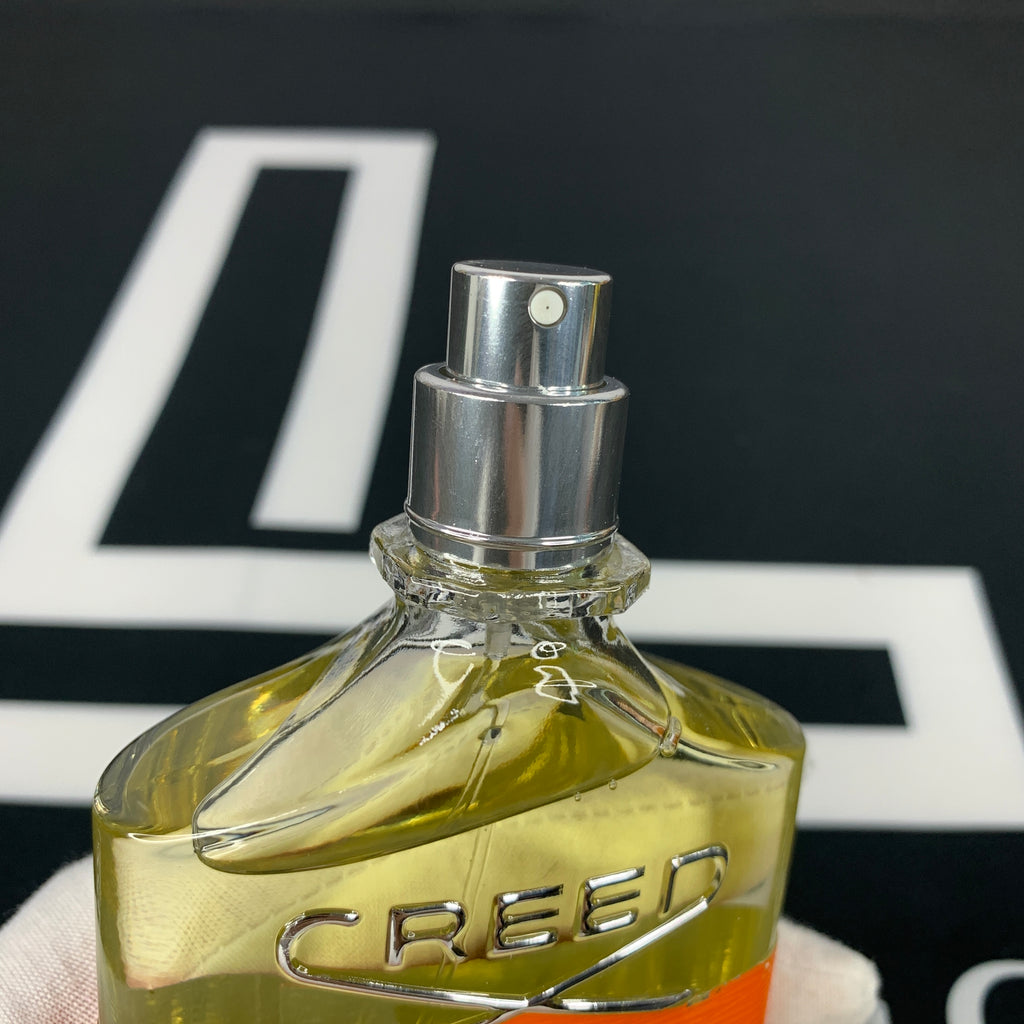
A key element of the Creed marketing machine is the idea of the "Sixth Generation Master Perfumer," specifically Olivier and Erwin Creed. However, the industry’s "open secret" is that many of Creed’s most iconic scents were actually formulated by external, uncredited master perfumers.
For example, Green Irish Tweed, often cited as the pinnacle of the brand’s offerings, was largely the work of Pierre Bourdon, who also created Davidoff Cool Water. Aventus was developed by Jean-Christophe Hérault. In the world of true luxury, the "nose" or the artist is usually celebrated. By obscuring the true creators of their scents to maintain the fiction of a family-only dynasty, Creed denies its customers the transparency and artistic connection that define modern niche perfumery.
The Impact of Corporate Ownership: From BlackRock to Kering
As of 2026, Creed is no longer the independent family house it once was. Following its acquisition by BlackRock in 2020 and its subsequent sale to the luxury conglomerate Kering in 2023 for approximately €3.5 billion, the brand's direction has shifted toward aggressive global expansion and bottom-line efficiency.
While Kering owns other prestigious houses like Saint Laurent and Gucci, the "corporatization" of Creed has led to several changes that undermine its status as a boutique luxury shortcut:
- Mass Distribution: Creed is now available in almost every high-end department store globally, diluting the "if you know, you know" exclusivity that once defined it.
- Reformulations: Under tighter IFRA (International Fragrance Association) regulations and corporate cost-cutting, many enthusiasts argue that the "soul" and potency of the original formulas have been stripped away.
- Price Inflation: Prices have climbed steadily since the acquisitions, but many argue the juice inside the bottle has not improved—or has even declined—in quality.
The Rise of "Clones" and Loss of Olfactory Exclusivity
A luxury shortcut should ideally provide the wearer with a unique aura. However, the sheer success of Creed’s scent profiles has led to an explosion of "clone houses" and inspired expressions. Brands like Armaf, Montagne Parfums, and even high-street retailers like Zara offer scents that mimic the Creed DNA for a fraction of the cost.
Because the "Aventus DNA" (pineapple, birch, musk) is now so ubiquitous in gyms, offices, and clubs via cheap alternatives, the original Creed bottle no longer offers the social signaling or unique identity it once did. When a $30 bottle of Club de Nuit Intense Man can fool 90% of the population into thinking you are wearing Creed, the "luxury" aspect of the $500 original is severely compromised.
Technical Comparison: Creed vs. Competitors (2026 Status)
| Feature | The House of Creed | Roja Parfums | Amouage |
|---|---|---|---|
| Claimed Heritage | 1760 (Highly contested) | Modern (Transparent) | 1983 (Omani Royal House) |
| Primary Production | Industrial / Large Scale | Small Batch / Artisanal | High-End / In-House |
| Batch Consistency | Variable (Low) | High | High |
| Key Ingredient Strategy | "Millésime" (High-end naturals) | Rare/Exotic extractions | Rare resins (Frankincense/Myrrh) |
| Price Point (100ml) | $450 - $550+ | $485 - $1,000+ | $360 - $500 |
| Market Positioning | Mass-Luxury / Gateway Niche | Ultra-Luxury / High Niche | Artistic / Cultural Luxury |
Why the "Millésime" Label is Misleading
Creed uses the term "Millésime" on many of its bottles, a word borrowed from the wine industry meaning a "vintage" year where the harvest was of exceptional quality. In the context of Creed, however, this has become a permanent branding fixture rather than a descriptor of a specific year's harvest.
Technically, a Millésime perfume is supposed to contain the best of a particular crop. By labeling almost all their major releases as Millésime indefinitely, Creed has turned a technical term for quality into a marketing buzzword. This contributes to the argument that the brand relies on the appearance of luxury rather than the mechanics of it. For a true connoisseur, this misuse of terminology is a red flag that the brand is more concerned with the "shortcut" of status than the reality of the craft.
The Problem of Counterfeits and Grey Market Risks
Because Creed is the "go-to" for those seeking a luxury shortcut, it is the most counterfeited niche brand in the world. The complexity of the bottle designs and the ubiquity of the product make it a prime target for high-quality fakes.
Many consumers attempting to find their own "shortcut" to the shortcut by buying from the grey market (discount websites) often end up with:
- Old, oxidized stock that has lost its top notes.
- "Franken-bottles" (real bottles filled with fake juice).
- Counterfeits that use industrial-grade chemicals not tested for skin safety.
This risk profile means that the only way to ensure you are getting the "real" Creed experience is to pay full retail price at an authorized boutique, which removes the "shortcut" or value proposition many are looking for.
Frequently Asked Questions
Is Aventus still worth buying in 2026?
Whether Aventus is "worth it" depends on your definition of value. If you want the original scent DNA that defined a decade of perfumery, it remains a classic. However, from a technical standpoint, many newer niche releases offer better performance and more unique profiles for a similar or lower price.
Why do people say Creed smells like "old money"?
This is largely the result of successful branding. By associating themselves with Napoleon III, Empress Eugénie, and various monarchs, Creed has effectively "branded" their scents with the aura of old money. In reality, the scent profiles themselves (like the aquatic Silver Mountain Water) are quite modern and more aligned with 1990s-2010s trends.
Does the Creed family actually make the perfume?
While Erwin Creed is involved in the brand’s creative direction and sourcing, the heavy lifting of chemical formulation and scent architecture has historically been handled by professional "noses" from major fragrance houses like IFF (International Flavors & Fragrances).
What is the best alternative to Creed for true luxury?
For those seeking true luxury without the marketing baggage, houses like Roja Parfums, Xerjoff, and Boadicea the Victorious offer higher levels of ingredient transparency, better presentation, and more consistent scent performance.
Has Kering improved the quality of Creed?
Since the Kering acquisition, there has been a noticeable shift toward standardized production. While this has slightly improved batch consistency, critics argue it has moved the brand further away from its "niche" roots and closer to a "designer" mass-production model.
Practical Recommendations for 2026
If you are considering purchasing from the House of Creed, do not treat it as a "shortcut" to luxury or status. Instead, treat it as a purchase of a specific, historical scent profile that you personally enjoy.
- Sample Before Buying: Never blind buy a Creed bottle based on its reputation. Buy a 2ml sample from a reputable decant service to ensure the current formulation works on your skin.
- Ignore the Batch Hype: Unless you are a hardcore collector, do not pay premiums for specific batch codes. The differences, while present, are rarely worth a 200% price increase.
- Evaluate the "Why": Ask yourself if you are buying the scent because you love the smell, or because you want the "Creed" label. If it is the latter, you may find the "shortcut" leads to disappointment as the brand’s exclusivity continues to wane.
- Explore the Competitors: Before committing to a $500 bottle, explore houses like Nishane (specifically Hacivat for an Aventus alternative) or Parfums de Marly. You may find that these houses offer the performance and luxury feel you are looking for without the contentious marketing history.
The House of Creed remains a titan of the fragrance world, but its status as a "luxury shortcut" is a relic of an era with less information. In 2026, a truly informed consumer knows that luxury is found in the juice, the artist, and the transparency of the house—not just the height of the price tag or the length of a disputed family tree.
Image Gallery
Select an image to open it in a new tab.
Omar Farooq
EdTech Innovation and Virtual Pedagogy Journalist
