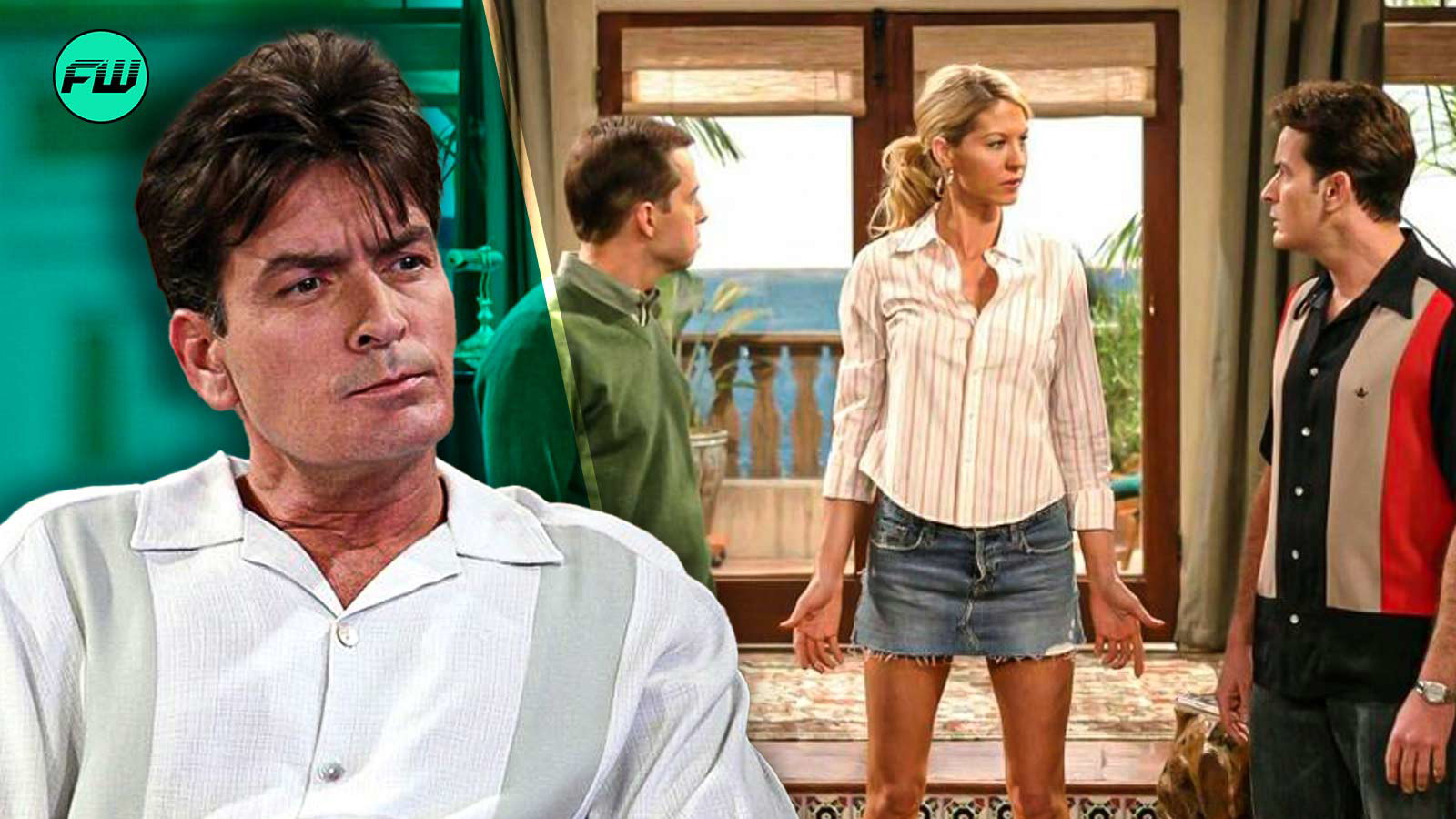
The departure of Charlie Sheen from the hit CBS sitcom Two and a Half Men in 2011 remains one of the most publicized and controversial exits in television history. Navigating the mountain of media reports requires distinguishing between documented contractual events, public statements, and the various myths that have persisted in pop culture for over a decade.
The Context of the Public Breakdown
To understand the separation of Charlie Sheen from the role of Charlie Harper, one must look at the timeline leading up to March 2011. By late 2010 and early 2011, Sheen’s personal life was the subject of intense tabloid scrutiny, compounded by his high-profile public comments regarding the show’s creator, Chuck Lorre.
The "myth" often circulated is that Sheen was fired solely for his substance use. While his personal struggles were undeniably the catalyst for the instability, the legal and professional reality was more nuanced. The production was halted by CBS and Warner Bros. Television in February 2011, initially described as a hiatus intended to allow Sheen to seek treatment. However, the subsequent "Tiger Blood" media tour, featuring inflammatory radio interviews and a web broadcast, shifted the narrative from a health-related hiatus to a fundamental breakdown of the employer-employee relationship.
Myth: Charlie Sheen Quit the Show
A persistent myth is that Charlie Sheen walked away from the show of his own volition. In truth, the decision was made by Warner Bros. Television, which exercised a termination clause in Sheen's contract. On March 7, 2011, the studio officially fired Sheen, citing "dangerously self-destructive conduct" and his increasingly erratic public behavior.
The legal reality is that Sheen’s contract contained morality clauses. The studio argued that his public statements, which included disparaging remarks about the production team, violated these clauses and rendered his continued employment impossible. Sheen later filed a lawsuit against Warner Bros. and Chuck Lorre, seeking $100 million in damages. This litigation ultimately resulted in a confidential settlement, proving that the separation was a legal termination rather than a voluntary resignation.
Fact: The Financial Impact and Settlement
The financial stakes of the Two and a Half Men fallout were unprecedented for a sitcom. At the time of his firing, Sheen was the highest-paid actor on television, reportedly earning approximately $1.8 million per episode. The cancellation of the remainder of the season meant a massive loss of advertising revenue for CBS and production fees for Warner Bros.
The settlement reached in September 2011 remains a point of interest for industry analysts. While the specific dollar amount remains sealed, reports from the time suggested the payout was significant enough to satisfy Sheen’s legal team while allowing the network to move forward with the series. It is a verified fact that this settlement closed the legal chapter of their dispute, preventing the discovery process that would have occurred had the lawsuit proceeded to a full trial.
Myth: The Show Was Cancelled Immediately
Many casual viewers operate under the misconception that the show ended the moment Charlie Sheen was fired. This is factually incorrect. Following the conclusion of the eighth season, which was shortened due to the production halt, the show was retooled. Ashton Kutcher joined the cast as Walden Schmidt, and the series continued for four additional seasons, concluding in 2015.
The "myth" here involves the perceived success of the transition. While the show experienced a dip in critical acclaim, the ratings for the premiere episode of season nine, featuring Kutcher, drew massive viewership, proving that the brand was stronger than the individual star.
Fact: Creative Differences vs. Personal Conduct
While the public discourse focused heavily on Sheen's personal conduct, there were legitimate creative tensions between Sheen and showrunner Chuck Lorre. Interviews from the era indicate that the transition from a traditional sitcom format to the high-pressure environment of a long-running, multi-camera production created friction.
Lorre was known for a rigorous writing process, and as Sheen's personal life became increasingly chaotic, his ability to meet the demands of a high-volume shooting schedule became a primary concern for the production. The "myth" that this was purely about ego is incomplete; it was a collision between an actor in crisis and a production machine that required extreme reliability to maintain its output.
Comparison of Key Events: Reality vs. Perception
| Event | Common Perception (Myth) | Verified Reality (Fact) |
|---|---|---|
| The Exit | Charlie Sheen quit the show. | He was terminated by Warner Bros. |
| The Cause | Only for drug and alcohol use. | Contract breach, morality clauses, and conduct. |
| The Lawsuit | Sheen won a public victory. | Confidential settlement reached out of court. |
| The Show | It was cancelled permanently. | It ran for four more seasons with a new lead. |
| The Relationship | They never spoke again. | Reconciliation efforts occurred years later. |
The Legacy of the "Tiger Blood" Era
In the years since the 2011 incident, the cultural impact of Sheen’s departure has shifted from a tabloid frenzy to a case study in celebrity crisis management. The "myth" that this behavior was a calculated marketing ploy has been debunked by Sheen himself, who has in subsequent years expressed remorse for his actions and the way he treated his former colleagues.
From a professional standpoint, the situation demonstrated the fragility of long-term television contracts when the human element of production fails. The studio's ability to pivot to a new lead actor demonstrated the value of the intellectual property over the talent, a shift that changed how studios structure contracts for high-earning leads in the years that followed.
FAQ: Addressing Common Questions
Was Charlie Sheen’s firing illegal? No. Employment contracts for high-level actors in television almost always include morality clauses and performance requirements. Because Sheen’s actions caused the production to shut down and violated his professional obligations, Warner Bros. acted within the scope of its contractual rights to terminate the agreement.
How much money was involved in the settlement? The exact figure remains confidential as part of the legal agreement between Sheen, Warner Bros., and CBS. While news outlets estimated the figure to be in the tens of millions, it has never been verified in any public record or financial filing.
Did Chuck Lorre and Charlie Sheen ever reconcile? Yes, there have been reports and public indications that the two have mended fences. In the years following the show's conclusion, both parties expressed a desire to move past the hostility of 2011, and they have reportedly communicated to clear the air regarding the events of that period.
Why was the show able to continue with a new character? Two and a Half Men was a highly profitable, established brand with a strong supporting cast (notably Jon Cryer). Networks often prioritize the continuity of the series itself over the presence of any single actor, provided the writing staff can successfully retool the premise to accommodate a new protagonist.
Is it true the show’s writers were mocking Charlie Sheen in later episodes? The show frequently used the character of Walden Schmidt and other plot points to make subtle—and sometimes not-so-subtle—references to the show's past. While often perceived as "shots" at the former star, it was a common narrative device to address the transition for the audience.
Recommendation and Next Action
For those interested in the deeper industry implications of this event, the most reliable path is to review the original legal filings and court documents from the 2011 Los Angeles Superior Court proceedings. Avoid tabloid summaries from the era and instead look for reporting from trade publications like Variety or The Hollywood Reporter, which maintained strict standards of verification during the dispute. If you are researching this as part of a media studies project, focus on the contractual language regarding "morality clauses" to understand the legal standard for termination in the entertainment industry.

Image Gallery
Select an image to open it in a new tab.



Ingrid Bjornson
Global Cyber Policy and Regulation Analyst
