
Cellular networks function by dividing a geographical area into discrete sections called cells, each served by a base station that transmits and receives radio signals. When a device moves, the network seamlessly hands off the connection between these cells, allowing for continuous communication as the signal is routed through a complex infrastructure of towers, switching centers, and global fiber-optic backbones.
The Foundation: Cellular Topology
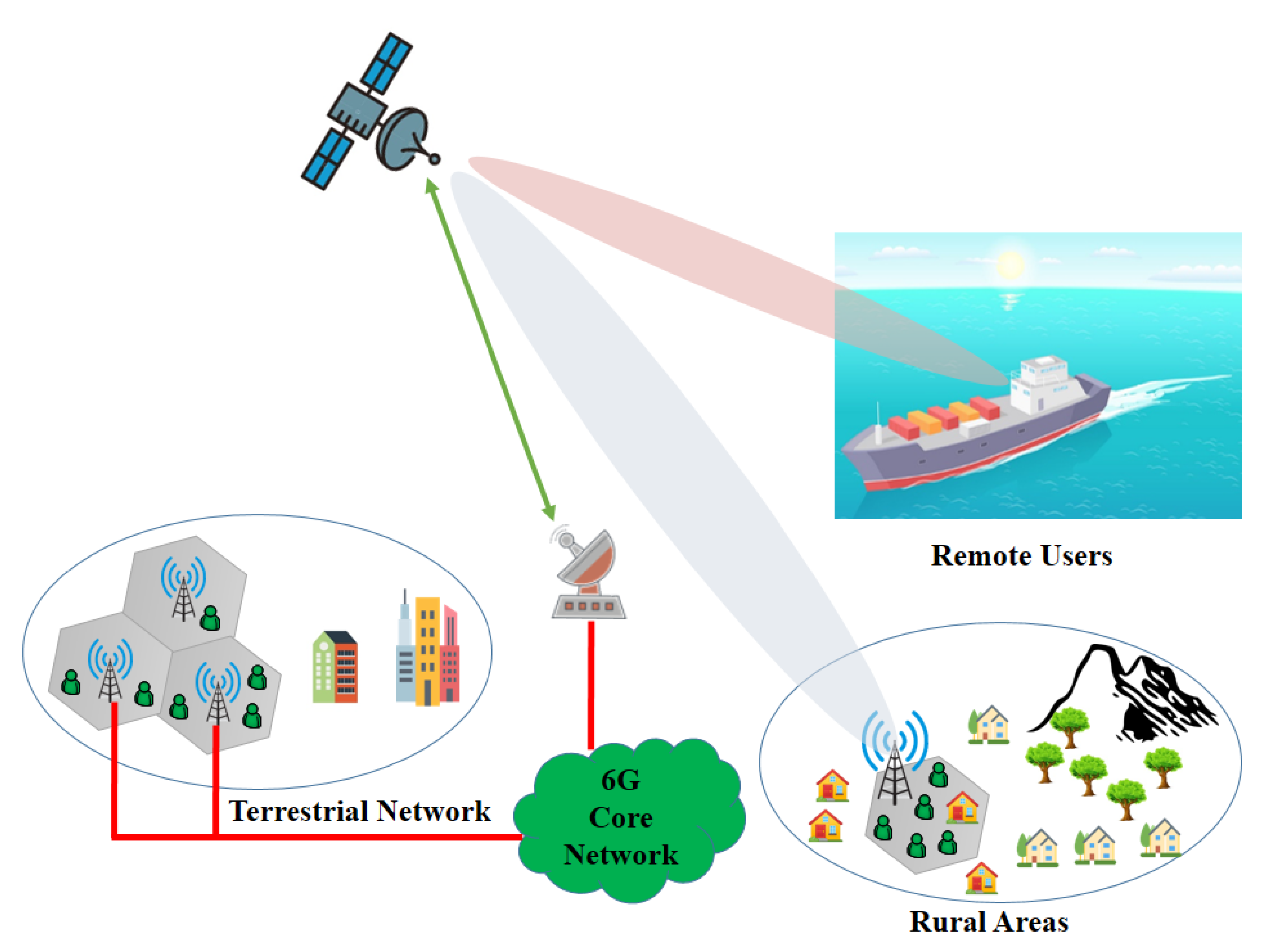
At its most fundamental level, a cellular network is a distributed radio system. Unlike a traditional point-to-point radio link that might connect two fixed locations, a cellular network is designed to support thousands or millions of mobile users simultaneously. To manage this, engineers divide the coverage area into a grid of hexagonal shapes, often visualized as a honeycomb.
Each hexagon represents a "cell," and at the center (or sometimes the corner) of each cell sits a base station, commonly known as a cell tower. By using low-power radio transmitters, the system can reuse the same frequency bands in non-adjacent cells. This frequency reuse is the genius of the cellular concept; it allows the network to support a massive number of concurrent users without running out of available radio spectrum. If every phone in a city required a unique frequency, the spectrum would be exhausted almost instantly.
The Lifecycle of a Mobile Connection
When you initiate a call or request data from your smartphone, a sophisticated sequence of events occurs in milliseconds. The process begins with your device, known as User Equipment (UE), performing a "cell search." It scans the available frequencies broadcast by nearby towers to identify the one with the strongest signal, known as the "serving cell."
- Authentication: Once the phone connects to the base station, it sends a request to the Mobile Switching Center (MSC). The network checks your identity and subscription status via the Home Location Register (HLR) or its modern equivalent, the Unified Data Management (UDM) in 5G networks.
- Resource Allocation: The base station assigns specific radio resources—time slots or frequency blocks—to your device to ensure your transmission does not collide with other users in the same cell.
- Backhaul Transmission: Your voice or data is converted into digital packets. These packets are sent from the tower to a central controller via a backhaul connection, which is typically a high-capacity fiber-optic cable or, in rural areas, a high-frequency microwave link.
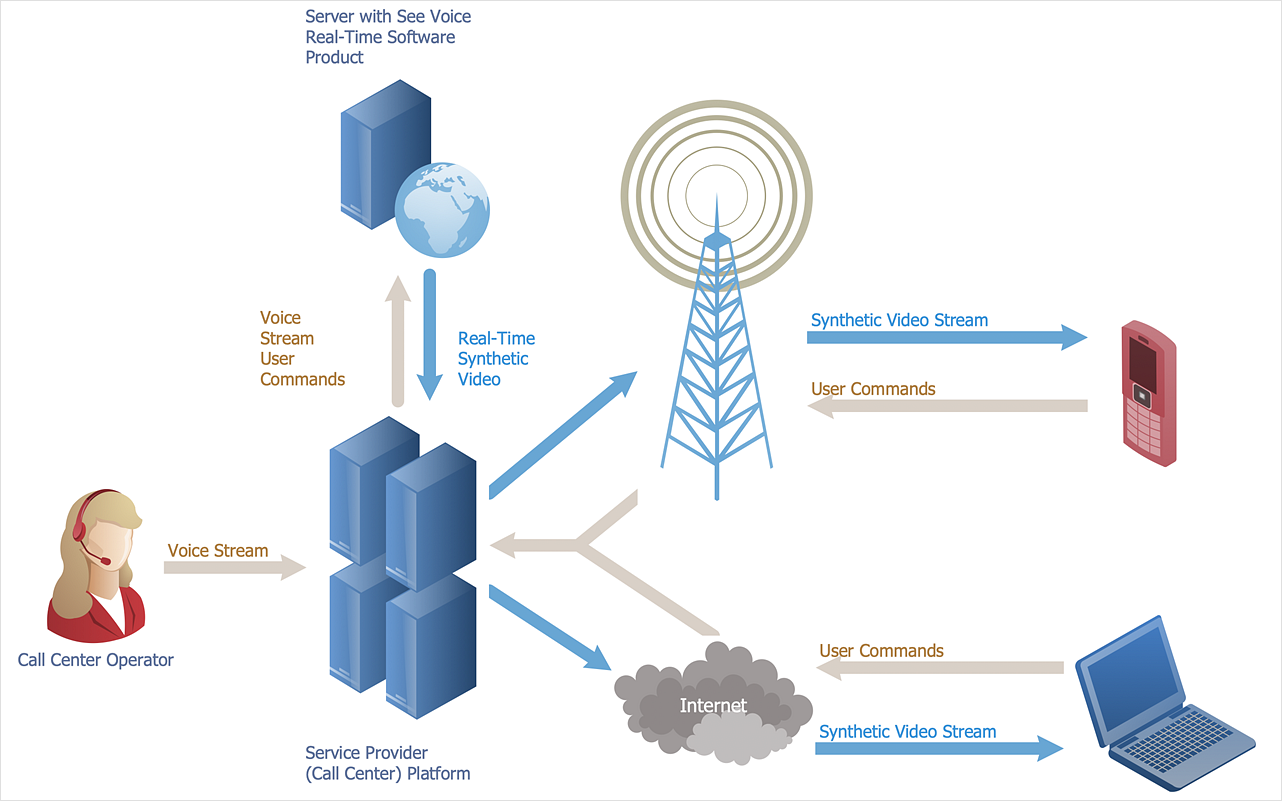
- Routing: From the controller, the data enters the "core network." Here, the network identifies the destination—whether it is another mobile device, a landline, or an internet server—and routes the signal accordingly.
The Evolution of Air Interface Standards
Cellular networks have evolved through successive generations, each defined by an increase in data capacity and a decrease in latency. While the underlying physical topology remains similar, the "air interface"—the way data is modulated onto radio waves—has become exponentially more efficient.
- 1G and 2G (GSM/CDMA): These early iterations focused primarily on analog and later digital voice. Data transmission was an afterthought, resulting in very slow speeds.
- 3G (UMTS/HSPA): This generation introduced the ability to browse the mobile web, though speeds were modest by modern standards.
- 4G (LTE): Long-Term Evolution moved the industry toward an all-IP (Internet Protocol) network, treating voice calls as data packets. This allowed for high-definition video streaming and rapid web browsing.
- 5G (NR): The current standard in 2026 focuses on three pillars: massive Machine Type Communications (mMTC) for the Internet of Things, Ultra-Reliable Low-Latency Communications (URLLC), and Enhanced Mobile Broadband (eMBB). 5G uses higher-frequency "millimeter wave" spectrum to carry massive amounts of data over short distances.
Comparing Network Generations
| Generation | Primary Focus | Typical Latency | Peak Data Rate |
|---|---|---|---|
| 2G | Voice/SMS | 300–500 ms | 64 Kbps |
| 3G | Mobile Data | 100–150 ms | 2 Mbps |
| 4G | Broadband | 30–50 ms | 100 Mbps – 1 Gbps |
| 5G | IoT & Low Latency | <10 ms | Up to 10–20 Gbps |
The Mechanics of Handoffs
One of the most complex aspects of cellular networking is the "handoff" or "handover." As you travel in a vehicle or train, your connection must move from one cell to the next without dropping your call or disconnecting your data session.
There are two main types of handoffs: "hard" and "soft." In a hard handoff, the device breaks the connection with the current tower before establishing a new one with the next. This is very fast, but if the timing is off, the call can drop. Soft handoffs, common in older CDMA systems, involve the device connecting to the new tower before releasing the old one. Modern LTE and 5G networks utilize highly sophisticated software-defined handovers, where the network predicts your movement based on signal strength trends and proactively prepares the target tower to receive your device.
Challenges: Interference, Capacity, and Topology
Maintaining a stable network is a constant battle against physics. Radio waves are susceptible to reflection, diffraction, and absorption. Concrete buildings, trees, and even heavy rain can attenuate signals.
- Interference: If two base stations use the same frequency too close to each other, "co-channel interference" occurs. Operators use complex algorithms and directional antennas to tilt and focus signals, ensuring that the "leakage" into neighboring cells is minimized.
- Capacity Limits: When thousands of users congregate in a small area, such as a stadium, the cell becomes "congested." To solve this, providers deploy "small cells"—miniature base stations that handle local traffic—to offload demand from the primary macro tower.
- Spectrum Scarcity: Governments regulate the radio spectrum, auctioning off specific slices to carriers. Because there is a finite amount of spectrum, efficiency is paramount. Technologies like MIMO (Multiple Input, Multiple Output) allow towers to use multiple antennas to send and receive multiple data streams simultaneously, effectively multiplying the capacity of a single connection.
Security and Verification
Cellular networks are designed with multi-layered security. Your SIM card (or eSIM) contains a unique secret key known only to you and your carrier. When you connect, the network performs a mutual authentication process. The network proves it is legitimate, and your device proves it is authorized to access the network. This prevents "rogue base stations" from easily intercepting traffic, although high-level threats remain a focus of cybersecurity research and development.
Frequently Asked Questions
Why does my phone signal drop when I go indoors? Signals at higher frequencies (like those used for 5G) have shorter wavelengths and struggle to penetrate solid objects like brick or steel. When you move indoors, the building materials absorb the radio energy, significantly reducing signal strength compared to an outdoor environment.
What is the difference between Wi-Fi and Cellular? Wi-Fi is a local area network (LAN) technology designed for short-range, high-bandwidth indoor use on unlicensed spectrum. Cellular networks are wide area networks (WAN) designed for mobility and broad geographic coverage using licensed, regulated spectrum that ensures fewer interruptions.
How does 5G differ from previous generations? 5G is not just faster; it is fundamentally more flexible. It uses network "slicing" to create virtual networks within the physical infrastructure. One slice can be optimized for high-speed video, while another is optimized for low-power, low-bandwidth sensors, allowing one network to serve diverse needs simultaneously.
Does a cellular network require a physical connection to the internet? Yes. Every cellular tower is eventually connected to a "backbone"—a series of high-capacity fiber-optic cables that connect to the global internet. Without this physical link, a cell tower would be an isolated island of radio waves.
What happens to my data when I move between towers? The network tracks your device's location in real-time. As signal strength at your current tower declines and increases at an adjacent one, the network controller triggers a handover command, signaling your phone to switch its transmission frequency and synchronization to the new tower.
Recommendation for Further Understanding
To gain a practical grasp of your own network environment, use the "Field Test" mode built into most smartphones (accessible via specific dialer codes like 3001#12345# on many platforms). This menu displays real-time data about your current RSRP (Reference Signal Received Power) and RSRQ (Reference Signal Received Quality). Monitoring these metrics while moving through different environments provides a tangible look at how your device negotiates its connection to the cellular infrastructure.

Image Gallery
Select an image to open it in a new tab.




Declan O'Connor
Higher Education and Campus Culture Reporter
