
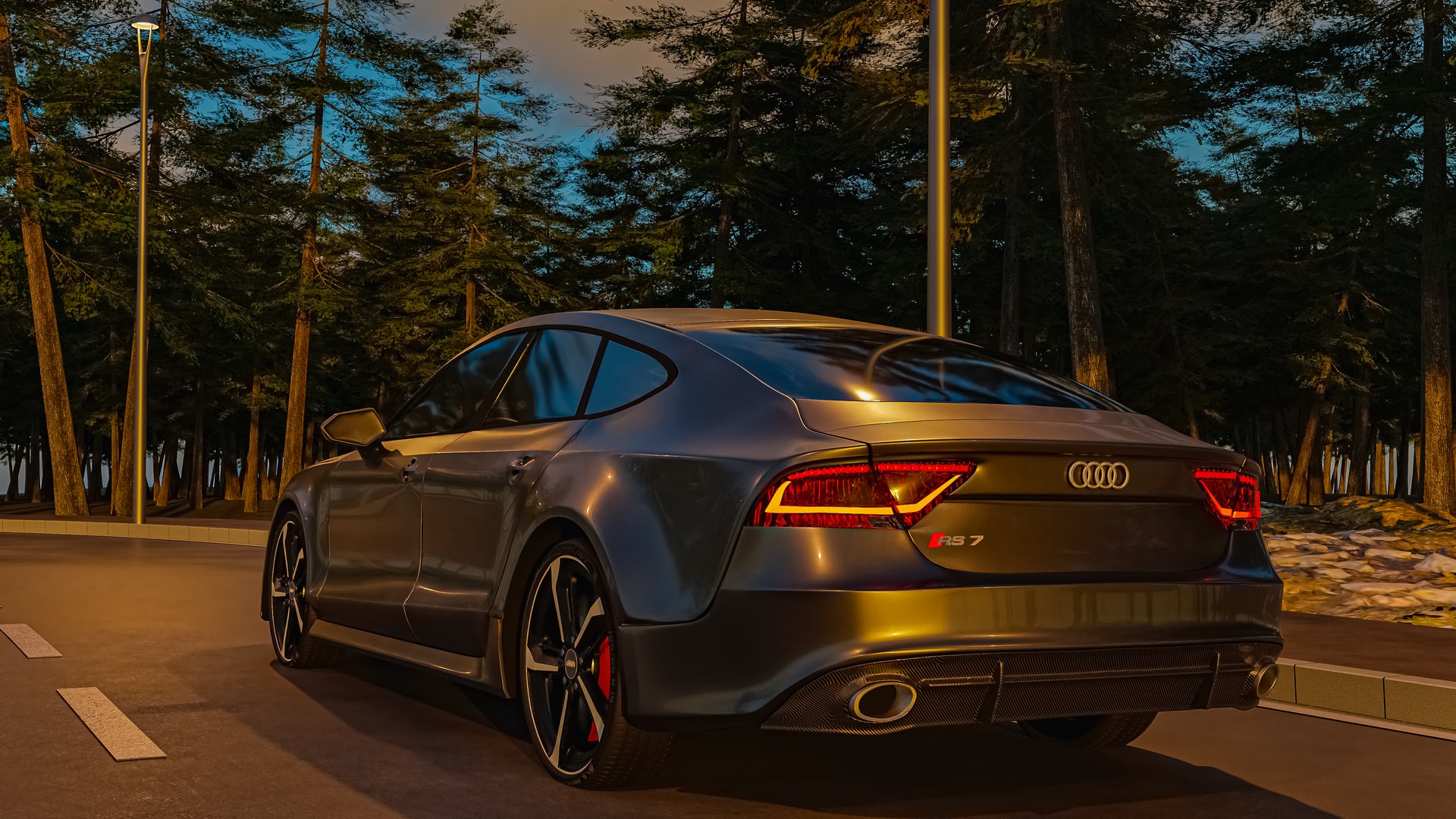
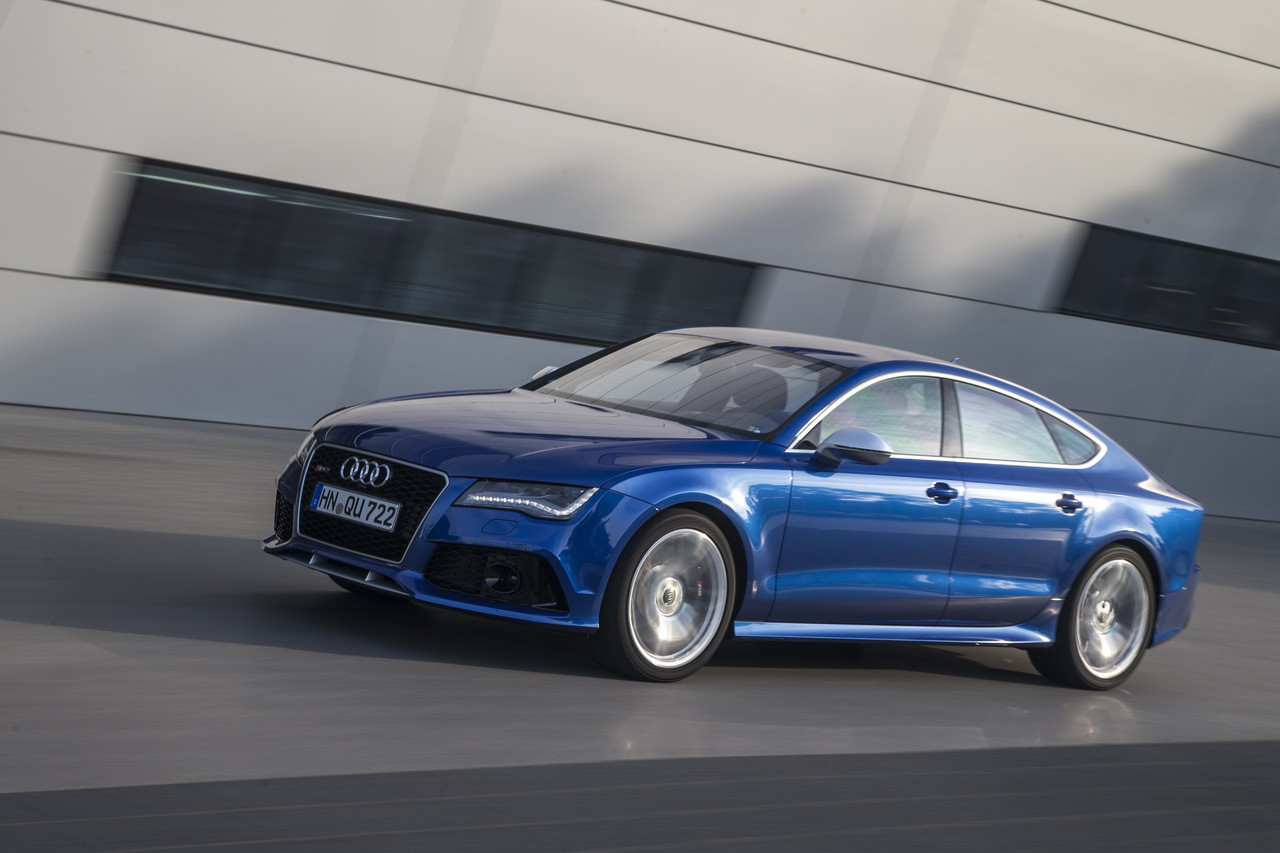
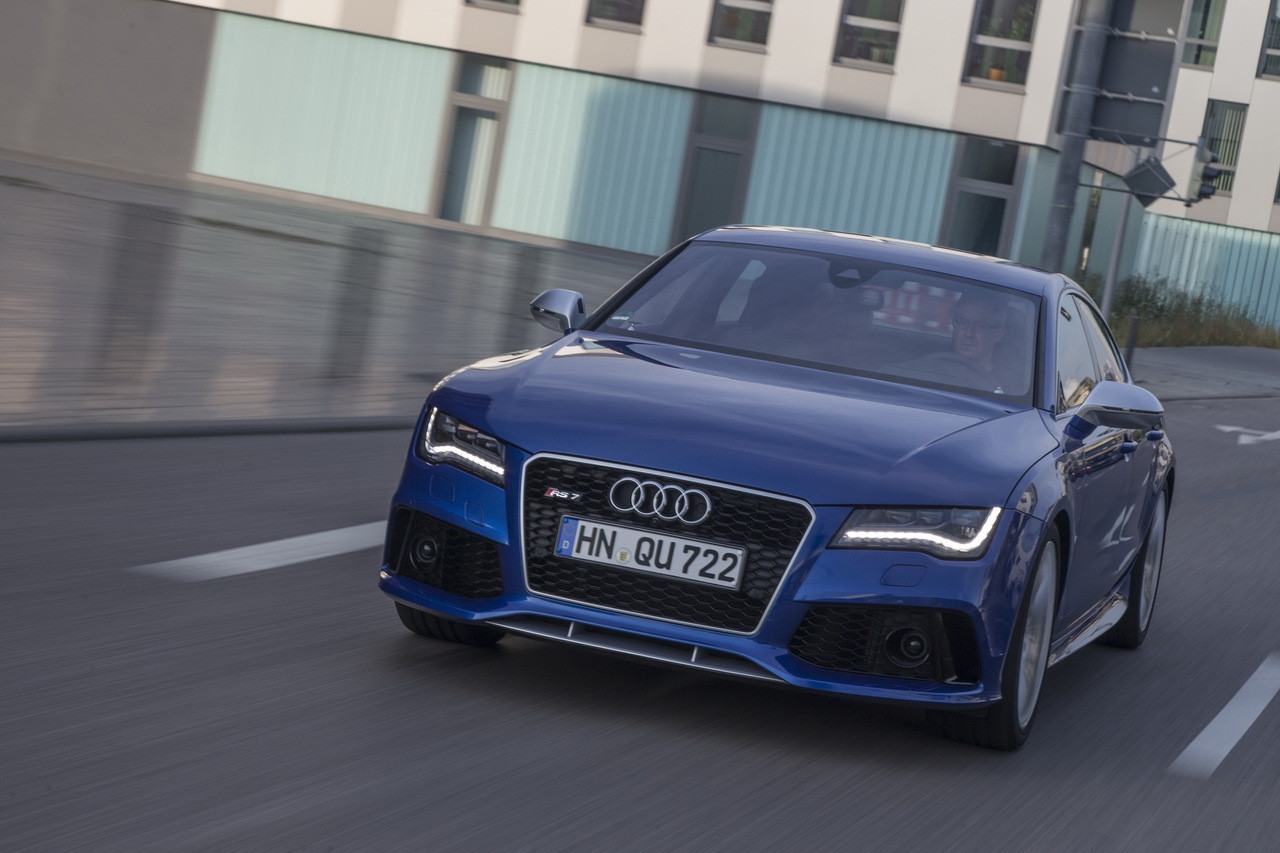
The 2013 Audi RS7 Sportback is a high-performance luxury five-door liftback that serves as the flagship of the first-generation (C7) A7 lineup. Combining a 560-horsepower twin-turbocharged V8 with Audi’s signature Quattro all-wheel-drive system, it offers a unique blend of supercar acceleration, executive comfort, and hatchback practicality.
The Evolution of the Sportback: Defining the RS7
When the Audi RS7 Sportback debuted at the North American International Auto Show in early 2013, it represented a strategic expansion of the "RennSport" (RS) brand into the burgeoning "four-door coupe" segment. Built on the Volkswagen Group MLB platform, the RS7 was designed to bridge the gap between the refined S7 and the extreme performance of specialized sports cars.
The "Sportback" designation is central to this vehicle's identity. Unlike a traditional three-box sedan, the RS7 features a sloping roofline that terminates in a power-operated liftgate. This design provides 535 liters of cargo space, which expands significantly when the rear seats are folded. By 2026, this silhouette has become a modern classic, influencing the design language of subsequent Audi generations and setting a high bar for aesthetic balance.
Technical Specifications: The 4.0 TFSI V8 Engine
At the heart of the 2013 Audi RS7 Sportback lies a masterclass in downsizing and forced induction: the 4.0-liter TFSI V8 engine. This powerplant was a significant departure from the naturally aspirated V10 engines found in previous RS models, focusing instead on efficiency and explosive low-end torque.
The "Hot V" Configuration
The RS7 utilizes a "Hot V" layout, where the two twin-scroll turbochargers and the common exhaust manifold are located within the 90-degree V of the cylinder banks rather than on the outside. This configuration offers several technical advantages:
- Reduced Turbo Lag: The shorter path for exhaust gases to reach the turbine wheels ensures near-instantaneous boost response.
- Thermal Management: Concentrating heat in the center of the engine allows for more efficient packaging and cooling of the intake air.
- Compact Dimensions: The design allows the engine to sit lower and further back in the chassis, improving the center of gravity and weight distribution.
Performance Figures and Speed
The engine produces 560 PS (412 kW) and a massive 700 Nm (516 lb-ft) of torque, available from as low as 1,750 RPM. In its stock configuration, the 2013 RS7 can sprint from 0 to 100 km/h (62 mph) in just 3.9 seconds. While the standard top speed is electronically limited to 250 km/h (155 mph), the optional Dynamic packages could increase this limit to 280 km/h or even 305 km/h (189 mph).
| Feature | Specification |
|---|---|
| Engine Type | 4.0L Twin-Turbocharged V8 |
| Horsepower | 560 hp @ 5,700–6,600 rpm |
| Torque | 516 lb-ft @ 1,750–5,500 rpm |
| Transmission | 8-speed ZF Tiptronic |
| Drivetrain | Quattro AWD with Self-Locking Center Diff |
| 0-100 km/h (62 mph) | 3.9 Seconds |
| Curb Weight | Approx. 1,920 kg (4,233 lbs) |
| Cargo Capacity | 535 L (Seats up) / 1,390 L (Seats down) |
Drivetrain and Dynamics: The Quattro Experience
Audi’s Quattro system is standard on the 2013 RS7, but it is not the standard system found in the A7. To handle the immense torque of the RS-tuned V8, Audi employed a self-locking center differential with a high locking rate.
Under normal driving conditions, the system distributes power in a 40:60 rear-biased split, giving the car the handling characteristics of a rear-wheel-drive vehicle while maintaining the security of AWD. When sensors detect slip, the system can divert up to 70% of torque to the front wheels or 85% to the rear.
The 8-Speed Tiptronic Transmission
Unlike many smaller RS models that use the S-Tronic dual-clutch transmission, the 2013 RS7 utilizes a specialized ZF 8HP 8-speed torque-converter automatic. The choice of a torque converter was dictated by the engine's high torque output, which could exceed the reliable limits of the era's dual-clutch units. The Tiptronic provides exceptionally smooth shifts in "Comfort" mode while delivering aggressive, rapid-fire gear changes in "Dynamic" or manual modes.
Suspension and Handling
Owners in 2013 could choose between two distinct suspension setups:
- Adaptive Air Suspension: This was the standard offering. It lowers the body by 20mm and provides a plush ride that firms up significantly during spirited driving.
- RS Sport Suspension Plus with DRC: Dynamic Ride Control (DRC) is a purely mechanical system that uses oil lines and a central valve to link diagonally opposed shock absorbers. This minimizes body roll and pitch without the complexity of electronics, making it the preferred choice for enthusiasts seeking maximum cornering stability.
Interior Craftsmanship and Technology
The cabin of the 2013 RS7 reflects Audi’s peak "analog-digital" era. The materials are a blend of carbon fiber inlays, Valcona leather, and Alcantara. The RS-specific "S" sport seats feature a distinctive honeycomb quilting pattern that has become an iconic element of the RS interior design language.
MMI Navigation Plus
In 2026, the MMI (Multi Media Interface) system of the 2013 model is considered "vintage" but remains remarkably functional. It features a power-retractable 8-inch monitor and the MMI touch pad, which allows drivers to "write" letters with their finger to input navigation destinations. While it lacks the modern smartphone integration (CarPlay/Android Auto) found in newer models, the hardware-based controls are often praised for being less distracting than modern touch-only interfaces.
Standard and Optional Amenities
Standard features included a Bose Surround Sound system, four-zone climate control, and the Audi pre-sense basic safety system. High-end options frequently found on the used market today include the Bang & Olufsen Advanced Sound System with its motorized "acoustic lens" tweeters and a Night Vision assistant that uses thermal imaging to detect pedestrians or animals in the dark.
Reliability and Long-Term Ownership Concerns
As the 2013 Audi RS7 Sportback enters its 13th year of service in 2026, prospective buyers and current owners must be aware of specific mechanical vulnerabilities. While the 4.0T engine is robust, it has known "Achilles' heels" that require proactive maintenance.
The Turbocharger Oil Strainer Issue
The most critical concern for this model year is the oil strainer located in the oil supply line for the turbochargers. Over time, this small screen can become clogged with carbon deposits, starving the turbos of oil and leading to catastrophic failure.
- The Solution: Audi issued several technical service bulletins and recalls (depending on the region) to replace the original screen with a revised version (Part No. 07L-115-175-G or later). Verification that this work has been completed is the single most important check when purchasing a 2013 RS7. Information regarding recalls can be verified via the NHTSA website.
PCV Valve and Air Suspension
The Positive Crankcase Ventilation (PCV) valve, located deep under the turbochargers in the "V," is prone to failure, which can cause whistling noises or oil consumption. Additionally, the Adaptive Air Suspension struts can develop leaks after a decade of use. Replacing these struts with OEM components is expensive, though the aftermarket has since provided more affordable bellows and compressor options.
Braking Systems
The RS7 came standard with massive internally vented wave-design steel discs. However, many were equipped with optional Carbon Ceramic brakes. While the ceramics offer incredible stopping power and are virtually immune to fade, replacing them in 2026 can cost more than the current market value of the car itself. Inspecting the rotors for "pitting" or surface wear is essential, as steel conversions are a common (and cheaper) path for high-mileage owners.
Market Positioning and 2026 Valuation
In the current market, the 2013 RS7 is transitioning from a "used luxury car" to a "modern classic." It occupies a sweet spot for enthusiasts who want the performance of a modern RS7 (C8) but prefer the more mechanical feel and the lighter weight of the C7 generation.
Compared to its primary rivals—the BMW M6 Gran Coupe and the Mercedes-Benz CLS 63 AMG—the RS7 is often cited as the superior all-weather daily driver. The BMW offers a more clinical, rear-drive-focused handling profile, while the Mercedes provides a more visceral, "muscle car" exhaust note. The Audi remains the most balanced, offering a refined exterior that doesn't scream for attention until the throttles are wide open.
Frequently Asked Questions
Is the 2013 Audi RS7 Sportback reliable for daily driving in 2026?
Yes, provided the maintenance history is documented. The core engine and the ZF 8-speed transmission (more info available from ZF Friedrichshafen) are highly durable. However, you should budget for "preventative" repairs such as the turbo oil screen and PCV valve to avoid high-cost failures.
What is "Cylinder on Demand" (CoD) in the RS7?
Cylinder on Demand is a fuel-saving technology that allows the V8 to operate as a V4 during light-load conditions (such as steady-state highway cruising). The system deactivates cylinders 2, 3, 5, and 8 by closing their valves. This process is nearly imperceptible to the driver, thanks to active engine mounts and an Active Noise Cancellation (ANC) system that masks the change in engine note.
Can the 2013 RS7 be tuned for more power?
The 4.0 TFSI platform is highly receptive to aftermarket tuning. A simple "Stage 1" ECU reflash can easily push the 2013 model past 650 horsepower without hardware changes. However, increasing boost pressure puts additional strain on the cooling system and the factory turbos, making the oil-strainer maintenance even more critical.
How does the 2013 model differ from the 2015 facelift?
The 2013 model (pre-facelift) features the original "C7" headlights with a more rounded LED signature. The 2015 facelift (C7.5) introduced sharper "Matrix LED" headlights, dynamic turn signals, and a slightly updated MMI system with a faster processor. Mechanically, the base performance figures remained largely the same, though the "RS7 Performance" trim was added later in the lifecycle.
What are the common signs of turbo failure in this model?
Symptoms of impending turbo failure include a high-pitched "dentist drill" whining sound under boost, significant blue smoke from the exhaust (oil burning), or a sudden loss of power accompanied by an EPC (Electronic Power Control) light on the dashboard. If you encounter these, stop driving immediately to prevent metal shards from entering the engine.
Final Recommendation: Should You Buy a 2013 RS7?
The 2013 Audi RS7 Sportback remains one of the most versatile performance vehicles ever produced. In 2026, it offers a level of speed and prestige that belies its age. For a buyer who prioritizes understated design and "one-car-garage" capability, it is an excellent choice.
Next Steps for Buyers:
- VIN Check: Run the VIN through an official Audi service portal to check for open recalls or a history of turbo replacements.
- PPI (Pre-Purchase Inspection): Hire a technician familiar with the 4.0T engine to perform a borescope inspection of the cylinders and check for oil leaks near the turbos.
- Maintenance Fund: Set aside approximately $3,000–$5,000 for immediate preventative maintenance if the oil strainer and PCV valve have not been recently serviced.
Image Gallery
Select an image to open it in a new tab.


Lars Thomsen
Global Labor Markets and Economic Strategy Editor
