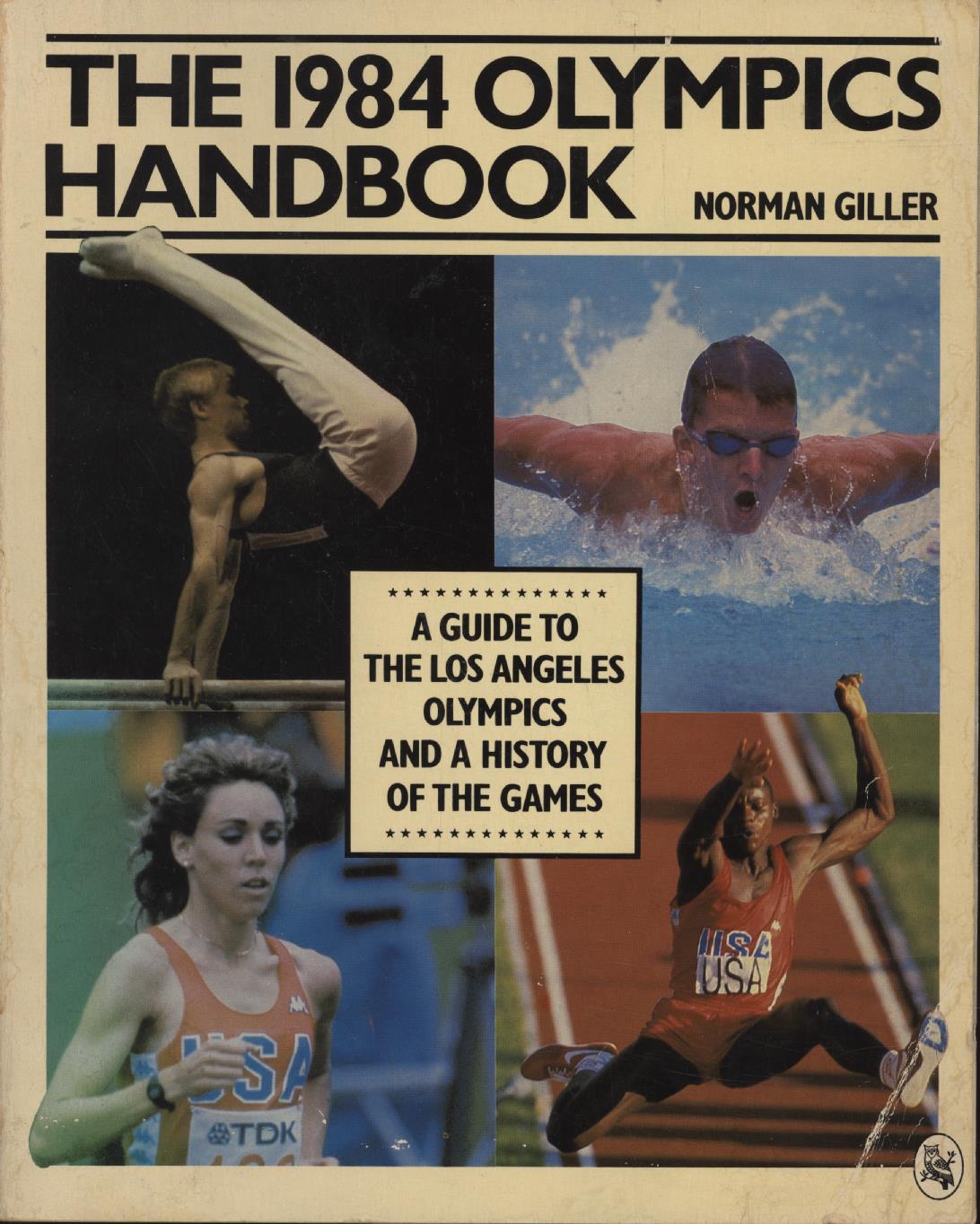
The 1984 Los Angeles Olympic basketball tournament served as a definitive turning point for the sport, cementing the dominance of the United States collegiate system while simultaneously highlighting the growing international talent gap. By showcasing the future stars of the NBA under the tutelage of Bob Knight, the event acted as the bridge between amateur idealism and the professional, globalized era of basketball that characterizes the modern game.
The Context: Amateurism and the 1984 Landscape
In 1984, the Olympic basketball tournament remained strictly governed by the amateur ethos. While the Soviet Union and other Eastern Bloc nations utilized "state-sponsored amateurs"—players who held military or factory jobs but trained as professional athletes—the United States relied exclusively on NCAA collegiate talent.
The 1984 games were framed by the shadow of the 1980 Moscow boycott. With the Soviet Union boycotting the Los Angeles games, the competition dynamics shifted. The U.S. team, led by legendary Indiana coach Bob Knight, was under immense pressure to reclaim gold after the controversial 1972 loss and the missed opportunity in 1980. This pressure necessitated a new approach to roster construction: selecting a team that was not merely a collection of stars, but a disciplined, defensive unit capable of executing complex systems.
Assembling the 1984 U.S. Olympic Team
The selection process for the 1984 team remains a case study in collegiate scouting excellence. Bob Knight prioritized players who could adhere to his rigid, methodical style of play. The roster included future Hall of Famers and NBA icons, most notably Michael Jordan, Patrick Ewing, and Chris Mullin.
Unlike previous iterations that were thrown together shortly before the games, the 1984 team underwent a grueling training camp. Knight’s mandate was simple: create an insurmountable defensive identity. The roster was built for versatility and size, ensuring that the U.S. could match up against the physicality of European giants.
Notable 1984 U.S. Roster Highlights
- Michael Jordan: Emerging as the clear leader, his performance in Los Angeles marked the transition from collegiate sensation to global icon.
- Patrick Ewing: Provided an immovable defensive anchor in the paint, setting the standard for the modern rim-protecting center.
- Chris Mullin: Demonstrated the value of elite perimeter shooting, a skill set that would define his later career in the NBA and the subsequent "Dream Team" era.
Tactical Mastery: Bob Knight’s System
The tactical implementation of the 1984 U.S. team was starkly different from the run-and-gun style often associated with modern basketball. Knight’s philosophy centered on the "motion offense," which relied on constant movement, screens, and precise passing.
Defensively, the team utilized a suffocating man-to-man press that forced turnovers and generated high-percentage transition buckets. For the international audience, this performance was a masterclass in efficiency. The team dismantled opponents not just through individual athleticism, but through tactical cohesion. This demonstrated to the rest of the world that to compete with the United States, basketball needed to evolve beyond fundamental individual skill into complex team-based strategy.
The Lasting Impact on Global Basketball
The lasting impact of the 1984 games is found in the professionalization of the international game. Following the U.S. team's emphatic gold medal win, the International Basketball Federation (FIBA) began to recognize that the gap between amateur collegiate play and global competition was widening. The 1984 tournament served as the final chapter of the "pure" amateur era before the eventual introduction of professional players in 1992.
Furthermore, the 1984 games accelerated the NBA’s desire to globalize. The scouting of international talent began to intensify shortly after these games, as officials and coaches realized that European and South American leagues were fostering high-level talent that could translate to the American professional stage.
Comparative Development: Amateur vs. Modern Olympic Basketball
| Feature | 1984 Olympic Era | Post-1992 Professional Era |
|---|---|---|
| Player Eligibility | NCAA Amateurs Only | Professionals (NBA/International) |
| Coaching Focus | Collegiate Systems | Professional Strategy |
| Global Reach | Limited Broadcast Coverage | Massive International Syndication |
| Competitive Gap | High (US Dominance) | Moderate (Parity with Top Nations) |
The "Jordan Effect" and Commercialization
Perhaps the most enduring legacy of the 1984 tournament is the solidification of Michael Jordan as a transcendent sports marketing figure. His performance in Los Angeles provided the proof of concept for his transition to the Chicago Bulls.
The success of the 1984 team fundamentally changed how the Olympics were marketed in the United States. It turned the basketball tournament into the centerpiece of the games, driving viewership numbers that forced networks to treat basketball as the premier Olympic broadcast event. This commercial success paved the way for the massive media rights deals that now underpin both the Olympics and the NBA.
Critical Challenges and Criticisms
While the 1984 U.S. team is often romanticized, it was not without its critics. Bob Knight’s authoritarian coaching style drew significant controversy, with some commentators arguing that his approach was detrimental to the development of the players' autonomy.
Moreover, the exclusion of other standout collegiate players sparked debates about the fairness of the selection committee’s process. The 1984 games forced the basketball world to grapple with a difficult question: Should the Olympic team be a representative sample of the best amateurs, or a curated team designed specifically to win gold by any means necessary? This debate remains central to how modern national teams select their rosters today.
Practical Lessons for Basketball History
For those studying the evolution of the sport, the 1984 Olympics offer three critical lessons:
- Preparation Wins: The success of the 1984 team was predicated on the intensity and duration of their pre-tournament training camp, a model still used by USA Basketball.
- Defensive Identity: The 1984 team proved that offensive talent—even when elite—requires a rigid defensive foundation to overcome international tactical discipline.
- The Bridge to Professionalism: The tournament acted as a catalyst, proving that the future of basketball lay in the integration of global professional talent rather than the strict adherence to amateur labels.
Frequently Asked Questions
Did the 1984 boycott diminish the quality of the tournament?
While the absence of the Soviet Union removed the traditional primary rival for the United States, the 1984 tournament still featured highly competitive squads from Spain, Yugoslavia, and Canada. The intensity of the defensive play exhibited by the U.S. team elevated the quality of the competition beyond what might have been expected in a typical amateur setting.
How did Bob Knight’s coaching style influence the modern era?
Knight’s emphasis on discipline, defensive pressure, and motion offense influenced a generation of coaches who transitioned into the NBA. His demand for accountability became a hallmark of elite coaching staffs, moving away from "freelance" basketball toward the highly structured, data-driven systems seen in 2026.
Why is 1984 considered the end of the amateur era?
It marked the peak of the NCAA-to-Olympic pipeline. Following this success, the realization that international teams were developing professional systems made the transition to fielding NBA-caliber professionals inevitable, resulting in the formation of the 1992 "Dream Team."
Was the 1984 performance solely about individual talent?
No. While the roster was undeniably stacked with future stars, the primary reason for their dominance was the cohesive nature of the team. The players accepted specific roles within Knight’s system, which was the defining factor that separated them from teams that relied on individual scoring outbursts.
How can current fans learn more about this era?
Contemporary sports archives and digital retrospectives offer extensive footage of the 1984 games. Analyzing these tapes provides a clear look at how fundamental movement and defensive positioning were prioritized over the isolation-heavy style that would define the mid-to-late 1990s.
Moving Forward
The legacy of the 1984 basketball tournament is not merely historical; it is a fundamental pillar of the sport’s modern structure. It taught the United States that winning on the global stage required the same level of discipline and professional preparation that would later define the NBA. For students of the game, reviewing the 1984 roster and Knight’s tactical choices provides a necessary foundation for understanding why basketball is the premier global team sport today. Whether you are analyzing defensive schemes or the history of sports marketing, the 1984 Olympics remain the essential reference point for the growth of modern basketball.
Image Gallery
Select an image to open it in a new tab.
Celine Dubois
Contemporary Living and Global Arts Columnist
