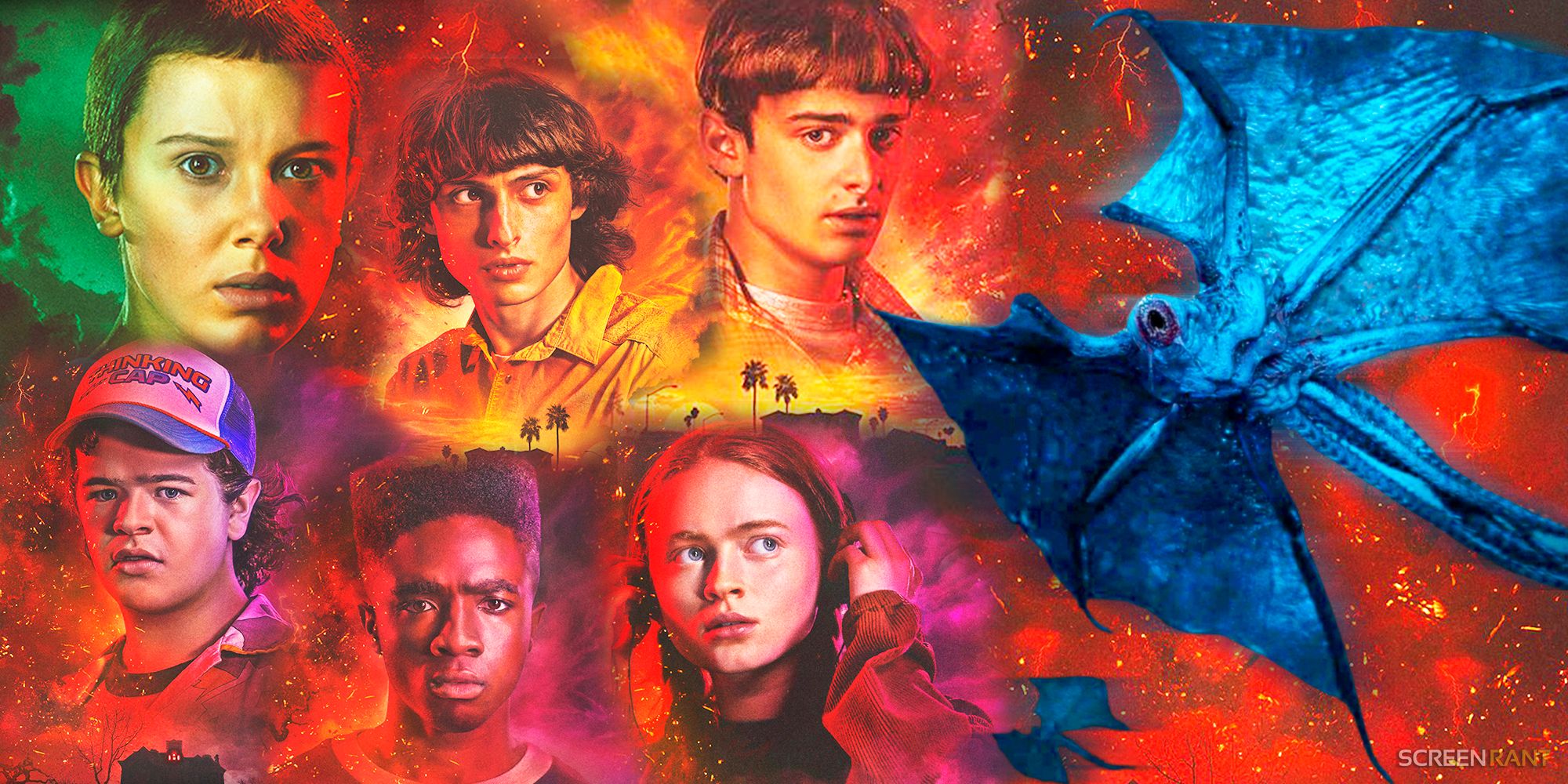
The Stranger Things expanded universe consists of a diverse collection of ancillary media—including novels, comic books, stage plays, and immersive experiences—designed to flesh out the lore, origins, and side character arcs of the hit Netflix series. By integrating these canon-compliant works, viewers gain a deeper understanding of Hawkins, Indiana, and the clandestine operations of the Hawkins National Laboratory.
Defining the Scope of the Expanded Universe
When discussing the Stranger Things expanded universe, it is essential to distinguish between official canon material and tertiary content. Since the show’s debut, the creators, the Duffer Brothers, have collaborated with various publishers and production houses to ensure that supplementary stories remain consistent with the narrative established on screen.
The expanded universe primarily functions as a vehicle for world-building. While the television series is restricted by its pacing and episodic format, external works offer the freedom to explore the history of secondary characters like Jim Hopper, Joyce Byers, or even the tragic history of Eleven’s mother, Terry Ives. These materials serve to bridge the gap between seasons or provide critical context that explains the mechanics of the Upside Down.
Navigating the Canon: Where to Begin
For new fans or those looking to deepen their connection to the franchise, the sheer volume of material can be overwhelming. The expanded universe is generally categorized by its format: print media, sequential art, and live performance.
1. The Novelization and Prequel Series
The novels published by Penguin Random House are arguably the most lore-heavy additions to the franchise. Titles like Suspicious Minds by Gwenda Bond serve as essential prequels. This specific novel focuses on the early days of the Hawkins National Laboratory, detailing the life of Terry Ives and the unethical experiments conducted by Dr. Martin Brenner. Understanding the trauma and the social climate of the late 1960s and early 1970s is crucial for grasping the motivations behind the series' central conflict.
2. The Comic Book Canon
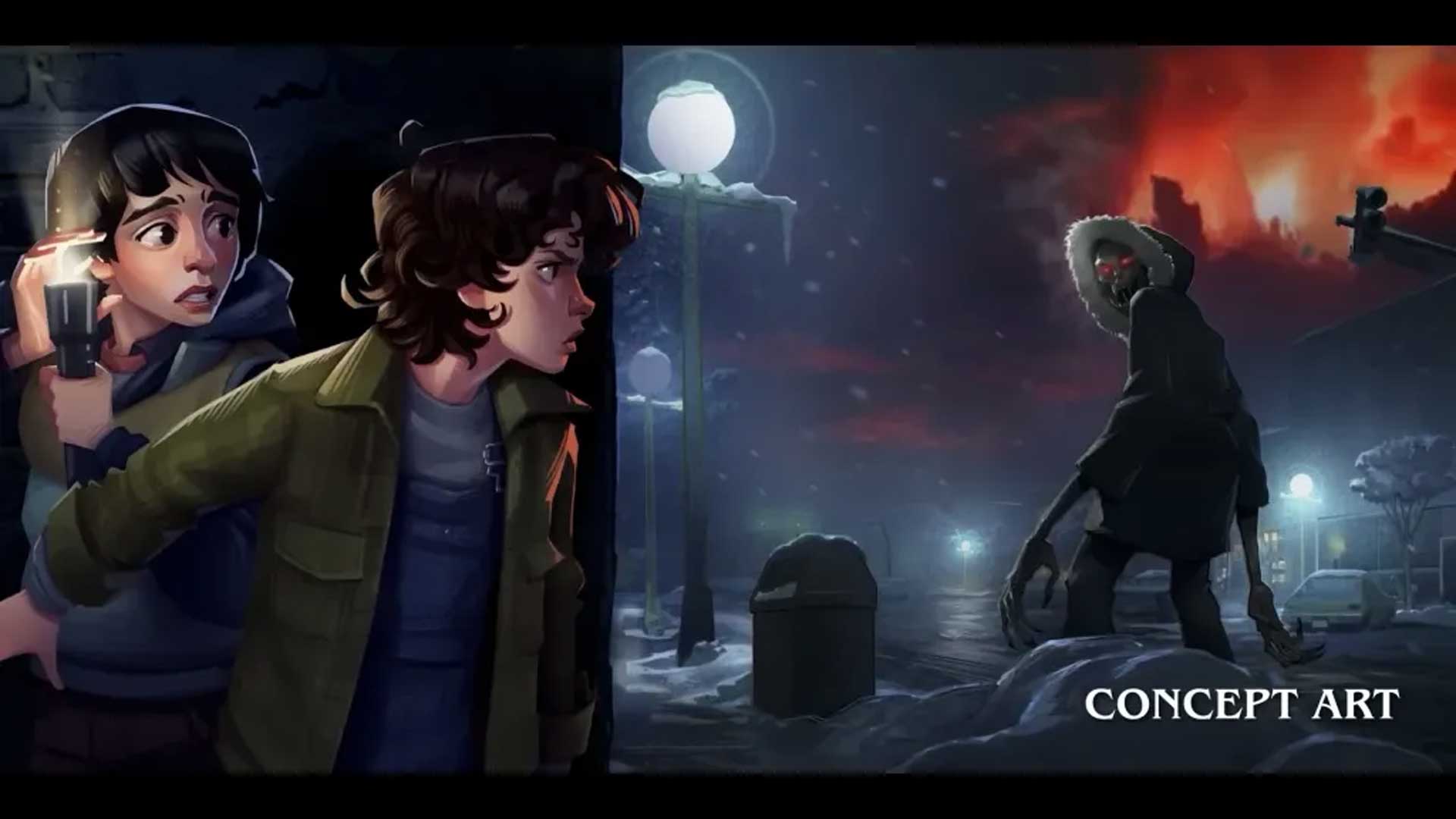
Dark Horse Comics has released several limited series that bridge temporal gaps between television seasons. These comics often focus on the perspectives of characters during the times they are "off-screen." For instance, comics detailing Will Byers’ harrowing time inside the Upside Down provide a visceral look at a dimension that the show often treats with mysterious ambiguity.
3. The Stage Production: The First Shadow
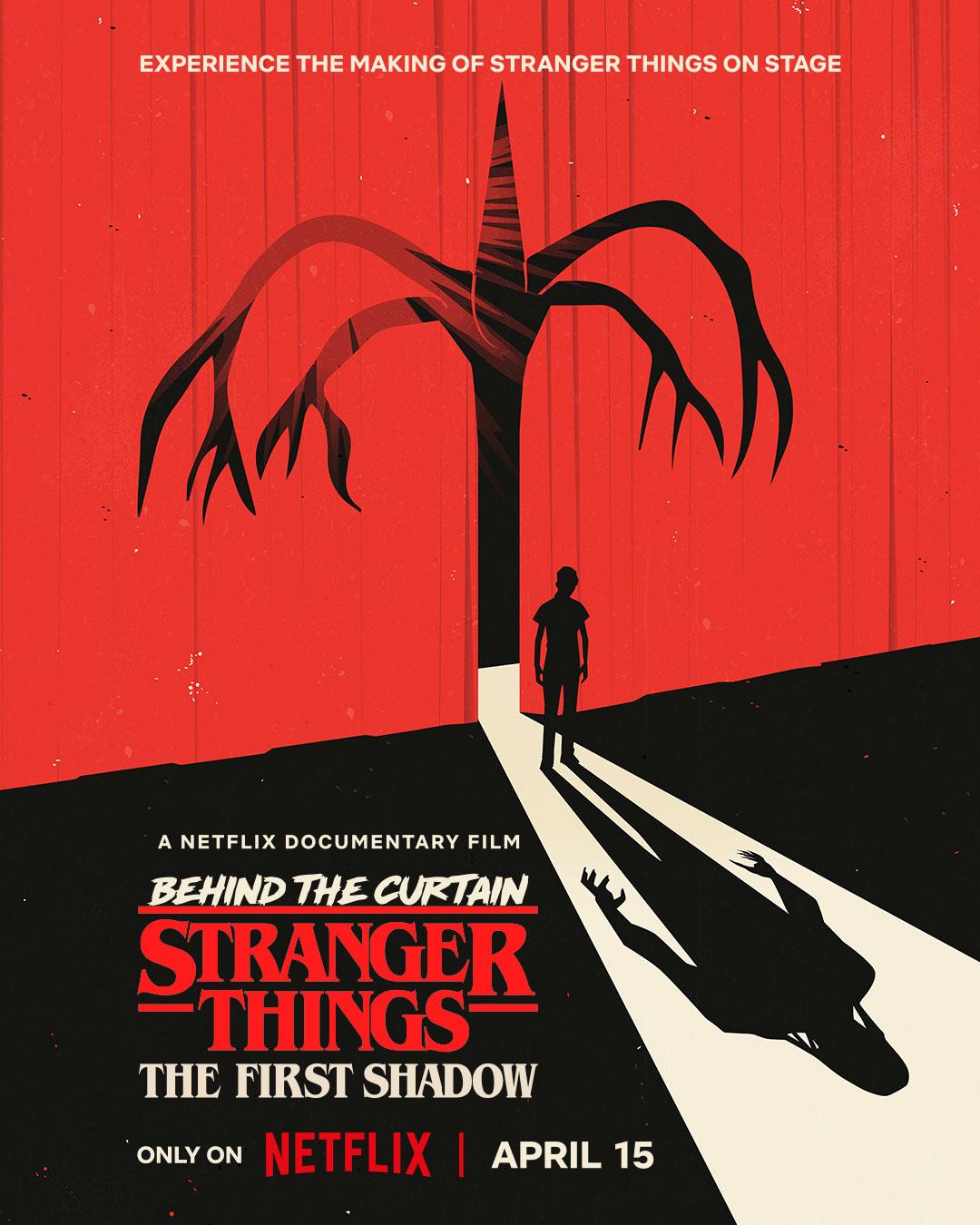
The stage play Stranger Things: The First Shadow represents a significant evolution in the franchise. As a prequel set in 1959, it establishes the origin stories of key figures such as Henry Creel (Vecna). Because it is written as an official precursor to the show, it is considered essential viewing (or reading) for those who want to understand the foundational mythology of the Upside Down’s primary antagonist.
Comparative Analysis of Media Formats
To determine which aspect of the expanded universe provides the most value for your personal engagement, consider the following breakdown of how these formats contribute to the overall lore:
| Format | Primary Contribution | Narrative Focus | Canonical Status |
|---|---|---|---|
| Novels | Character backstory | Origin of subjects and parents | High |
| Comics | Episodic side-stories | Survival in the Upside Down | High |
| Stage Play | Foundational mythology | The 1959 Hawkins incident | Official Prequel |
| Immersive Events | Sensory world-building | Hawkins laboratory simulations | Auxiliary/Experiential |
The Role of Hawkins National Laboratory in Lore
A recurring anchor in the expanded universe is the Hawkins National Laboratory. The supplementary materials consistently frame the lab not just as a location, but as an organization with deep ties to Cold War paranoia and Project MKUltra.
When you read the novels or follow the comic arcs, notice how they consistently highlight the bureaucratic and scientific machinery required to sustain the portal. This technical depth is rarely explored in the main show, where the focus remains on the children’s experience. By exploring these texts, you learn how the lab operated as an isolated island within a rural town, masking its reality through a combination of political influence and psychological manipulation of the local populace.
Addressing Common Misconceptions
One common mistake fans make is assuming that all "Stranger Things" branded merchandise is canon. While toys, apparel, and general promotional materials are part of the franchise brand, they do not possess narrative weight. The true "expanded universe" is restricted to licensed stories published through official narrative partners.
Furthermore, some viewers worry that they cannot enjoy the television series without consuming these external works. This is incorrect. The series is designed to be self-contained; the expanded universe is strictly for those who wish to experience the narrative’s "deep tissue"—the background history that informs the current events of 1986 and beyond.
Frequently Asked Questions
Does the expanded universe contradict the main show? No. The Duffer Brothers and the production team maintain close oversight over all licensed publications to ensure that the events, character timelines, and scientific explanations in books and comics align with the established canon of the television series.
Is it necessary to read the novels to understand Season 5? While not strictly necessary, the novels—particularly those focusing on Dr. Brenner and the Project MKUltra subjects—provide crucial context. Having this background makes the resolution of the series’ central antagonist more impactful.
Are the stage play events considered canon? Yes. The First Shadow is explicitly marketed and treated as an official prequel. It reveals key information about the origins of the Upside Down and the early life of Henry Creel that is essential to the show’s overarching mythology.
Where can I find the most accurate list of publications? The official Stranger Things website and the publishers’ (Penguin Random House and Dark Horse Comics) websites maintain the most accurate, chronologically ordered lists of licensed canon material.
Is there an order to the expanded universe material? Generally, it is best to approach these works chronologically by their setting. Starting with the 1959 setting of The First Shadow, followed by the late 60s/70s-era novels, and ending with the comic series that parallel the events of the TV seasons, will provide the most cohesive narrative experience.
Practical Recommendations for Fans
If you are just beginning to explore the Stranger Things expanded universe, the most efficient path is to start with the prose novels. They provide the most robust character development and set the stage for the scientific and historical context of the franchise.
- Start with Suspicious Minds: This provides the necessary foundation for understanding the laboratory's origins.
- Move to The First Shadow: Understanding the 1959 history is critical before the concluding television seasons.
- Incorporate Comics: Use the Dark Horse comics to fill in the "quiet moments" between seasons, specifically looking for those that focus on the Upside Down’s ecology.
By layering these materials into your understanding of the series, you transform the act of watching the show from a passive experience into an active investigation of one of the most meticulously planned fictional worlds in modern entertainment.
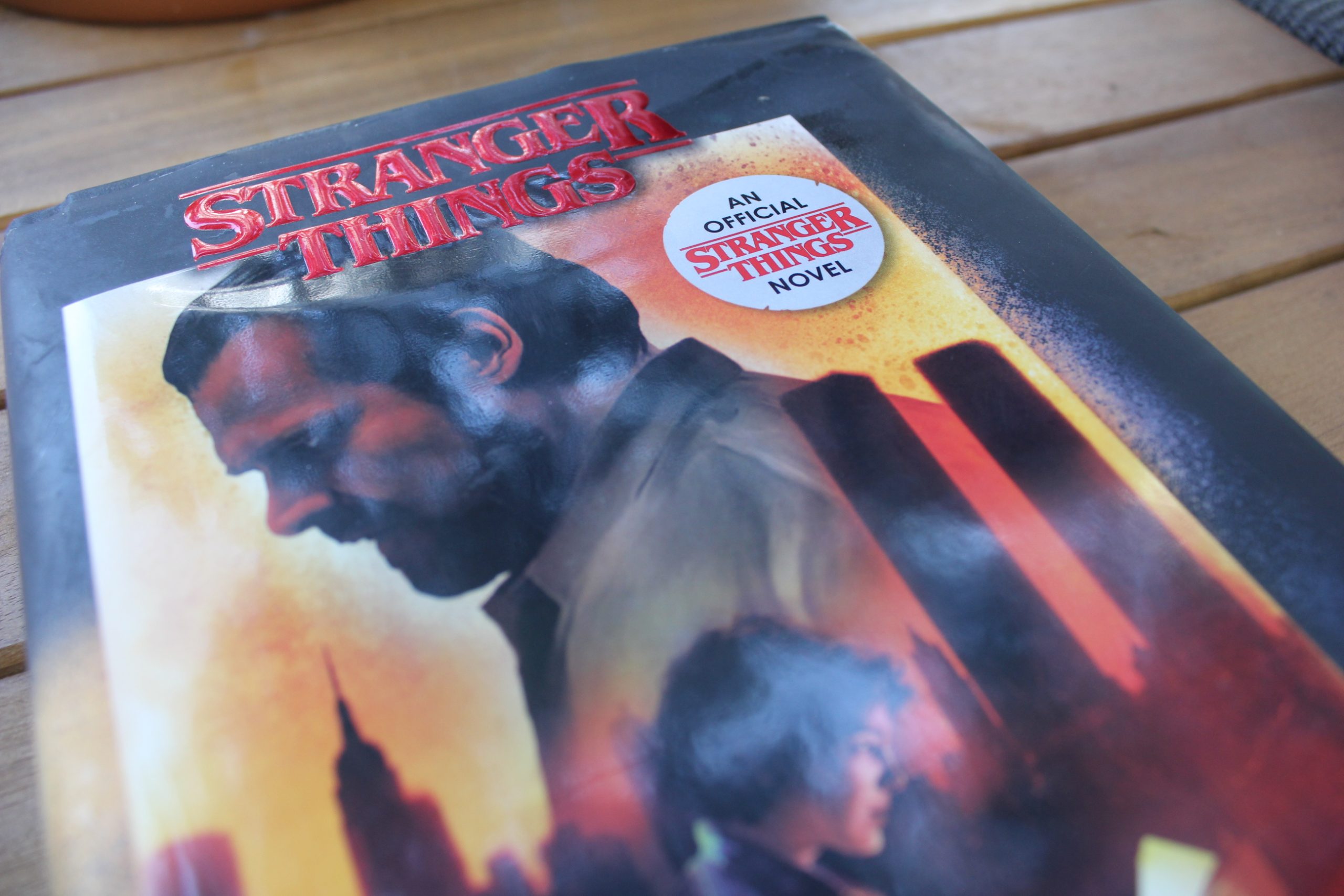
Image Gallery
Select an image to open it in a new tab.



Celine Dubois
Contemporary Living and Global Arts Columnist
