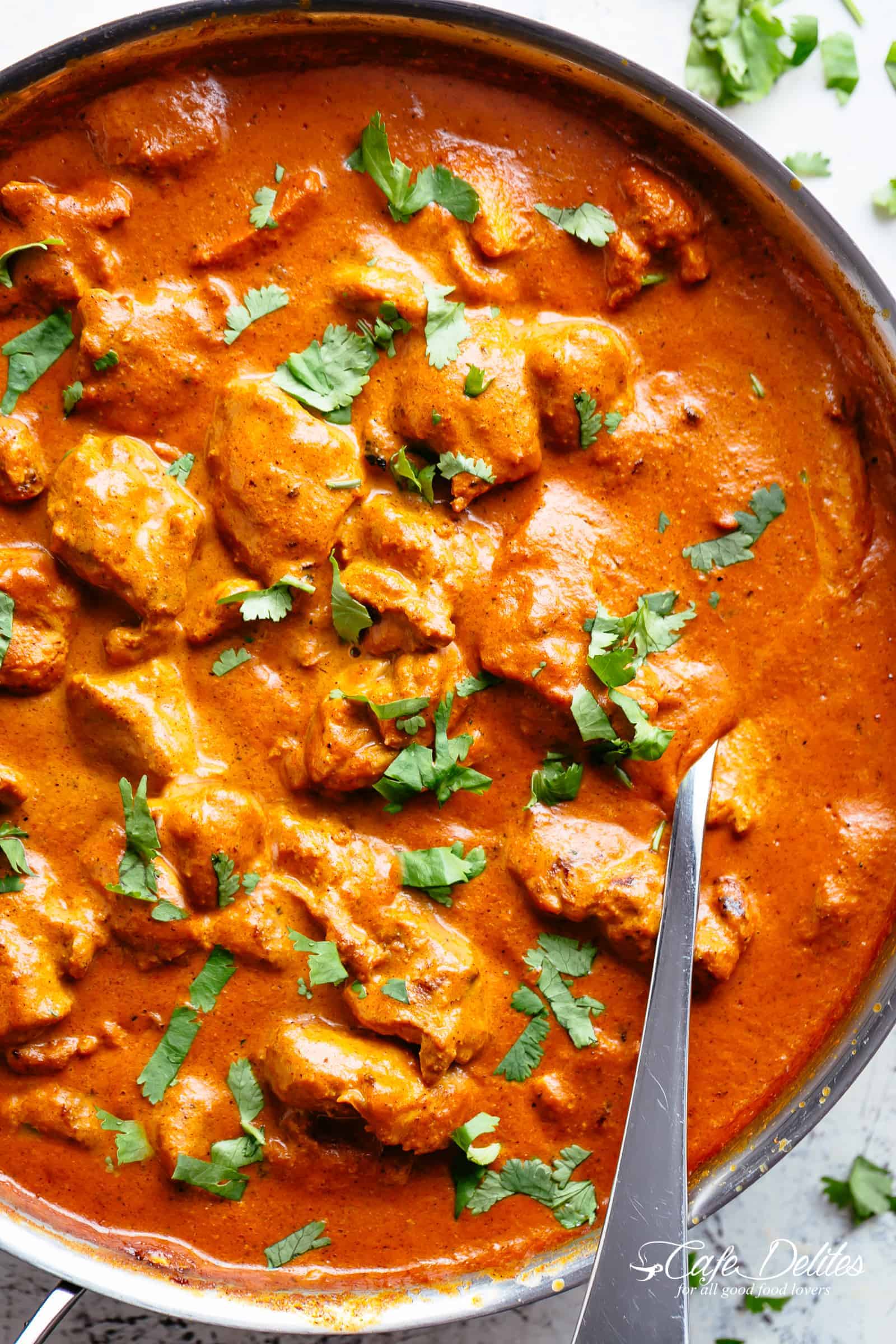
Kala Masala Chicken is a traditional Maharashtrian curry distinguished by its intense, smoky flavor and signature dark, near-black color. This deep hue is achieved by roasting whole spices, dry coconut, and onions until they are heavily charred. Unlike brighter, tomato-based Indian curries, it prioritizes earthy, pungent notes and complex spice layers.
The culinary landscape of India is often associated with the vibrant reds of Kashmiri chilies or the golden yellows of turmeric-heavy gravies. However, in the heart of Maharashtra—specifically the Khandesh and Marathwada regions—exists a dish that defies these visual norms. Kala Masala Chicken (or Kala Rassa) is a masterclass in the art of charring and spice-toasting. It is a robust, rustic, and deeply aromatic dish that represents the soul of regional Marathi cuisine. To understand what Kala Masala Chicken is, one must look beyond the plate and into the specific techniques of spice preparation and the unique ingredients that define the Maharashtrian pantry.
The Essence of "Kala" (Black) Masala
The name "Kala Masala" literally translates to "Black Spice Mix." This is not a single ingredient but a complex blend of up to 20 or more spices. In 2026, while pre-packaged spice mixes are readily available in global markets, the authentic version of this dish relies on a freshly prepared, hand-ground "Vatan" (paste) and a specifically dark-roasted spice powder.
What sets this masala apart from common garam masala or curry powders is the degree of roasting. In most Indian cooking, spices are toasted until they become fragrant and turn a shade or two darker. For Kala Masala, spices like cloves, cinnamon, peppercorns, and stone flower are roasted until they are very dark brown, bordering on black. This process must be handled with precision; there is a fine line between "charred for flavor" and "burnt and bitter."
The Secret Ingredient: Dagad Phool (Stone Flower)
One cannot discuss Kala Masala Chicken without mentioning Dagad Phool (also known as Stone Flower or Black Stone Flower). This lichen is the "secret sauce" of Maharashtrian cooking. On its own, it has little aroma, but when released in hot oil or roasted, it produces an earthy, woody, and slightly floral scent that is synonymous with the "black" curries of the region. It provides a foundational depth that cannot be replicated by any other spice.
The Science and Art of the "Vatan"
The soul of Kala Masala Chicken lies in the Vatan, a wet paste that forms the base of the gravy. While many Indian curries start with a sauté of onions, ginger, and garlic, the Maharashtrian approach involves a different preparatory step: charring the aromatics.
Charring the Onions and Coconut
To achieve the deep color and smoky undertone, whole onions are often placed directly over an open gas flame or nestled into hot coals (in traditional village cooking). The outer skins burn to a crisp while the insides become sweet, soft, and smoky. Similarly, dry coconut (khobra) is sliced and roasted on a griddle or over a flame until it turns a dark, oily chocolate brown.
Grinding the Paste
These charred onions and coconut are ground together with ginger, garlic, and fresh coriander stems. This resulting paste is naturally dark and carries a heavy, caramelized sweetness that balances the heat of the spices. When this paste hits the hot oil in the cooking pot, it doesn't just fry; it blooms, releasing a fragrance that is distinctively "Khandeshi" (referring to the North Maharashtra region).
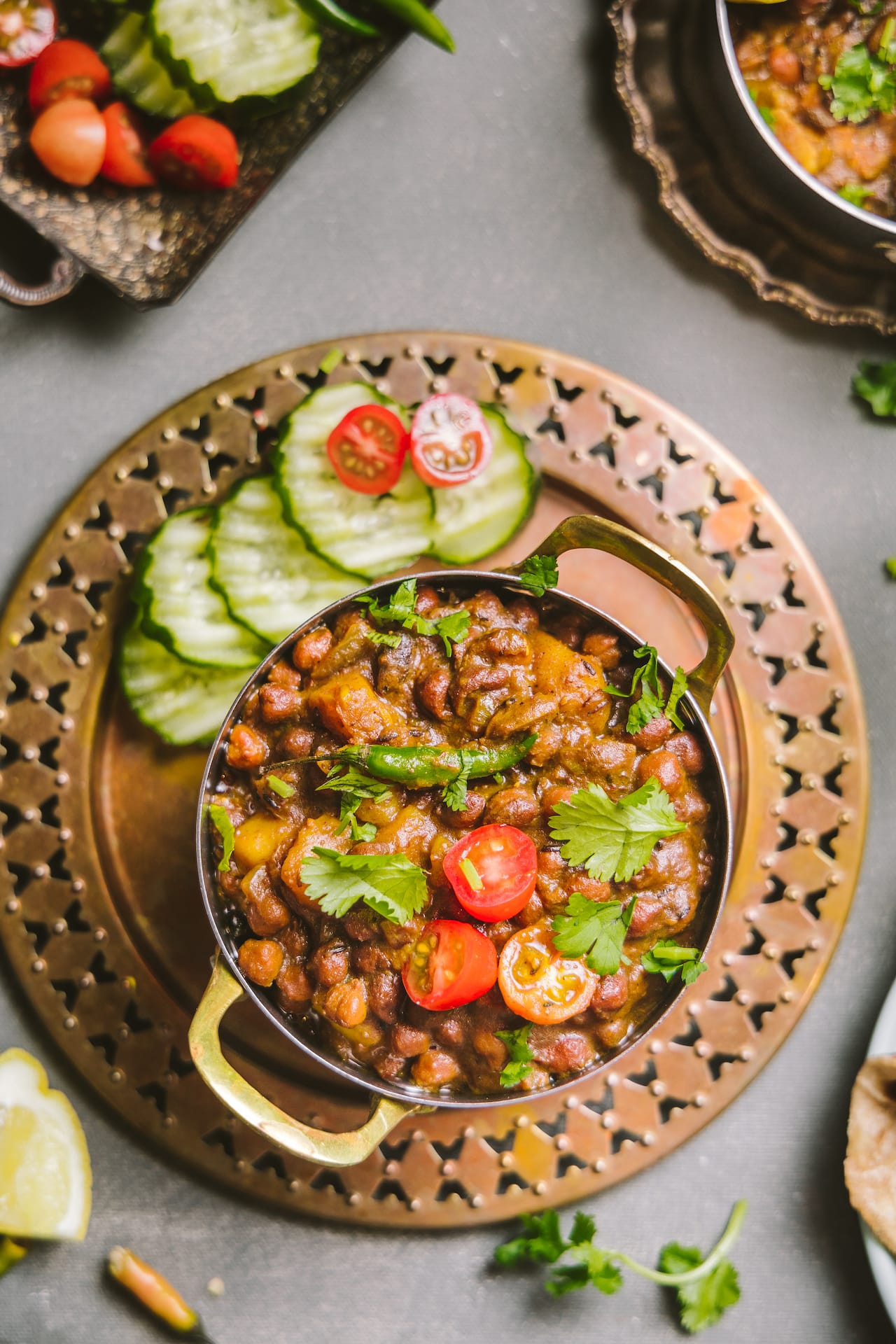
Regional Variations: Khandeshi vs. Marathwada
While "Kala Masala Chicken" is a broad term, the dish changes as you travel across Maharashtra.
- Khandeshi Chicken: Originating from the North (districts like Jalgaon and Dhule), this version is famous for being incredibly spicy and using a generous amount of oil. The oil often forms a thick, red-black layer on top known as "Tarri" or "Rassa." It is traditionally served with Bhakri (sorghum or pearl millet flatbread).
- Marathwada Style: In regions like Aurangabad and Latur, the gravy might be slightly thicker, sometimes incorporating roasted chana dal (split chickpeas) or poppy seeds to add body and a nutty finish to the dark spice profile.
- Nagpuri Saoji: While technically a different sub-genre, Saoji chicken shares the love for dark, intensely roasted spices but focuses more on a fiery heat and a specific blend of 32 ingredients.
Comparing Kala Masala to Other Common Indian Spice Blends
To truly understand what makes Kala Masala unique, it helps to compare it with other well-known Indian spice mixtures.
| Feature | Kala Masala | Garam Masala | Goda Masala |
|---|---|---|---|
| Primary Color | Dark Brown to Black | Reddish-Brown | Deep Brown |
| Roasting Level | Heavily Charred | Lightly Toasted | Medium Roasted |
| Key Ingredients | Stone Flower, Charred Coconut, Nagkesar | Cardamom, Cumin, Cloves | Sesame Seeds, Stone Flower, Asafoetida |
| Flavor Profile | Smoky, Pungent, Earthy | Warm, Sweet, Aromatic | Mildly Sweet, Nutty, Subtle |
| Usage | Hearty Meat/Legume Curries | Finishing Powder for many dishes | Daily Maharashtrian Veg Dishes |
The Cooking Process: A Step-by-Step Overview
Making Kala Masala Chicken is a labor of love that requires patience, particularly during the spice-roasting phase. In 2026, many chefs still prefer the traditional heavy iron Kadhai (wok) for this dish, as the iron helps maintain high heat and contributes to the darkening of the gravy.
Phase 1: Marination
The chicken is typically marinated in a simple mixture of salt, turmeric, ginger-garlic paste, and sometimes a bit of yogurt. This tenderizes the meat and ensures the flavors penetrate deep into the bone.
Phase 2: Preparing the Dry Masala
Spices including coriander seeds, cumin, cloves, black cardamom, cinnamon, star anise, and peppercorns are dry-roasted. Once dark, they are cooled and ground into a fine powder.
Phase 3: Creating the Vatan
The onions and dry coconut are charred over a flame as previously described. They are blended with ginger, garlic, and fresh cilantro to create a thick, dark, aromatic paste.
Phase 4: Sautéing and Simmering
Oil is heated in a pot, and the Vatan is fried until the oil starts to separate from the paste (a process called "bhuna"). The dry Kala Masala is then added, followed by the marinated chicken. Water is added sparingly—traditionalists prefer a "Rassa" (thin gravy) that is potent and thin enough to be soaked up by flatbreads.
The Sensory Experience: Flavor and Aroma
When you sit down to a bowl of Kala Masala Chicken, the first thing you notice is the aroma. It doesn't smell like the bright, acidic scent of tomatoes or the creamy richness of dairy. Instead, it smells like a campfire—smoky, woody, and intensely savory.
Upon the first bite, the complexity reveals itself. There is an initial hit of heat from the black pepper and chilies, followed by the sweetness of the caramelized onions. The finish is lingering and earthy, thanks to the stone flower and roasted coconut. The chicken itself, having simmered in this dark broth, takes on a deep tan color and absorbs the essence of the charred aromatics.
Nutritional and Cultural Significance
In Maharashtrian culture, meat dishes are often reserved for special occasions, Sundays, or for honoring guests. Kala Masala Chicken is a centerpiece of "Bet" (a planned feast). Culturally, it represents the "Sajuk" (authentic) taste of the land.
From a nutritional standpoint, the dish is high in protein and utilizes the medicinal properties of various spices. Ingredients like cloves and black pepper are known for their digestive benefits, while the intense roasting process breaks down the sugars in the onions and coconut, making them rich in flavor without the need for heavy creams or excessive butter found in restaurant-style "Mughlai" cuisines.
Pairing Recommendations
To enjoy Kala Masala Chicken as intended, the choice of accompaniment is vital.
- Bhakri: This is the most traditional pairing. A thick, hand-patted flatbread made from Jowar (Sorghum) or Bajra (Pearl Millet). The slightly bitter, nutty taste of the millet complements the smoky gravy perfectly.
- Indrayani Rice: A sticky, aromatic variety of rice grown in Maharashtra. Its fragrance pairs beautifully with the pungent Kala Masala.
- Thecha: A fiery condiment made of pounded green chilies and garlic, often served on the side for those who want an extra kick.
- Sliced Red Onions and Lemon: Essential for cutting through the richness of the charred coconut and oil.
Common Mistakes to Avoid
- Over-burning the spices: There is a point where charring becomes carbonization. If the spices turn grey or ash-like, they will ruin the dish with a bitter aftertaste.
- Using Fresh Coconut: Authentic Kala Masala requires dry coconut (Copra). Fresh coconut contains too much moisture and will not char correctly, leading to a different flavor profile entirely.
- Rushing the Vatan: The paste must be fried until the raw smell of garlic and ginger is completely gone and the oil "blooms" on the surface.
- Using Too Much Turmeric: While turmeric is in the marinade, adding too much to the gravy can brighten the color, defeating the purpose of the "Kala" (black) aesthetic.
Frequently Asked Questions
Is Kala Masala Chicken very spicy?
While it is known for being robust, the heat level can be adjusted. The "darkness" of the curry comes from roasted spices and charred coconut, not necessarily from a high volume of chili peppers. However, traditional versions, especially the Khandeshi style, are known for a significant spicy kick.
Can I make Kala Masala Chicken without Stone Flower?
You can, but it will lack the authentic "forest-like" earthy aroma that defines the dish. Stone flower (Dagad Phool) is the primary aromatic that distinguishes Maharashtrian black curries from other dark Indian gravies like those found in Chettinad cuisine.
Is the black color safe to eat?
Yes. The color is derived from the natural Maillard reaction and the controlled charring of organic food ingredients like onions and coconut. It is not the result of artificial dyes or actual burnt carbonized ash.
How does it differ from Butter Chicken?
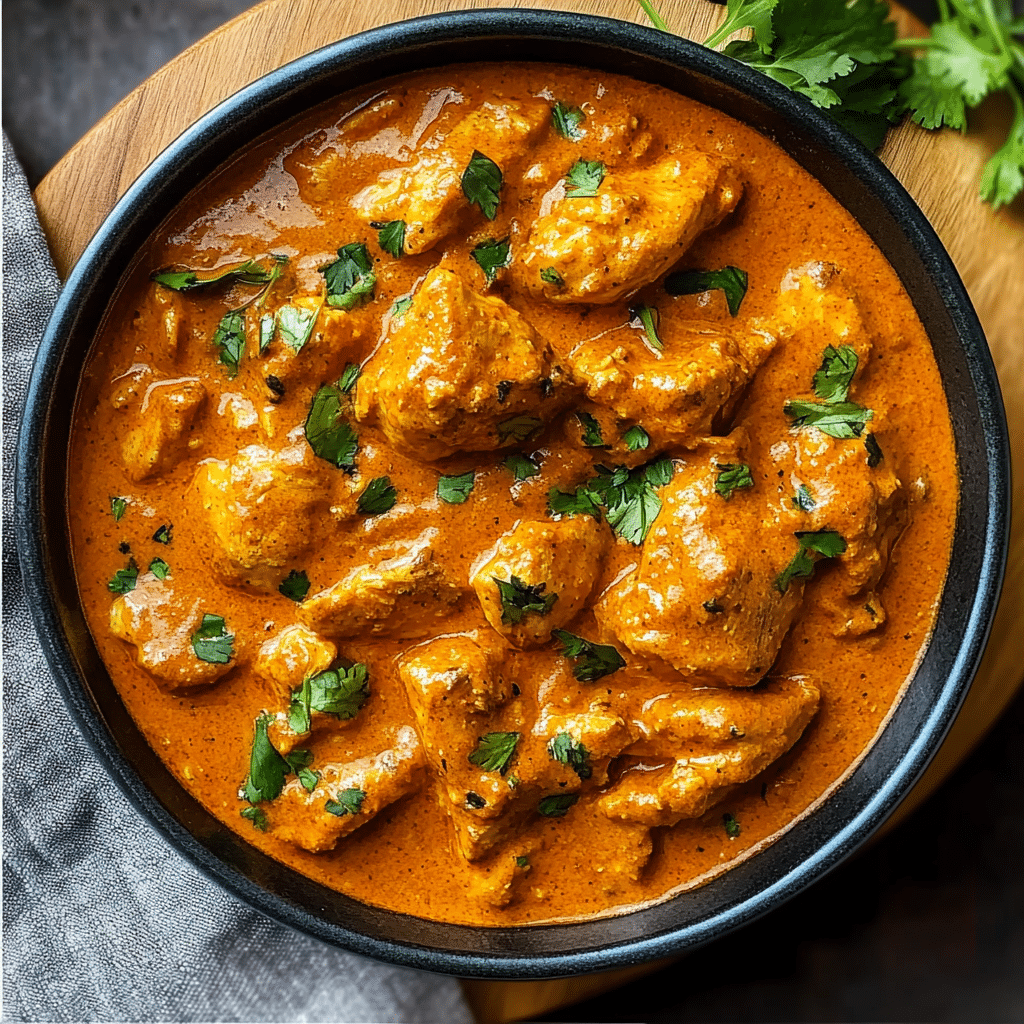
Kala Masala Chicken is almost the polar opposite of Butter Chicken. While Butter Chicken is creamy, sweet, tomato-based, and mild, Kala Masala Chicken is dairy-free (usually), smoky, onion-based, and pungently spiced.
Can I use this masala for vegetarian dishes?
Absolutely. The same "Kala Masala" and "Vatan" technique is used to make Shev Bhaji (spicy noodles in gravy), Kala Watana (black pea curry), or even dark potato curries. The technique is a pillar of Maharashtrian vegetarian cooking as well.
Practical Recommendation
If you are new to this dish, the best way to experience it is to seek out a "Khanaval"—a traditional, often family-run Maharashtrian eatery. In these establishments, the recipes are passed down through generations, and the masalas are still pounded by hand. If you are cooking it at home in 2026, prioritize finding high-quality dry coconut and Dagad Phool. Take the time to char your onions over a direct flame; the smoky flavor profile that results is the hallmark of a true Kala Masala Chicken and cannot be replicated through any shortcut or store-bought sauce.
Image Gallery
Select an image to open it in a new tab.


Zara El-Hashem
Sociocultural Dynamics and Academics Writer
