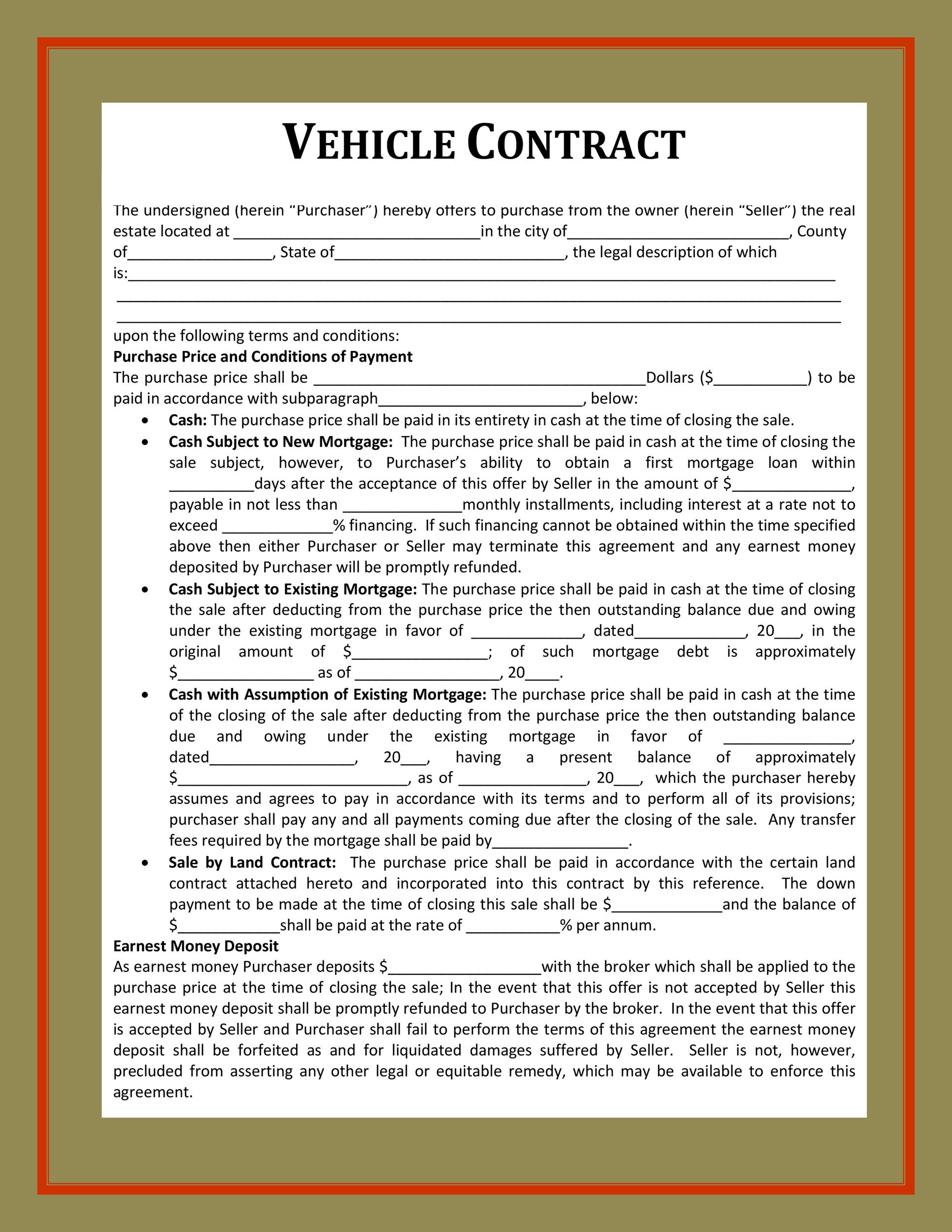
Selling a vehicle with a loan for cash requires coordinating with your lender to obtain a payoff quote and facilitating the transfer of funds so the lien can be released. Whether selling privately or to a dealer, the buyer must pay the lender first—or you must pay the difference if you have negative equity—before the title is cleared and transferred to the new owner.
Selling a car you fully own is a straightforward transaction of title for payment. However, when a financial institution holds a lien on the vehicle, the process becomes a three-party negotiation involving you, the buyer, and the lender. In 2026, while digital banking has streamlined many aspects of lien releases, the legal requirements for transferring a clear title remain strict. To successfully navigate a cash sale under these conditions, you must understand your equity position, the specific documentation required by your state’s Department of Motor Vehicles (DMV), and the safest methods for handling large sums of money.
Understanding the Payoff Amount and Loan Status
The first step in selling a financed vehicle is determining exactly how much you owe. The balance you see on your monthly statement or mobile banking app is rarely the amount required to close the account. You must request a 10-day payoff quote from your lender.
Why the 10-Day Payoff Quote Matters
Interest on automotive loans typically accrues daily. A 10-day payoff quote calculates the principal balance plus the interest that will accumulate over the next ten days, providing a buffer for the payment to be mailed, processed, and cleared. This document is the official benchmark for your sale. If you provide a buyer with an outdated or inaccurate figure, the transaction could fail at the last minute because the lender will not release the lien until the very last cent is paid.
Identifying the Lienholder
Confirm who holds the physical or electronic title. Large national banks often use electronic lien and titling (ELT) systems, whereas local credit unions might hold a paper title in a physical vault. Knowing the location of the title dictates how quickly the buyer can receive it. In a "cash" sale, buyers are often sensitive to the timeline of receiving the title, as they cannot legally register the vehicle in their name until the lien is satisfied and the title is signed over.
Determining Your Equity Position
Your equity is the difference between the vehicle's current market value and your payoff amount. This figure determines whether you will walk away with cash in your pocket or if you will need to pay the bank to get rid of the car.
Positive Equity: Walking Away With Cash
If your car is worth $20,000 and your payoff is $15,000, you have $5,000 in positive equity. In a cash sale, the buyer (or the dealer) pays the $15,000 directly to the lender and gives you the remaining $5,000. This is the ideal scenario for a seller looking for an immediate influx of capital.
Negative Equity: The "Underwater" Scenario
If you owe $20,000 but the car is only worth $17,000, you are "underwater" or have negative equity. To sell the vehicle for cash, you must provide the lender with the $3,000 difference out of your own pocket at the time of sale. The lender will not release the title until the entire $20,000 is paid. If you do not have the cash to cover this gap, you may need to consider a personal loan or look into "rolling" the negative equity into a new vehicle loan, though the latter defeats the purpose of a cash sale.

Methods for Selling a Financed Vehicle for Cash
There are two primary avenues for selling a car with a lien: selling to a professional buyer (dealers or instant-cash services) or selling to a private individual. Each has distinct advantages regarding speed and profit margins.
Selling to a Dealer or Instant-Cash Service
In 2026, companies like CarMax, Carvana, and local franchise dealerships have refined the process of buying cars with existing loans. This is generally the fastest and most secure way to sell for cash.
- The Process: You bring the vehicle for an appraisal and provide your payoff information.
- The Transaction: If you accept the offer, the dealer contacts your lender, handles the payoff paperwork, and cuts you a check for the equity.
- The Benefit: The dealer assumes all the risk and administrative burden. You do not have to worry about title delays or coordinating with the DMV.
Selling to a Private Party
A private sale usually nets a higher price than a dealer trade-in, but it is significantly more complex when a loan is involved. Many private buyers are hesitant to hand over cash for a car when they cannot get the title immediately.
To mitigate this concern, the most effective strategy is to conduct the transaction at a local branch of your lending institution. If you used a national bank or a local credit union, you and the buyer can meet a representative in person. The buyer pays the bank directly, the bank notarizes the bill of sale, and the lender initiates the process of sending the title directly to the buyer. This provides the buyer with a sense of security that their money is being used specifically to clear the title.
The Step-by-Step Private Sale Process
If you choose the private route to maximize your cash return, follow these steps to ensure a legal and smooth transfer.
- Obtain the Payoff Letter: Have a formal letter from your lender ready to show serious buyers. This proves the exact amount needed to clear the title.
- Verify the Buyer’s Funds: Since this is a cash sale, you must ensure the "cash" is legitimate. Do not accept personal checks. Insist on a cashier’s check or a direct wire transfer. For maximum safety, have the buyer meet you at their bank to witness the cashier's check being printed.
- Draft a Bill of Sale: This document should include the VIN, make, model, year, sale price, date, and the names/signatures of both parties. Specify that the vehicle is being sold "as-is."
- Coordinate with the Lender: If the lender is local, meet there. If the lender is online-only, call them with the buyer present to authorize the buyer's payment toward your account.
- Complete a Power of Attorney (if required): Some states require a specific "Limited Power of Attorney for Vehicle Registration" form. This allows the buyer to act on your behalf to finalize the title transfer once the bank mails the physical document.
- Remove Your Plates and Insurance: Once the money has changed hands and the bill of sale is signed, remove your license plates. Notify your insurance company immediately to cancel coverage or transfer it to a new vehicle.
Using Escrow Services for Remote or High-Value Sales
For sellers who are not comfortable handling large amounts of cash or for transactions where the buyer is not local, a third-party escrow service can provide a layer of protection. These services hold the buyer's funds in a secure account and only release them to the seller and the lender once the title and vehicle have been successfully delivered.
In 2026, specialized automotive escrow services have become more integrated with DMV databases, allowing for real-time verification of lien status. While these services charge a fee (typically a small percentage of the sale price), they eliminate the "trust gap" between a private seller and a buyer. The escrow service ensures the lender gets paid first, the seller gets their equity second, and the buyer gets a clean title.
Comparison: Private Sale vs. Dealer Cash Offer
| Feature | Private Party Sale | Dealer / Instant Cash Offer |
|---|---|---|
| Sale Price | Typically 10–20% higher | Lower (Wholesale value) |
| Effort Level | High (Marketing, meetings, DMV) | Low (Hand over keys, get check) |
| Paperwork | Seller handles all coordination | Dealer handles all lien/title work |
| Safety | Requires vetting strangers | Highly secure |
| Speed | Can take weeks | Often completed in hours |
| Title Issues | Buyer must wait for bank mail | Dealer manages electronic transfer |
Legal and Safety Considerations
When selling a vehicle for cash, especially one with a lien, you must remain vigilant against fraud. The Federal Trade Commission (FTC) continues to warn against common car-buying scams, such as "overpayment" scams where a buyer sends a fake check for more than the asking price and asks you to wire back the difference.
Verifying the Title Laws in Your State
Title laws vary significantly by jurisdiction. In "title-holding" states, the owner keeps the title but the lienholder is listed on it. In "non-title-holding" states, the lender holds the actual physical title until the debt is satisfied. According to the American Association of Motor Vehicle Administrators (AAMVA), understanding which type of state you reside in is critical for setting buyer expectations regarding how long it will take to receive the cleared document.
The Bill of Sale
Even if your state doesn't strictly require a bill of sale for registration, you should always create one. It serves as your legal proof that you no longer own or are responsible for the vehicle. This is especially important for financed cars, as there may be a lag time between the sale and the bank's update to the DMV records. If the new owner gets into an accident or receives a parking ticket during this window, the bill of sale protects you from liability.
Frequently Asked Questions
Can I sell a car if the loan balance is higher than the sale price?
Yes, but you must pay the difference to the lender at the time of sale. This is known as "paying off the deficiency." The lender will not release the lien or the title until the entire balance is satisfied, regardless of what the buyer paid you.
How long does it take to get the title after the loan is paid off?
The timeline varies by lender and state. Generally, it takes between 7 and 14 business days for a lender to process the payment and release the lien. If your state uses electronic titles, the process might be faster, often appearing in the DMV system within 3 to 5 business days.
Do I need to notify the DMV when I sell my financed car?
Yes. Most states require a Notice of Transfer and Release of Liability (NRL). This informs the state that you are no longer responsible for the vehicle. You should file this form immediately after the transaction is completed at the bank or dealership.
Is it safe to accept a cashier's check for a car sale?
A cashier's check is safer than a personal check, but it can still be forged. To verify its authenticity, call the issuing bank using a phone number you find independently (not a number printed on the check) or, ideally, go to the issuing bank with the buyer to cash it or verify it on the spot.
Can I sell my car to a dealer if the lender is out of state?
Yes. Dealers regularly deal with out-of-state lenders. They use national databases and standard power-of-attorney forms to facilitate the payoff and title transfer across state lines. This is often easier than trying to do it yourself in a private sale.
Practical Next Steps
To begin the process of selling your vehicle for cash, start by requesting your 10-day payoff quote today. Simultaneously, obtain an instant cash offer from a major online retailer to establish a "floor" price for your vehicle. If the private market value is significantly higher, prepare your documentation and plan to meet potential buyers at your local bank branch to ensure a secure transaction. Always prioritize your financial safety by verifying funds before handing over the keys or signing a bill of sale.
Image Gallery
Select an image to open it in a new tab.
Simon Caldwell
Enterprise Technology and Systems Editor
