The Evolution and Impact of Dwayne “The Rock” Johnson in the Fast and Furious Franchise

Dwayne “The Rock” Johnson joined the Fast and Furious franchise in 2011 with Fast Five, fundamentally altering the series' trajectory by transitioning it from street racing to global heist cinema. His portrayal of Luke Hobbs introduced a high-stakes, law-enforcement dynamic that grounded the escalating absurdity of the films while establishing a long-standing creative and professional tension with the franchise’s lead, Vin Diesel.
The Strategic Shift: Casting Hobbs in Fast Five
Before the entry of Luke Hobbs, the Fast and Furious series was at a critical juncture. Following the moderate reception of The Fast and the Furious: Tokyo Drift and the reunion of the original cast in Fast & Furious (2009), the production team needed a catalyst to revitalize the brand. The creators sought a character who could serve as a formidable foil to Dominic Toretto, someone who possessed the physical presence to match Toretto’s intensity and the narrative authority to force the “family” into a new, global context.
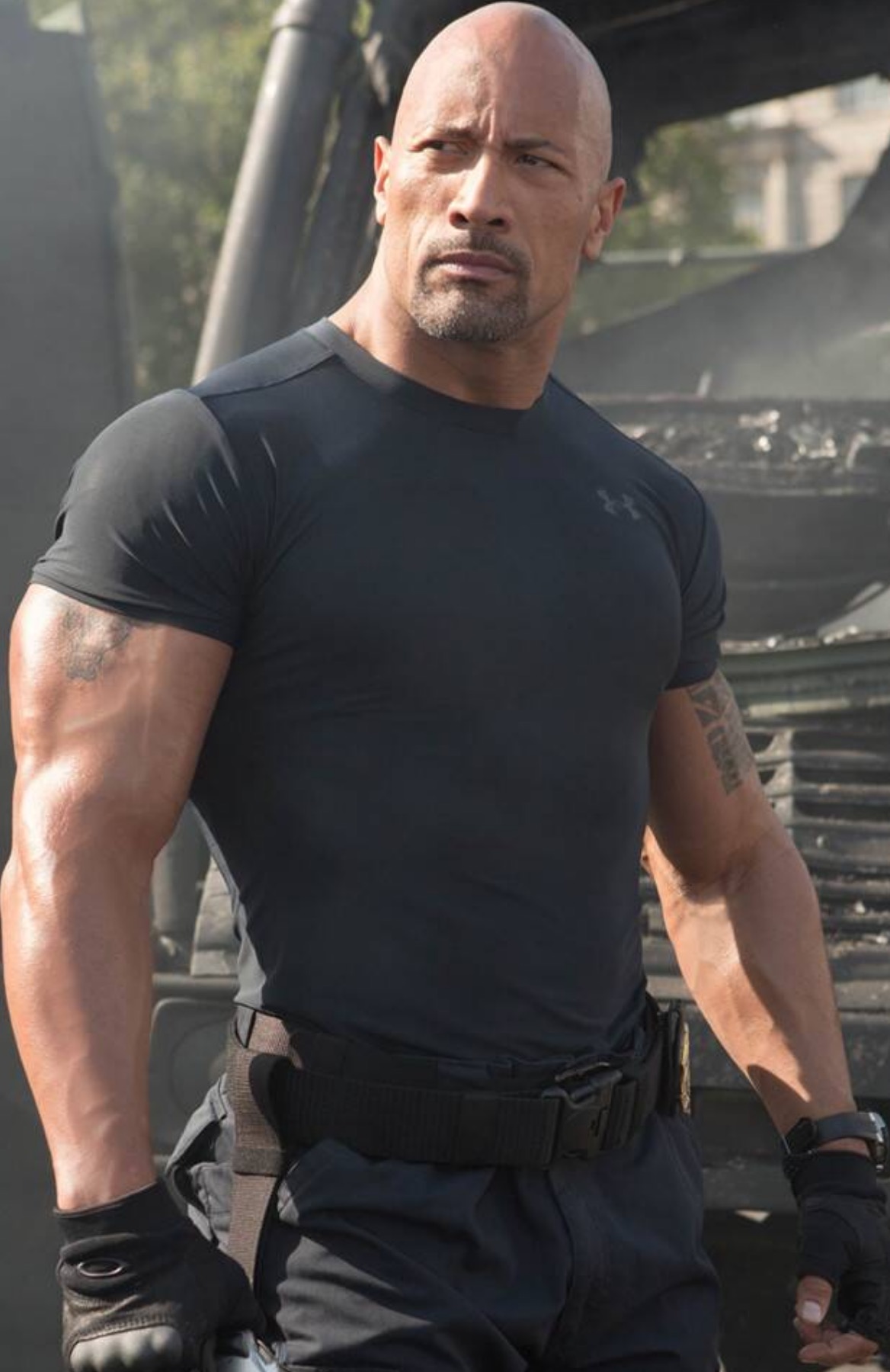
Dwayne Johnson was cast as Luke Hobbs, a Diplomatic Security Service (DSS) agent. The character’s introduction in Fast Five was pivotal. By pitting a relentless, hyper-competent federal agent against the outlaw protagonists, the narrative shifted from simple car-theft subcultures to a cat-and-mouse game involving international scope and military-grade weaponry. Johnson brought a level of athletic credibility and mainstream blockbuster appeal that helped propel the franchise into the multi-billion-dollar juggernaut it became during the 2010s.
Character Trajectory: From Antagonist to Protagonist
The journey of Luke Hobbs within the franchise is marked by a clear arc of transformation. In Fast Five, he was strictly an antagonist, driven by the uncompromising pursuit of justice and the capture of Toretto’s crew. This role established the "legendary status" of the character; he was portrayed as an unstoppable force, an immovable object capable of surviving immense physical trauma and delivering relentless pursuit.
As the series progressed into Fast & Furious 6 and Furious 7, the narrative necessity of these high-stakes heists forced an unlikely alliance between the outlaws and the lawman. This shift allowed the writers to leverage the chemistry between Johnson’s Hobbs and Jason Statham’s Deckard Shaw. This dynamic proved so successful that it eventually spawned its own spin-off, Fast & Furious Presents: Hobbs & Shaw (2019). By integrating these characters into the main lineage, the franchise expanded its "Fast Universe," proving that the brand was large enough to sustain standalone stories outside of the core Toretto-centric narrative.

Professional Dynamics and Behind-the-Scenes Tensions
One of the most discussed aspects of Johnson’s tenure in the franchise is the well-documented friction between himself and Vin Diesel. While the characters they played were constantly clashing, industry reports throughout the late 2010s confirmed that the relationship between the two actors was strained. These tensions, centered on creative differences regarding the direction of the films and personal professional philosophies, became a focal point for media coverage.
Despite these challenges, the economic success of the series remained insulated from the personal disputes. The inclusion of Hobbs provided a necessary counterbalance to Diesel’s character, and the franchise’s success largely depended on this specific brand of high-octane ensemble chemistry. By 2026, the legacy of this dynamic serves as a case study in how major Hollywood franchises balance ensemble egos against the commercial requirement for sustained, long-term collaboration.
The Role of Hobbs in Narrative Escalation
To understand why The Rock’s addition was so effective, one must look at the technical requirements of the franchise's stunt work and choreography. As the films progressed, the stakes increased from hijacking fuel tankers to preventing global ecological disasters and stopping cyber-terrorists.
| Feature | Pre-Hobbs Era | Post-Hobbs Era |
|---|---|---|
| Primary Theme | Underground Street Racing | Global Heist/Espionage |
| Antagonist Type | Rival Street Racers | Militaries, Mercenaries, Super-Villains |
| Physical Aesthetic | Tuner Car Culture | Tactical/Military Gear |
| Core Conflict | Personal Loyalty vs. Law | World Security vs. Global Threat |
The introduction of Hobbs allowed for the integration of tactical, military-style choreography. Hobbs, typically armed with heavy weaponry and supported by DSS tech, allowed the filmmakers to move away from the "gear-shifting" focus of early films to a more modern, blockbuster aesthetic. This change was essential to capturing the interest of global audiences who may not have been tuned into the niche tuner-car culture of the early 2000s.
Comparative Influence on Modern Action Cinema
Dwayne Johnson’s influence on the franchise extended to the very DNA of modern action films. By bringing a professional wrestler-turned-actor into the fold, the producers tapped into a specific archetype: the indestructible hero who remains charismatic despite the high level of violence surrounding him.
The success of this model changed the industry’s approach to ensemble action movies. Other franchises, such as the Mission: Impossible series or the various superhero universes, often cite the "Hobbs integration" as a prime example of how to successfully graft a secondary, high-profile lead into an established series without cannibalizing the existing protagonist. The presence of The Rock essentially "legitimized" the Fast franchise in the eyes of traditional studio executives, moving it from a "cult racing movie" category into the "event film" category.
Common Criticisms and Limitations
While the addition of The Rock brought financial success, it also invited criticism from long-time fans of the original Fast and the Furious film. Critics argue that the character of Hobbs, and the broader, more absurd scope of the later films, stripped the series of its original soul—the underground racing scene.
Furthermore, the "Hobbs-ification" of the series led to a reliance on massive set pieces that frequently defied physics. While audiences generally accepted this as part of the franchise's charm, it remains a point of contention for viewers who preferred the grounded, character-driven storytelling of the 2001 original. Balancing the "street racing roots" with the "super-hero action" is a challenge the franchise continues to face, even years after Johnson’s departure from the main narrative.
Frequently Asked Questions
Did Dwayne Johnson retire from the Fast and Furious franchise?
The involvement of Dwayne Johnson has been fluid. After his departure following the conflict during the filming of The Fate of the Furious, he starred in his own spin-off, Hobbs & Shaw. By 2026, his status remains one of a returning, yet occasional, collaborator. His appearances are typically determined by narrative arcs and scheduling, rather than a permanent retirement or full-time residency within the core cast.
Why was Hobbs considered a game-changer for the franchise?
Hobbs served as the perfect structural counterweight to Dominic Toretto. Before his arrival, the villains were often one-off antagonists. Hobbs provided a recurring, high-status threat that pushed the crew to expand their skills, ultimately forcing the series to shift its genre from niche racing to high-budget international espionage, which widened the audience reach significantly.
What is the primary difference between the Fast and Furious cast members and The Rock?
The primary difference is the "origin" of the character. The original cast was built around the lore of the street-racing family. Hobbs was built as an institutional agent. This created a fascinating dynamic where the protagonists had to reconcile their criminal pasts with the necessity of working with a government agent to stop even greater threats, adding a layer of moral complexity to the later films.
Does the inclusion of The Rock affect the overall lore of the series?
Yes. The addition of Luke Hobbs led to the formalization of the "Fast Universe." By introducing the DSS, the movies could explore a wider world of intelligence agencies and shadow organizations. This allowed the franchise to create spin-offs and side-stories that operate on the same timeline but focus on different themes, such as the tactical military focus of the Hobbs & Shaw film.
How did the professional relationship between Vin Diesel and The Rock affect filming?
The relationship, characterized by high-profile public disagreements and professional distance, necessitated creative solutions in film production. In later installments, this led to instances where the actors were rarely in the same frame simultaneously, relying on clever editing and body doubles. While this was a logistical challenge, the filmmakers successfully managed to maintain the illusion of a cohesive team on screen.
Recommendations for Viewers
If you are looking to understand the full arc of the character of Luke Hobbs, start your viewing sequence with Fast Five. This film is the essential entry point for the character and serves as the template for every action-oriented beat the series has taken since. Following the core series up to The Fate of the Furious will provide the full context of his evolution. If you prefer the high-octane, buddy-cop dynamic, prioritize Hobbs & Shaw immediately after completing the core series, as it showcases the character’s personality without the constraints of the larger Fast ensemble cast.
Image Gallery
Select an image to open it in a new tab.




Vivian Cho
Executive IT and Emerging Technologies Reporter
