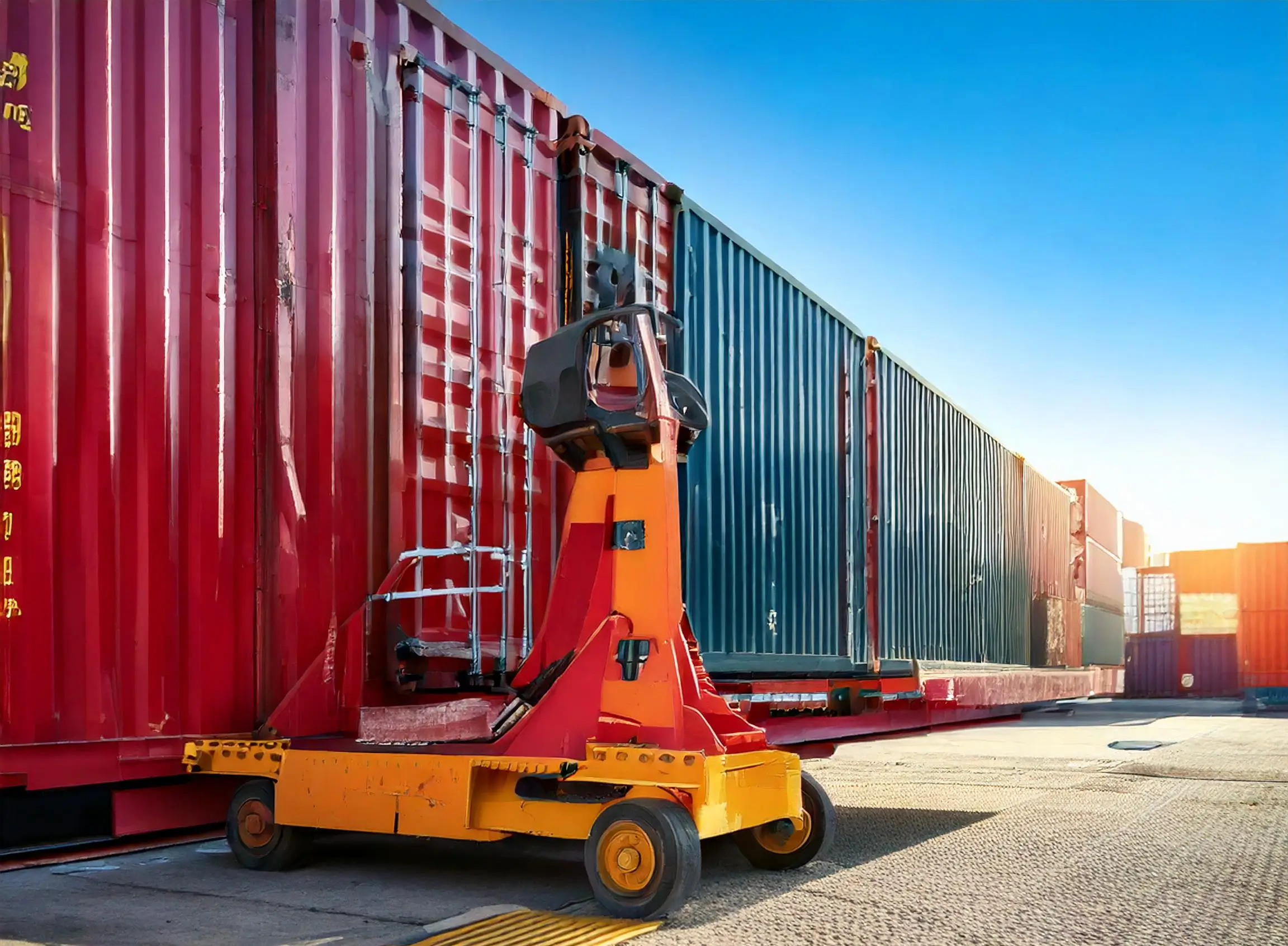
Relocating an ISO shipping container involves complex freight logistics, specialized heavy equipment, and strict road transport regulations. Many property owners and businesses assume moving a container is as straightforward as renting a flatbed trailer. In reality, unexpected fees for site access, equipment mobilization, weight limits, and permits can double or triple initial estimates.
The Reality of Shipping Container Transport Costs
Intermodal shipping containers—typically standard 20-foot and 40-foot steel boxes—were engineered for high-capacity global freight operations rather than simple residential towing. Moving one from point A to point B requires specialized vehicle configurations, such as tilt-bed (tilt-tray) trucks, side-loaders (sidelifters), or heavy-duty flatbed chassis equipped with twist-lock fasteners.
While modular storage and containerized structures have expanded across residential, commercial, and agricultural sectors, consumer understanding of freight logistics has lagged behind. Many buyers assume that container transport fees operate similarly to consumer truck rentals or small portable storage pods. This gap in knowledge frequently leads to budget overruns, delivery delays, and damaged property.
Understanding the true cost structure of shipping container transport requires separating logistics industry facts from common market misconceptions.
Myth 1: Moving a Container Is Always Cheaper Than Renting a Moving Truck
A widespread assumption is that buying or using a steel shipping container and paying for its transport will inherently undercut the cost of hiring a conventional moving company or renting a box truck.
Why This Myth Persists
Consumers see low daily rates for rental trucks or reasonable purchase prices for used 20-foot containers. They assume that moving a rigid steel box simply requires placing it on a trailer and hauling it to a new location.
The Actual Cost Mechanics
For short-distance local relocations (under 50 miles), hiring a standard moving truck or utilizing consumer portable storage pods (like PODS or U-Pack) is frequently less expensive than moving an ISO shipping container. Standard moving trucks do not require heavy industrial hydraulics or commercial drayage operators.
Transporting an ISO container requires specialized commercial equipment with high baseline operational costs:
- Mobilization Fees: Heavy transport vehicles incur steep base dispatch fees regardless of total mileage. Moving a container just 5 miles still requires a commercial driver, heavy hydraulic equipment, and fuel burned during transit and positioning.
- Equipment Class: A 20-foot empty steel container weighs roughly 4,500 to 5,000 pounds, while a 40-foot High Cube container weighs between 8,500 and 8,800 pounds empty. Offloading these masses without an on-site crane requires specialized machinery like a tilt-deck truck or a side-loader, both of which command higher hourly rates than standard flatbeds.
For long-distance or high-volume relocations, containers can become cost-effective, but for minor household moves, industrial freight mobilization fees often exceed residential truck rental rates.

Myth 2: Distance Is the Only Major Driver of Transport Costs
Many quotes or online cost calculators rely primarily on mileage. As a result, customers often believe a short 15-mile move will cost a fraction of a 100-mile trip.
Total Transport Cost = Base Mobilization + (Distance × Per-Mile Rate) + Site Access Fees + Permit/Weight Surcharges
The Role of Fixed Operational Overhead
In freight shipping, distance is merely one variable among many. A 10-mile move requiring complex maneuverability, tight urban navigation, or extended wait times can cost significantly more than a straightforward 60-mile highway transport between open rural yards.
Key non-distance cost drivers include:
- Site Accessibility and Clearances: If a driver arrives at a property with narrow gates, low-hanging tree branches, overhead power lines, or soft unpaved ground, delivery can stall. Transport companies charge hourly detention rates while driver teams wait for site issues to be resolved.
- Equipment Type Required: Delivering a container to a spacious lot using a tilt-bed truck is routine. However, if the container must be dropped into a tight parallel spot, over a fence, or onto an elevated foundation, the job requires a boom truck or an independent mobile crane, instantly adding $500 to $1,500+ to the bill.
- Regional Fuel Surcharges: Freight rates dynamically adjust based on regional diesel indices. Transport companies pass these fluctuating costs directly to the customer.
Myth 3: Moving an Empty Container Costs the Same as Moving a Loaded One
A major point of confusion for property owners is the difference between empty container transport and contents-loaded container transport. Many assume that as long as the items inside fit, the transport truck and price remain unchanged.
| Container Weight Class: Empty Container | Container Weight Class: Loaded Container |
|---|---|
| • Standard Tilt-Bed Truck OK | • Requires Crane / Sidelifter |
| • Standard Commercial Licensing | • Subject to DOT Axle Limits |
| • Lower Equipment Mobilization | • Higher Liability & Insurance |
Legal Weight Limits and Axle Loadings
The primary barrier to moving a loaded shipping container is federal and state highway weight enforcement. The Federal Highway Administration (FHWA) regulates gross vehicle weight limits (typically 80,000 pounds maximum for standard tractor-trailers without special permits).
When a container is packed with household goods, machinery, or building supplies, the distribution of weight across truck axles changes dramatically:
- Offloading Mechanics: A standard tilt-bed truck tilts its bed to an angle of 25 to 30 degrees to slide the container onto the ground. If the container is loaded, unsecured contents will violently shift toward the back wall, damaging the goods, distorting the container frame, or tipping the truck front wheels off the ground.
- Required Heavy Equipment: Loaded containers must generally be lifted completely level using a crane or a specialized sidelifter (a truck equipped with hydraulic crane arms at the front and rear of the chassis). Sidelifter equipment and certified crane operators carry significantly higher rental rates than empty-container tilt beds.
- Scale Verification: Loaded containers entering highways often require scale tickets to verify compliance with axle weight rules, adding administrative and weigh-station stopping fees to the invoice.
Myth 4: Any Flatbed Trailer or Tow Truck Can Transport an ISO Container
Online forums occasionally suggest hiring a standard car-towing service or securing a container onto a heavy-duty pickup trailer. Attempting to transport an ISO container using improper equipment creates major safety hazards and legal liabilities.
Engineering and Locking Requirements
Standard flatbed trailers lack the dedicated corner-casting lock systems built specifically for ISO containers.
ISO Corner Casting System
- Corner Casting to Twist-Lock Mechanism on Chassis
- Locks container securely to structural truck frame
- Corner Casting to Twist-Lock Mechanism on Chassis
Twist-Locks vs. Straps: Commercial container chassis feature heavy steel twist-locks that insert into the container's corner castings and mechanically lock the structure to the vehicle frame. Relying solely on synthetic ratchet straps or basic chains over the roof of a smooth steel container is unsafe and illegal in most jurisdictions under Department of Transportation safety standards.
Structural Stress Points: Shipping containers are engineered to bear structural loads almost exclusively through their four bottom corner castings. Supporting a container mid-span on an improper trailer bed without supporting the corners can flex and permanently twist the steel body, causing the cargo doors to misalign and jam.
Myth 5: The Initial Transport Quote Covers All Final Delivery Fees
Customers often receive a baseline estimate from a freight broker or local haulage company, only to be surprised by an invoice that exceeds the original quote by 30% to 50%.
Common Hidden Logistics Surcharges
To avoid unexpected bills, examine freight quotes for the following line items:
- Dry-Run / Gate Fees: If a driver arrives at the pickup or drop-off destination and cannot safely access or complete the placement due to unmapped obstacles (e.g., mud, low branches, locked gates), the trip is categorized as a "dry run." You will be billed for the full trip plus a re-delivery fee.
- Detention Charges: Transport quotes typically include a fixed window for loading or offloading (usually 45 to 60 minutes). If site conditions or loading delays cause the truck to idle past this allotment, companies bill detention charges in 15- to 30-minute increments.
- Permit Fees for Oversized Loads: Standard 20-foot and 40-foot containers are 8 feet wide. However, High Cube containers are 9 feet 6 inches tall. When mounted on a high transport chassis, total vehicle height can exceed legal clearance thresholds (typically 13 feet 6 inches), requiring specific DOT route permits and extra fees.
- Storage-in-Transit Fees: If your site is unprepared on the delivery date, the transport carrier must hold the container at a secure staging yard, charging daily storage and re-handling fees.
Myth 6: Intermodal Rail Transport Is Only for Commercial Importers
When planning long-distance relocations (exceeding 500 miles), many container owners assume that long-haul trucking is their only option. They overlook intermodal rail freight under the belief that rail is strictly reserved for major commercial supply chains.
The Intermodal Rail Advantage
For long-distance domestic moves, combining highway trucking with freight rail transport—known as intermodal shipping—can yield substantial savings. Class I railroads operate high-density container corridors that transport freight at a fraction of the per-mile cost of long-haul highway trucks.
Intermodal Transport Flow:
- Origin Site
- First-Mile Drayage
- Rail Terminal Yard
- Intermodal Rail
- Destination Terminal
- Final-Mile Drayage
- Destination Site
- Cost Efficiency: Railways move one ton of freight over 450 miles on a single gallon of fuel, making long-distance rail shipping less vulnerable to fuel price spikes.
- The Drayage Factor: Intermodal shipping requires "drayage"—short-distance truck transport between your location and the local rail terminal at both origin and destination. While drayage adds two localized truck legs to the journey, the lower middle-mile rail cost often results in lower total costs for moves exceeding 500 to 700 miles.
Comprehensive Shipping Container Transport Cost Breakdown
The table below provides average baseline costs for moving ISO containers across various distances and operational modes based on standard 2026 logistics industry pricing models.
| Move Category | Distance Range | Primary Equipment Used | Average Cost Range (USD) | Key Cost Factors & Variables |
|---|---|---|---|---|
| Local Move (Empty 20ft) | Under 50 miles | Tilt-Bed (Tilt-Tray) Truck | $350 – $750 | Flat mobilization fee; site access limits; driver wait time. |
| Local Move (Empty 40ft) | Under 50 miles | Heavy Tilt-Deck / Landoll Trailer | $550 – $1,100 | Requires up to 100 ft of straight-line clearance for offloading. |
| Regional Move (Empty 20ft/40ft) | 50 – 250 miles | Flatbed with Twist-Locks / Tilt-Bed | $4.00 – $7.50 per mile + base rate | Distance fuel surcharges; state highway permits; toll fees. |
| Loaded Move (Local/Regional) | Under 200 miles | Sidelifter / Crane + Flatbed | $900 – $2,500+ | Crane/sidelifter mobilization; strict DOT axle weight compliance. |
| Long-Distance Road Freight | 250 – 1,500+ miles | Long-Haul Tractor-Trailer | $2.75 – $4.50 per mile | Interstate permits; fuel price indices; driver sleep-shift surcharges. |
| Long-Distance Intermodal Rail | 500 – 2,500+ miles | Rail Car + First/Last Mile Drayage Truck | $1.80 – $3.25 per mile (effective) | Requires ISO-certified container; terminal drayage limits; rail schedules. |
Note: Pricing reflects baseline industry ranges and varies based on geographic region, season, fuel indices, and local labor rates.
Site Preparation: The Invisible Cost Variable
Inadequate site preparation is one of the most common causes of unexpected delivery surcharges. Moving a shipping container requires ensuring that both the delivery pathway and the final placement pad meet strict physical requirements.
Site Clearance Requirements:
- Overall Overhead Clearance: 13'6" to 14'0"
- Tilt-Bed Offloading Height: Up to 16'0" at maximum angle
- Straight-Line Drive Distance: 60' (20ft box) | 100' (40ft box)
1. Vertical and Overhead Clearance
A shipping container riding on a flatbed or tilt-bed truck sits roughly 4.5 to 5 feet off the ground. During offloading, as the bed tilts upward, the top rear edge of the container rises significantly higher.
- Driveway Overhead: Ensure at least 14 feet of vertical clearance along the entire transit route on private land.
- Tipping Point Height: During tilt-bed offloading, the top edge of the container can reach 16 feet or higher. Watch out for tree branches, residential roof eaves, and overhead utility lines.
2. Turning Radius and Straight-Line Runout
Tilt-bed trucks unload containers by pulling straight forward out from under the box as it slides down the tilted bed.
- A 20-foot container requires approximately 60 feet of straight-line distance in front of the final drop point.
- A 40-foot container requires up to 100 feet to 120 feet of straight-line distance to maneuver and exit safely.
3. Surface Stability and Foundation Preparation
Empty containers exert concentrated structural loads on their four corner posts. Soft soil, fresh asphalt, mud, or uncompacted gravel can cause the delivery truck or the container itself to sink.
- Towing Recovery Costs: If a transport vehicle gets stuck in mud or soft earth on private property, the land owner is typically responsible for third-party heavy-towing recovery fees, which frequently exceed $1,000.
- Pad Preparation: Place dense timber skids, concrete footers, or a crushed stone pad under the corner positions prior to delivery to ensure structural balance and prevent door binding.
How to Obtain an Accurate, Bound Transport Quote
To avoid hidden fees and ensure a smooth container move, provide transport carriers with complete logistics specifications up front.
Step 1: Document Dimensions & Weight (20ft, 40ft, High Cube / Empty vs Loaded)
Step 2: Measure Site Access & Clearance (Width, overhead, straight runout)
Step 3: Confirm Loading Equipment Needs (Tilt-deck, sidelifter, or mobile crane)
Step 4: Request Itemized Written Quote (Base transport, fuel, permits, detention rates)
Specify Container Type: Clearly identify whether your container is a standard 8'6" tall unit or a 9'6" High Cube unit, as this dictates trailer selection and height permits.
Declare Contents and Estimated Weight: State clearly whether the container will be transported empty or loaded. If loaded, provide an estimated weight ticket or inventory list to ensure the carrier brings weight-compliant equipment.
Provide Site Photos and Videos: Send photographs or video walk-throughs of the pickup and drop-off locations showing driveways, gates, overhead structures, and surface ground conditions.
Confirm Unloading Equipment: Clarify whether the carrier is providing offloading service (e.g., tilt-bed or sidelifter) or if you are expected to provide an on-site forklift or crane.
Demand an Itemized Quote: Ensure the estimate explicitly outlines the base transportation fee, fuel surcharge structure, free wait-time allotment (detention policy), and dry-run penalties.
Frequently Asked Questions
Can I move a shipping container myself using a heavy-duty pickup truck?
Moving a 20-foot empty shipping container with a heavy-duty pickup truck (such as a 3/4-ton or 1-ton truck) requires a specialized gooseneck trailer equipped with twist-lock anchor points and appropriate electric/hydraulic brakes. You must also ensure the combined Gross Vehicle Weight Rating (GVWR) does not exceed legal limits. Renting an improper trailer or securing a container with standard cargo straps creates severe safety hazards and violates highway transportation codes.
What clearance is required for a tilt-bed truck to drop off a 40-foot container?
A tilt-bed truck delivering a 40-foot shipping container generally requires a straight line of sight measuring 100 to 120 feet long, at least 10 feet wide, and a vertical overhead clearance of 15 to 16 feet during the tipping process. The ground must be firm, level, and free of soft mud, steep inclines, or low-hanging power lines.
Why is moving a loaded container so much more expensive than moving an empty one?
Loaded containers cannot be safely offloaded using standard tilt-bed trucks without causing internal cargo to shift violently and damage the container doors or truck frame. Transporting loaded units requires specialized equipment such as hydraulic sidelifters or cranes, along with strict adherence to Department of Transportation axle weight rules, scale inspections, and specialized insurance coverage.
Do I need a permit to move a shipping container on public roads?
Standard 20-foot and 40-foot containers measuring 8 feet wide and 8 feet 6 inches tall do not usually require wide-load permits on standard freight trailers. However, transporting High Cube containers (9 feet 6 inches tall) on high-deck trailers can push overall vehicle height beyond legal limits, requiring state-level over-height transit permits and pre-approved travel routes.
How far in advance should I book shipping container transport?
It is best to schedule container transport at least 1 to 2 weeks in advance for local or regional moves, and 3 to 4 weeks in advance for long-distance intermodal transport. Booking early helps secure specialized tilt-deck or sidelifter equipment, coordinate route permits, and avoid emergency dispatch fees.
Summary and Next Actions
Moving a shipping container cost-effectively requires treating the task as a commercial freight operation rather than a standard residential move. The idea that container transport is universally cheap, simple, or determined solely by distance is quickly disproved by the logistics realities of heavy equipment mobilization, site access requirements, and legal weight limits.
To ensure your container relocation remains safe, legally compliant, and within budget:
- Verify Site Readiness: Measure ground clearance, overhead obstacles, and straight-line runout space before booking.
- Match Equipment to Container Status: Confirm whether your container will move empty via tilt-bed truck or loaded via sidelifter/crane.
- Compare Freight Options: For moves over 500 miles, evaluate intermodal rail transport alongside long-haul trucking quotes.
- Get Binding, Itemized Quotes: Request complete pricing breakdowns that account for detention rules, fuel surcharges, and permit fees.
Image Gallery
Select an image to open it in a new tab.




Zara El-Hashem
Sociocultural Dynamics and Academics Writer
