Films Set in the Caribbean: Cinema, Colonial History, and Island Realities

Films set in the Caribbean span a rich cinematic spectrum, ranging from Hollywood pirate escapades and spy thrillers to authentic regional masterworks exploring post-colonial identity, economic survival, and cultural resilience. Landmark titles like The Harder They Come and Sugar Cane Alley offer deep local perspectives, while major international productions frequently utilize the archipelago's landscapes for epic visual storytelling.
The Evolution of Caribbean Cinema: From Exotic Backdrop to Authentic Voice
For nearly a century, international cinema framed the Caribbean primarily through an exoticized, Western lens. Early 20th-century Hollywood productions treated the island chains of the West Indies as backdrop destinations—treacherous waters infested with buccaneers, mysterious tropical jungles, or idyllic resorts detached from the socio-political realities of the people living there. This external narrative framing relied heavily on colonial tropes: the mysterious island, the untamed wilderness, and the submissive or exoticized local population.
However, the mid-to-late 20th century marked a dramatic shift. As Caribbean nations gained political independence from colonial powers like the United Kingdom and France, a vibrant indigenous cinematic movement emerged. Native directors, writers, and producers began utilizing film as a medium for self-definition, social critique, and historical reclamation. Rather than viewing the Caribbean merely as a postcard landscape, local filmmakers focused on the complexities of post-colonial nation-building, migration, labor rights, and the preservation of African, Asian, and Indigenous heritage.
Today, the study of films set in the Caribbean requires a dual perspective. On one hand, scholars and viewers examine how global film studios harness the region's geography, folklore, and historical events for high-budget entertainment. On the other hand, regional cinema provides a vital counter-narrative, presenting intimate, authentic portrayals of everyday life across diverse linguistic zones, including the Anglophone, Francophone, Hispanophone, and Dutch Caribbean.
Iconic Hollywood and International Productions Set in the Caribbean
International filmmakers have long drawn inspiration from the Caribbean's history, piracy, geography, and geopolitical tension. These productions have significantly shaped global popular culture perceptions of the region.
The Pirate Mythos and Swashbuckling Adventures
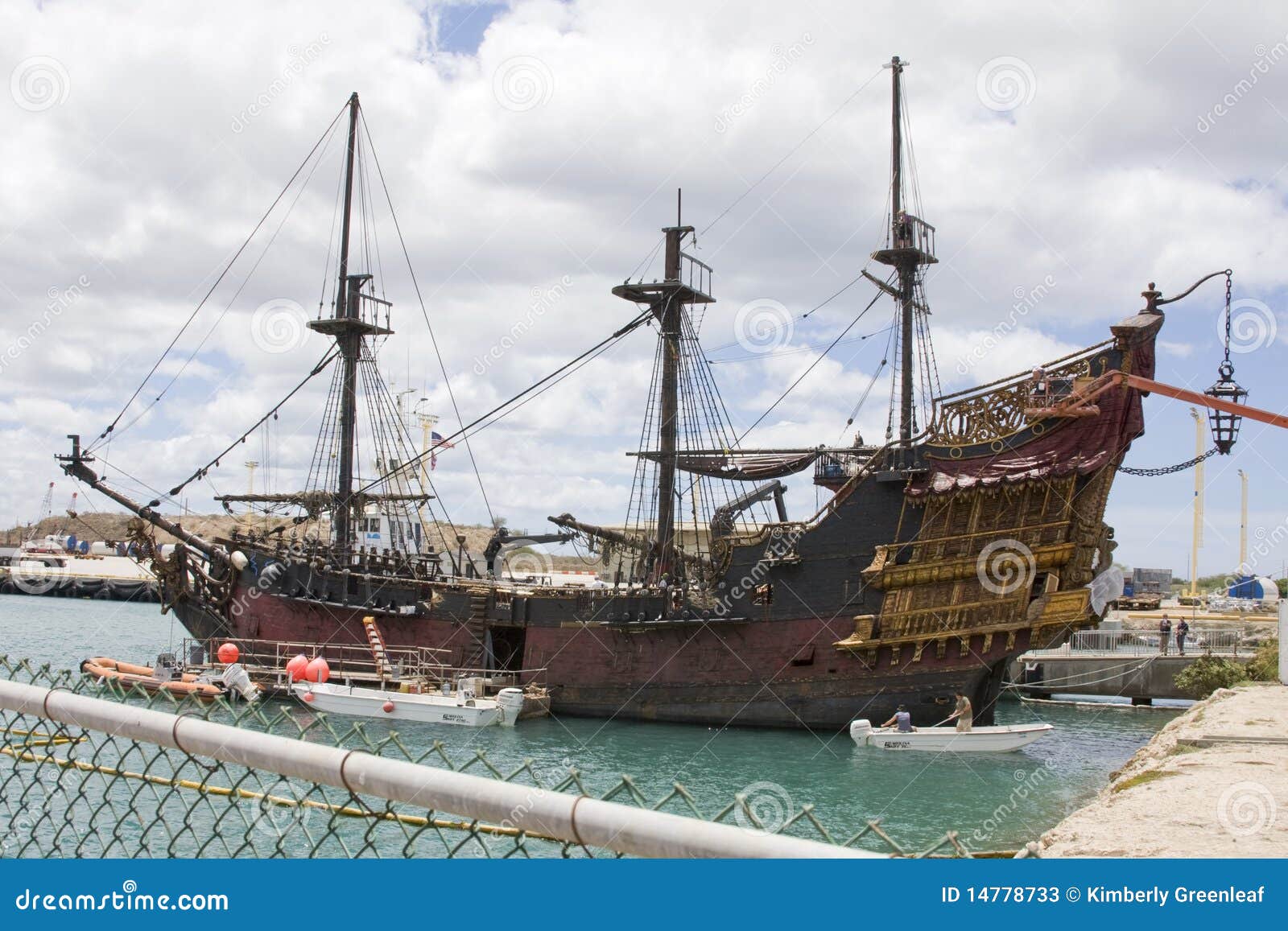
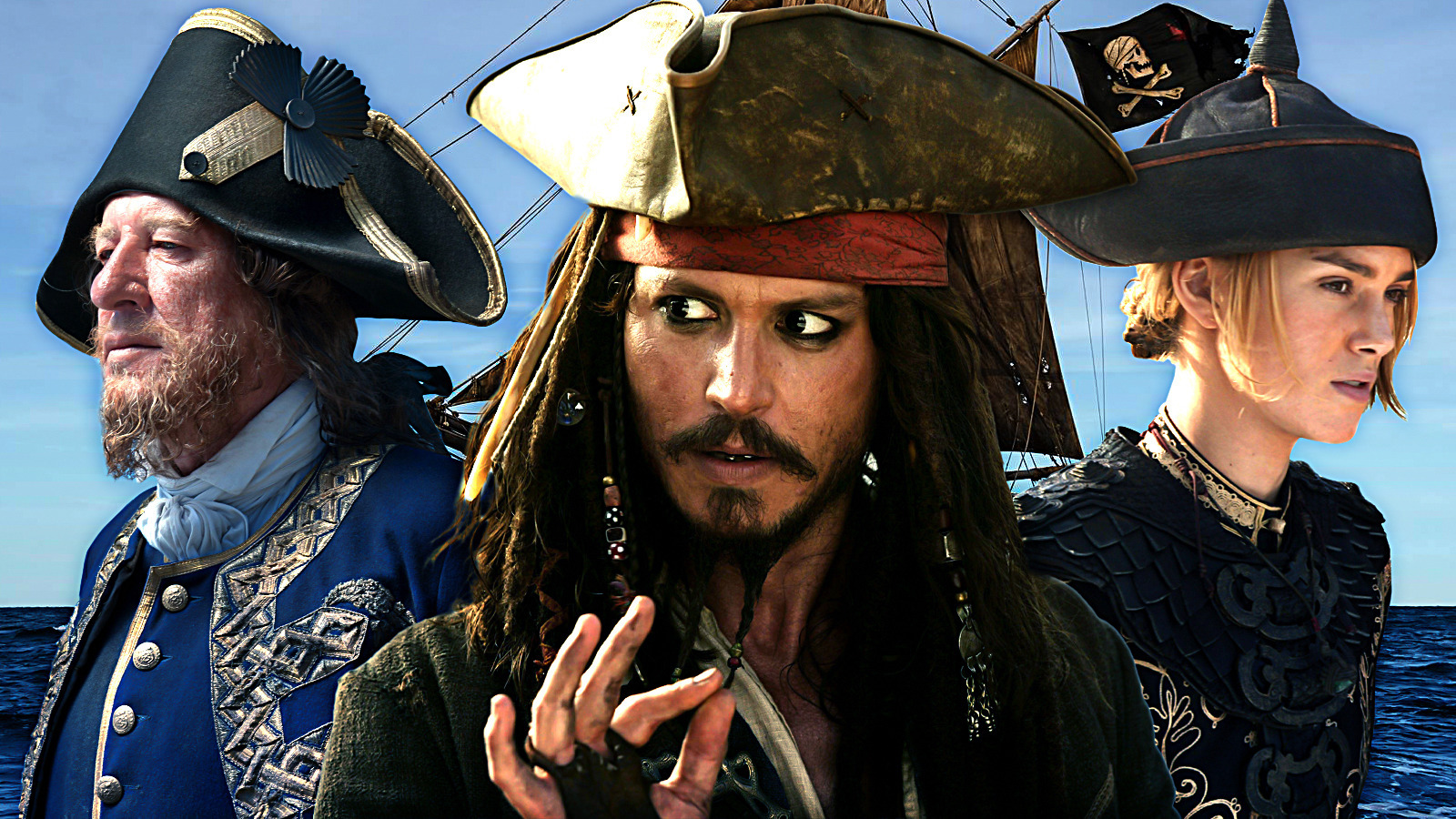
The golden age of piracy in the 17th and 18th centuries provided Hollywood with a durable cinematic template. Early classics such as Captain Blood (1935), starring Errol Flynn, established the archetype of the heroic privateer navigating the Spanish Main and Port Royal, Jamaica. Decades later, Walt Disney Pictures revitalized the genre with Pirates of the Caribbean: The Curse of the Black Pearl (2003) and its subsequent sequels.
While these blockbuster films are celebrated for their visual effects, stunt work, and fantasy elements, they largely present a mythologized, ahistorical version of the Caribbean. The real maritime history of the region was deeply intertwined with colonial warfare, trade monopolies, and the transatlantic slave trade—elements that mainstream swashbucklers usually gloss over in favor of supernatural folklore and treasure hunts.
Cold War Thrillers and Spy Lore
The Caribbean’s strategic geopolitical position during the mid-20th century made it a natural setting for political thrillers and espionage films. Ian Fleming wrote many of his James Bond novels at his Goldeneye estate in Jamaica, leading to the Caribbean setting of the first official EON Productions Bond film, Dr. No (1962). The image of Ursula Andress emerging from the Jamaican waters became one of the most famous moments in cinema history, setting a template for how Hollywood would portray Caribbean beachscapes for decades.
Similarly, Francis Ford Coppola’s The Godfather Part II (1974) captured the dramatic backdrop of pre-revolutionary Havana, Cuba, during New Year's Eve in 1958. The film masterfully juxtaposed the glitz of foreign-owned casinos and mob interests with the burgeoning Cuban Revolution, highlighting how foreign capital exploited the region before political upheavals redefined island governance.
Mainstream Comedy and Sports Dramas
Not all international films focusing on the Caribbean lean into history or espionage. Cool Runnings (1993) remains one of the most celebrated mainstream sports comedies set partially in Jamaica. Loosely based on the true story of the 1988 Jamaican bobsled team, the film explores themes of national pride, cross-cultural understanding, and athletic determination. Though produced by a major U.S. studio, its warm reception across the Caribbean underscored the universal appeal of stories celebrating West Indian ambition on the world stage.
| Mainstream / International | Indigenous / Regional Caribbean |
|---|---|
| • Exoticized tropical backdrops | • Socio-economic realities and labor rights |
| • Focus on piracy and escapism | • Post-colonial identity and nationhood |
| • External protagonists/tourists | • Local perspectives and authentic dialects |
| • High production budgets | • Independent financing and cultural preservation |

Groundbreaking Caribbean Indigenous and Regional Cinema
Indigenous Caribbean cinema offers a vital contrast to foreign-produced representations. By putting local voices behind and in front of the camera, regional cinema captures the linguistic diversity, nuanced social structures, and authentic oral traditions of island life.
Jamaican Realism and Musical Heritage
Jamaica stands as a cornerstone of Anglophone Caribbean cinema. The release of The Harder They Come (1972), directed by Perry Henzell and starring reggae icon Jimmy Cliff, revolutionized how the world viewed the island. Filmed on location in Kingston, the movie follows Ivanhoe Martin, a rural youth who moves to the capital with dreams of becoming a recording artist, only to be trapped by an exploitative music industry and illicit trade. Featuring an unforgettable soundtrack that introduced reggae music to global audiences, the film provided a uncompromising look at urban poverty, institutional corruption, and systemic inequality.
Following Henzell’s breakthrough, other notable Jamaican films emerged:
- Smile Orange (1976): Directed by Trevor Rhone, this sharp satirical comedy examines the tourism industry through the eyes of a resort waiter, exposing how local workers navigate the expectations of foreign visitors.
- Rockers (1978): Directed by Theodoros Bafaloukos, this film features real-life reggae legends—including Leroy "Horsemouth" Wallace and Burning Spear—playing stylized versions of themselves in a vibrant depiction of Rastafari culture and music.
- Dancehall Queen (1997): Directed by Rick Elgood and Don Letts, this film explores female empowerment, street culture, and economic survival within Kingston’s dancehall scene.
French Antillean Social Commentary and Colonial History
In the Francophone Caribbean, filmmakers have produced profoundly analytical cinema tackling the lingering structural impacts of slavery and colonialism.
A masterwork of this region is Rue Cases-Nègres (Sugar Cane Alley, 1983), directed by Martinican filmmaker Euzhan Palcy. Adapted from Joseph Zobel’s semi-autobiographical novel, the film is set in 1930s Martinique. It follows a young boy named José and his devoted grandmother, Man Tine, who works under grueling conditions in the sugar cane fields to afford his education. Palcy’s film won the Silver Lion at the Venice Film Festival and the César Award for Best First Feature Film, establishing her as the first Black female director to achieve such international acclaim. The film presents a poignant exploration of class barrier, labor exploitation, and the transformative power of education.
Cuban Cinema and Post-Revolutionary Storytelling
Cuba possesses one of the most robust film industries in the Caribbean, largely fostered by the creation of the Instituto Cubano del Arte e Industria Cinematográficos (ICAIC) following the 1959 revolution. Cuban cinema is renowned for its formal innovation, political critique, and intellectual rigor.
Key works in Cuban cinema include:
- Memories of Underdevelopment (Memorias del Subdesarrollo, 1968): Directed by Tomás Gutiérrez Alea, this modernist masterpiece examines an intellectual who chooses to remain in Havana after his family flees to Miami, reflecting on class detachment during a period of massive social transformation.
- Strawberry and Chocolate (Fresa y Chocolate, 1993): Co-directed by Tomás Gutiérrez Alea and Juan Carlos Tabío, this landmark film explores friendship, political intolerance, and LGBTQ+ acceptance in contemporary Havana, earning an Academy Award nomination for Best Foreign Language Film.
- Conducta (Behavior, 2014): Directed by Ernesto Daranas, this contemporary drama focuses on a troubled schoolboy and his dedicated teacher, offering a compassionate look at modern urban struggles in Cuba.
Trinidadian and Eastern Caribbean Narratives
In the Eastern Caribbean, filmmakers have crafted stories centered on local folklore, East Indian and African diaspora relations, and musical traditions like Calypso and Soca.
- Bim (1974): Directed by Hugh A. Robertson and written by Raoul Pantin, this Trinidadian classic explores race relations, political corruption, and anti-colonial sentiment through the life of an East Indian protagonist navigating a rapidly changing society.
- Bazodee (2016): Directed by Todd Kessler and starring soca legend Machel Montano, this modern romantic musical highlights the vibrant atmosphere of Trinidad Carnival while weaving together themes of Indo-Caribbean and Afro-Caribbean cultural integration.
Comparative Matrix: Key Films Set in the Caribbean
The following table categorizes notable films set across different Caribbean islands, highlighting their production origin, primary settings, genres, and central thematic focuses.
| Film Title | Year | Country of Origin | Primary Setting | Primary Genre | Core Narrative / Thematic Focus |
|---|---|---|---|---|---|
| Captain Blood | 1935 | United States | Jamaica / Maritime | Action / Historical | Classical pirate adventure and colonial-era swashbuckling. |
| Island in the Sun | 1957 | United States | Fictional Island (Barbados) | Drama | Race relations, political reform, and class tension under British rule. |
| Dr. No | 1962 | United Kingdom / US | Jamaica | Spy Thriller | Cold War espionage, foreign intervention, and tropical exoticism. |
| The Harder They Come | 1972 | Jamaica | Kingston, Jamaica | Crime / Musical | Urban survival, reggae culture, and systemic economic exploitation. |
| Bim | 1974 | Trinidad & Tobago | Trinidad | Drama / Political | Race relations, crime, and identity in post-independence Trinidad. |
| Smile Orange | 1976 | Jamaica | Jamaica | Satire / Comedy | Economic dependencies and cultural conflicts within the resort tourism industry. |
| Sugar Cane Alley | 1983 | Martinique / France | Martinique | Historical Drama | 1930s colonial plantation labor, grandmotherly sacrifice, and education. |
| Wide Sargasso Sea | 1993 | Australia / UK | Jamaica / Dominica | Gothic Drama | Colonial mental health, race, and patriarchal oppression based on Jean Rhys's novel. |
| Strawberry and Chocolate | 1993 | Cuba | Havana, Cuba | Drama | Intolerance, identity, artistic freedom, and social solidarity in post-revolution Cuba. |
| Cool Runnings | 1993 | United States | Jamaica / Canada | Comedy / Sports | Ambition, national representation, and cross-cultural sports achievement. |
| Pirates of the Caribbean: Black Pearl | 2003 | United States | Port Royal / Caribbean | Fantasy / Adventure | Supernatural maritime lore, gold, and stylized pirate mythology. |
| Conducta | 2014 | Cuba | Havana, Cuba | Social Drama | Childhood adversity, public education systems, and social solidarity in Havana. |
Thematic Tropes: Tourism, Colonialism, and Resistance
Films set in the Caribbean frequently examine specific recurring themes that reflect the region's historical developments and contemporary socio-economic challenges.
Tourism and the Illusion of Paradise
A central motif in many regional films is the tension between the curated image of "paradise" presented to tourists and the day-to-day realities of local residents. International travel campaigns emphasize pristine beaches, luxury resorts, and effortless service. However, films like Smile Orange and Stephanie Black's acclaimed documentary Life and Debt (2001) pull back this curtain. They demonstrate how global economic policies, foreign resort ownership, and international debt obligations can restrict local prosperity, forcing citizens into service-oriented roles that echo historical power dynamics.
Post-Colonial Identity, Race, and Social Class
The Caribbean is one of the most culturally and ethnically diverse regions in the world, shaped by the convergence of Indigenous peoples, European colonizers, enslaved Africans, and indentured laborers from India, China, and the Middle East. Cinema set in the region frequently deals with colorism, class stratification, and the search for a unified national identity.
In Sugar Cane Alley, class division is tied directly to land ownership and educational access controlled by European plantation owners. In Trinidadian films like Bim, the focus turns inward toward the complex socio-political dynamics between Afro-Trinidadian and Indo-Trinidadian communities adjusting to self-governance after centuries of imperial divide-and-conquer strategies.
Music, Carnival, and Cultural Expression as Resistance
Music and performance arts are rarely mere background elements in Caribbean cinema; they function as primary storytelling engines and mechanisms of cultural resistance.
- In reggae cinema (The Harder They Come, Rockers), music serves as a political voice for the disenfranchised, expressing Rastafari philosophy, spiritual survival, and anti-establishment defiance.
- In soca and carnival cinema (Bazodee), performance acts as a unifying space where historical social barriers temporarily dissolve during street celebrations.
- In Cuban musical film, traditional son, rumba, and jazz provide a medium through which characters express romantic yearning, nostalgia, and artistic autonomy amid political constraints.
Key Filming Locations vs. On-Screen Settings
Understanding films set in the Caribbean requires distinguishing between where a story is set and where it was actually filmed. Production logistics, tax incentives, infrastructure, and physical landscapes often lead filmmakers to substitute one island for another.
Popular Production Hubs
- Dominican Republic: Due to versatile landscapes, robust production infrastructure, and attractive tax incentives governed by its national film law (Ley de Cine), the Dominican Republic has long served as a top shooting destination. Pinewood Dominican Republic Studios features specialized water tanks used for major oceanic sequences. The country has stood in for Cuba, Haiti, and various fictional tropical islands in foreign productions.
- Puerto Rico: As a U.S. territory, Puerto Rico offers film crews streamlined logistics, access to federal tax credits, and highly trained local technical personnel. Old San Juan is frequently used by studios as a stand-in for historical European colonial cities or mid-century Havana.
- Saint Vincent and the Grenadines / Dominica: These Eastern Caribbean islands offered dramatic, undeveloped coastal vistas, dense rainforests, and natural archipelagos for major blockbusters like the Pirates of the Caribbean franchise. Wallilabou Bay in Saint Vincent was famously transformed into the film's version of 18th-century Port Royal.
| On-Screen Setting | Common Filming Substitute | Primary Reason |
|---|---|---|
| Pre-Revolution Havana | Old San Juan, Puerto Rico | Logistics/Incentives |
| Fictional Pirate Hub | Wallilabou Bay, Saint Vincent | Pristine Coastal Views |
| Open Ocean Battles | Juan Dolio, Dominican Republic | Deep-Water Studio Tank |
Practical Recommendations for Viewers and Film Scholars
For readers seeking to explore Caribbean cinema beyond mainstream Hollywood depictions, the following viewing path offers a structured introduction to the region's film history:
- Start with foundational classics: Watch The Harder They Come (Jamaica, 1972) and Sugar Cane Alley (Martinique, 1983) to understand how local directors pioneered realistic storytelling focused on economic justice and cultural pride.
- Explore Cuban cinematic art: Screen Memories of Underdevelopment (1968) and Strawberry and Chocolate (1993) for world-class examples of post-revolutionary artistic expression and social self-examination.
- Examine foreign representations critically: Contrast Hollywood blockbusters like Pirates of the Caribbean or Dr. No with local documentaries such as Life and Debt (2001) to observe the divergence between exoticized escapism and economic realities.
- Support modern Caribbean film festivals: Follow regional showcases such as the Trinidad & Tobago Film Festival (TTFF), the Havana Film Festival, and the European-based Caribbean Film Festival to discover contemporary indie works by emerging island filmmakers.
Frequently Asked Questions
What was the first major internationally recognized film directed by a Caribbean native?
The Harder They Come (1972), directed by Jamaican filmmaker Perry Henzell, is widely recognized as the landmark film that brought native Caribbean storytelling and reggae music to a global audience. Another vital milestone occurred in 1983 when Martinican director Euzhan Palcy released Sugar Cane Alley (Rue Cases-Nègres), winning major international awards including the César for Best First Feature.
Why do many movies set in Cuba get filmed in other Caribbean countries?
Due to long-standing political restrictions, trade embargoes, and logistical challenges between the United States and Cuba, Hollywood productions set in Havana have historically filmed elsewhere. Cities with similar Spanish colonial architecture—such as Old San Juan in Puerto Rico or Santo Domingo in the Dominican Republic—are frequently used as visual doubles for Havana.
Are films set in the Caribbean typically available on mainstream streaming platforms?
While major Hollywood blockbusters set in the Caribbean (such as Pirates of the Caribbean or James Bond films) are widely available on major subscription platforms, independent regional Caribbean cinema can be harder to locate. Specialized streaming channels (such as Criterion Channel, MUBI, or regional platforms like CaribbeanStreams) often house restored classics like The Harder They Come, Sugar Cane Alley, and historic Cuban titles.
How do Caribbean nations encourage international film productions?
Several Caribbean nations offer film incentives, rebate programs, and tax credits to attract foreign film productions. The Dominican Republic, Puerto Rico, and Trinidad & Tobago have implemented structured financial frameworks alongside investments in local crews and production facilities to support high-budget film projects.
What is the significance of Euzhan Palcy's work in Caribbean film history?
Euzhan Palcy is a pioneering Martinican director who became the first Black woman to direct a film produced by a major Hollywood studio (A Dry White Season, 1989). Her masterwork, Sugar Cane Alley (1983), remains one of the most critically revered films in Caribbean history, praised for its sensitive handling of colonial history, labor, and education.
Image Gallery
Select an image to open it in a new tab.




Vivian Cho
Executive IT and Emerging Technologies Reporter
